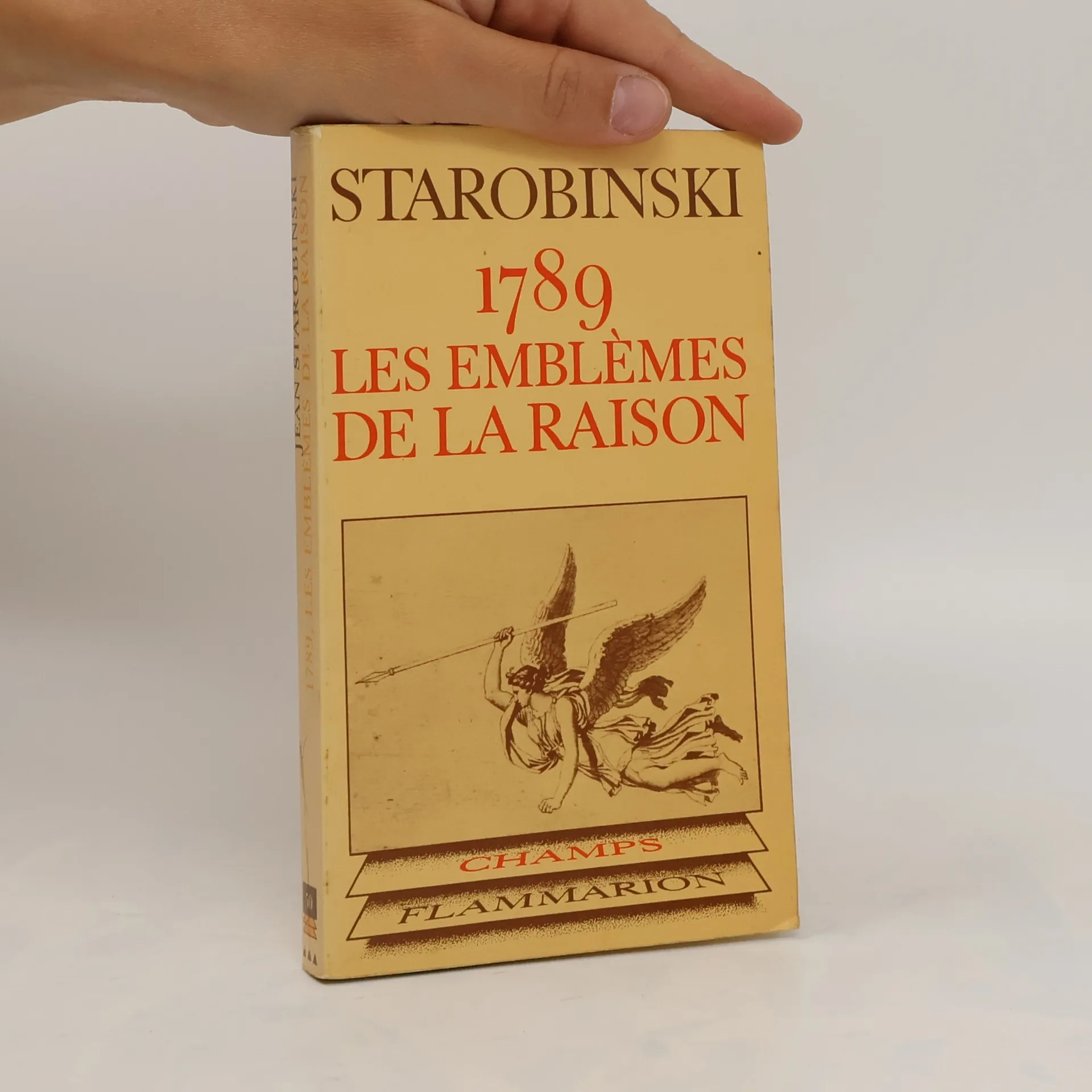
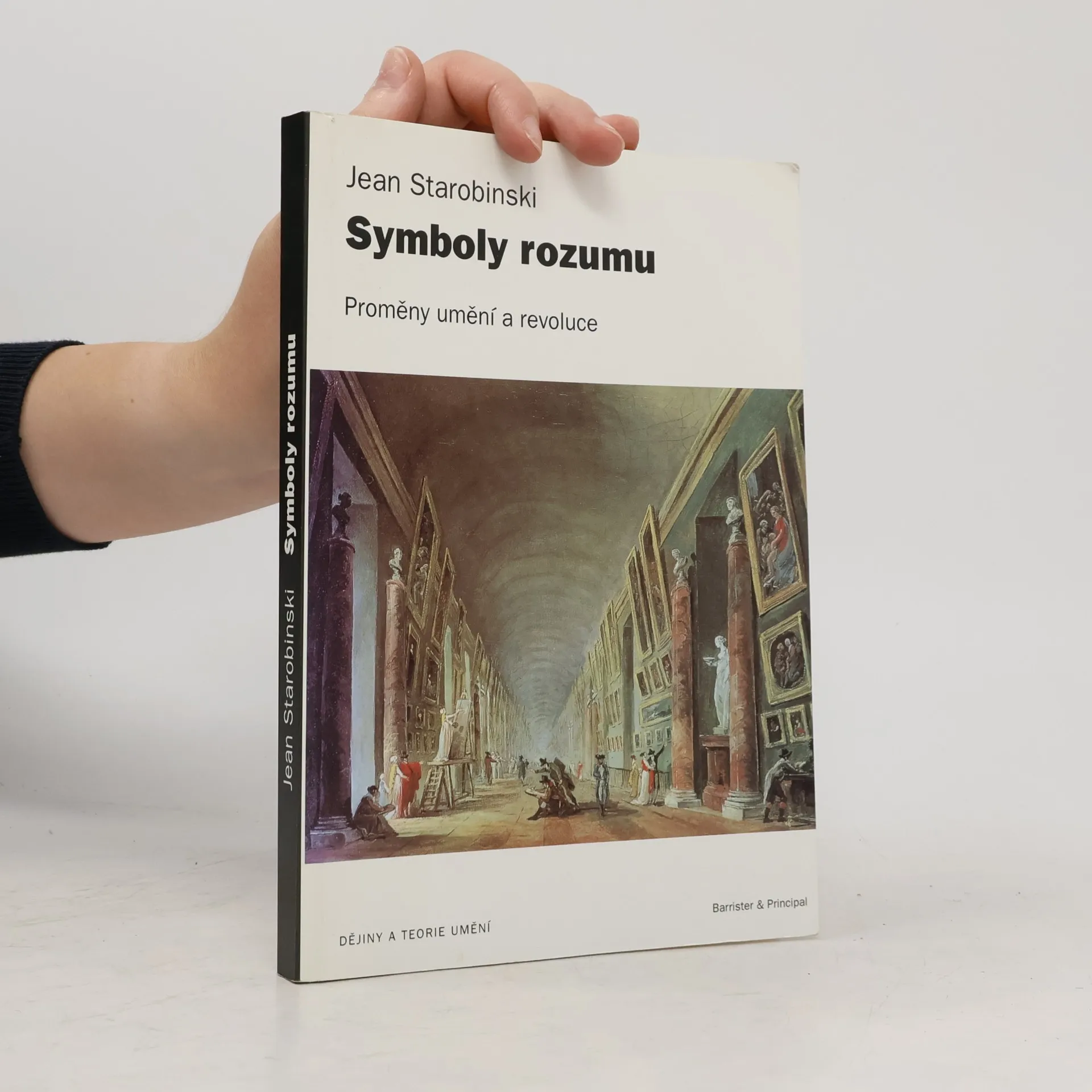
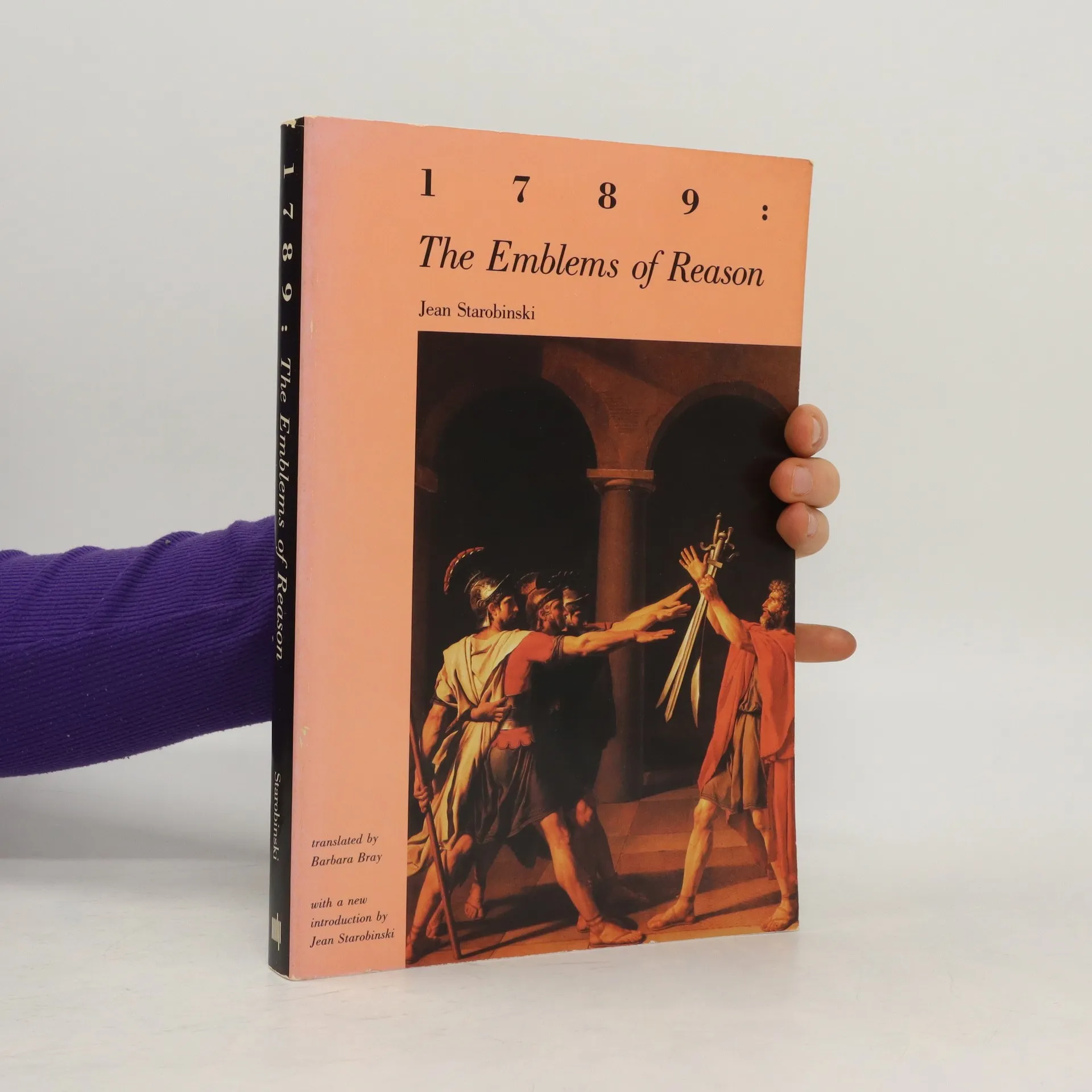
In this classic text on the 18th century and neoclassicism, Jean Starobinski pursues a subtle and brilliant meditation on the connections between art and revolution, comparing the style of the French Revolution as a political event to style in the contemporary visual arts."
Jean Starobinski Books
November 17, 1920 – March 4, 2019
Jean Starobinski was an influential literary critic whose work drew from his profound understanding of classical literature, medicine, and the history of ideas. His criticism, often associated with existential and phenomenological traditions, focused on French literature of the eighteenth century and authors like Rousseau and Diderot, yet extended to other periods and art forms. Starobinski's unique perspective, informed by his medical background, allowed him to explore themes such as melancholy and interpretation with exceptional depth. His analyses are distinguished by their penetrating insights and precise style, establishing him as a pivotal figure in literary scholarship.


ATRAMENT MELANCHOLII
- 540 pages
- 19 hours of reading
Z czego wynikają głęboki smutek, rozpacz, obłęd, szał, samobójstwo?Wbrew tym, którzy przywołują jakąś przyczynę nadprzyrodzoną czy karę boską, myśl medyczna już od czasów starożytnych przyznawała pierwszeństwo pewnej przyczynie naturalnej, jednemu z płynów w ciele – czarnej żółci, to znaczy melancholii. Jej czarna barwa, porównywana często do barwy węgla czy atramentu, była oznaką jej szkodliwej mocy. Ten płyn nie istnieje. Lecz czyż to nie atramentem pisze się wiersze?Przez ponad pół stulecia tematy związane z melancholią nadawały kierunek niektórym pracom Jeana Starobinskiego. Wszystkie one zostały zebrane w tej książce z nadzieją, że badanie różnych aspektów melancholii może zrodzić „radosną wiedzę”.
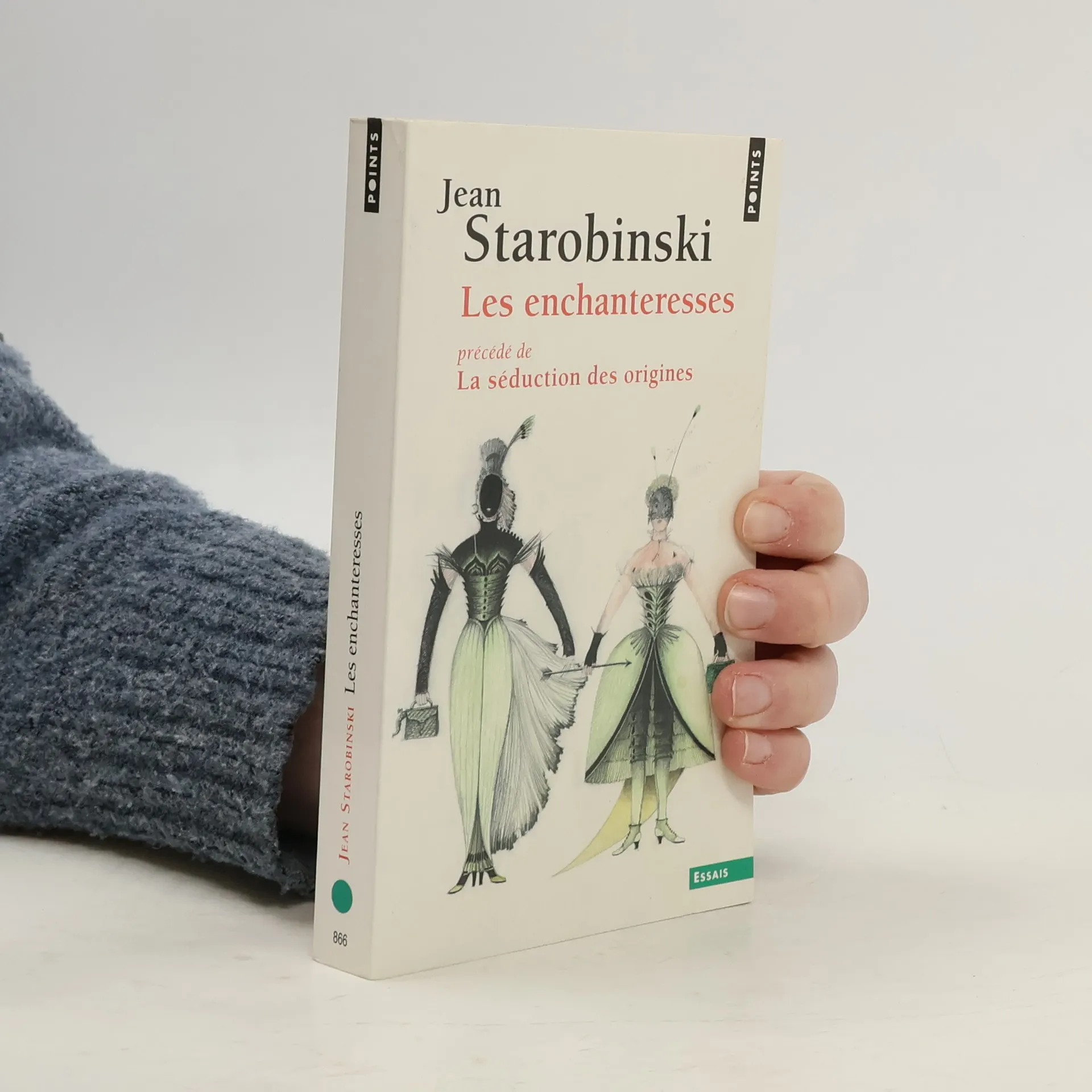
Suite de L'œil vivant, cet ouvrage est consacré à la critique. Jean Starobinsky s'attache à établir les principes d'une critique de la relation, capable de coordonner les méthodes de la stylistique, de l'histoire des idées et de la psychanalyse. Une nouvelle interprétation d'un épisode des Confessions de Rousseau illustre le rapport de la théorie critique et de son application. Qu'est-ce qu'interpréter ? C'est déchiffrer, et c'est aussi imaginer. La deuxième partie passe donc en revue les divers champs de l'imagination : la parole, l'image, le corps. Et la troisième, traitant des rapports de la littérature et de la psychanalyse, pose une question déconcertante : quelle est la part d'imaginaire qui s'immisce dans la lecture psychanalytique ? Comme toujours, Jean Starobinski se révèle un maître-lecteur, qui incite à lire ou relire les grands livres.
Rousseau
Eine Welt von Widerständen
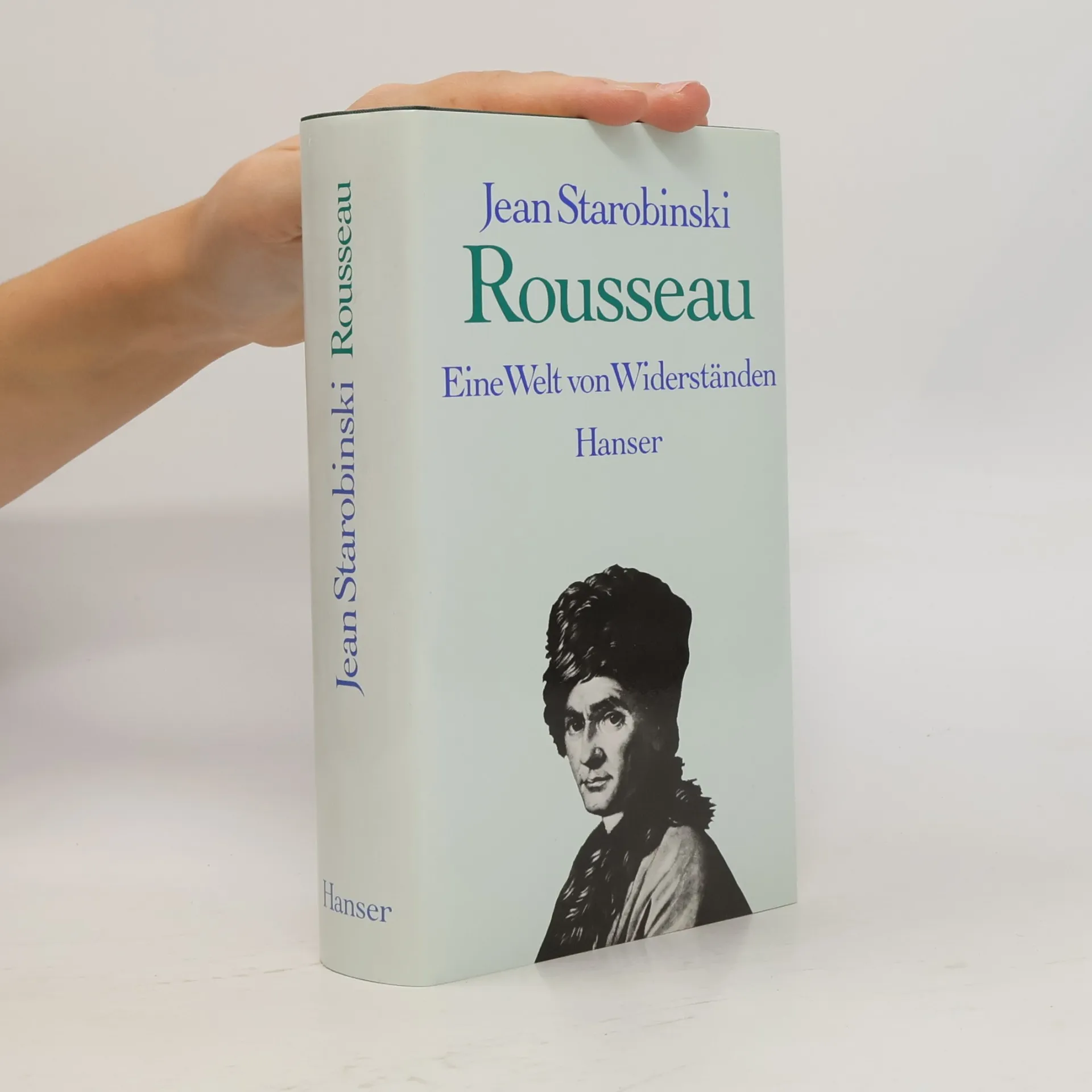
Er war der radikalste, widersprüchlichste und einflußreichste Geist des 18. Jahrhunderts am Vorabend der Französischen Revolution: Jean-Jacques Rousseau. Als freier Schriftsteller auf unsteter Wanderschaft, hat er seine Werke verfaßt: über den Ursprung der Ungleichheit und Unterdrückung des Menschen, eine demokratische Gesellschaft, den Ursprung der Sprachen, eine menschenwürdige Erziehung und Moral, eine neue Rechts- und Gesellschaftsordnung und seine Autobiographie Bekenntnisse. Starobinski schreibt hier brillant über den, den Nietzsche den »ersten modernen Menschen« genannt hat.
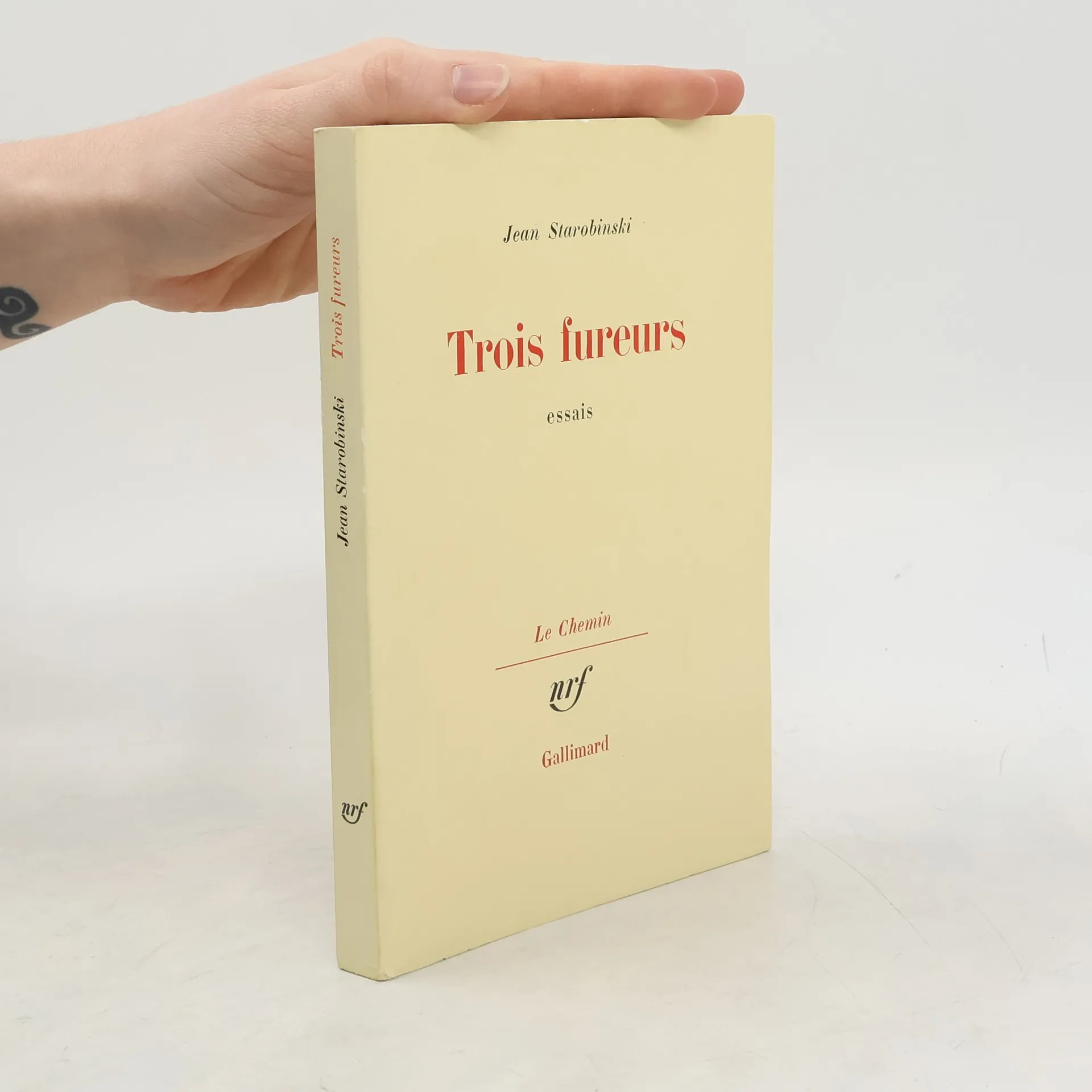
Trois figures de l'obsession. Trois visions nocturnes, trois folies. Jean Starobinski, professeur de littérature française et d'histoire de la médecine, explore trois états psychiques extrêmes – la folie, l'obsession et le cauchemar – à travers diverses perspectives herméneutiques et développe trois manières de "lecture" performative, unies par une idée forte. L'auteur, médecin-psychiatre et historien de la médecine, ne se concentre pas sur des anamneses réelles de patients, mais sur des anamneses fictives de textes littéraires. Il s'appuie sur des œuvres littéraires historiquement et genre diversifiées, telles que la tragédie grecque antique et l'évangile néotestamentaire, ainsi que sur différents médias, son interprétation de la troisième figure de la folie s'appuyant sur le célèbre tableau Le Cauchemar de J.-H. Füssli. La première partie interprète en détail la tragédie d'Ajax de Sophocle, révélant une compréhension subtile de la motivation du suicidaire. La seconde se concentre sur l'expulsion des démons du possédé selon l'évangile de Marc, où les démons entrent dans des porcs qui se jettent à la mer, interprétée comme un modèle de l'œuvre salvatrice de Jésus. La dernière partie examine l'image du Cauchemar, explorant la perte de la raison comme un mauvais rêve.
Das Leben der Augen
- 184 pages
- 7 hours of reading
Warum erfand Poppaea, die Schönheiten ihres Gesichts zu verbergen, wenn nicht um sie für ihre Liebhaber zu steigern? fragt Montaigne. Das Verborgene fasziniert. Sehen, schauen, bedeutet, das Verlangen zu haben, zu erfassen, einzudringen, zu besitzen. Ein lebendes Auge zu werden: Das ist der Wunsch, den Rousseau formuliert. Indem er einige große Werke - Corneille, Racine, La Bruyère, Rousseau, Stendhal - untersucht, zeigt Jean Starobinski, wie in der literarischen Schöpfung die Anforderung des Blicks, die die sichtbare Realität übersteigt und zerstört, in die Welt der Imagination führt; wie sie auch, geschärft durch Hindernisse und Enttäuschungen, zu allen Perversionen anregt: Exhibitionismus, Voyeurismus, Sadismus, Verweigerung der Reflexion.
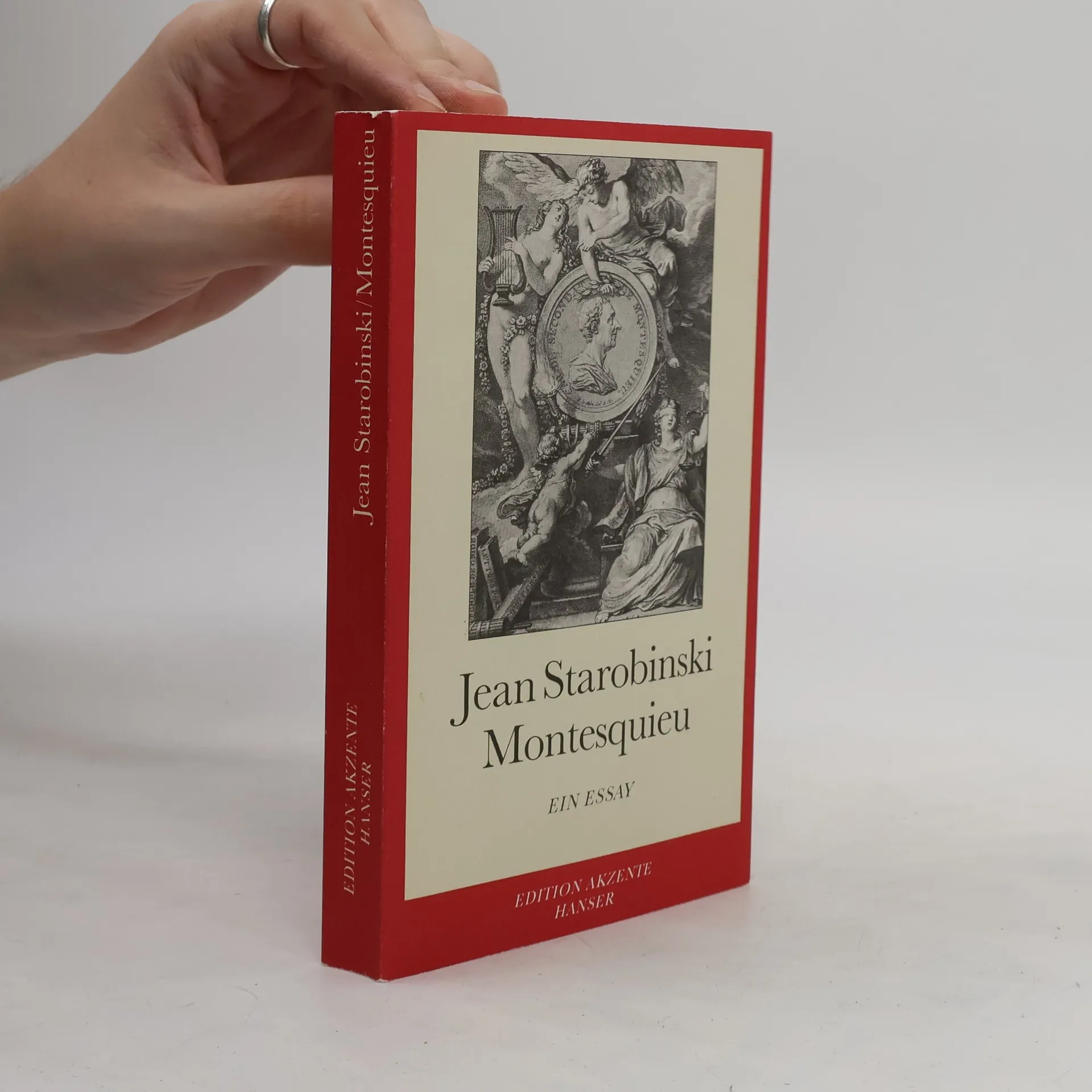
Montesquieu
Ein Essay
Jean Starobinski läßt den großen Europäer Montesquieu noch einmal als Persönlichkeit lebendig werden: als Schriftsteller und als Zeitgenossen einer radikalen Epoche, die sich endgültig vom mittelalterlichen Jahrtausend verabschiedet hatte.
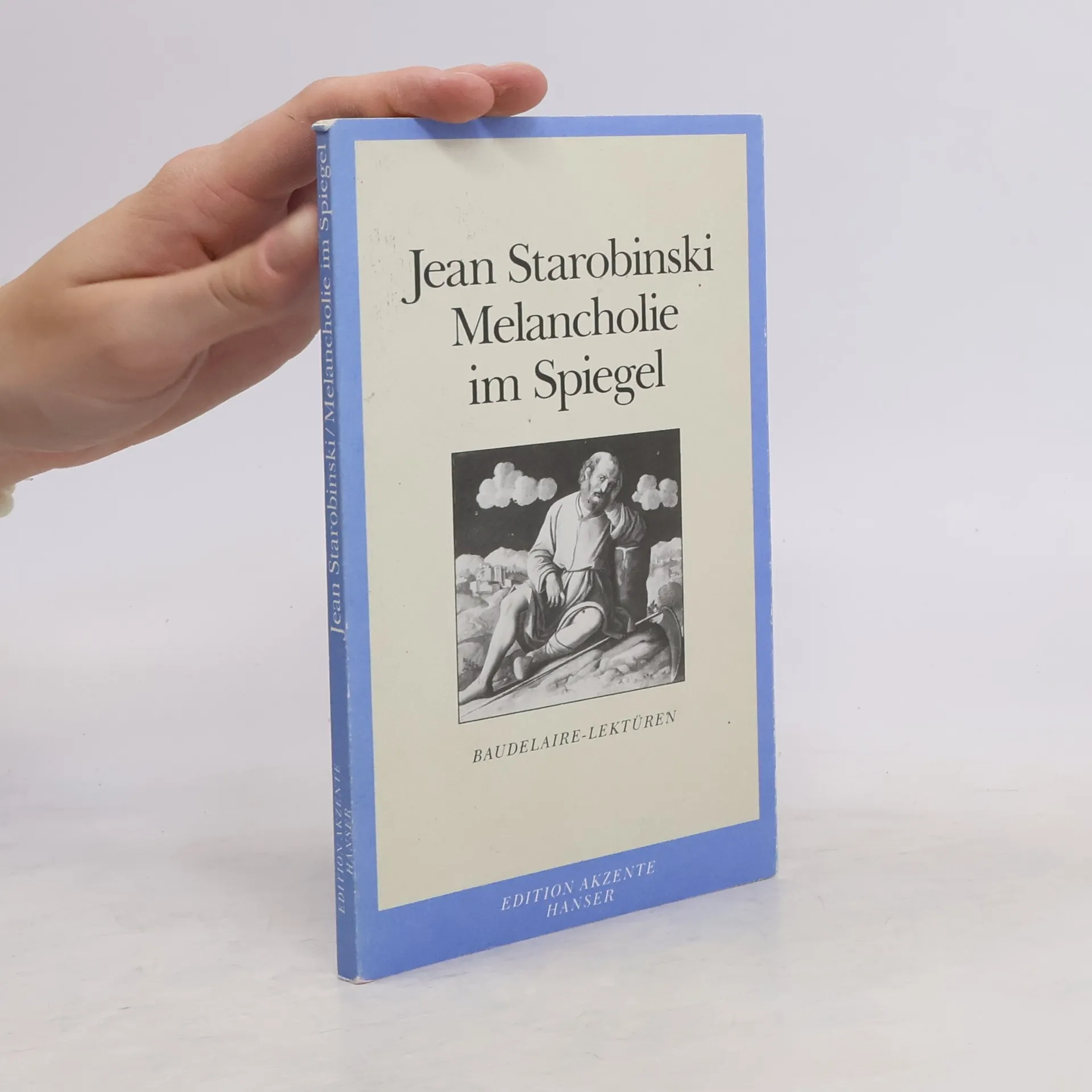
Melancholie im Spiegel
- 127 pages
- 5 hours of reading
Seine Neigung zur Melancholie, die - so Jean Starobinski - die intime Gefährtin des Dichters war, kultivierte Baudelaire stets mit Wonne und Schrecken. In unterschiedlich gebrochener Intensität stets gegenwärtig, durchzieht sie die Blumen des Bösen und kann als die beherrschende Figur gelesen werden. Die Interpretationen Starobinskis fördern nicht nur viele Einsichten in die Geschichte der Melancholie zutage, sondern sie sind auch Beispiele einer Lese-Kunst, die den Texten ihre Unverwechselbarkeit und Schönheit beläßt.
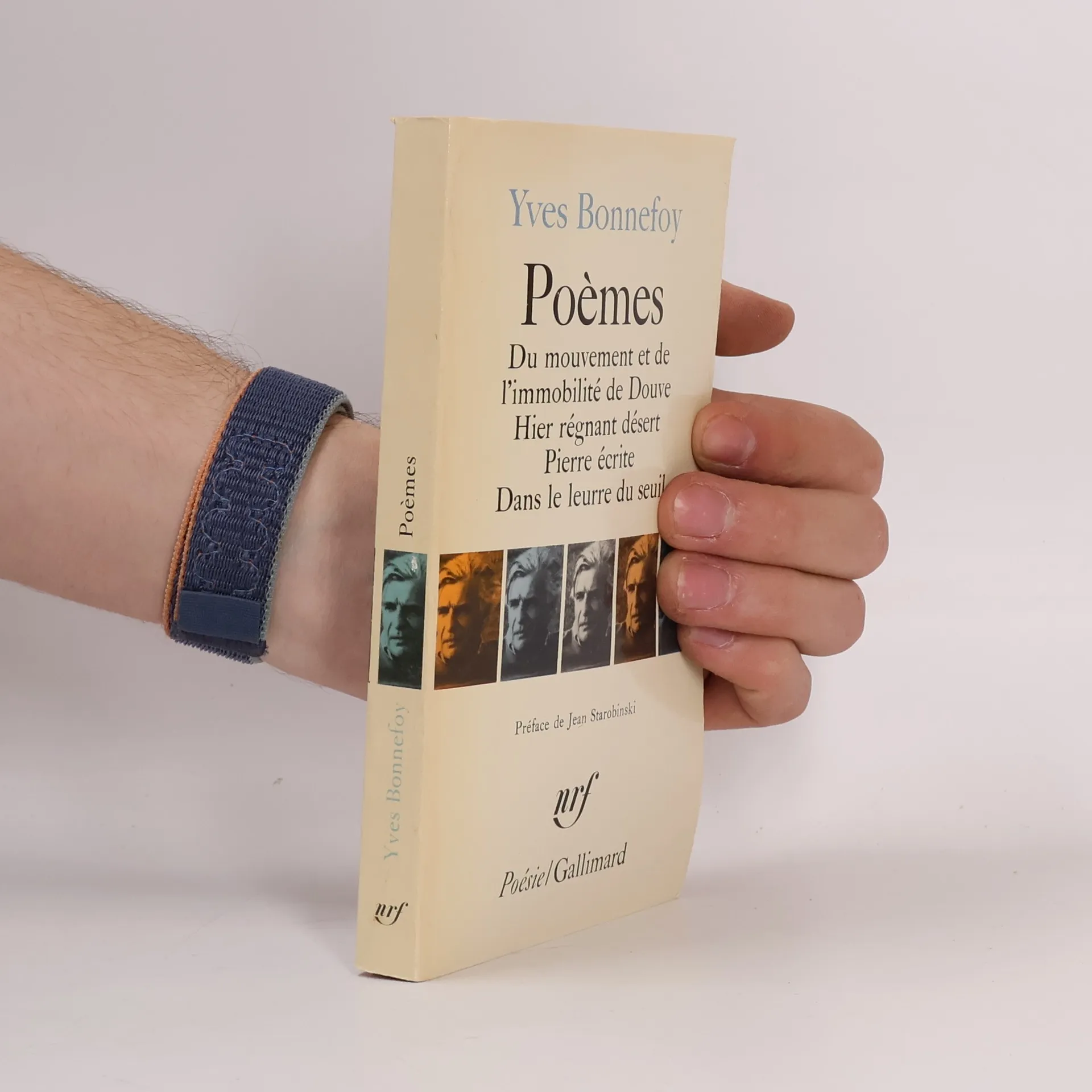
Poésie/Gallimard: Poèmes
- 346 pages
- 13 hours of reading
Nouvelle édition en 1986
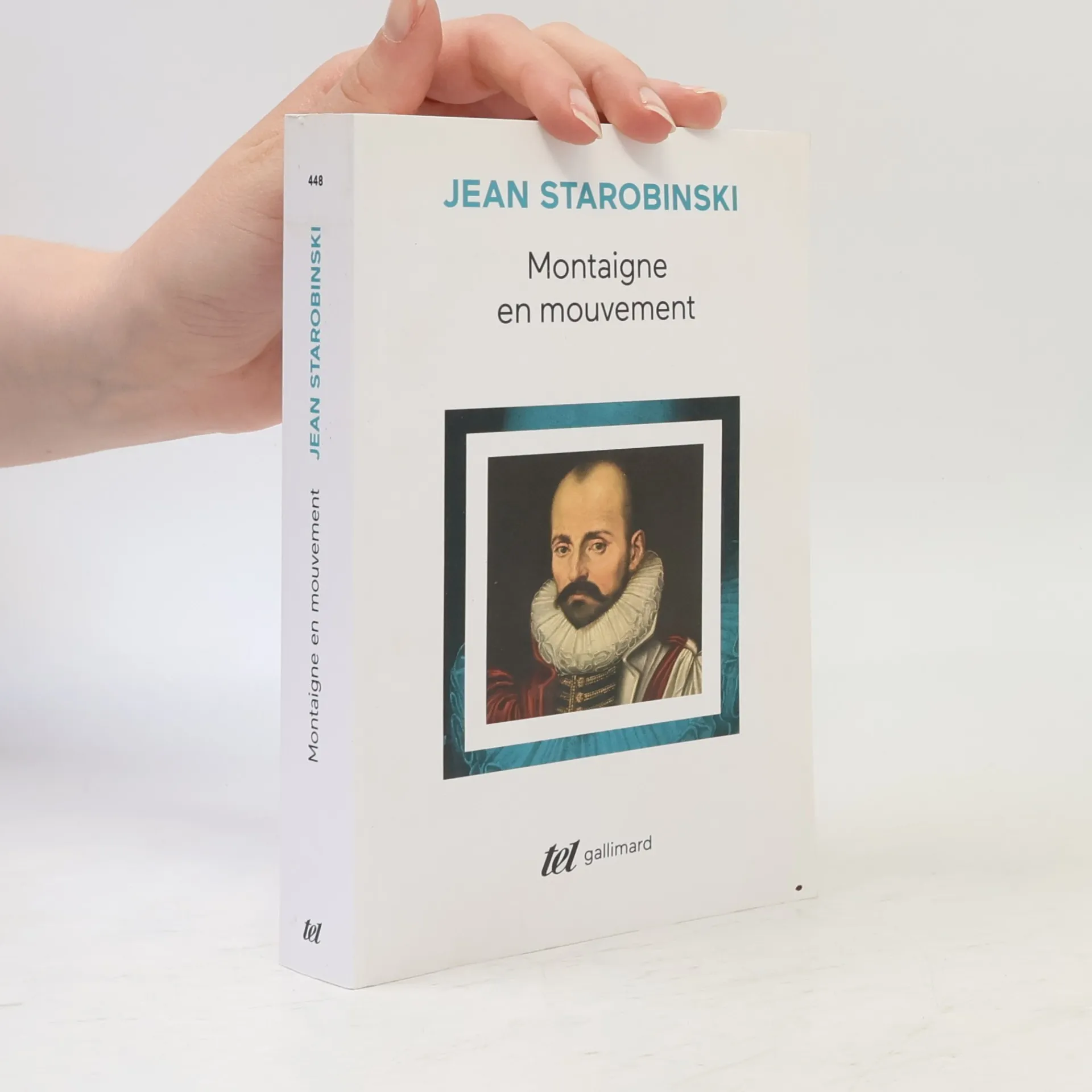
tel - 448: Montaigne en mouvement
- 600 pages
- 21 hours of reading
Au départ, il y a cette question posée à Montaigne - cette question que Montaigne pose lui-même : une fois que l'individu, dans un accès d'humeur mélancolique, a récusé l'illusion du paraître, quelles exériences lui sont-elles réservées ? Que va découvrir celui qui a dénoncé autour de lui l'artifice et le déguisement ? Lui est-il permis de faire retour à soi, d'accéder à l'être, à la vérité, à l'identité intérieure, au nom desquels il jugeait insatisfaisant le monde dont il s'est écarté ? Montaigne met à l'épreuve cet espoir en composant les Essais. Mais "la prise et la serre" seont-elles possibles ? Si les mots et le langage sont, au dire de Montaigne, "une marchandise si vulgaire et si vile", quel paradoxe que de composer un livre et de s'essayer soi-même au fil des pages écrites ! L'on ne sort de l'apparence que pour s'engager dans une nouvelle apparence.Montaigne voit le doute s'étendre jusqu'au point où nulle opinion n'offre une garantie supérieure à celle de la vie sensible. Par le détour de la réflexion sceptique, il réhabilite le paraître, rétablit la "relation à autruy", reconnaît les droits de la coutume et de la finitude. Ce mouvement réconcilie la pensée avec ce qu'elle avait d'abord rejeté ; la condition humaine, malgré toute sa faiblesse, peut être le lieu de la plénitude.
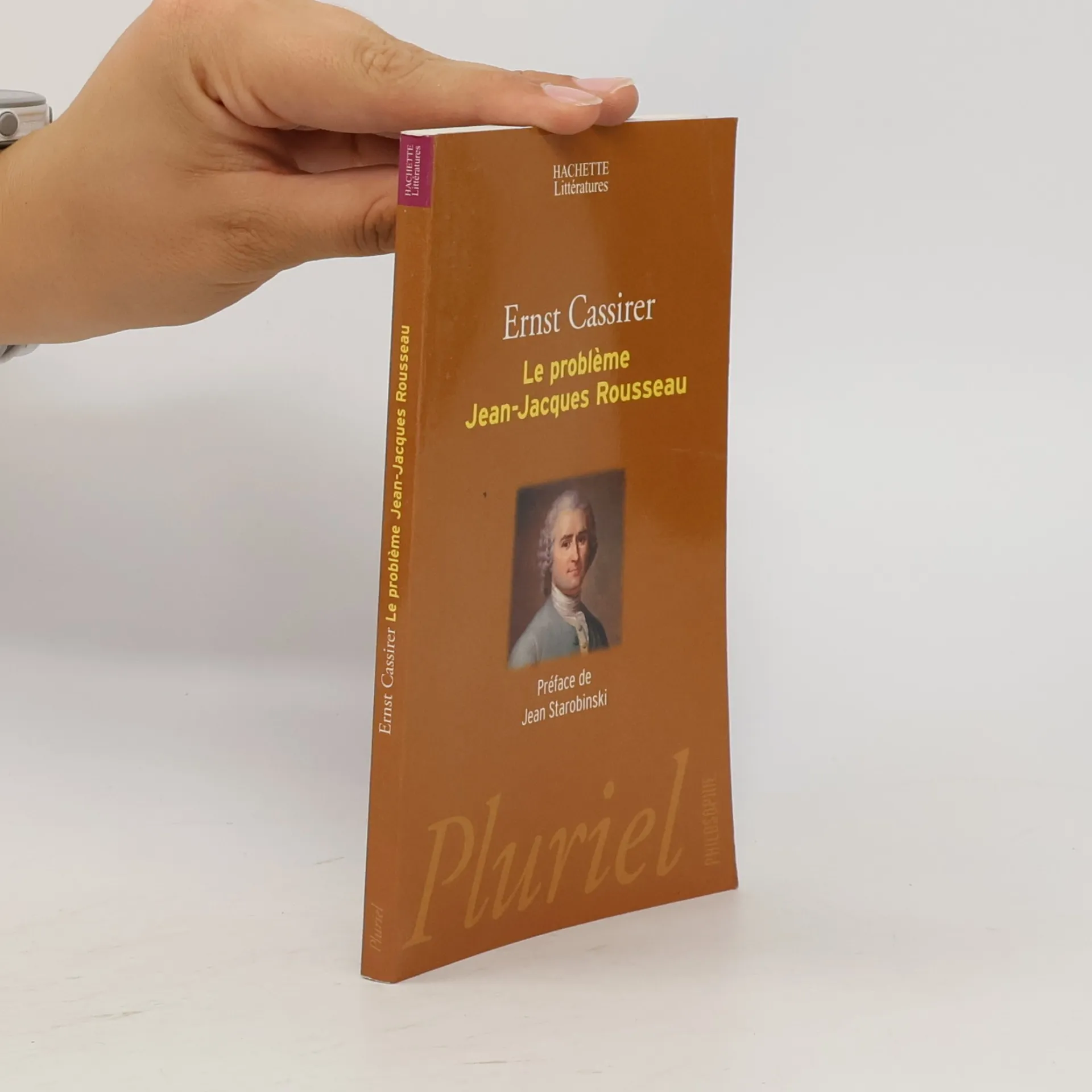
Pluriel: Le problème Jean-Jacques Rousseau
- 131 pages
- 5 hours of reading
Dans cet essai consacré à Rousseau, Cassirer met en lumière le paradoxe central de la pensée du philosophe genevois : " comment le mal et le péché peuvent-ils être imputés à la nature humaine, si celle-ci, dans sa constitution primitive, est libre de tout mal, de tout péché, s'il n'y pas eu de corruption radicale ? " Une analyse rigoureuse des textes, nourrie par une grande érudition, permet à l'auteur de développer cette interrogation en montrant comment, chez Rousseau, la nature sociale de l'homme est ce qui rend compte tant du mal que d'une possibilité de salut qui se situe dans l'horizon du politique. La préface de Jean Starobinski souligne la nouveauté de cette lecture, qui fait de Rousseau, concevant l'ordre politique et moral comme un ordre autonome, le grand précurseur de notre modernité.
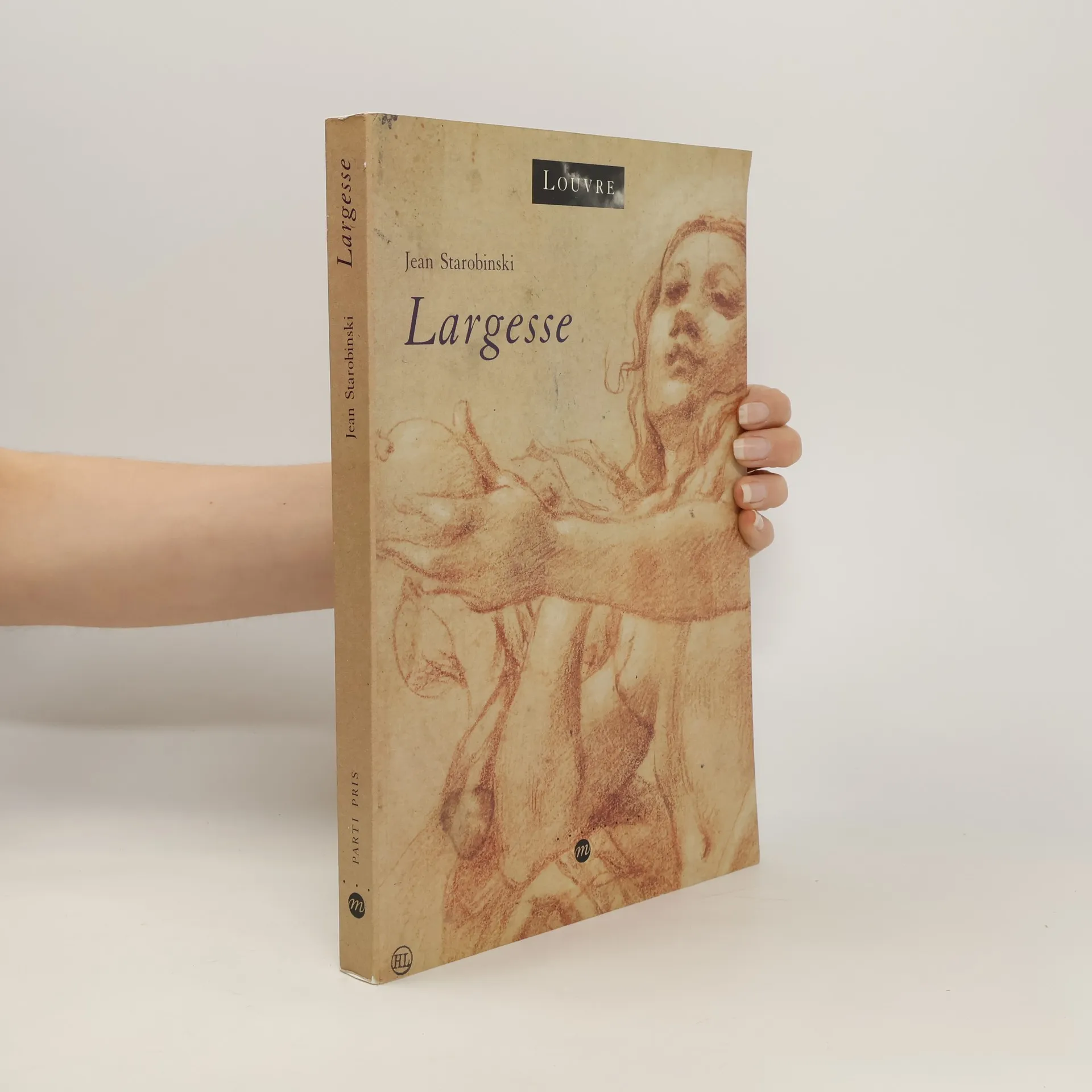
Largesse
- 214 pages
- 8 hours of reading
En 1990, le département des arts graphiques du Louvre a ouvert ses collections à des commissaires invités dans le cadre d'un programme appelé Parti Pris. Dans ce programme, des figures culturelles majeures, en dehors de la discipline de l'histoire de l'art, ont organisé des expositions basées sur la collection du département. Jean Starobinski, critique littéraire et historien intellectuel de l'Université de Genève, a été sélectionné comme le troisième commissaire du programme. Dans son exposition et l'essai qui l'accompagne, Starobinski explore le thème de la largesse dans son sens le plus large. Soutenant que le don et la réception sont des gestes humains fondamentaux, il examine des représentations graphiques et textuelles allant de l'offrande de la pomme à Ève au don de la tête de Jean-Baptiste par Salomé, en passant par le don des lois et le don de la mort. La charité, le don poétique et les bienfaits de la Fortune jouent tous un rôle dans la méditation prolongée de Starobinski sur l'acte de donation. Largesse est un exemple du riche travail intellectuel qui peut résulter du croisement des frontières disciplinaires et de la considération de l'histoire comme un réseau dense de thèmes et d'allusions.
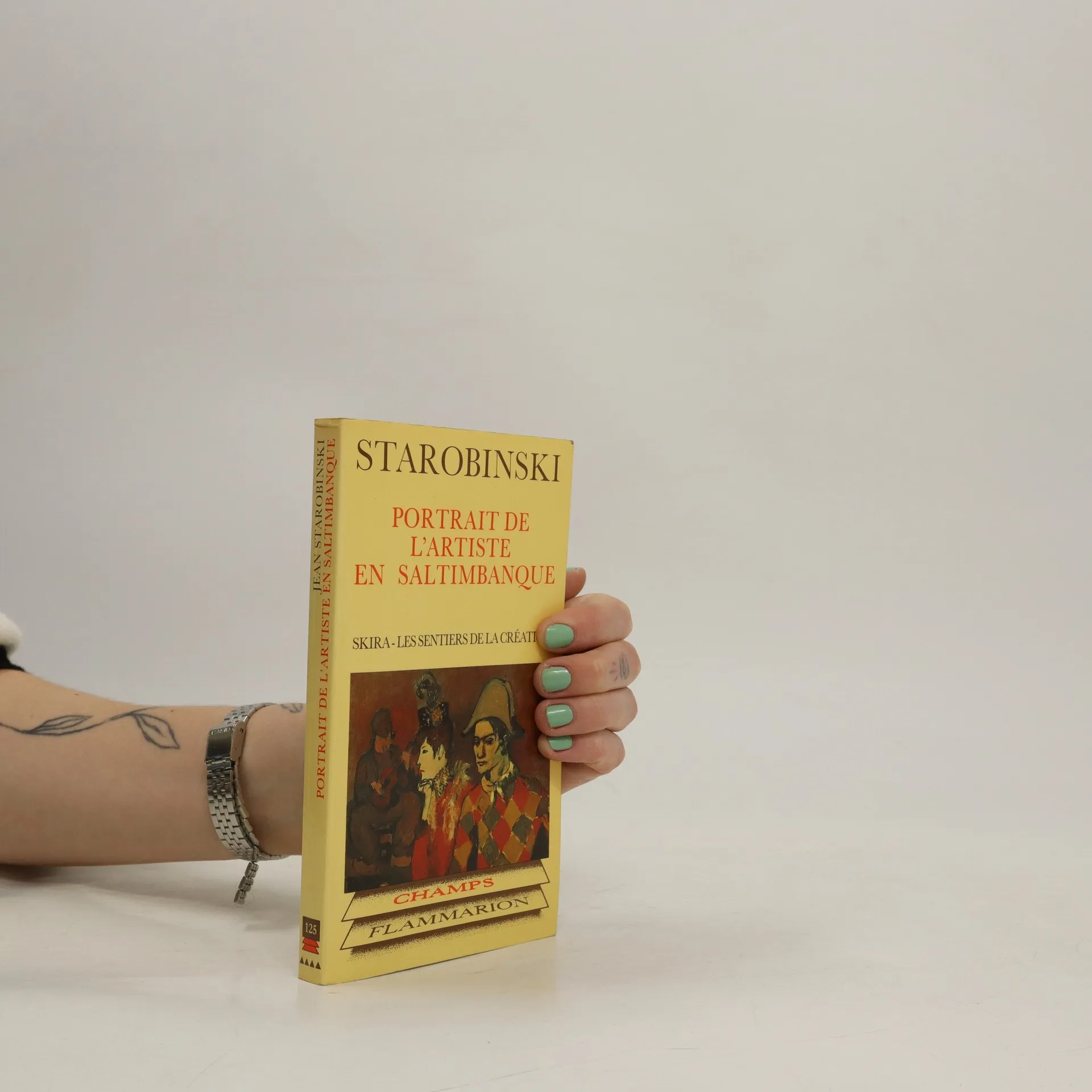
Portrait de l'artiste en saltimbanque
- 147 pages
- 6 hours of reading
Depuis une centaine d'années plus particulièrement, les artistes ne sont plu à donner une interprétation d'eux-mêmes et de l'art à travers le jeu ironique du clown et du saltimbanque. Une constante aussi souvent repérée mérite attention
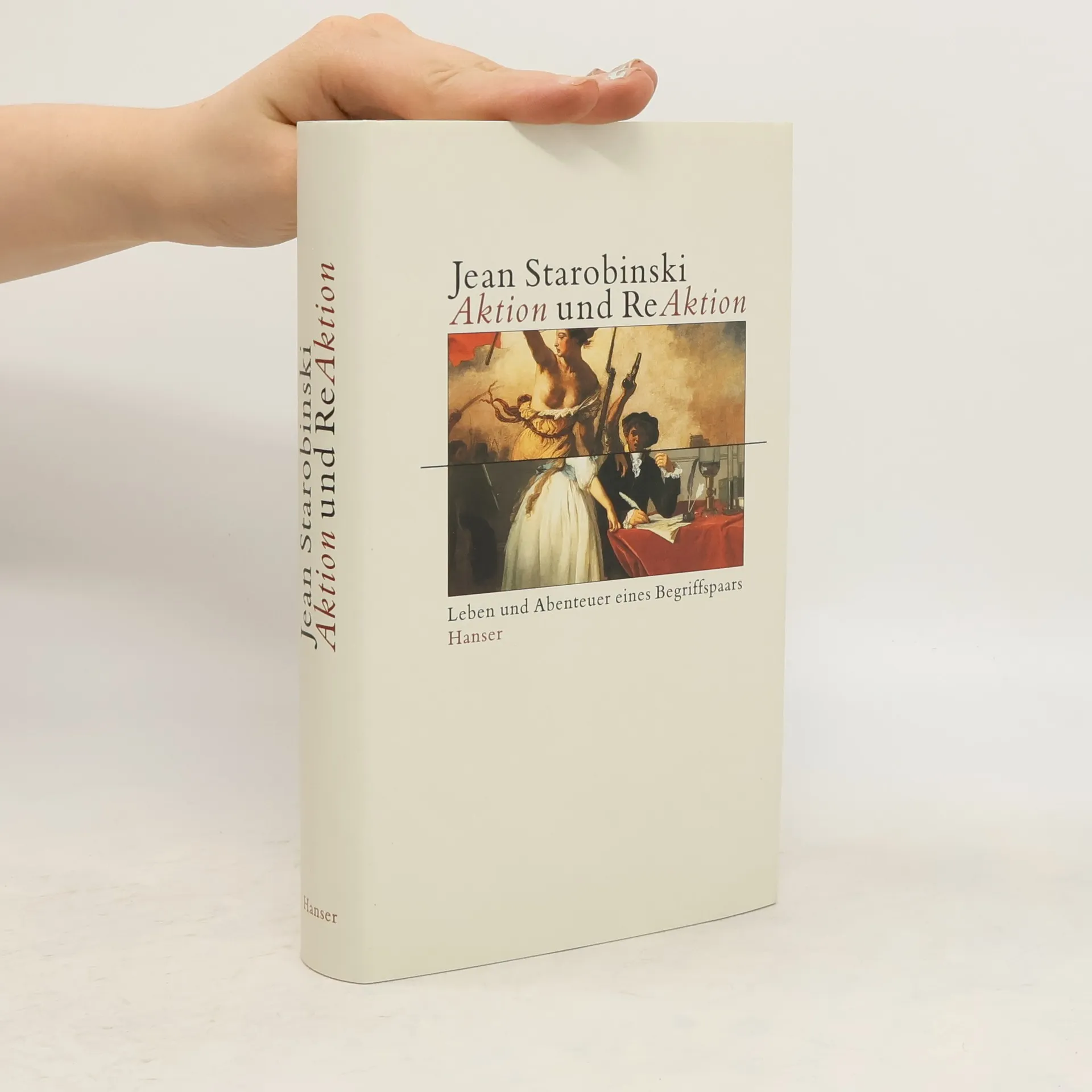
Begriffsgeschichte als Abenteuergeschichte? Ein scheinbar paradoxes Unterfangen. Wenn aber ein Gelehrter vom Format Jean Starobinskis erzählt, wie unsere Vorstellung entstanden ist, dass eine Handlung zwangsläufig eine Reaktion hervorruft, dann entwickelt sich daraus eine Geschichte voller überraschender Querverbindungen und Entwicklungen, die 2000 Jahre europäischen Wissens umspannt.
Gute Gaben, schlimme Gaben
- 193 pages
- 7 hours of reading
Contient : Sehenden Auges lesen : ein Versuch über Jean Starobinski / Horst Günther.
Die Erfindung der Freiheit
- 219 pages
- 8 hours of reading
Jean Starobinski hat mit diesem Buch die Wiederentdeckung eines überraschend modernen Autors gelungen: Michel de Montaigne (1533-1592). Nach vielen Reisen und politischen Unternehmungen zog er sich auf sein Schloss in der französischen Provinz zurück, um zu schreiben. Seine Essais, die der Gattung ihren Namen gaben, sind aufgrund ihrer kompromisslosen Absage an eine geschichtliche Hoffnung von beklemmender Aktualität. Die gegenwärtige Krise kann als Mißtrauen gegenüber der Zukunft gedeutet werden, was Montaigne zu einem frühen Interpreten dieser Zweifel macht. Montaignes Untersuchungsfeld war die Zeitgenossenschaft, wobei er selbst der Ausgangspunkt war: „So bin ich selber, Leser, der einzige Inhalt meines Buches; es ist nicht billig, daß du deine Muße auf einen so eitlen und geringfügigen Gegenstand verwendest.“ Starobinski beleuchtet die großen Themen der Essais und der Lebensreise Montaignes – Freundschaft, Tod, Freiheit, Körper, Liebe, Sprache und öffentliches Leben – und macht deren letzte und reifste Paradoxie transparent: die desjenigen, der seinem „Verstand verbietet, Urteile zu fällen“. Für dieses Buch, das als die vollständigste und unvoreingenommenste Erschließung des Montaignischen Denkens gilt, erhielt Starobinski 1983 den Charles-Veillon-Preis.
Porträt des Künstlers als Gaukler
- 167 pages
- 6 hours of reading
Wörter unter Wörtern
- 138 pages
- 5 hours of reading
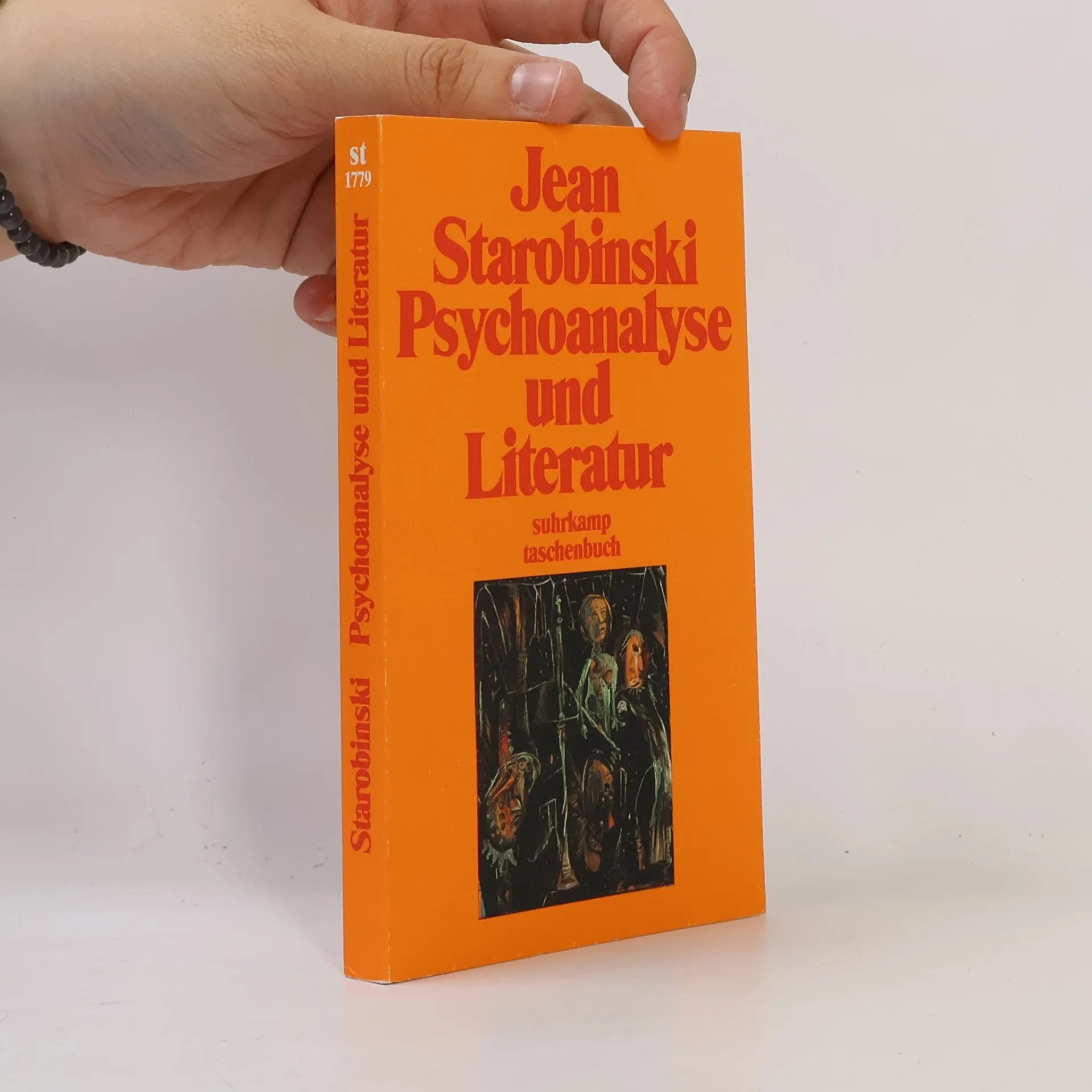
Die vieldiskutierte Frage nach dem Einfluß der psychoanalytischen Theorie auf die Literatur hat der Genfer Germanist Jean Starobinski, einer der wichtigsten Vertreter der psychoanalytisch orientierten Literaturkritik, umgedreht: Welchen Einfluß hatten die literarischen und philosophischen Bildersprachen auf die Herausbildung dieser Theorie und ihre pseudowissenschaftlichen Vorläufer? Mit dieser Fragestellung leistet das Buch ein Doppeltes: dem psychoanalytisch interessierten Leser zeigt es die geistesgeschichtlichen Zusammenhänge der Psychoanalyse, und dem literarisch interessierten Leser öffnet es Einsichten in die psychoanalytischen Implikationen literarischer Fiktion. »Das Buch von Jean Starobinski ist unauffällig skandalös. Es radikalisiert das von Freud immer wieder formulierte Argument, daß eine der Traditionen, aus denen seine Wissenschaft hervorgegangen ist, die Literatur war. Starobinski treibt dieses Argument bis zu dem Punkt, wo die Grenzen zwischen Literatur und Psychoanalyse verschwimmen. Die Psychoanalyse kann deshalb Objekt einer Literaturwissenschaft werden, die - so ist der erste Teil des Buches überschrieben - ›Das Reich des Imaginären‹ erforscht; jedenfalls ist die Psychoanalyse nicht privilegiert bei dieser Erforschung.« Michael Rutschky
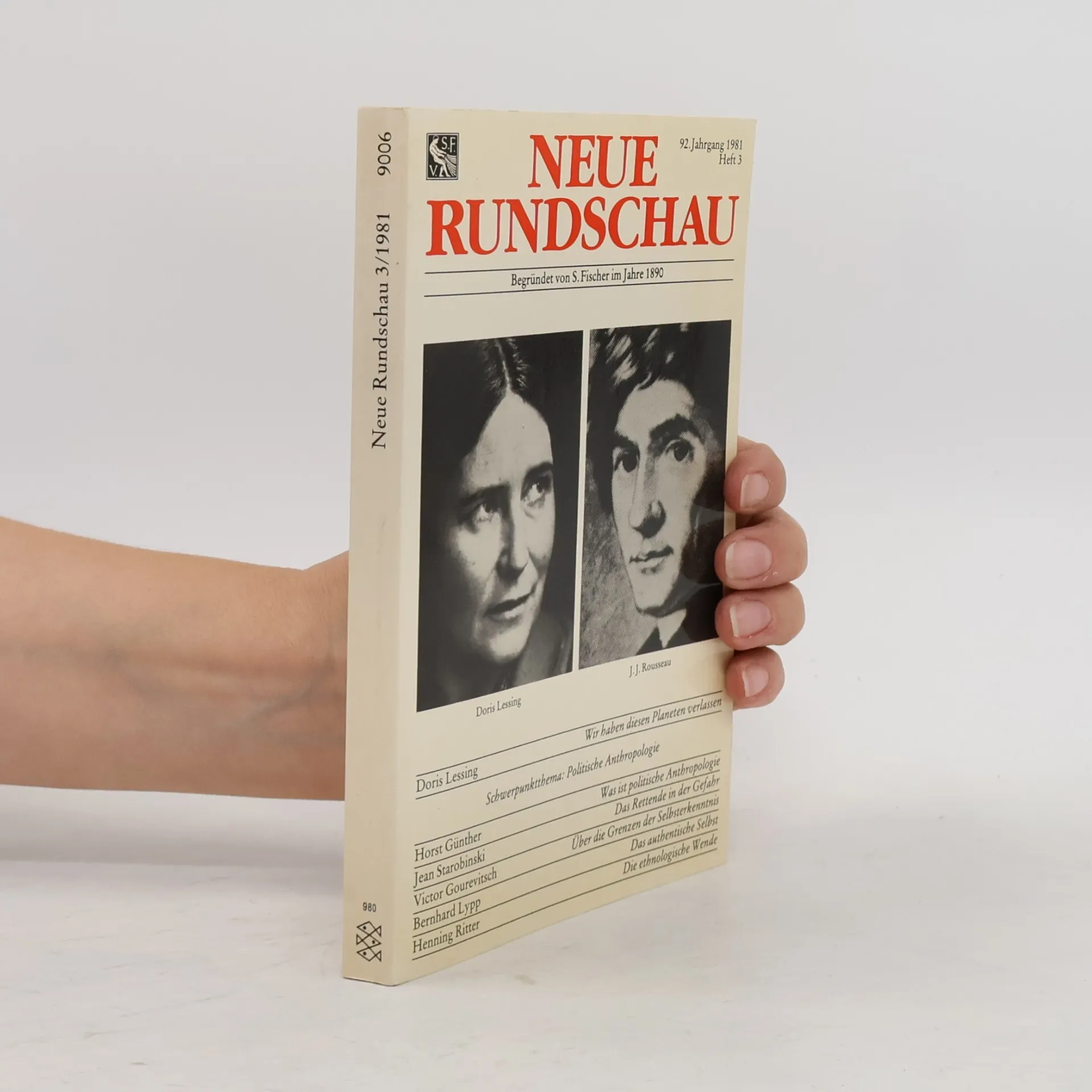
Neue Rundschau
- 174 pages
- 7 hours of reading
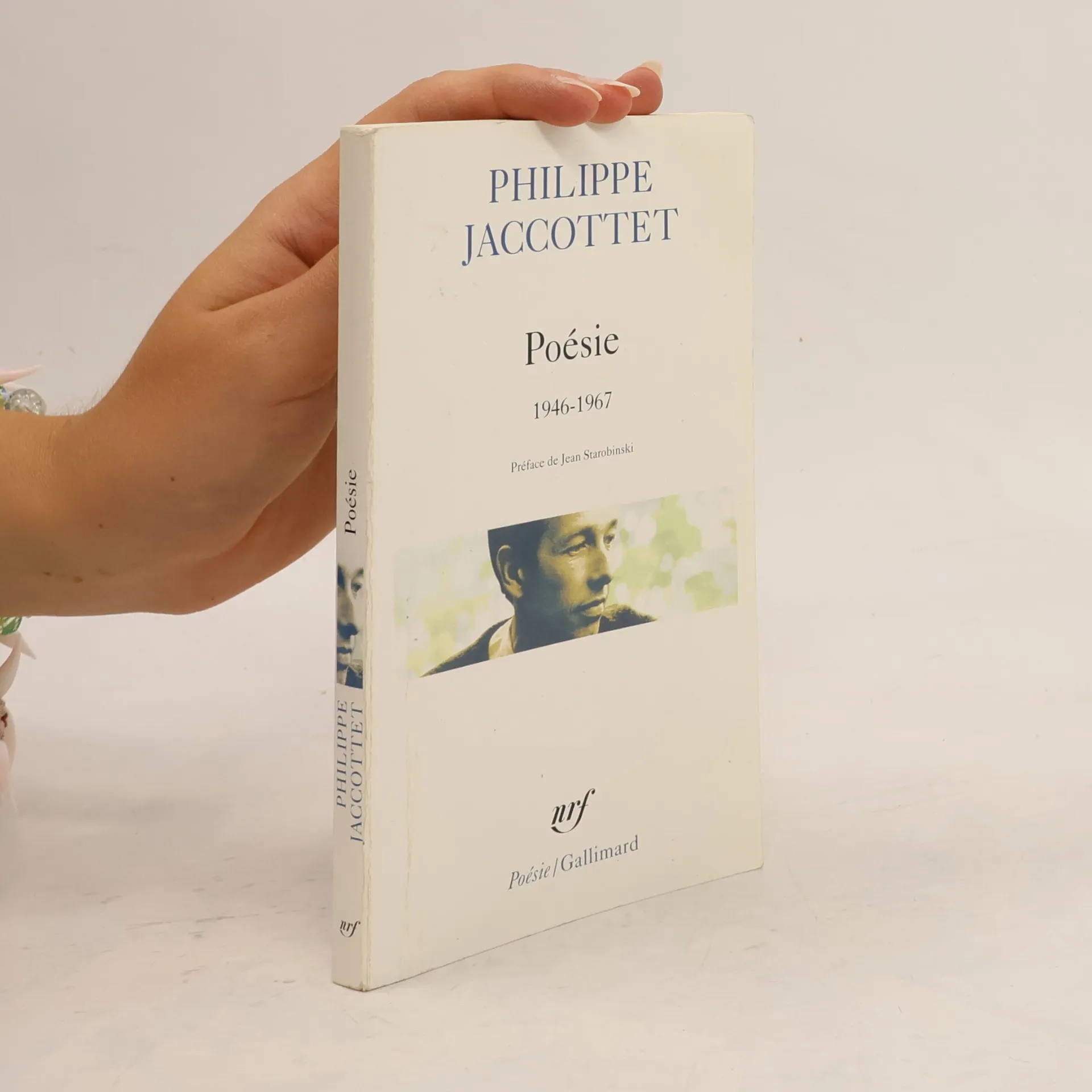
Poésie, 1946-1967
- 190 pages
- 7 hours of reading
Quatrième de couverture:«À l'approche de ces poèmes s'éveille une confiance. Notre regard, passant d'un mot à l'autre, voit se déployer une parole loyale, qui habite le sens, comme la voix juste habite la mélodie. Nulle feinte, nul apprêt, nul masque. Nous pouvons accueillir sans ruse interposée, cette parole qui s'offre à nous sans détour. Un émerveillement, une gratitude nous saisit : la diction poétique, le discours poétique (mais délivré de tout artifice oratoire) sont donc possibles, toujours possibles ! C'est ce dont, à considérer la plupart des productions du jour, il semblait qu'il fallût désespérer, pour ne plus rencontrer que le souvenir brisé de ce que fut la Poésie...»Jean Starobinski.
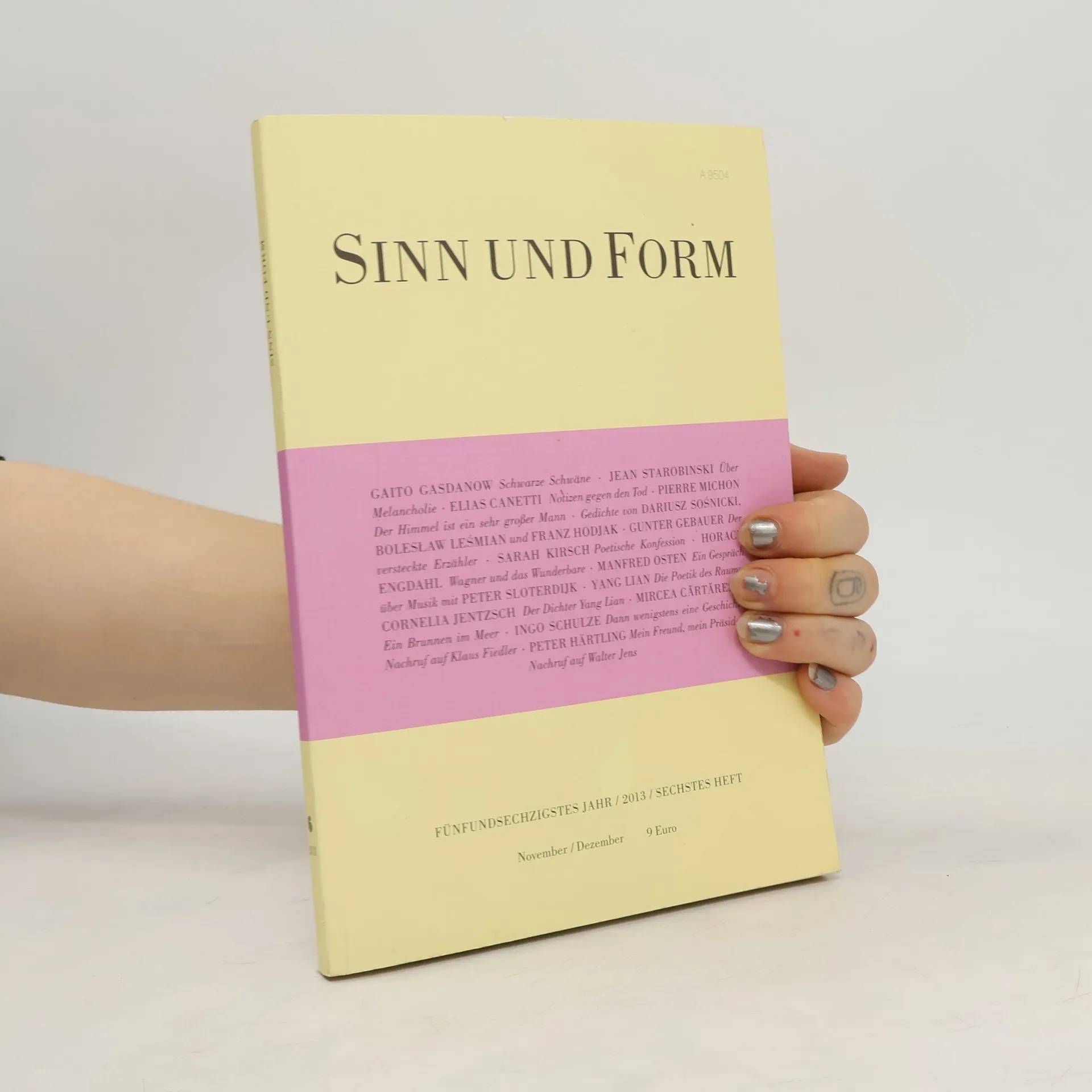
Sinn und Form 6/2013
- 140 pages
- 5 hours of reading
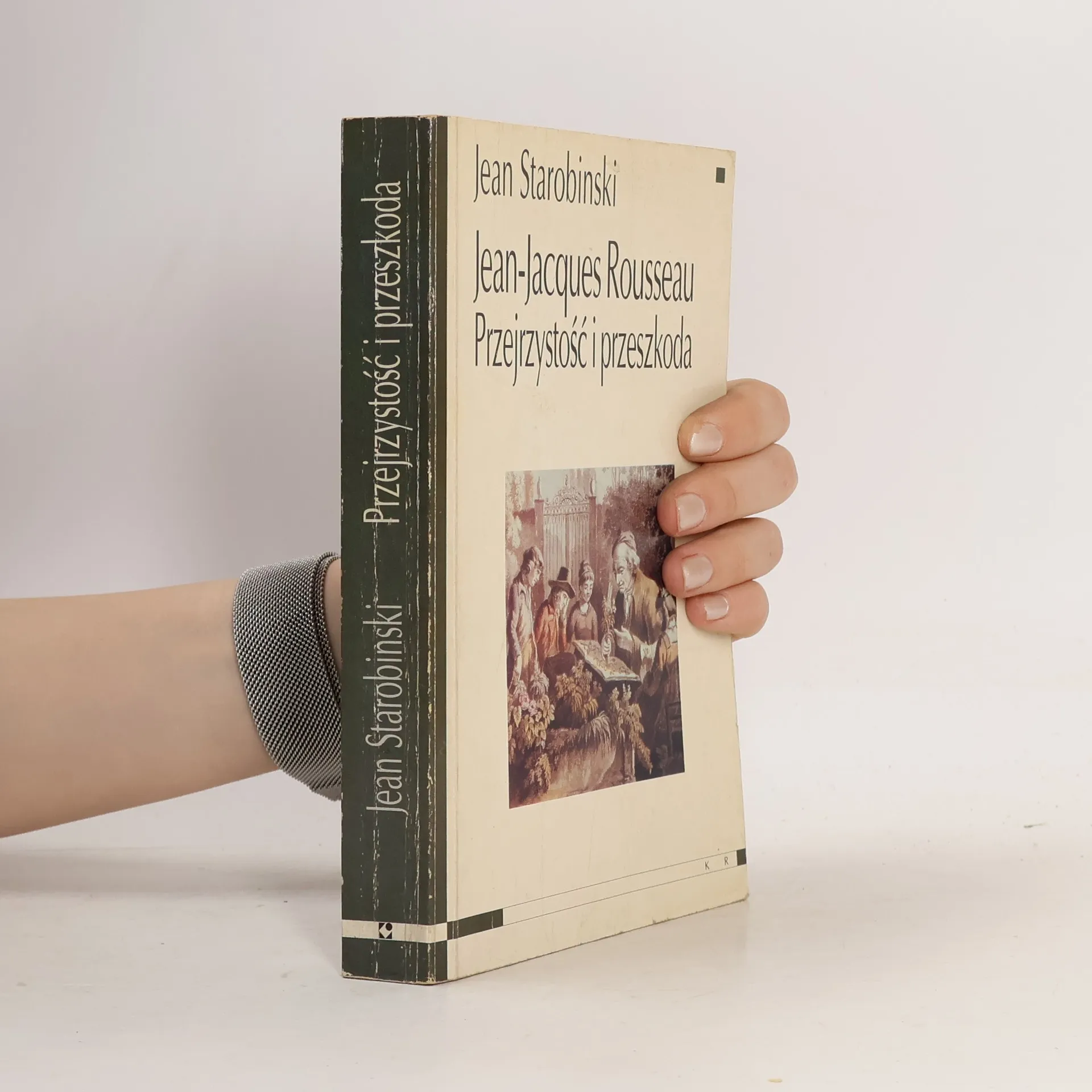
Jean-Jacques Rousseau - Przejrzystość i przeszkoda
Oraz Siedem esejów o Rousseau
- 458 pages
- 17 hours of reading
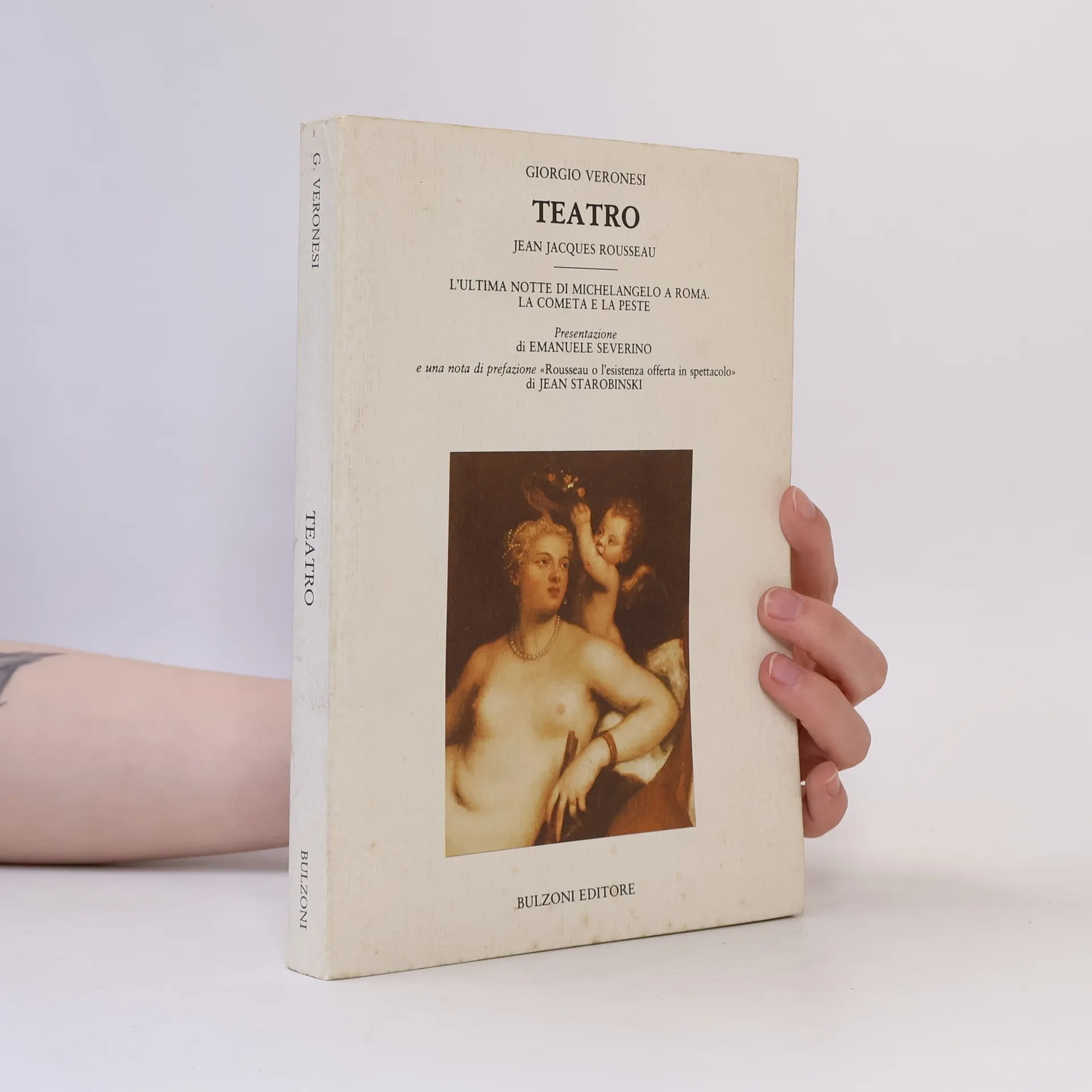
Teatro
- 345 pages
- 13 hours of reading
Italian
Le Grand Theatre de Geneve
- 118 pages
- 5 hours of reading
Table des matiè Préface; Le théâtre de la Réforme; Les origines 1738-1768; La Scène de Neuve 1783-1879; La construction du Grand Théâtre 1875-1879; Le Grand Théâtre 1879-1995; Un théâtre musical; Un siècle de danse; Le décor et son envers; Organisation et rayonnement
Podtitul: Proměny umění a revoluce. V dnes již klasické knize rozvíjí Jean Starobinski brilantní úvahy o spojení a souvislosti dvou fenoménů konce osmnáctého století, revoluce a umění.