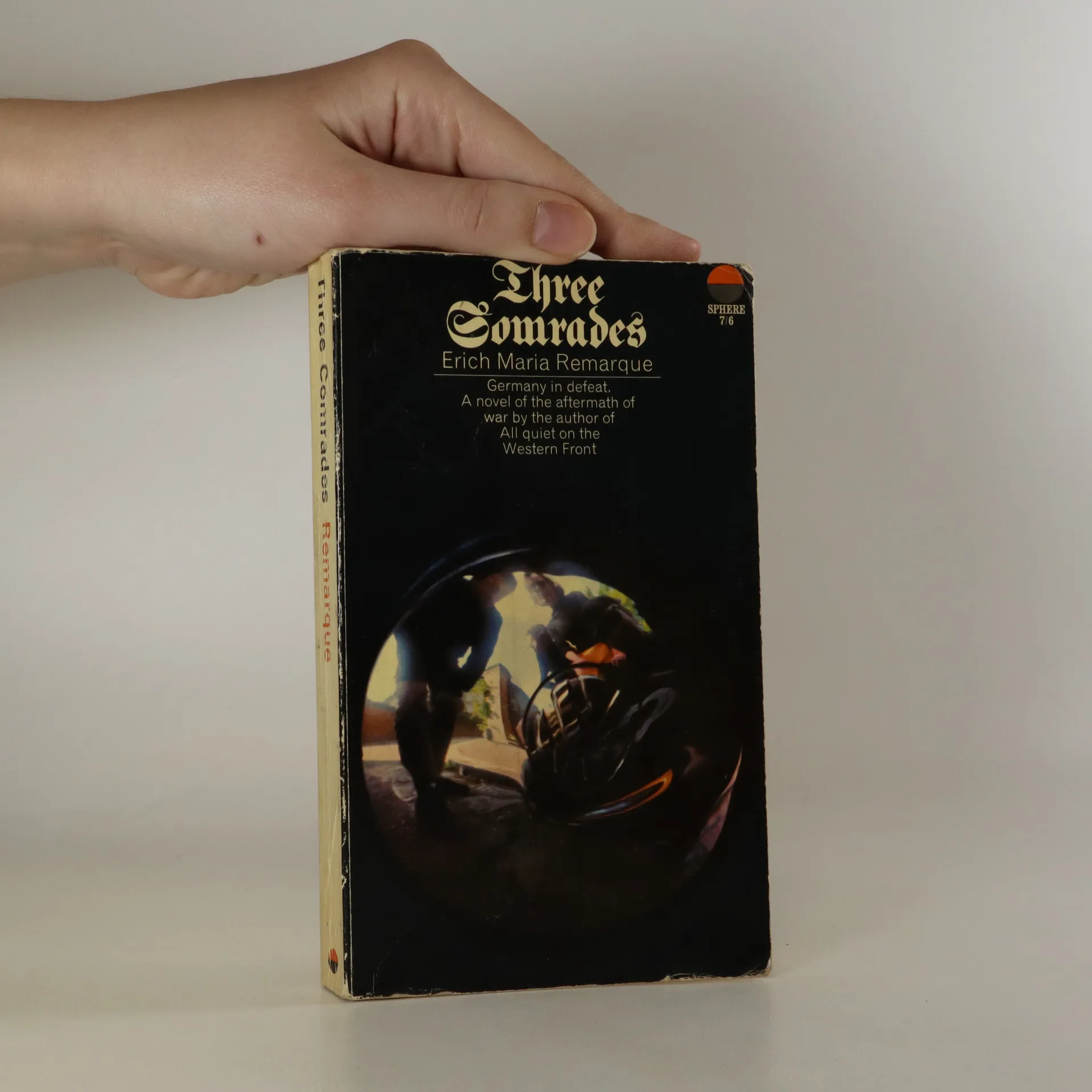
The year is 1928. On the outskirts of a large German city, three young men are earning a thin and precarious living. Fully armed young storm troopers swagger in the streets. Restlessness, poverty, and violence are everywhere. For these three, friendship is the only refuge from the chaos around them. Then the youngest of them falls in love, and brings into the group a young woman who will become a comrade as well, as they are all tested in ways they can never have imagined. . . .Written with the same overwhelming simplicity and directness that made All Quiet on the Western Front a classic, Three Comrades portrays the greatness of the human spirit, manifested through characters who must find the inner resources to live in a world they did not make, but must endure.
Ervino Pocar Books

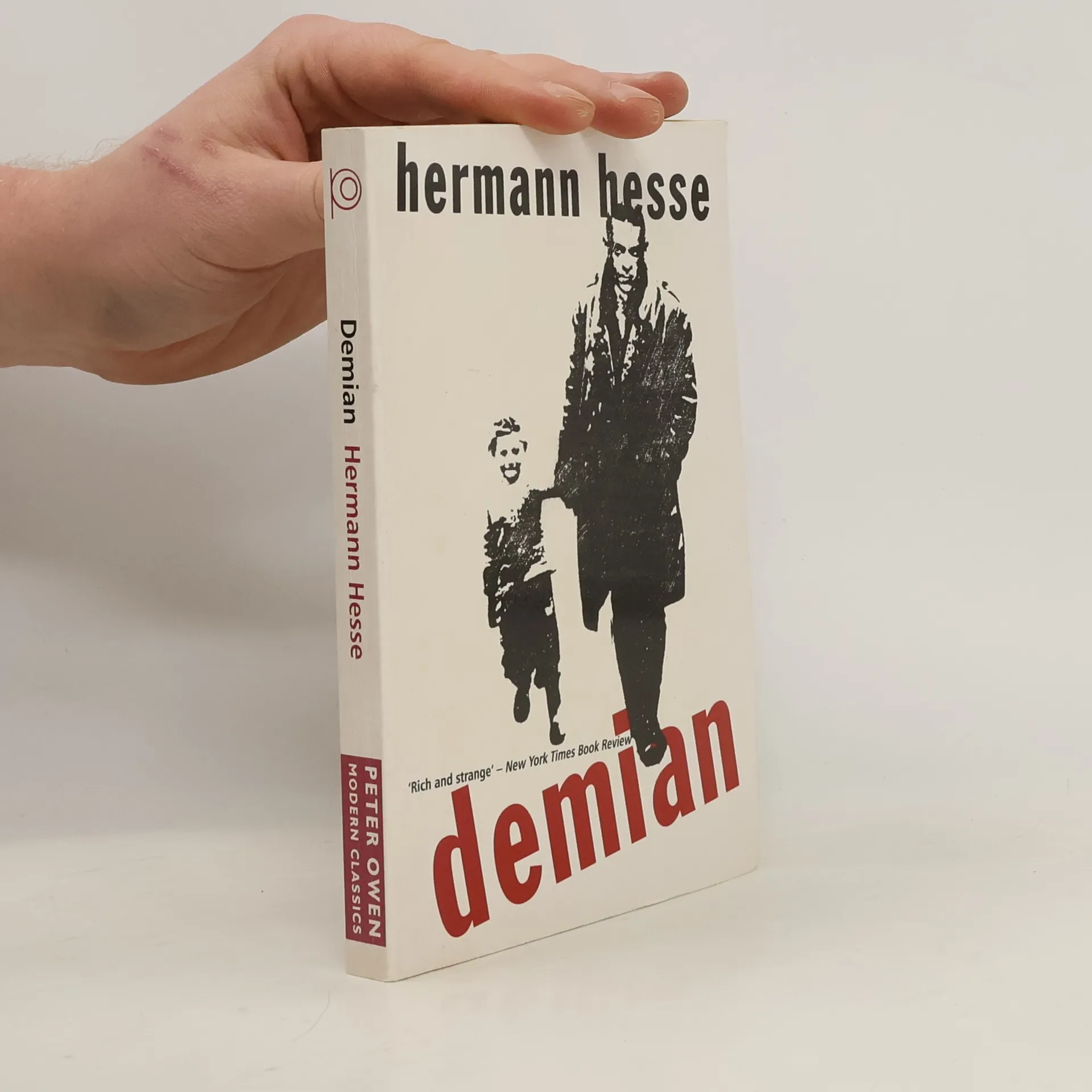
Demian
- 184 pages
- 7 hours of reading
Schoolboy Emil Sinclair boasts of a theft and finds himself blackmailed by a bully. He turns to Max Demain in whom he finds a friend and mentor. Under this strangely self-possessed figure's guidance, Emil discovers a new world of corruption and evil.
Bäume
- 175 pages
- 7 hours of reading
Hermann Hesse, geboren am 2.7.1877 in Calw/Württemberg als Sohn eines baltendeutschen Missionars und der Tochter eines württembergischen Indologen, starb am 9.8.1962 in Montagnola bei Lugano. Er wurde 1946 mit dem Nobelpreis für Literatur, 1955 mit dem Friedenspreis des Deutschen Buchhandels ausgezeichnet. Nach einer Buchhändlerlehre war er seit 1904 freier Schriftsteller, zunächst in Gaienhofen am Bodensee, später im Tessin. Er ist einer der bekanntesten deutschen Autoren des 20. Jahrhunderts.
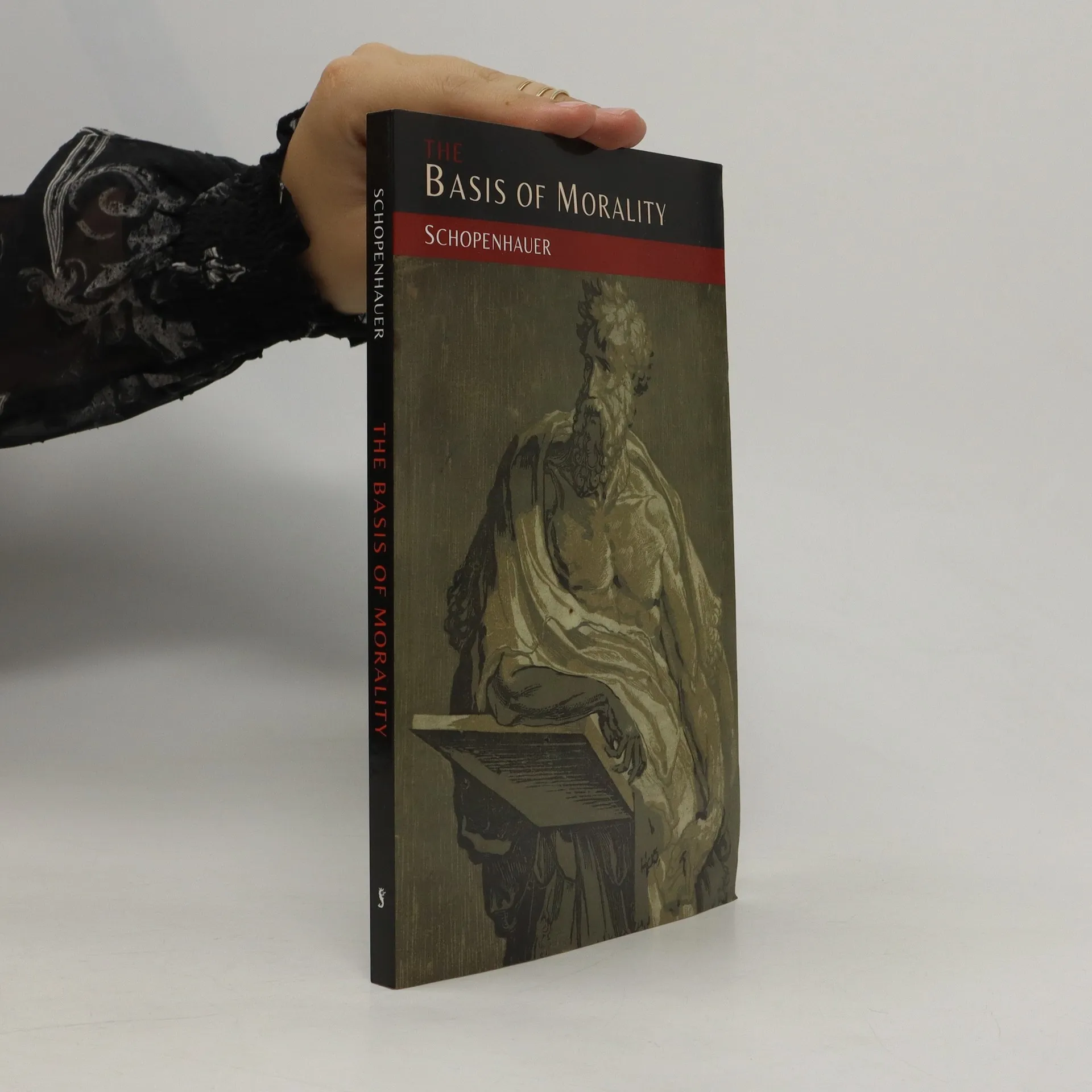
2015 Reprint of 1915 Edition. "The Basis of Morality" is one of Arthur Schopenhauer's major works in ethics, in which he argues that morality stems from compassion. Schopenhauer begins with a criticism of Kant's "Groundwork of the Metaphysic of Morals," which Schopenhauer considered to be the clearest explanation of Kantian ethics. Persuasive and humane, this classic of philosophy represents one of the nineteenth century's most significant treatises on ethics. "The Basis of Morality" offers Schopenhauer's fullest examination of traditional ethical themes, and it articulates a descriptive form of ethics that contradicts the rationally based prescriptive theories. Starting with his polemic against Kant's ethics of duty, Schopenhauer anticipates the latter-day critics of moral philosophy. Arguing that compassion forms the basis of morality, he outlines a perspective on ethics in which passion and desire correspond to different moral characters, behaviors, and worldviews. In conclusion, Schopenhauer defines his metaphysics of morals, employing Kant's transcendental idealism to illustrate both the inter-connectedness of being and the affinity of his ethics to Eastern thought.
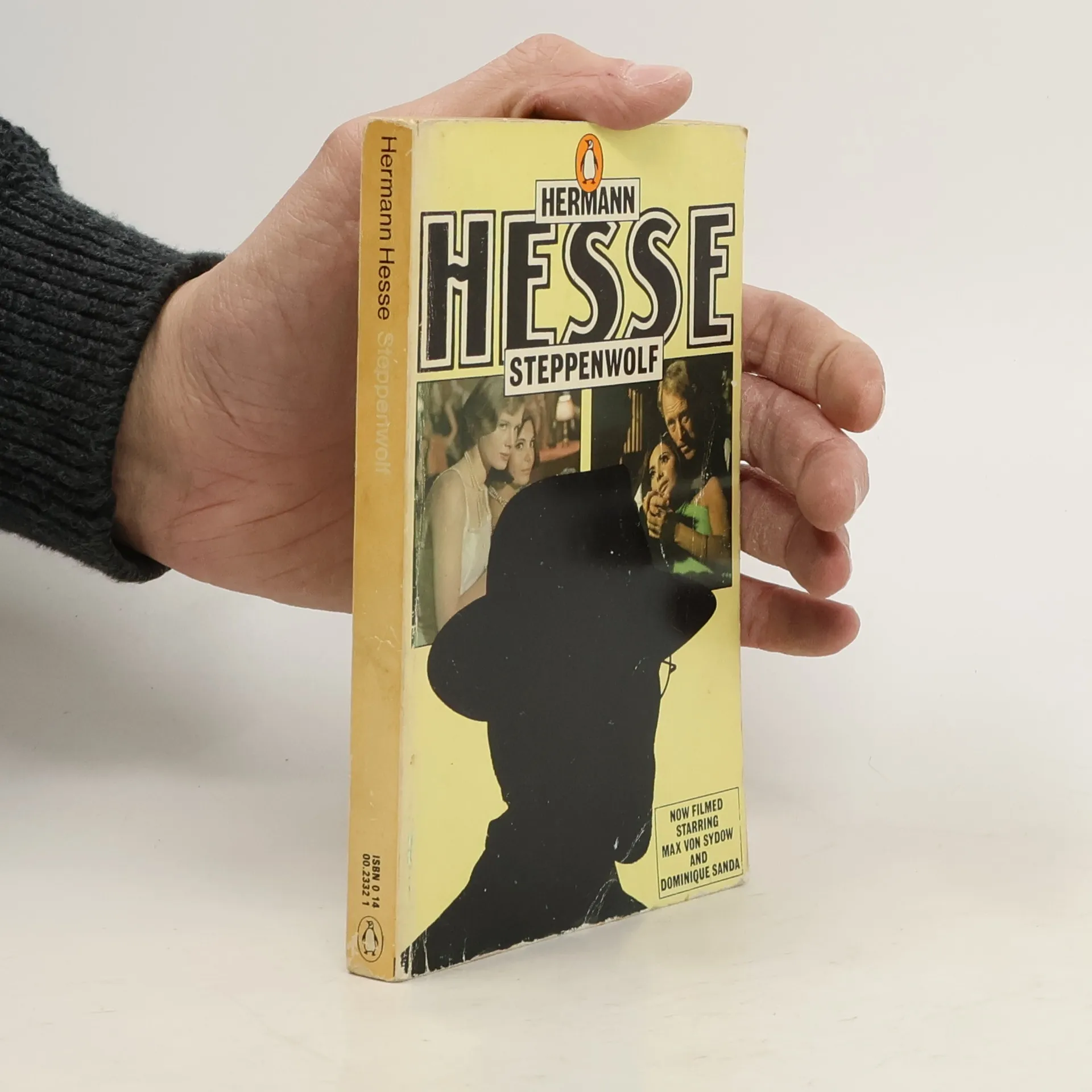
Steppenwolf
- 256 pages
- 9 hours of reading
Steppenwolf is a poetical self-portrait of a man who felt himself to be half-human and half-wolf. This Faust-like and magical story is evidence of Hesse's searching philosophy and extraordinary sense of humanity as he tells of the humanization of a middle-aged misanthrope. Yet this novel can also be seen as a plea for rigorous self-examination and an indictment of the intellectual hypocrisy of the period. As Hesse himself remarked, "Of all my books Steppenwolf is the one that was more often and more violently misunderstood than any other".
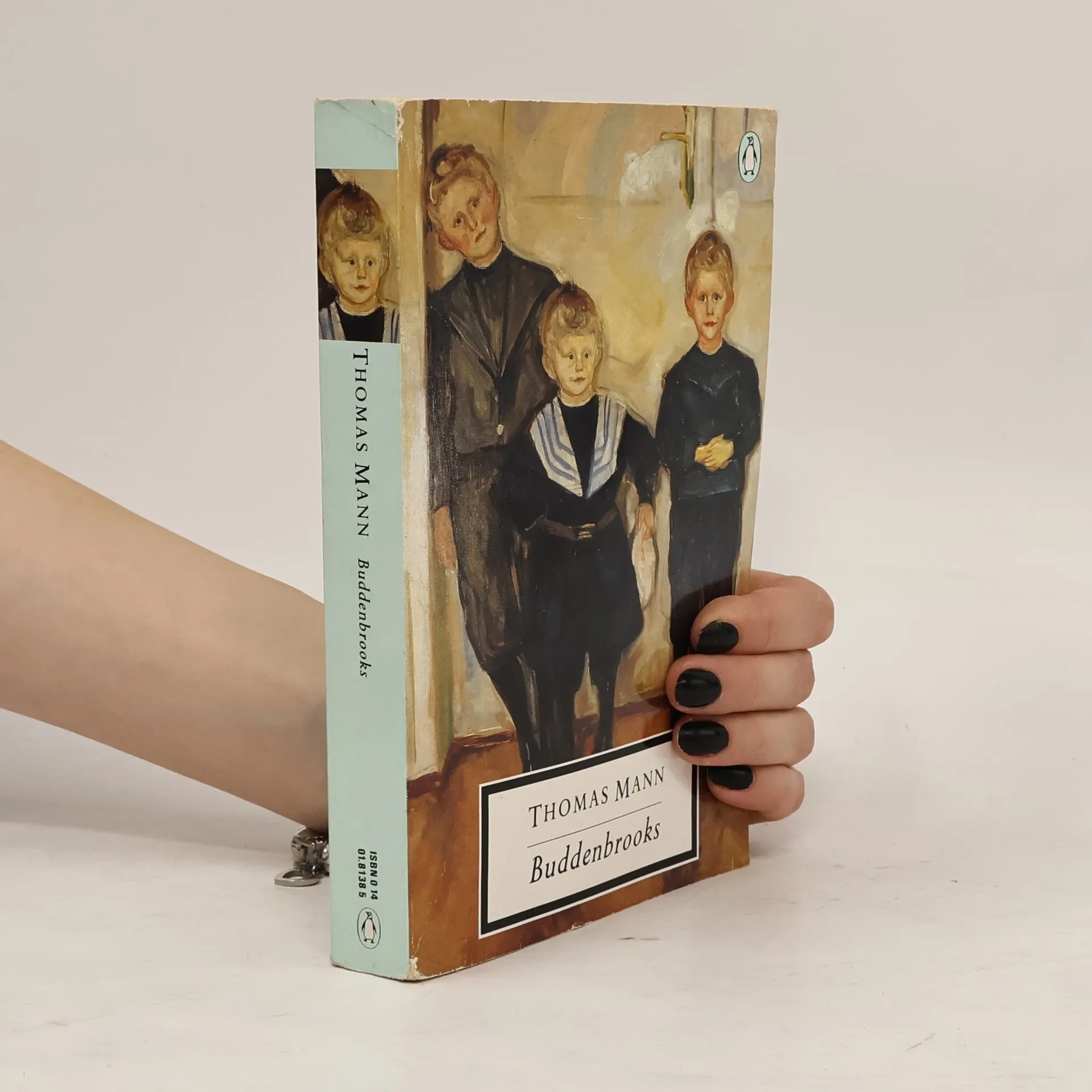
Buddenbrocks
- 592 pages
- 21 hours of reading
Buddenbrooks, first published in Germany in 1901, when Mann was only twenty-six, has become a classic of modern literature. It is the story of four generations of a wealthy bourgeois family in northern Germany facing the advent of modernity; in an uncertain new world, the family’s bonds and traditions begin to disintegrate. As Mann charts the Buddenbrooks’ decline from prosperity to bankruptcy, from moral and psychic soundness to sickly piety, artistic decadence, and madness, he ushers the reader into a world of stunning vitality, pieced together from births and funerals, weddings and divorces, recipes, gossip, and earthy humor. In its immensity of scope, richness of detail, and fullness of humanity, buddenbrooks surpasses all other modern family chronicles. With remarkable fidelity to the original German text, this superb translation emphasizes the magnificent scale of Mann’s achievement in this riveting, tragic novel.
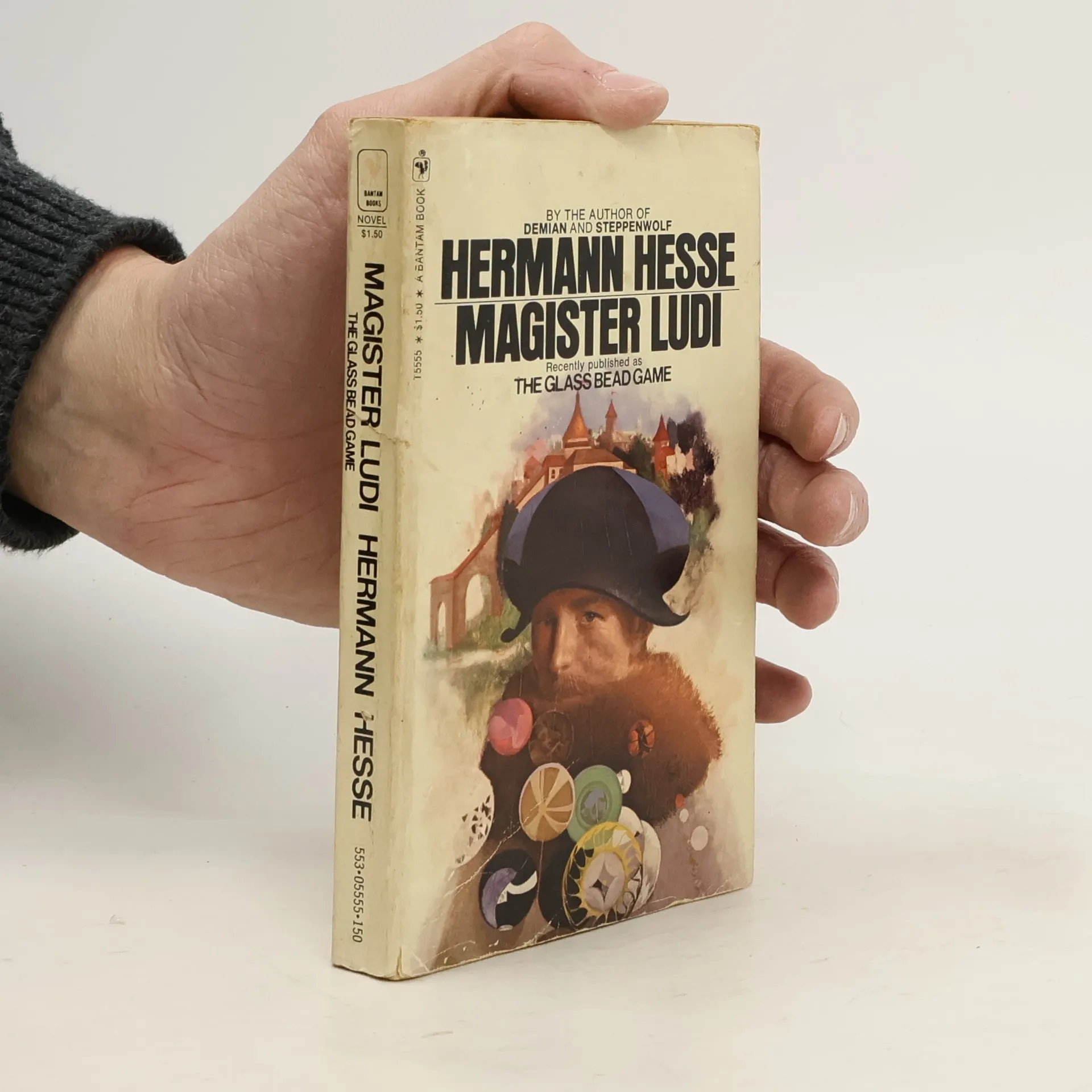
The Title Refers To An Ultra-Aesthetic Game Which Is Played By Scholars In The Kingdom Of Castalia Around The Year 2400. This Game Involves All Branches Of Knowledge, And Spiritual Values - Especially Those Of The East. Hesse'S Longing To Find A Dynamic Fusion Of Mind With Nature Is Set Forth More Penetratingly In This Book Than In Any Other He Wrote. Critics Have Seen In It A Late, Definitive Stage In His Thinking Influenced By The Tragedy Of Europe In The Second World War.
Hölderlins zwischen 1797 und 1800 entstandenes Dramen-Fragment (im Band alle drei Fassungen) behandelt die letzten Tage des griechischen Philosophen Empedokles (um 495 bis um 435 v. Chr.). Über dessen Tod ist nichts bekannt, doch meinten seine Anhänger, er sei entrückt worden, was seine Gegner als Betrugsversuch werteten: Er habe sich in den Vulkan Ätna gestürzt, um seine Spuren zu verwischen. Hölderlin nimmt die Legende für wahr, schreibt also kein Geschichts-Drama, sondern feiert den Philosophen als großen, verkannten Weisen, den Verkünder einer neuen Welt.
Oscar classici moderni - 143: Doctor Faustus
La vita del compositore tedesco Adrian Leverkühn narrata da un amico
- 579 pages
- 21 hours of reading
Opera tra le più significative di Thomas Mann, Doctor Faustus è la tragica storia di Adrian Leverkühn, un musicista tedesco che come Faust ottiene dal demonio anni di meravigliosa attività intellettuale in cambio della dannazione eterna. Scritto alla fine della Seconda guerra mondiale e nell'immediato dopoguerra, il romanzo dà voce all'atmosfera disperata di quella che fu la catastrofe della Germania. Intorno alla narrazione principale, che abbraccia tre generazioni, si muove un mondo di personaggi presentati con la sapiente maestria di un grande stilista, con accorata pietà o con mordente ironia, mentre alla trama centrale si annodano digressioni che spaziano nei campi della musica, della filosofia, della scienza.
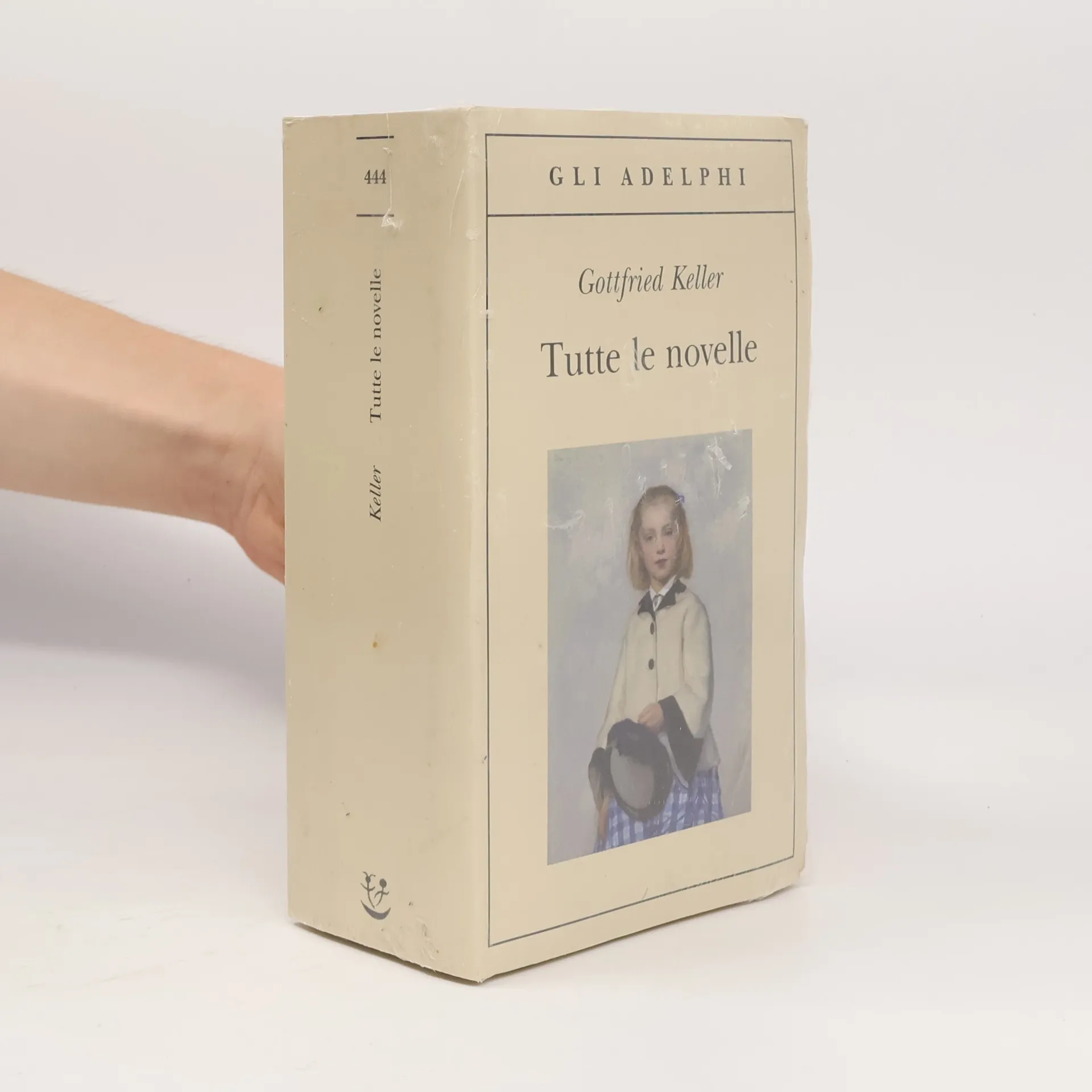
Gli Adelphi - 444: Tutte le novelle
- 1266 pages
- 45 hours of reading
«Più ancora che nei romanzi, Keller si rivelò artista di prima grandezza nei racconti, che ora hanno visto la luce in Italia in una splendida e completa raccolta pubblicata dalla casa editrice Adelphi. Novelle ricche di humour, di invenzione fantastica, di grazia fiabesca e di acutezza realistica ... In queste novelle, magnificamente tradotte e presentate, palpita la dimensione più alta, più aperta della narrativa tedesca di quegli anni».Claudio Magris