
Explore the latest books of this year!
Bookbot

Ervino Pocar

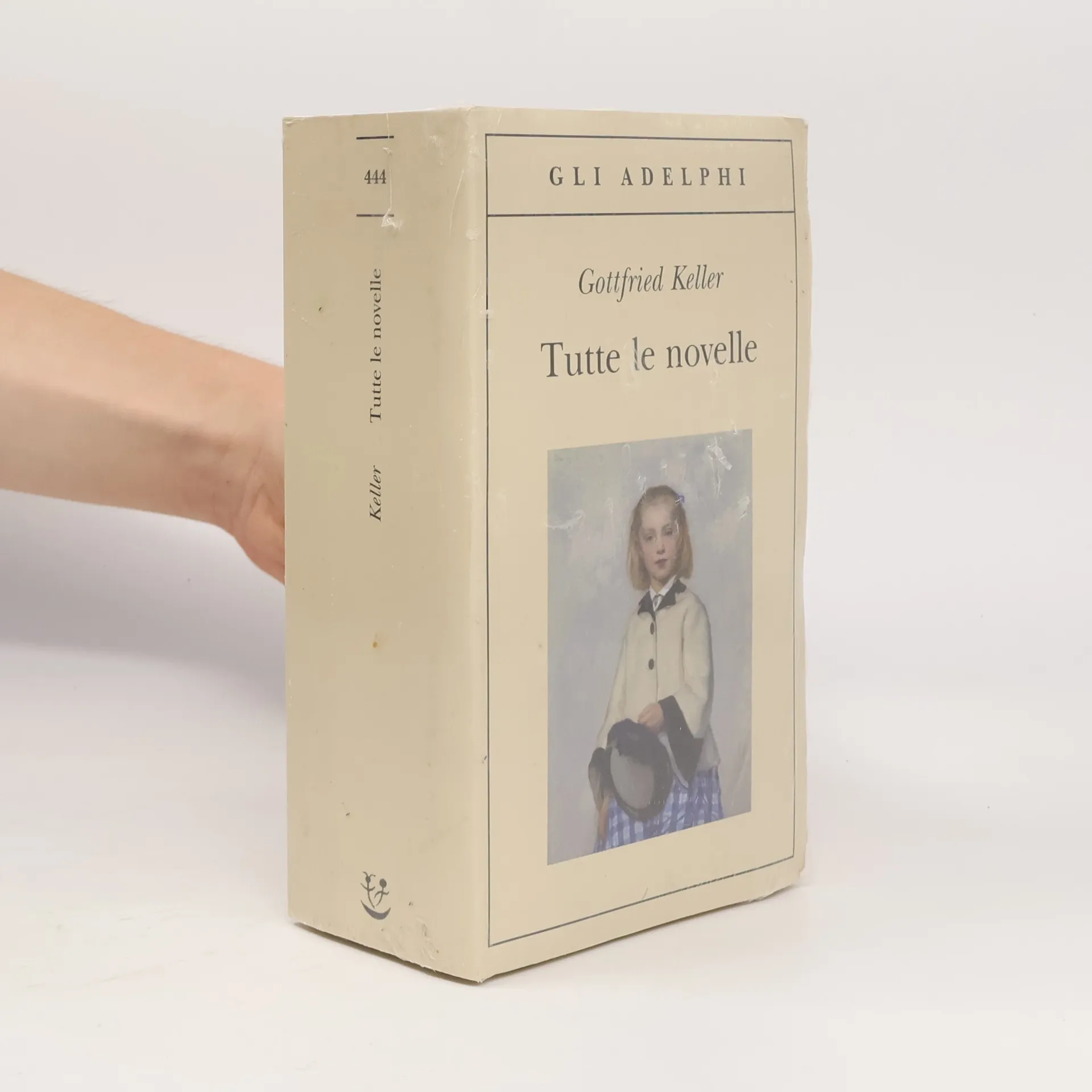
    Oscar classici moderni - 158: Il giuoco delle perle di vetro
    Oscar classici moderni - 143: Doctor Faustus
    Buddenbrocks
    Steppenwolf
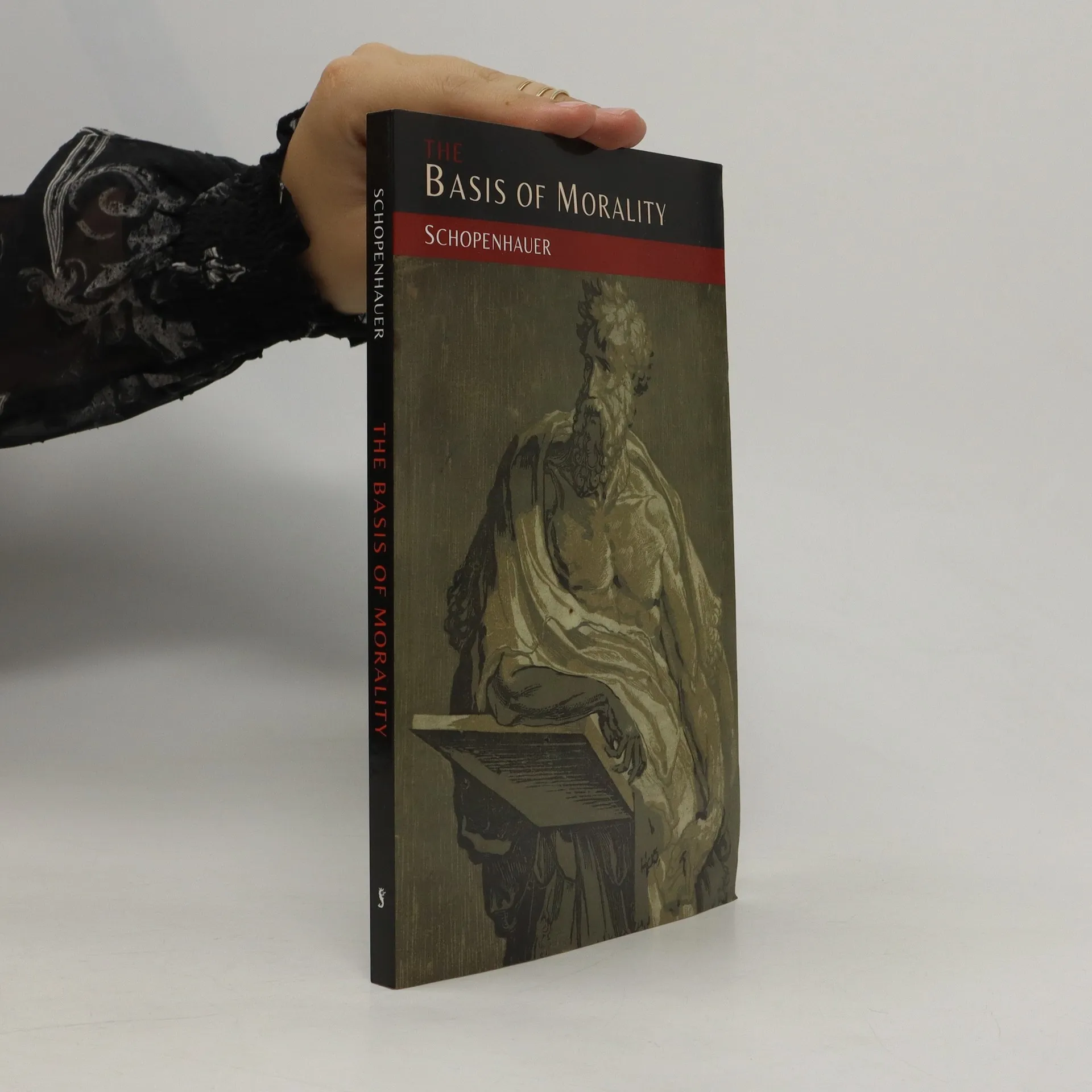
    The Basis of Morality
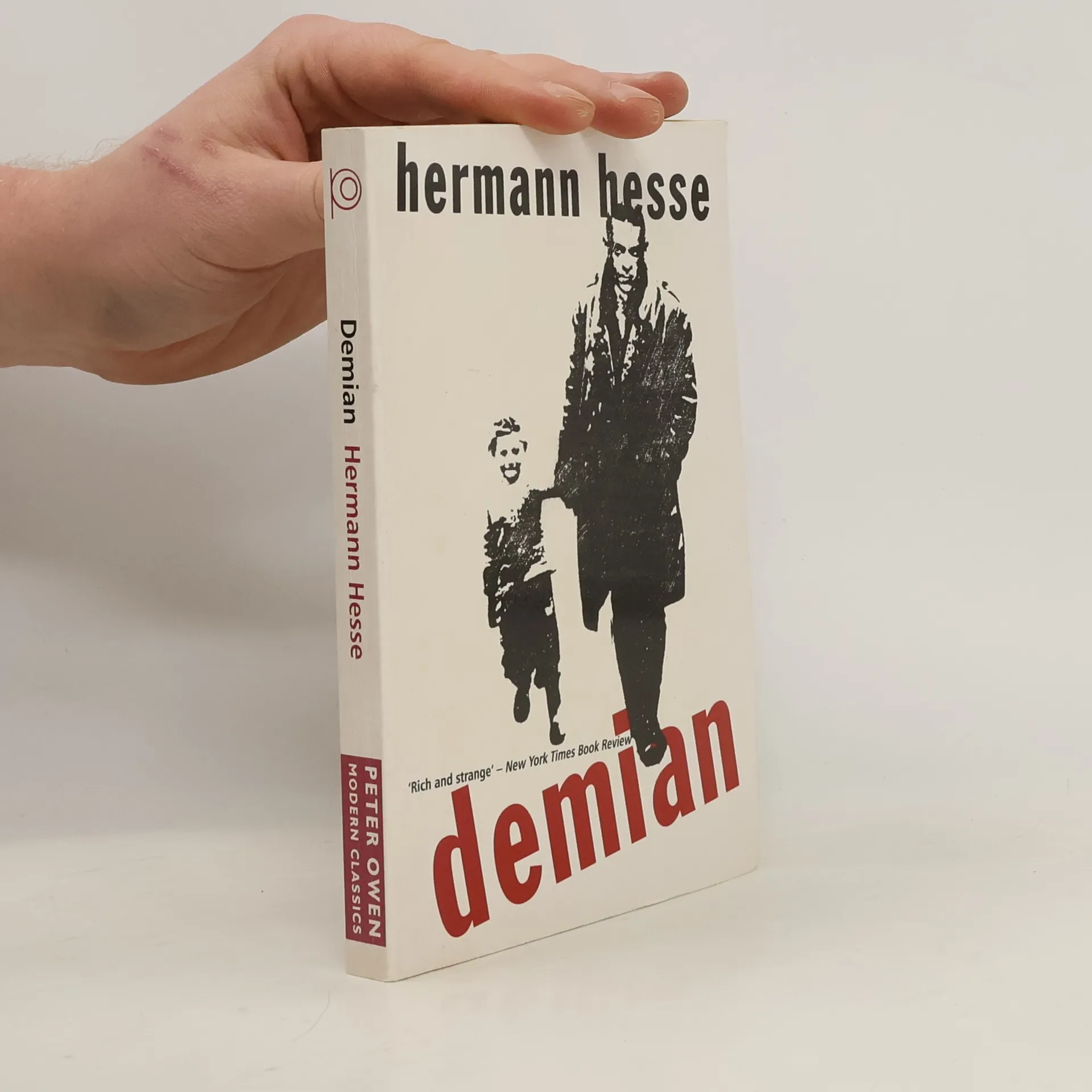
    Demian
    • 2015 Reprint of 1915 Edition. "The Basis of Morality" is one of Arthur Schopenhauer's major works in ethics, in which he argues that morality stems from compassion. Schopenhauer begins with a criticism of Kant's "Groundwork of the Metaphysic of Morals," which Schopenhauer considered to be the clearest explanation of Kantian ethics. Persuasive and humane, this classic of philosophy represents one of the nineteenth century's most significant treatises on ethics. "The Basis of Morality" offers Schopenhauer's fullest examination of traditional ethical themes, and it articulates a descriptive form of ethics that contradicts the rationally based prescriptive theories. Starting with his polemic against Kant's ethics of duty, Schopenhauer anticipates the latter-day critics of moral philosophy. Arguing that compassion forms the basis of morality, he outlines a perspective on ethics in which passion and desire correspond to different moral characters, behaviors, and worldviews. In conclusion, Schopenhauer defines his metaphysics of morals, employing Kant's transcendental idealism to illustrate both the inter-connectedness of being and the affinity of his ethics to Eastern thought.

      The Basis of Morality2004
      4.2
    • Oscar classici moderni - 143: Doctor Faustus

      La vita del compositore tedesco Adrian Leverkühn narrata da un amico

      • 579 pages
      • 21 hours of reading

      Opera tra le più significative di Thomas Mann, Doctor Faustus è la tragica storia di Adrian Leverkühn, un musicista tedesco che come Faust ottiene dal demonio anni di meravigliosa attività intellettuale in cambio della dannazione eterna. Scritto alla fine della Seconda guerra mondiale e nell'immediato dopoguerra, il romanzo dà voce all'atmosfera disperata di quella che fu la catastrofe della Germania. Intorno alla narrazione principale, che abbraccia tre generazioni, si muove un mondo di personaggi presentati con la sapiente maestria di un grande stilista, con accorata pietà o con mordente ironia, mentre alla trama centrale si annodano digressioni che spaziano nei campi della musica, della filosofia, della scienza.

      Oscar classici moderni - 143: Doctor Faustus2001
      4.0
    • This edition contains: -A translation into Spanish of the German play Der Tod des Empedokles (1846) by Friedrich Hölderlin. - A commentary of the play. -Translation into Spanish of a number of poems by the same author. Translations and commentary are done by Carmen Bravo-Villasante.

      La morte di Empedocle: Con testo a fronte1998
      3.0
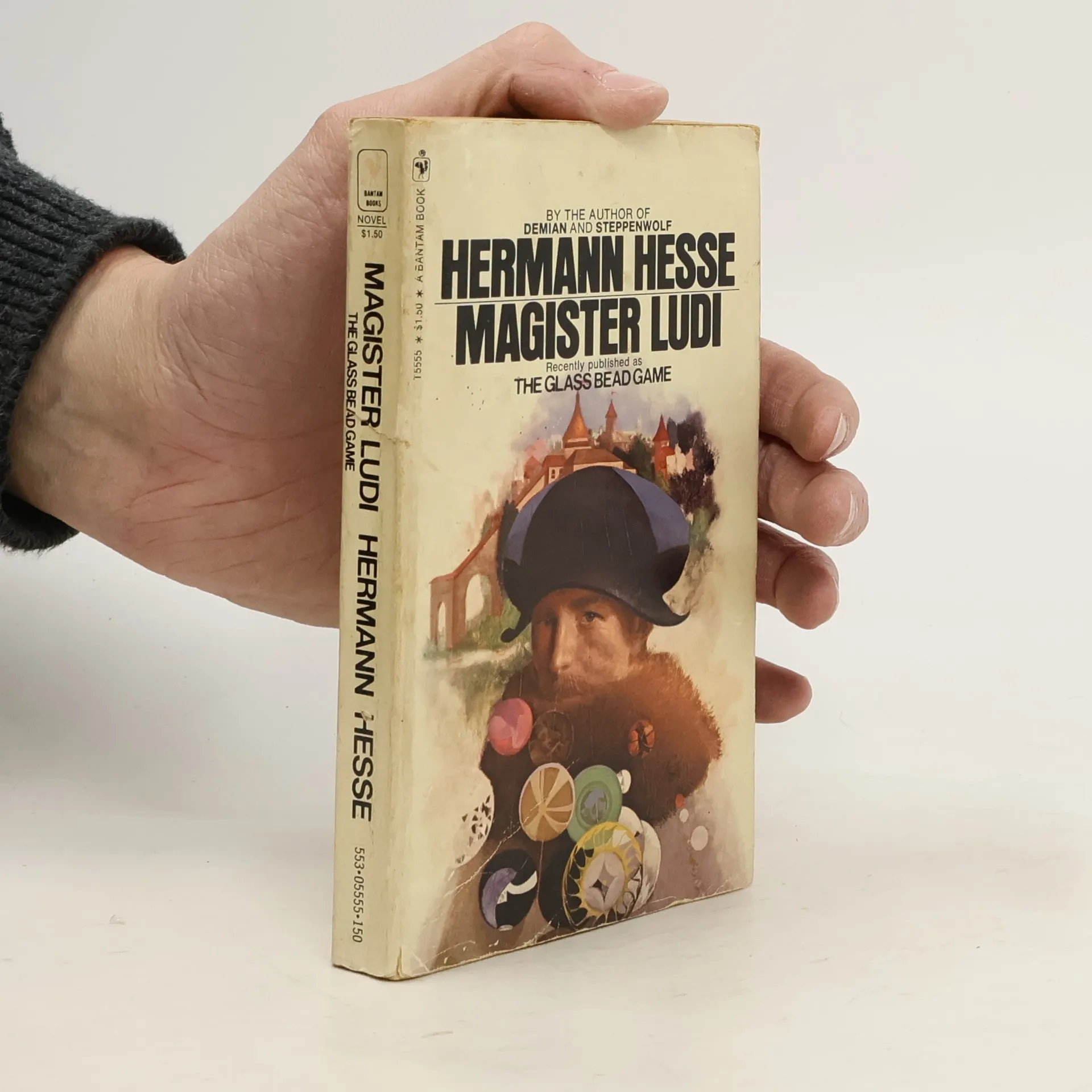
    • Il romanzo esplora un ordine monastico di intellettuali situato nella regione immaginaria di "Castalia" in un futuro remoto, narrato da uno storico dell'epoca. Il mondo contemporaneo è descritto come un passato decadente. La vita dei monaci unisce ritualità occidentale e orientale. La storia ruota attorno a Josef Knecht, un orfano le cui doti musicali lo portano a Castalia, dove accede a scuole per l'élite dei giocatori di perle. Il suo nome, che significa "servitore" in tedesco, riflette la sua natura che colpisce insegnanti e amici, portando a riconoscimenti eccezionali. Crescendo, Josef assume compiti diplomatici cruciali per la comunità di Castalia, difendendo la legittimità della regione in dibattiti con uomini del mondo esterno. Attraverso queste interazioni, sviluppa una visione del rapporto tra Castalia e il mondo esterno. La sua sensibilità e padronanza del Giuoco lo portano a diventare Magister Ludi, la carica più prestigiosa, ma con il tempo avverte il peso di questa responsabilità e il richiamo alla libertà. Desiderando insegnare musica, decide di rinunciare al suo ruolo, rompendo una tradizione secolare. Questo atto preannuncia la decadenza di Castalia. Allontanandosi, si dedica all'educazione del giovane Tito, ma la vita al di fuori della sua regione lo sorprende. In un finale drammatico, dopo aver assaporato la libertà, Knecht perde la vita in una sfida di nuoto nel lago di Belpunt.

      Oscar classici moderni - 158: Il giuoco delle perle di vetro1997
    • Steppenwolf

      • 256 pages
      • 9 hours of reading

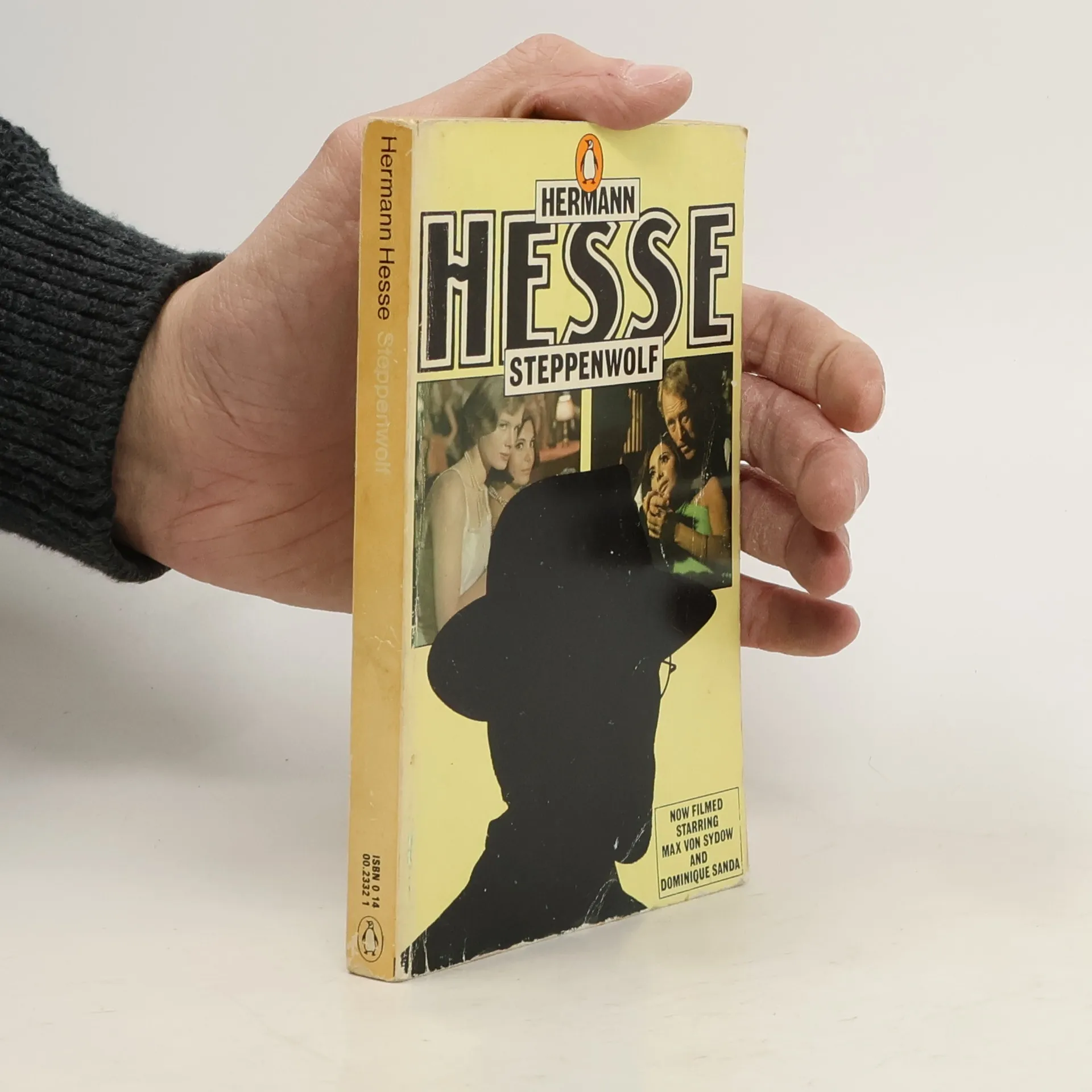
      Steppenwolf is a poetical self-portrait of a man who felt himself to be half-human and half-wolf. This Faust-like and magical story is evidence of Hesse's searching philosophy and extraordinary sense of humanity as he tells of the humanization of a middle-aged misanthrope. Yet this novel can also be seen as a plea for rigorous self-examination and an indictment of the intellectual hypocrisy of the period. As Hesse himself remarked, "Of all my books Steppenwolf is the one that was more often and more violently misunderstood than any other".

      Steppenwolf1996
      4.2
    • Buddenbrocks

      • 592 pages
      • 21 hours of reading

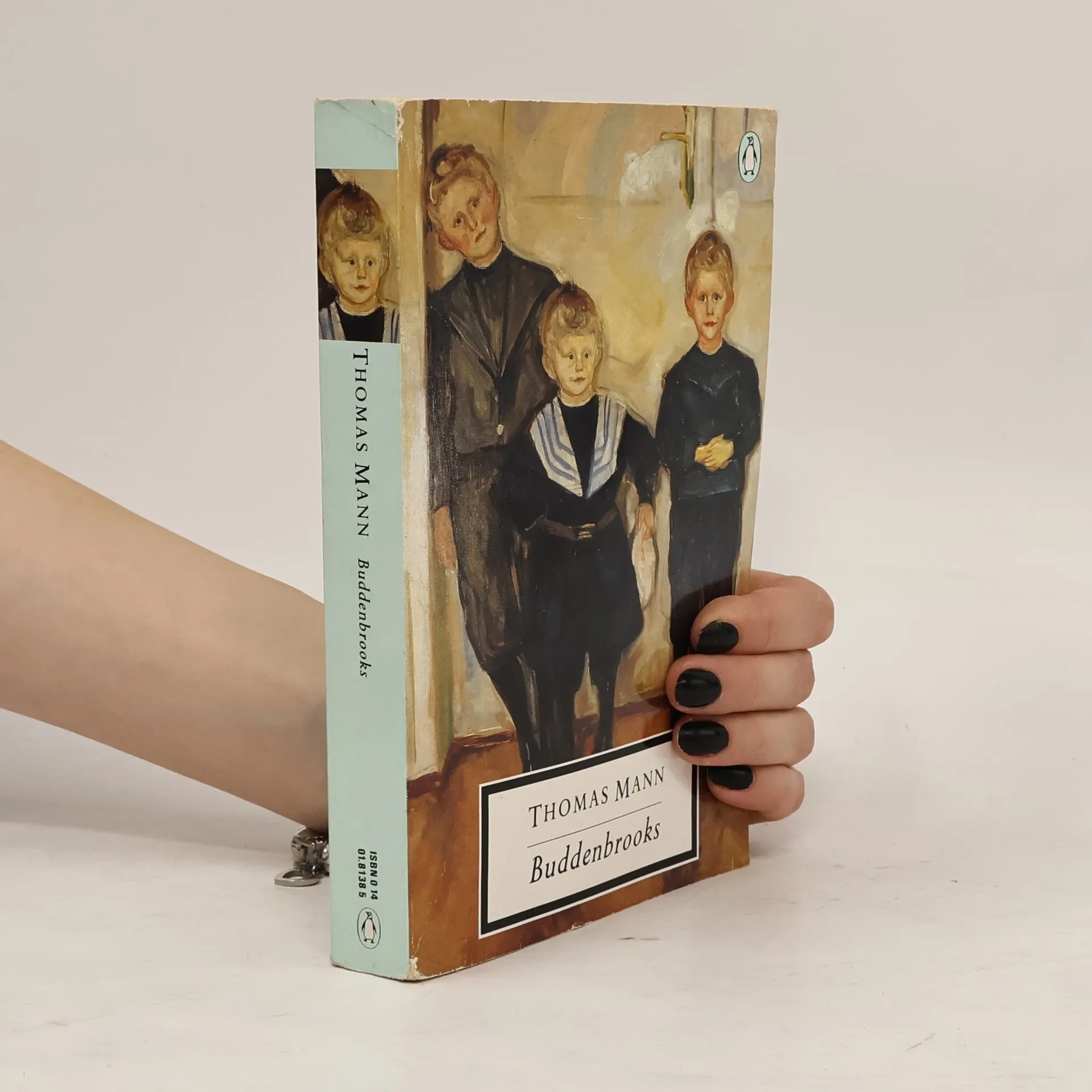
      Buddenbrooks, first published in Germany in 1901, when Mann was only twenty-six, has become a classic of modern literature. It is the story of four generations of a wealthy bourgeois family in northern Germany facing the advent of modernity; in an uncertain new world, the family’s bonds and traditions begin to disintegrate. As Mann charts the Buddenbrooks’ decline from prosperity to bankruptcy, from moral and psychic soundness to sickly piety, artistic decadence, and madness, he ushers the reader into a world of stunning vitality, pieced together from births and funerals, weddings and divorces, recipes, gossip, and earthy humor. In its immensity of scope, richness of detail, and fullness of humanity, buddenbrooks surpasses all other modern family chronicles. With remarkable fidelity to the original German text, this superb translation emphasizes the magnificent scale of Mann’s achievement in this riveting, tragic novel.

      Buddenbrocks1993
      4.2
    • Demian

      • 184 pages
      • 7 hours of reading

      Schoolboy Emil Sinclair boasts of a theft and finds himself blackmailed by a bully. He turns to Max Demain in whom he finds a friend and mentor. Under this strangely self-possessed figure's guidance, Emil discovers a new world of corruption and evil.

      Demian1979
      4.2