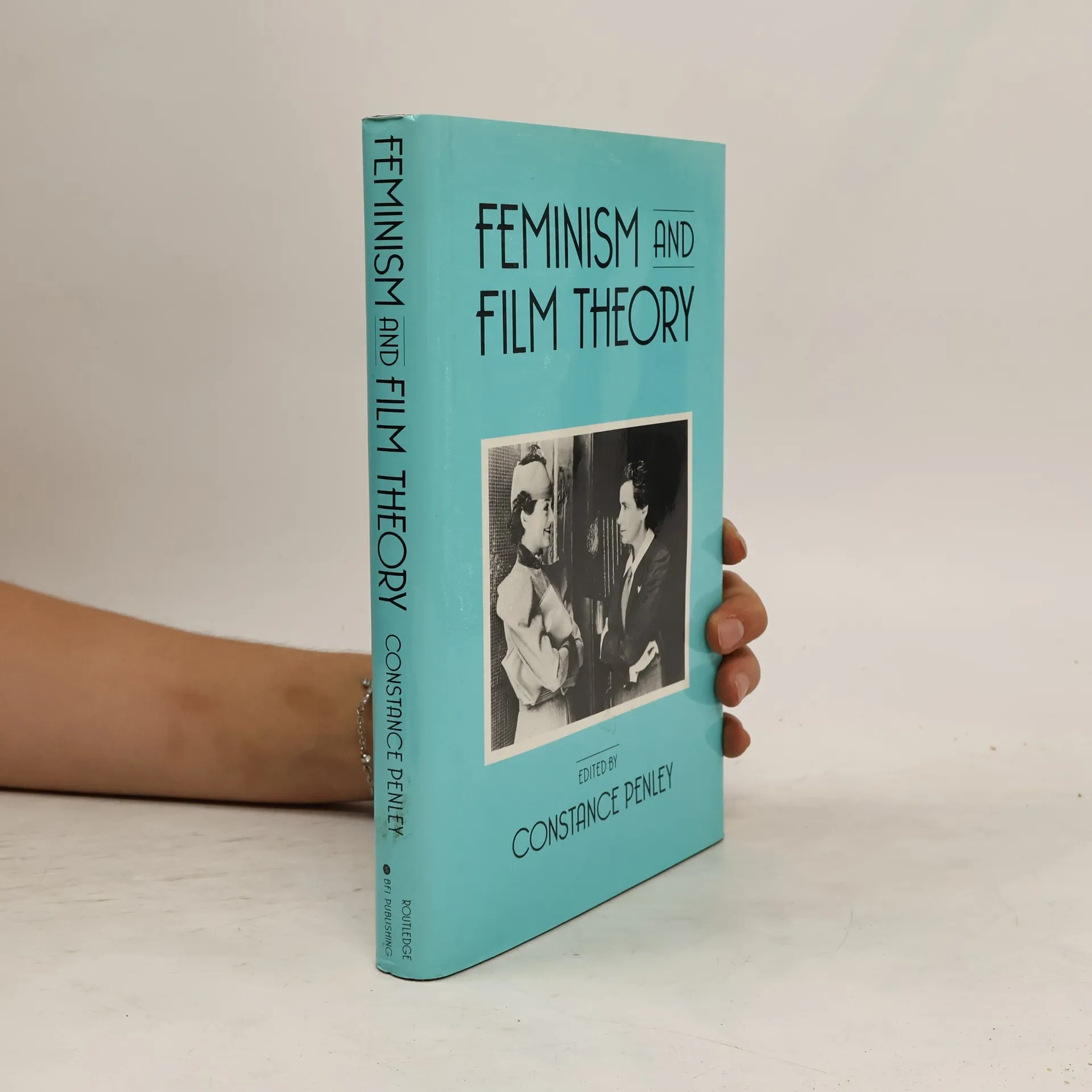
Feminism and Film Theory
- 271 pages
- 10 hours of reading
First published in 1988. Routledge is an imprint of Taylor & Francis, an informa company.


Constance Penley delves into the profound intersections of film, feminism, and psychoanalysis. Her work, informed by her academic background in film and media studies, explores how cinematic creation shapes our understanding of illusion and reality. She examines the ways in which filmic narratives and visual styles are employed to construct and interrogate societal norms. Her approach offers a unique lens on the psychoanalytic underpinnings within cinema.

First published in 1988. Routledge is an imprint of Taylor & Francis, an informa company.
Film, Feminism, and Psychoanalysis
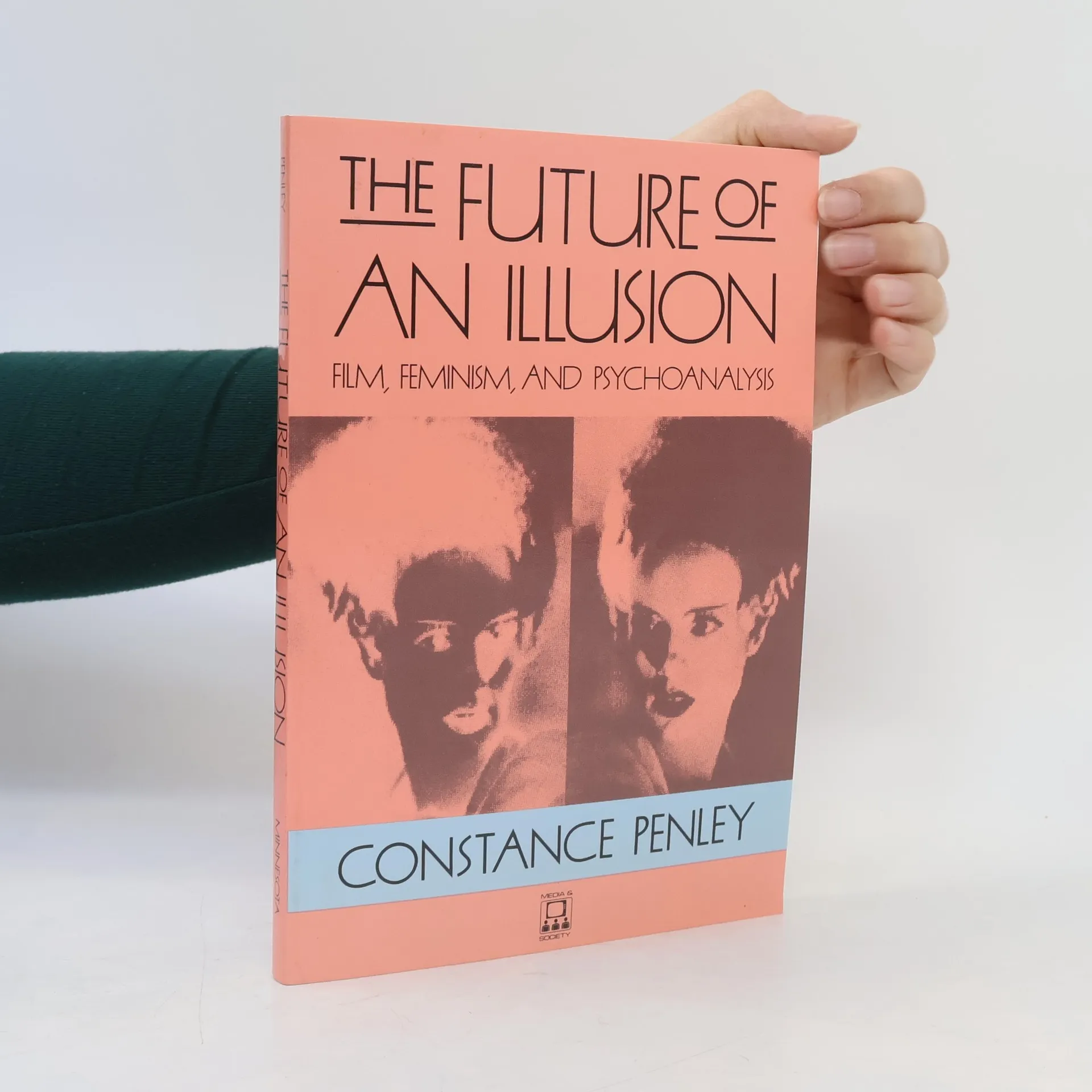
The Future of an Illusion was first published in 1989. Minnesota Archive Editions uses digital technology to make long-unavailable books once again accessible, and are published unaltered from the original University of Minnesota Press editions. The Future of an Illusion documents the pivotal role Constance Penley has played in the development of feminist film theory. Penley analyzes the primary movements that have shaped the field: the conjunction of feminism, film theory, and psychoanalysis, and the inherent debates surrounding the politics of women and representation. These debates center on the position of women in the classical Hollywood narrative, the construction of the spectator's desire in pornography and eroticism, and the implicitly male bias in psychoanalytically oriented film theory. Essential to anyone studying the sexual policies of representation, The Future of an Illusion ranges from avant-garde films to video, popular cinema, television, literature, and critical and cultural theory. Constance Penley is associate professor of English and film studies at the University of Rochester. A co-editor of the journal Camera Obscura ,she is the editor of Feminism and Film Theory .