Thirteen Hours
- 560 pages
- 20 hours of reading
The best novel to date from the leading figure in South African crime fiction.





The best novel to date from the leading figure in South African crime fiction.
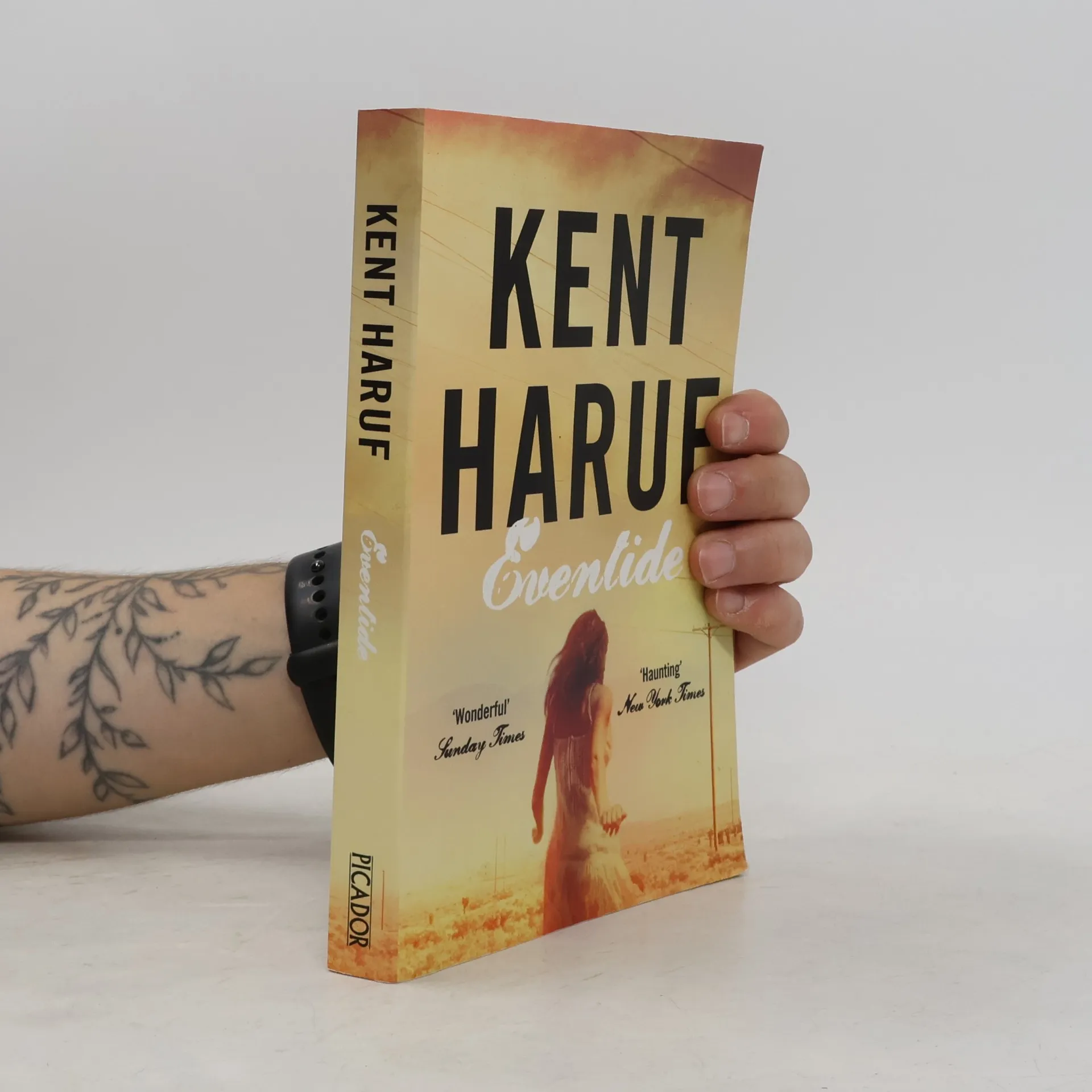
Following the astonishing Plainsong, Eventide is Kent Haruf's second novel set in his imaginary landscape of Holt, Colorado.
Why would a mathematics professor from Cambridge University, renting a holiday home outside Cape Town, require a false identity and three bodyguards? And where is he, now that they are dead? The only clue to the bodyguards' murder is the snake engraved on the shell casings of the bullets that killed them. Investigating the massacre, Benny Griessel and his team find themselves being drawn into an international conspiracy with shocking implications. It seems it is not just the terrorists and criminals of Britain and South Africa who may fear the Professor's work, but the politicians too. As the body count begins to spiral viciously, Benny must put his new-found love life aside and focus on finding the one person who could give him a break in the case: a teenage pickpocket on the run in the city. But Benny is not the only person hunting for Tyrone Kleinbooi . . . Relentlessly suspenseful, topical, hard-hitting and richly rewarding, COBRA is a superb novel from an author who is acclaimed around the world as a brilliant voice in crime fiction.
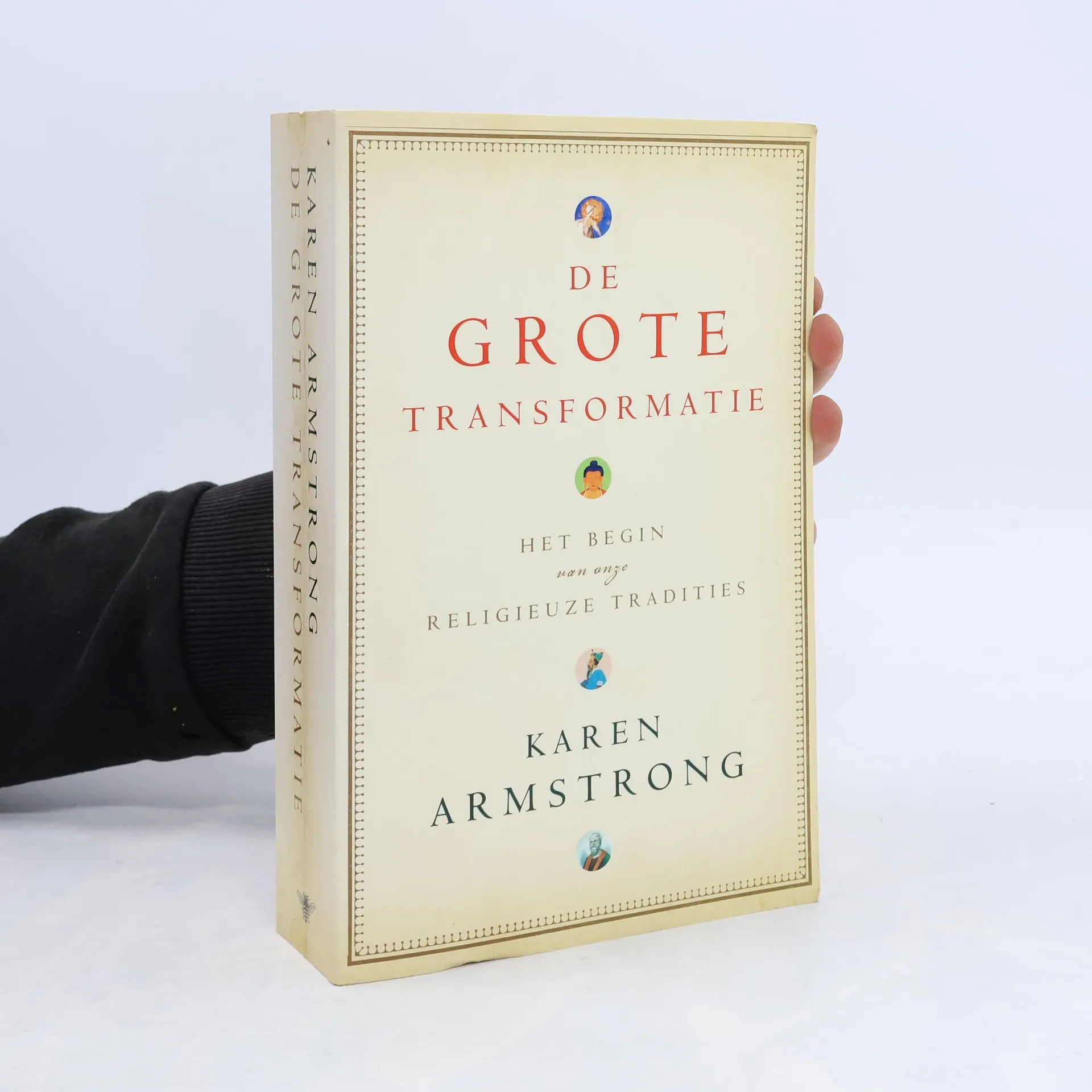
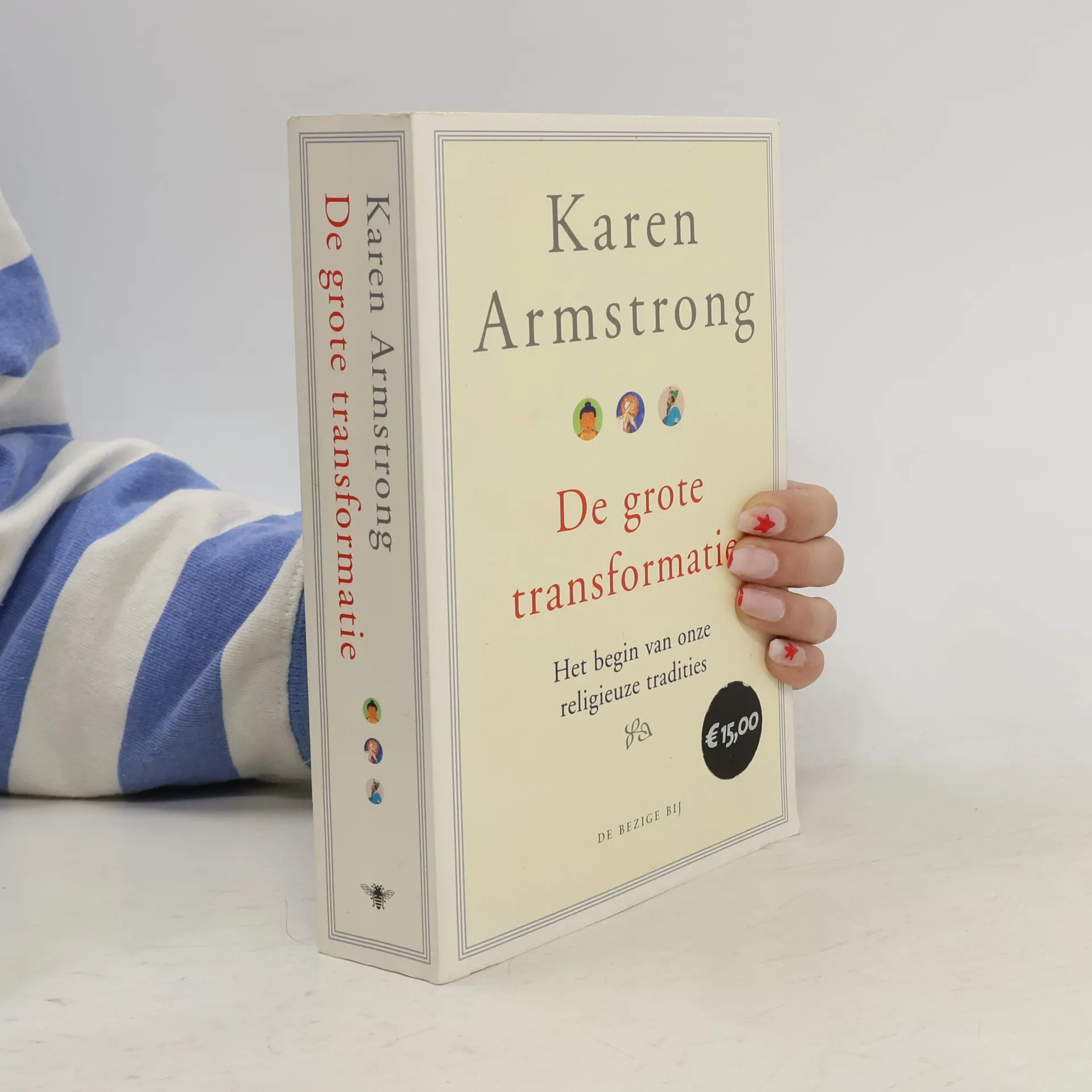
In de periode van de negende eeuw tot ongeveer de tweede eeuw voor Christus ontwikkelden vier afzonderlijke streken religieuze en filosofische tradities die de mensheid tot op de dag van vandaag beïnvloeden: confucianisme en daoïsme in China, hindoeïsme en boeddhisme in India, monotheïsme in Israël, en filosofisch rationalisme in Griekenland. Deze periode, bekend als de 'axiale eeuw', speelde een cruciale rol in de spirituele ontwikkeling van de mensheid. Karen Armstrong onderzoekt in haar nieuwe boek de bijdragen van invloedrijke figuren zoals Boeddha, Socrates, Confucius en Ezekiel. Ondanks de verschillen benadrukken deze tradities een opmerkelijke overeenkomst: de nadruk op compassie boven haat en geweld. De wijzen van deze tijd streefden er niet naar om doctrines van één geloof te omarmen, maar om een leven te leiden dat geworteld was in geweldloosheid en empathie. Armstrong toont aan wat deze gelijkenis zegt over de religieuze impuls van de mens. Ze gaat verder dan spirituele 'archeologie' door te onderzoeken hoe deze oude overtuigingen een uitdaging kunnen vormen voor onze huidige beleving van religie. Dit werk is een ontdekkingsreis naar de vroege ervaringen van de mensheid, hun verlangens, verantwoordelijkheden en inspirerende oplossingen, geschreven in een erudiete en toegankelijke stijl.
It's no simple case of murder. The charred remains of a woman have been found, and Detective Lena Adams is charged with homicide. The evidence leads Sara Linton - Grant Country's resident medical examiner/pediatrician - and her husband, police chief Jeffrey Tolliver, to those who are poisoning a small town with their sickening hatred.
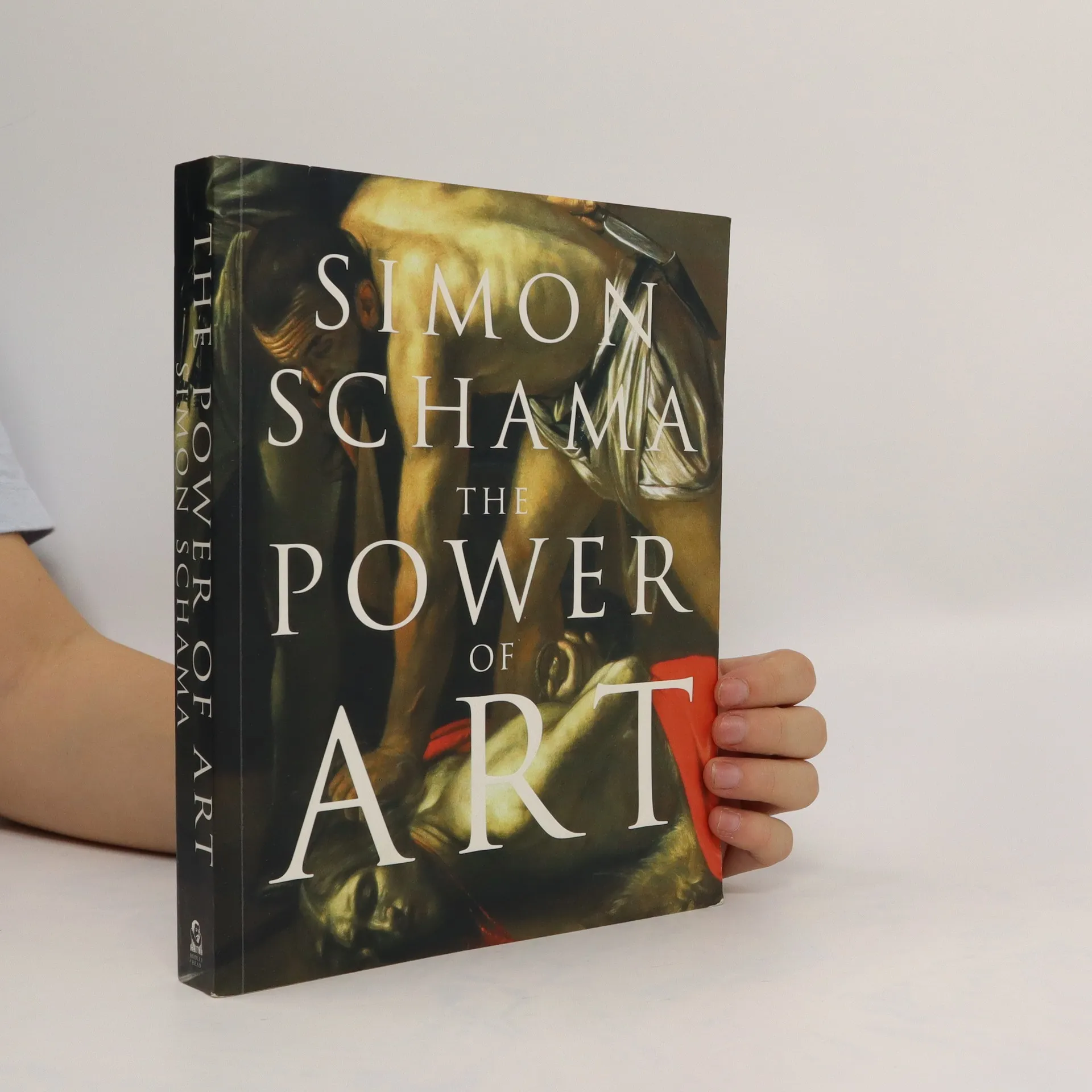
Traces the extraordinary evolution of eight world-class works of art. Created in a bolt of illumination, such works tell us something about how the world is, how it is to be inside our skins, that no more prosaic source of wisdom can deliver
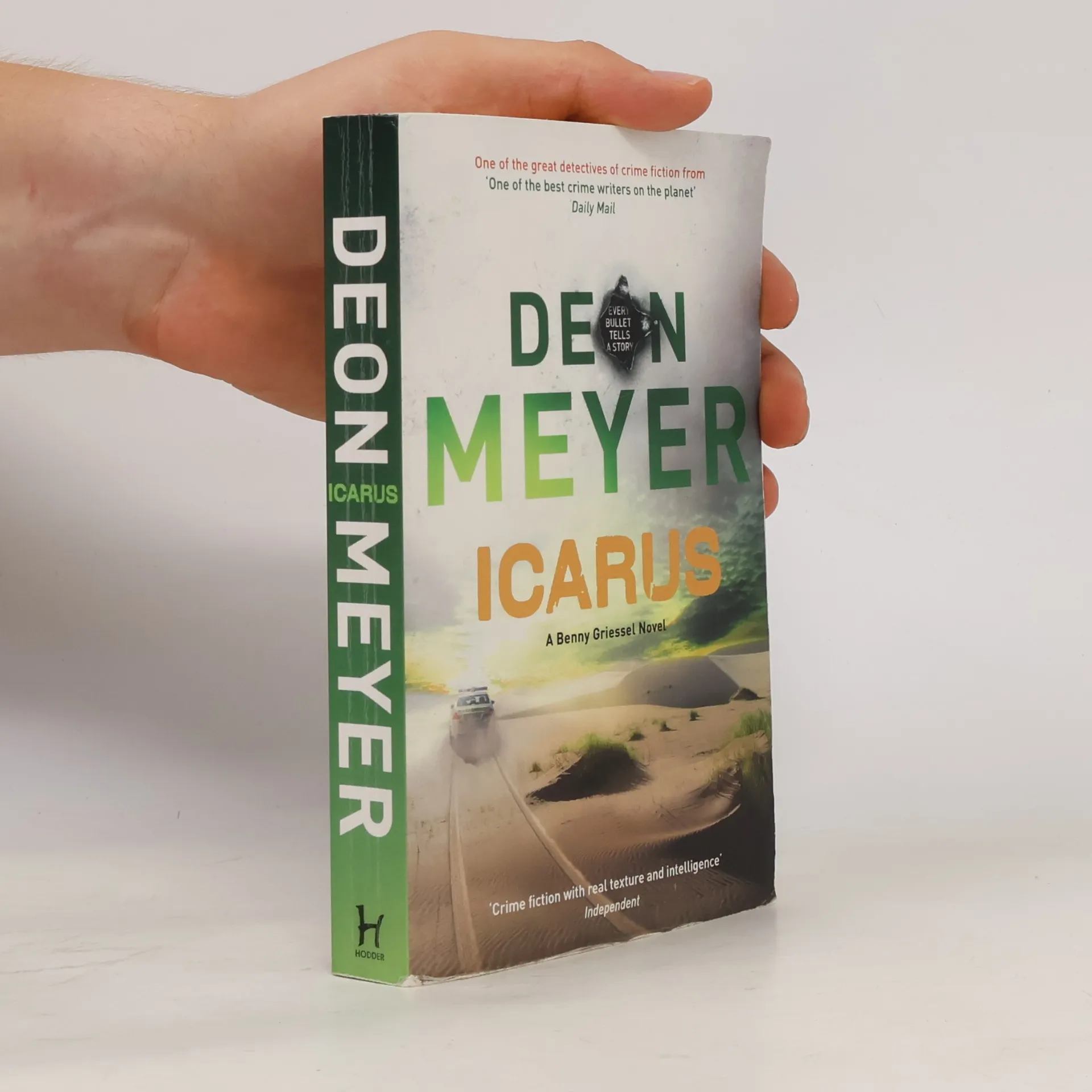
After 602 days dry, Captain Benny Griessel of the South African police services can't take any more tragedy. So when Benny is called in to investigate a multiple homicide, it pushes him close to breaking point - a former friend and detective colleague has shot his wife and two daughters, then killed himself. Benny wants out - out of his job, his home and his relationship with his singer girlfriend, Alexa. He moves into a hotel and starts drinking. Again. But Benny's unique talent is urgently required to help investigate another crime - the high profile murder of Ernst Richter, MD of a new tech startup, Alibi, whose body is discovered buried in the sand dunes north of Cape Town. Alibi is a service that creates false appointments, documents and phone calls to enable people to cheat on their partners. It has made Richter one of the most notorious people in South Africa. Can Benny pull together the strands of his life in time to catch the killer?
AWARD-WINNING CRIME FICTION WITH SOUTH AFRICAN SOULShortlisted for the 2012 CWA International Dagger Award for Best Translated Crime Novel of the Year
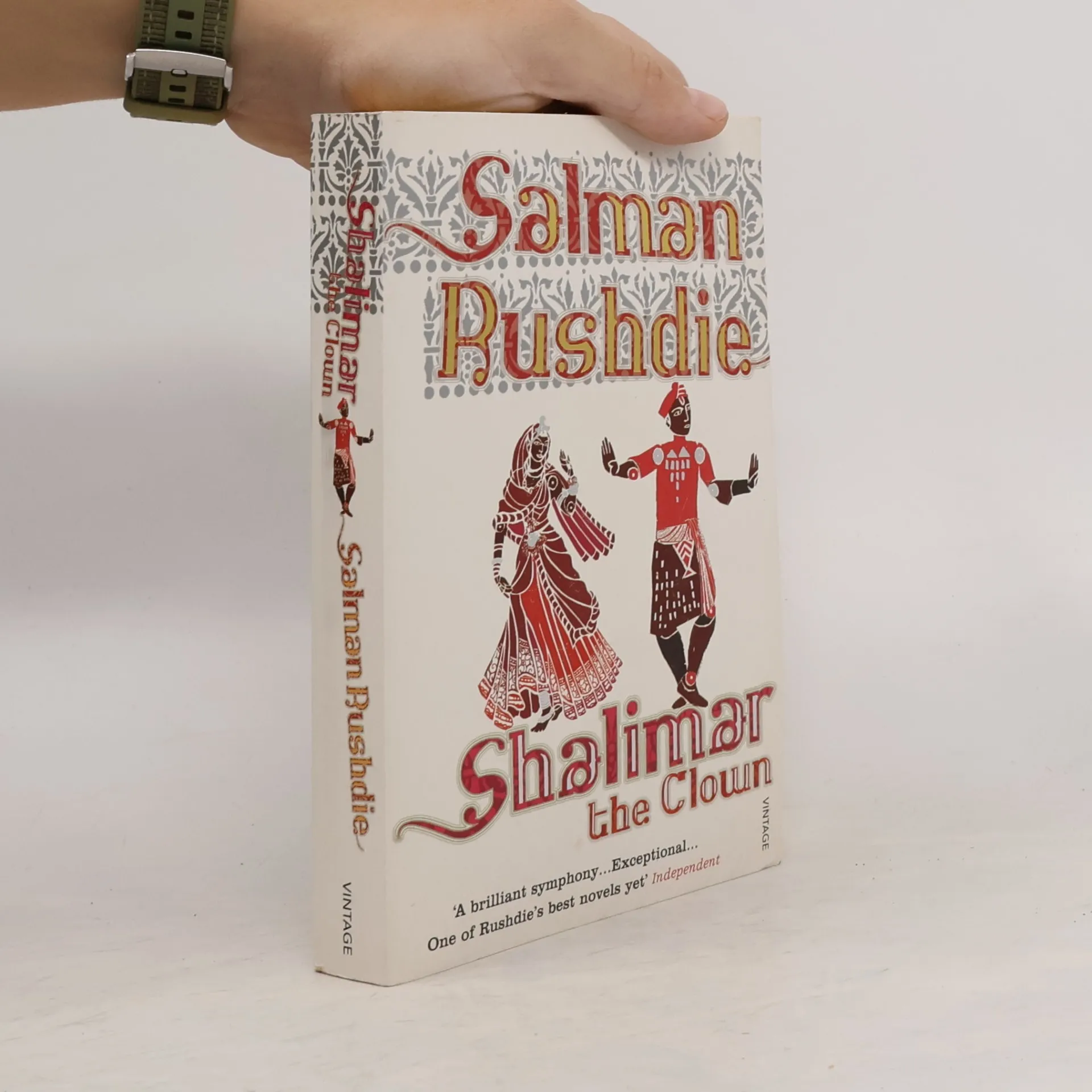
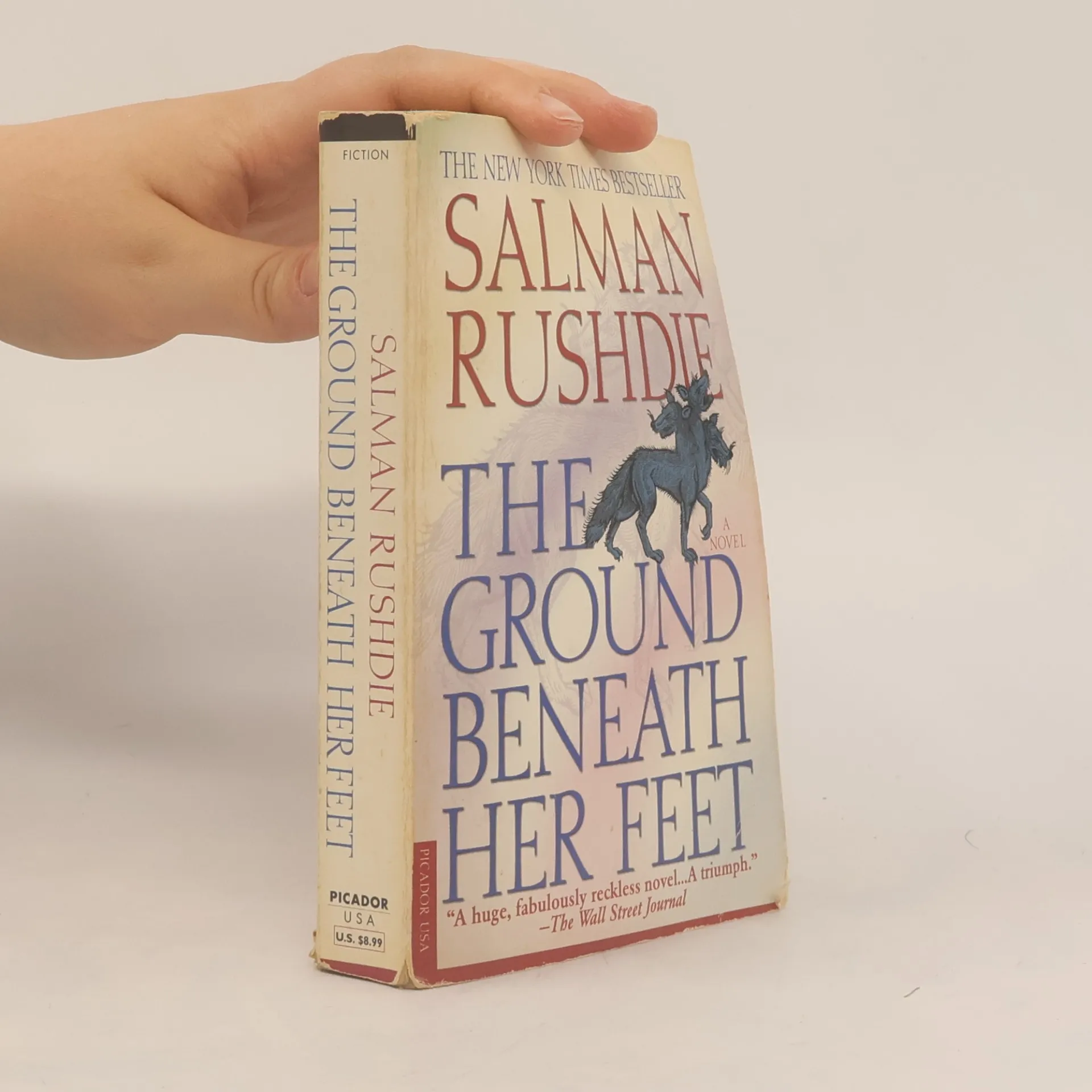
Maximilian Ophuls is knifed to death on the doorstep of his illegitimate daughter India, slaughtered by his Kashmiri driver, a mysterious figure who calls himself Shalimar, the Clown. This book presents the story of Max, his killer, and his daughter - and of a fourth character, the woman who links them all.
'I'll shoot a policeman every day until you arrest the murderer of Hanneke Sloet'. Shortly after the South African Police Services receive this threatening email, a policeman is shot by a sniper and recovering alcoholic Benny Griessel is ordered to reopen the Sloet case.
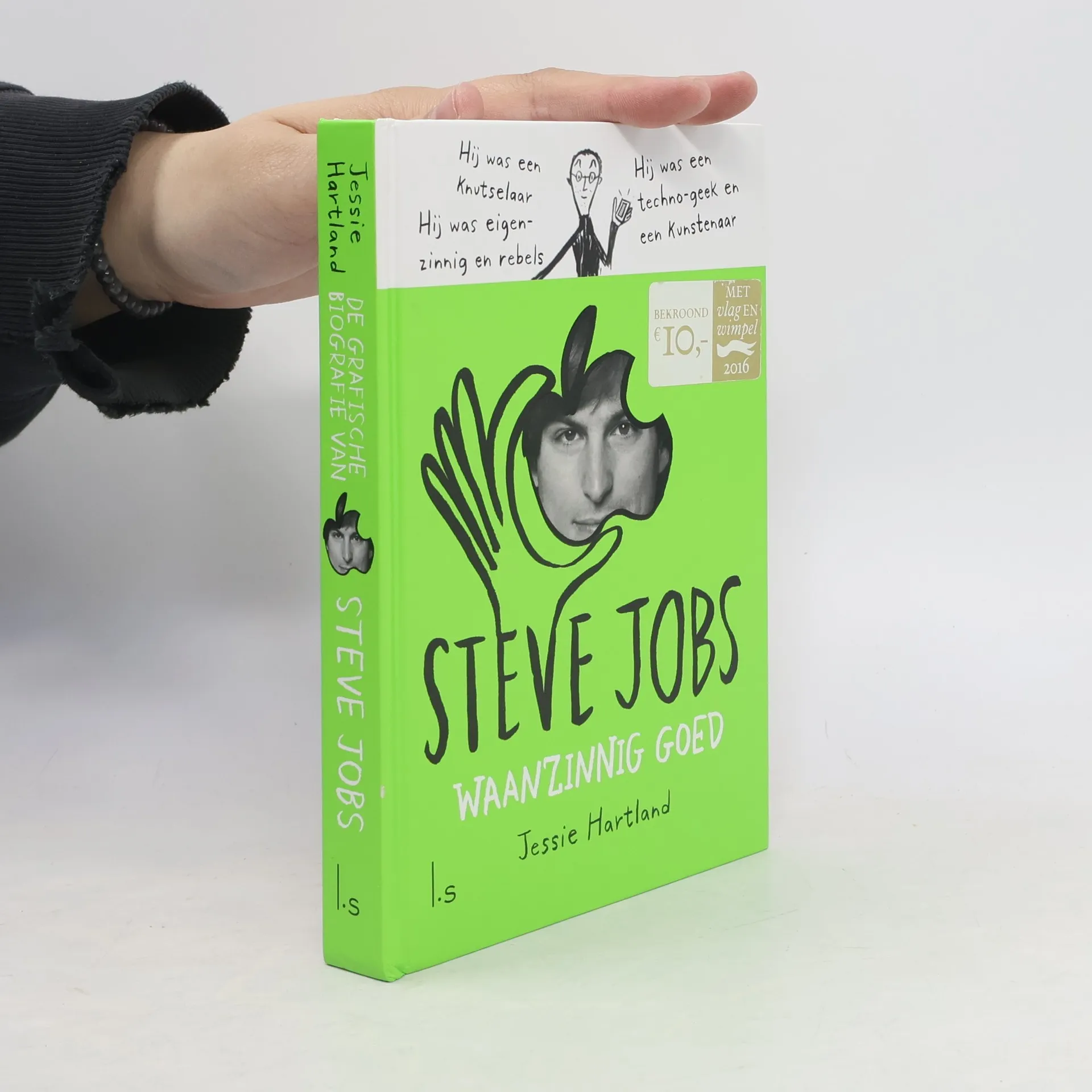
Hoe veranderde Steve Jobs de wereld en wat maakte hem zo bijzonder? Graphic novel over het leven van de oprichter van Apple.
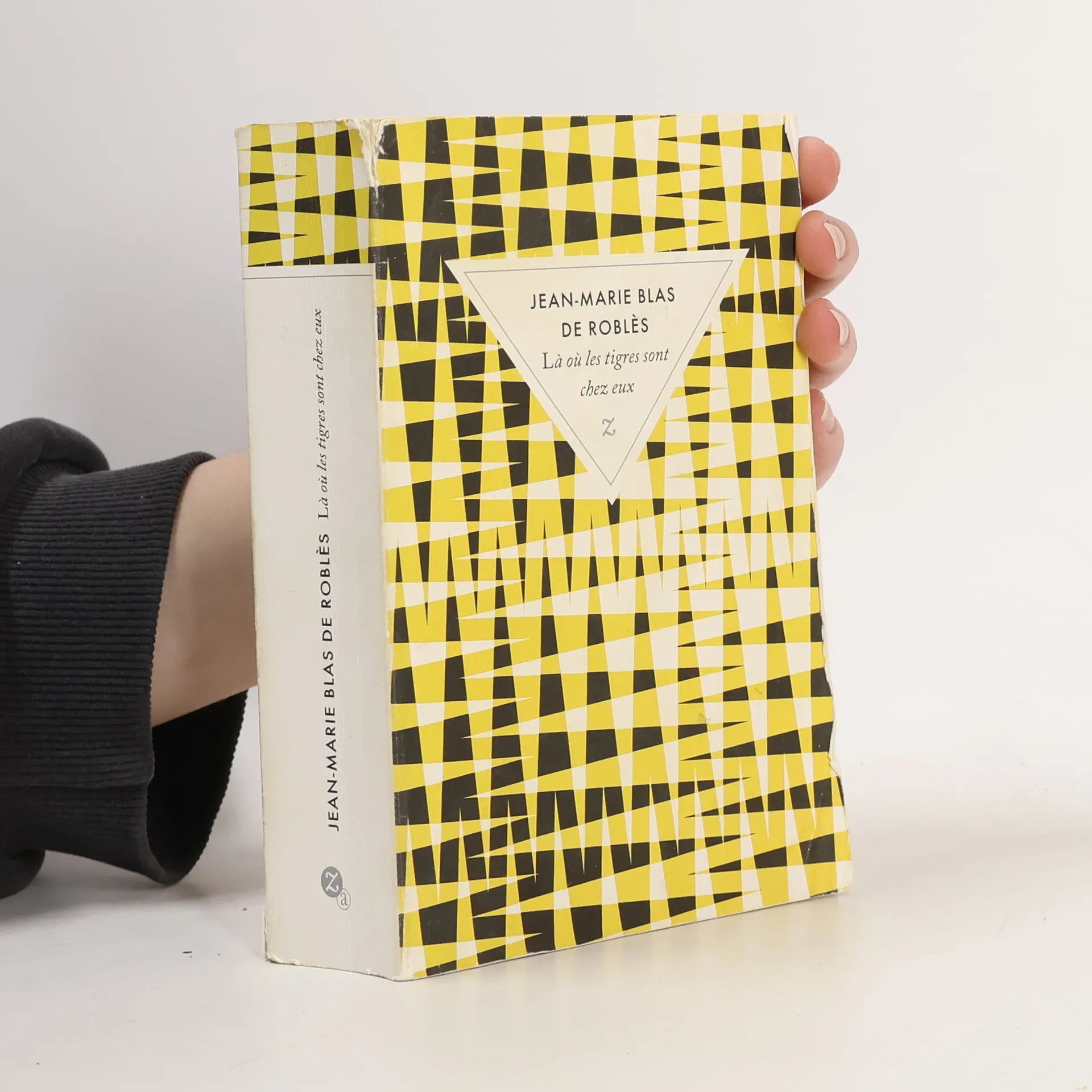
Eléazard von Wogau, héros inquiet de cette incroyable forêt d’histoires, est correspondant de presse au fin fond du Nordeste brésilien. On lui laisse un jour un manuscrit, biographie inédite d’un célèbre jésuite de l’époque baroque. Commence alors une enquête à travers les savoirs et les fables qui n’est pas sans incidences sur sa vie privée. Comme si l’extraordinaire plongée dans l’univers d’Athanase Kircher se répercutait à travers les aventures croisées d’autres personnages, tels Elaine, archéologue en mission improbable dans la jungle du Mato Grosso, Moéma, étudiante à la dérive, ou bien Nelson, jeune gamin infirme des favelas de Pirambú qui hume le plomb fondu de la vengeance. Nous sommes au Brésil. Nous sommes aussi dans la terra incognita d’un roman monstre. On songe à Borges et Cortázar, à Italo Calvino ou Umberto Eco, ou encore Potocki et son Manuscrit trouvé à Saragosse, sans jamais épuiser la réjouissante singularité de ce roman palimpseste qui joue à merveille des mises en abyme et des vertiges spéculaires. « Umberto Eco revu par Indiana Jones chez Malcolm Lowry, avec un zest d’African Queen et de Lévi-Strauss chez les Nambikwara. » Patrick Grainville, Le Figaro littéraire.
The romance of two Indian musicians who form a band. He is Ormus, a composer, she is Vina, an American-raised singer, and their romance plays out across continents, parallel universes and different lives-- she dying and returning for a second life.
When the rich and famous visit South Africa, their first port of call is often Body Armor, the personal security company offering two types of protection: the big and intimidating muscle men called Gorillas or the lean and hungry former government body guards, referred to as Invisibles. Lemmer is a freelance Invisible. The tiny and beautiful Emma le Roux, a brand consultant from Cape Town, wants to hire him. He needs the money, so he listens to her story. Lemmer’s First General Law is: Don’t get involved. But he has never failed as a body guard and he’s also grown a little too fond of Emma. He uncovers simmering racial and political tensions, greed, corruption, and a network of eco-terrorists. He follows the leads until he finds what he’s after: The people who attacked Emma. Getting to them will be extremely dangerous, and exposing them could have international political implications. If he fails, both he and Emma will end up dead. But Lemmer is sick and tired of being invisible. He goes after them, against all odds.
From the Orange Prize-winning author of We Need to Talk About Kevin 'Enjoyably abrasive... a compelling read... sardonic and elegant' Evening Standard 'Scabrously funny... few authors can be as entertainingly problematic as Shriver' Guardian
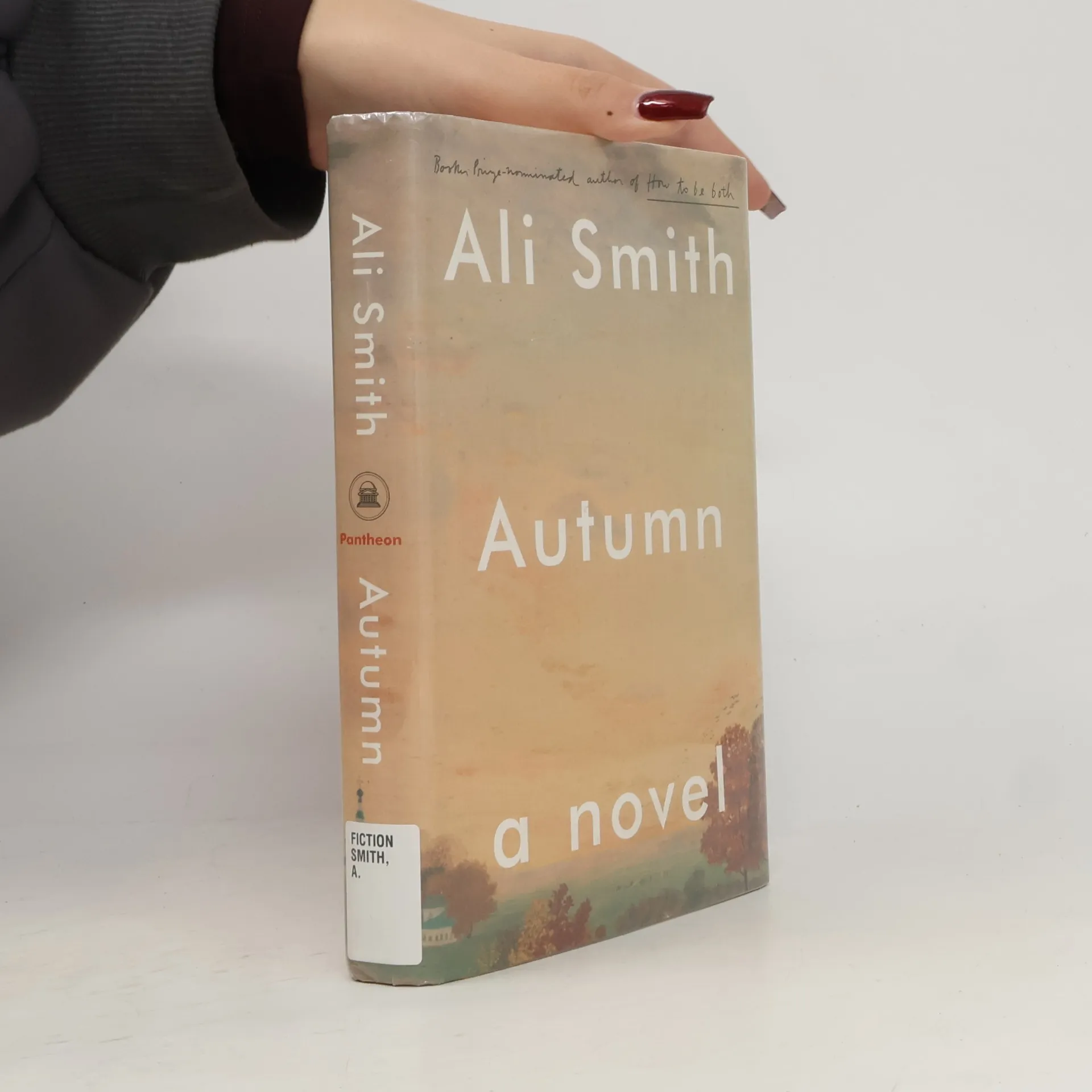
MAN BOOKER PRIZE FINALIST • The first novel in Ali Smith’s Seasonal Quartet is an unforgettable story about aging and time and love—and stories themselves. Autumn. Season of mists and mellow fruitfulness. Two old friends—Daniel, a centenarian, and Elisabeth, born in 1984—look to both the future and the past as the United Kingdom stands divided by a historic, once-in-a-generation summer. Love is won, love is lost. Hope is hand-in-hand with hopelessness. The seasons roll round, as ever. A luminous meditation on the meaning of richness and harvest and worth, Autumn is the first installment of Ali Smith’s Seasonal Quartet, and it casts an eye over our own time: Who are we? What are we made of? Shakespearean jeu d’esprit, Keatsian melancholy, the sheer bright energy of 1960s pop art. Autumn is wide-ranging in time-scale and light-footed through histories.
'The Enchantress of Florence' is the story of a mysterious woman, a great beauty believed to possess the powers of enchantment and sorcery, attempting to command her own destiny in a man's world. It is the story of two cities at the height of their power - the hedonistic Mughal capital, in which the brilliant emperor Akbar the Great wrestles daily with questions of belief, desire, and the treachery of his sons, and the equally sensual city of Florence during the High Renaissance, where NiccolÚ Machiavelli takes a starring role as he learns, the hard way, about the true brutality of power. Profoundly moving and completely absorbing.
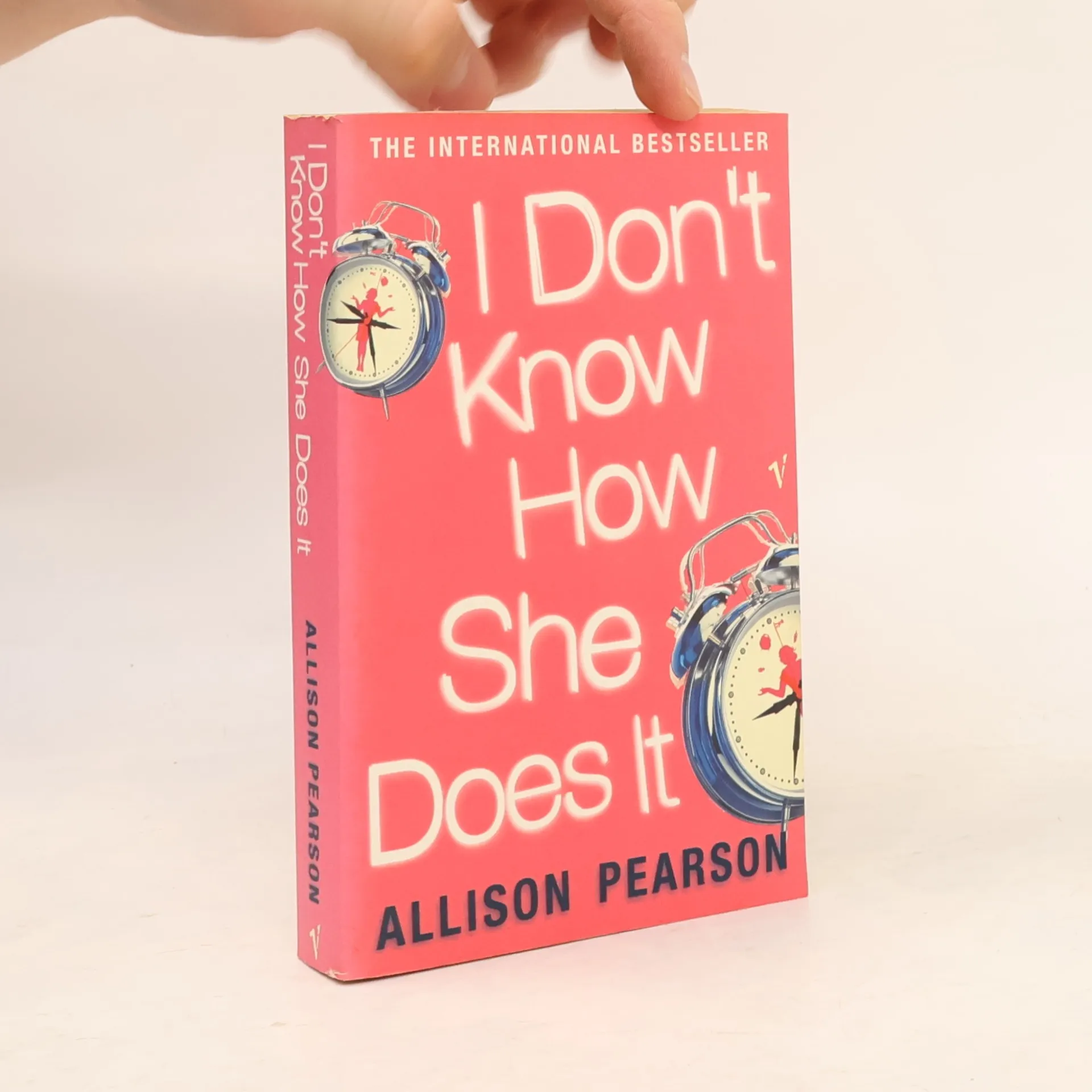
Meet Kate Reddy, Fund Manager And Mother Of Two. She Can Juggle Nine Different Currencies In Five Different Time Zones And Get Herself And Two Children Washed And Dressed And Out Of The House In Half An Hour. A Victim Of Time Famine, Kate Counts Seconds Like Other Women Count Calories. As She Hurtles Between Appointments, Through Her Head Spools The Crazy Tape-Loop Of The Working Mother'S Life: Must Remember Client Reports, Bouncy Castles, Transatlantic Phone Call, Nativity Play, Check Dow Jones, Cancel Hygienist, Squeeze Sagging Pelvic Floor, Make Time For Sex. Factor In A Manipulative Nanny, An Australian Boss Who Looks At Kate'S Breasts As If They'Re On Special Offer, A Long Suffering Husband, Her Quietly Aghast In-Laws, Two Needy Children And An E-Mail Lover, And You Have A Woman Juggling So Many Balls That Some Day Soon Something'S Going To Hit The Ground. In An Uproariously Funny And Achingly Sad Novel, Allison Pearson Captures The Guilty Secret Lives Of Working Mothers, The Self-Recriminations, Comic Deceptions, Forgeries, Giddy Exhaustion And Despair As No Other Writer Has Ever Done. With Fierce Irony And A Sparkling Style, She Brilliantly Dramatises The Dilemma Of Working Motherhood At The Start Of The 21St Century.
Too young to get whisked away by a Stannah Stairlift, or to enjoy the luxury of a walk-in bath, Marie is all the same getting on in years - and she's thrilled about it. She's a bit preoccupied about whether to give up sex, but there are compensations, like falling in love with her baby grandson, and maybe falling in love with someone else too.
The Woman in the Blue Cloak is a brilliant investigation which will thrill and entertain fans of Deon Meyer's much-loved detective Benny Griessel.
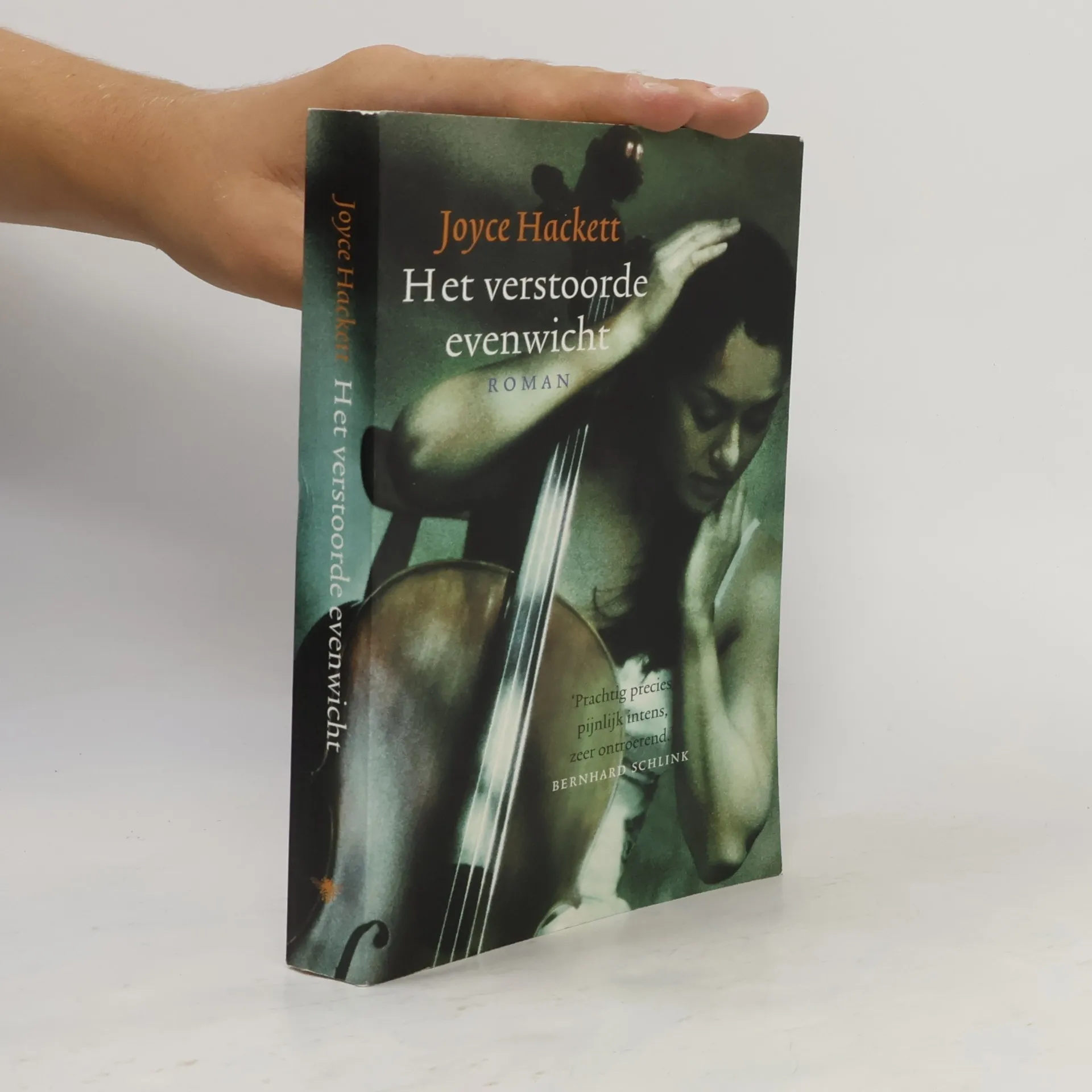
Na de dood van haar ouders en haar geliefde komt een jonge vrouw met zichzelf in het reine als ze in het huidige Theresienstadt cello speelt.
In de periode van de negende eeuw tot ongeveer de tweede eeuw voor Christus ontwikkelden vier afzonderlijke regio's religieuze en filosofische tradities die de mensheid tot op heden beïnvloeden: confucianisme en daoïsme in China, hindoeïsme en boeddhisme in India, monotheïsme in Israël, en filosofisch rationalisme in Griekenland. Historici verwijzen naar deze tijd als de 'axiale eeuw' vanwege de cruciale rol in de spirituele ontwikkeling van de mens. In haar nieuwe boek onderzoekt Karen Armstrong de bijdragen van belangrijke figuren zoals Boeddha, Socrates, Confucius en Ezekiel. Ze benadrukt de opmerkelijke overeenkomsten binnen deze tradities, waarbij de nadruk ligt op compassie boven haat en geweld. De wijzen uit deze periode streefden niet naar dogma's, maar naar een leven in harmonie met anderen. Religie was voor hen synoniem met compassie. Armstrong verkent wat deze overeenkomsten zeggen over de menselijke zoektocht naar spiritualiteit en gaat verder dan alleen historische analyse. Ze onderzoekt hoe deze oude overtuigingen ons kunnen uitdagen in onze huidige benadering van religie. Dit boek is een ontdekkingsreis naar de vroegste ervaringen, verlangens en oplossingen van de mensheid, geschreven in Armstrongs kenmerkende, toegankelijke stijl.