Raymond Carver's writing delves into the lives of individuals facing poverty and deprivation, marked by a haunting minimalism and subtle violence. His earlier works exemplify "dirty realism," characterized by their starkness and ambiguity. However, in later collections like Cathedral, Carver showcases a broader emotional range, revealing deeper connections with his characters and adopting a more expansive narrative style reminiscent of Chekhov. This evolution highlights his ability to blend detachment with empathy, enriching the landscape of American fiction.
Raymond Carver Books
May 25, 1938 – August 2, 1988
Raymond Carver is celebrated as a master of the short story who profoundly reshaped American literature. His distinctive style employs a precisionist realism, capturing the lives of ordinary people, often from working-class and marginalized backgrounds. Carver's meticulous economy of language brings lives into sharp focus, revealing hidden depths within seemingly insignificant details. His work, frequently set in mundane environments, explores themes of loss, longing, and the search for meaning, with his later writings often conveying a sense of growing redemption and expansiveness.




The stories of Raymond Carver
- 447 pages
- 16 hours of reading
Will You Please Be Quiet, Please? What We Talk About When We Talk About Love. Cathedral
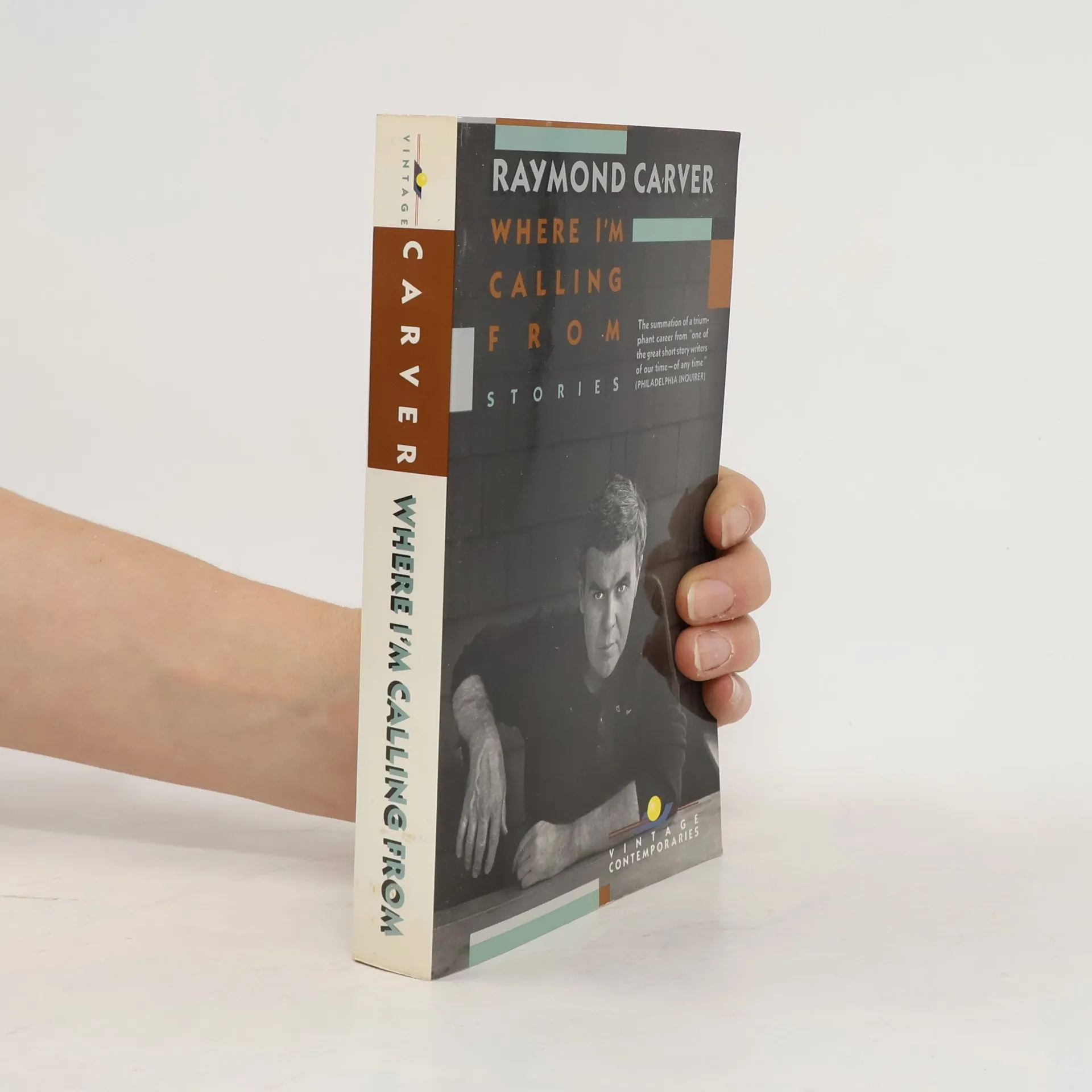
The final story collection from “one of the great short story writers of our time” (The Philadelphia Inquirer) features classic stories from Cathedral, What We Talk About When We Talk About Love, and earlier volumes. • “Among the masterpieces of American fiction." —The New York Times Book Review By the time of his early death in 1988, Raymond Carver had established himself as one of the great practitioners of the American short story, a writer who had not only found his own voice but imprinted it in the imaginations of thousands of readers. Where I’m Calling From, his last collection, includes seven new works previously unpublished in book form. Together, these 37 stories give us a superb overview of Carver’s life work and show us why he was so widely imitated but never equaled.
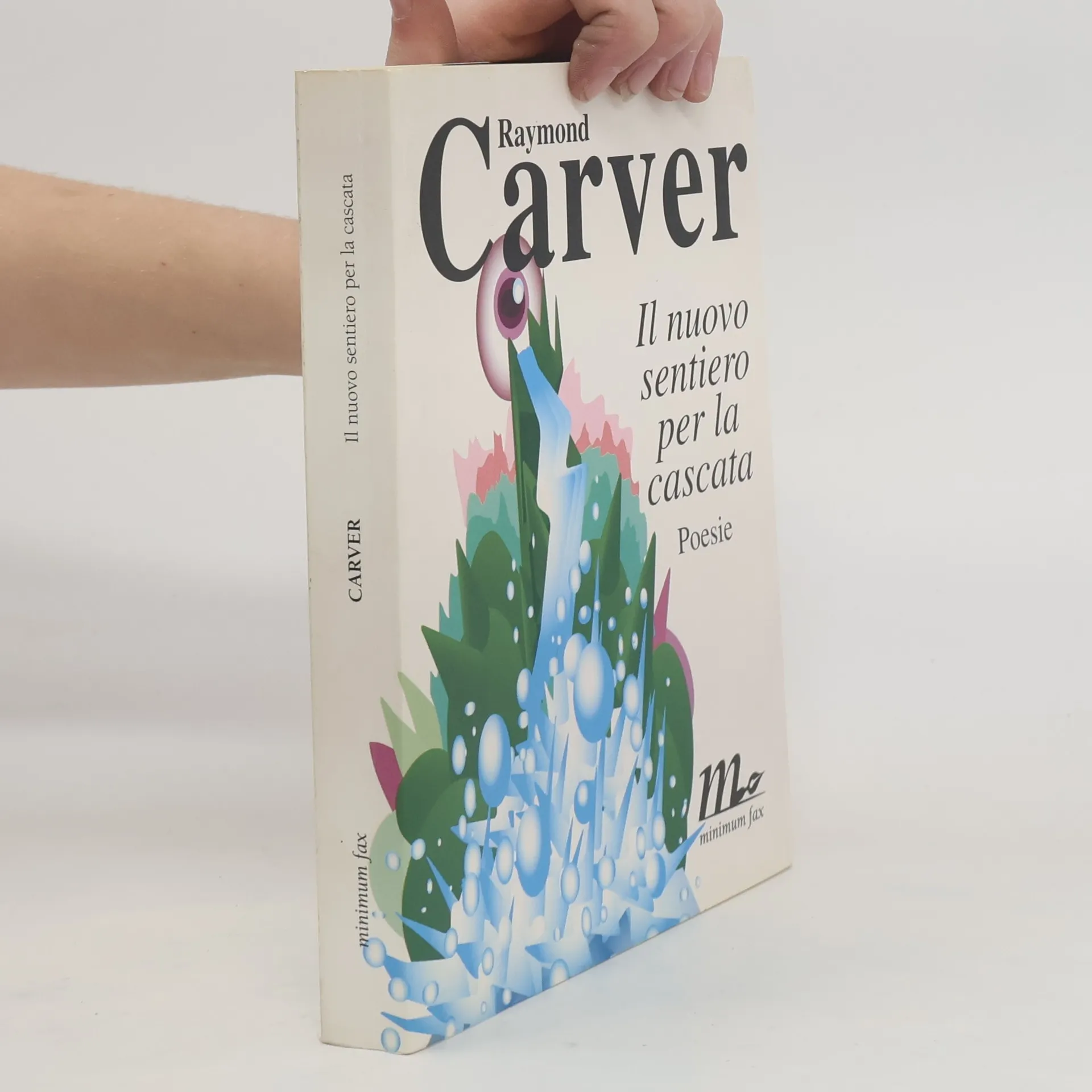
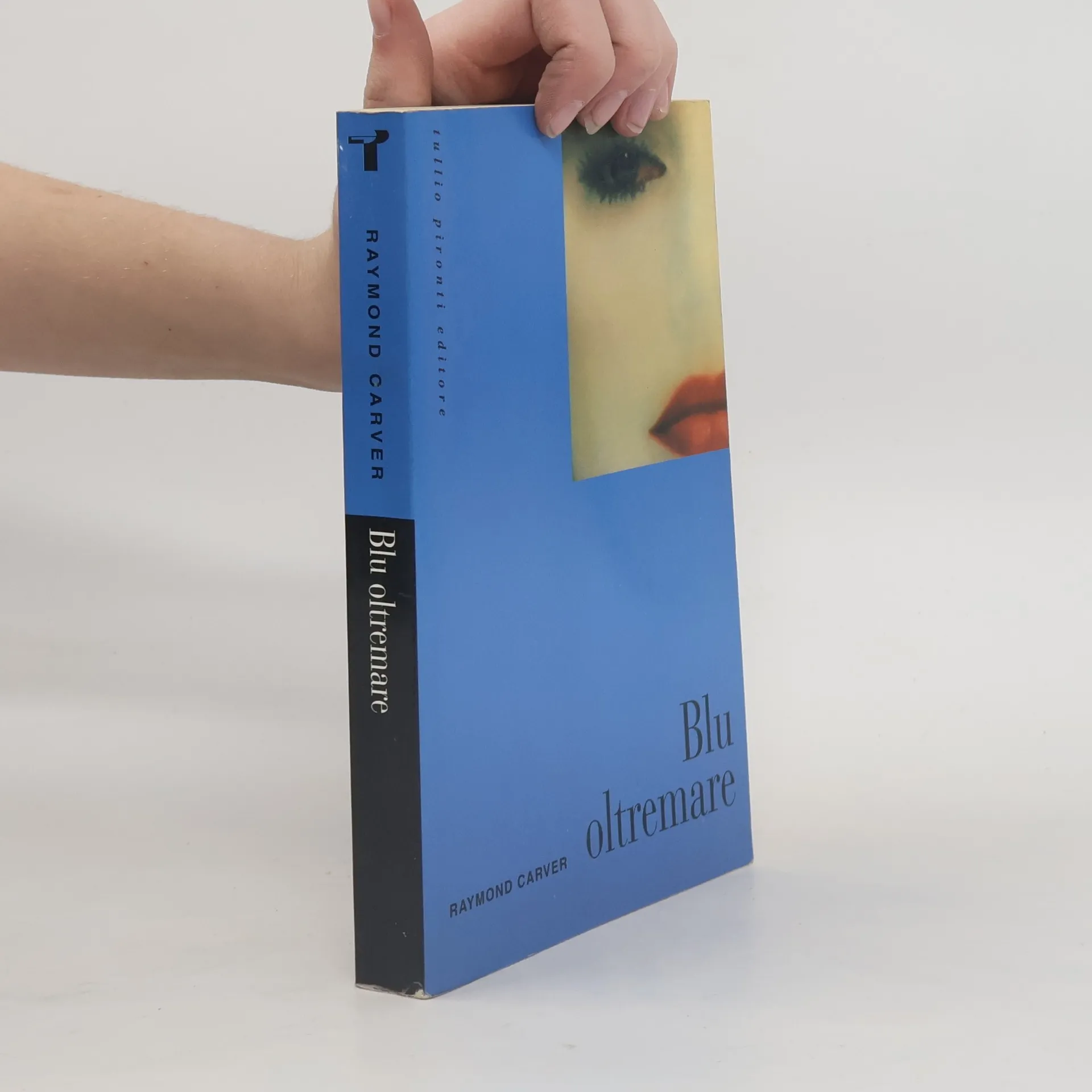
Blu oltremare
- 270 pages
- 10 hours of reading
Raymond Carver, maestro di tutta una generazione di scrittori americani, ha sempre il ritmo coinvolgente del grande narratore. Perciò ognuna delle ottantatrè poesie che compongono questo bellissimo libro è un vero e proprio racconto in versi. Ognuna delle poesie fissa con precisione descrittiva piccole situazioni quotidiane in cui vivono le realtà i sogni e le illusioni degli uomini.
Among the 110 contributors: Raymond Carver, Amiri Baraka, Jean Thompson, Charles Bukowski, Isabella Gardner, Ted Kooser, Robert Bly, Robert Creeley . . . Selections made from nominations by the editors of independent noncommercial presses and magazines, spanning the period from 1965 to 1977. Editor's Choice II: Fiction, Poetry & Art from the U.S. Small Press covers 1978 to 1983. Editor's Choice III covers 1984 to 1990.
All of Us
- 416 pages
- 15 hours of reading
This prodigiously rich collection of poems suggests that Raymond Carver was not only America’s finest writer of short fiction, but also one of its most large-hearted and affecting poets. Like Carver’s stories, the more than 300 poems in All of Us are marked by a keen attention to the physical world; an uncanny ability to compress vast feeling into discreet moments; a voice of conversational intimacy, and an unstinting sympathy. This complete edition brings together all the poems of Carver’s five previous books, from Fires to the posthumously published No Heroics, Please. It also contains bibliographical and textual notes on individual poems; a chronology of Carver’s life and work; and a moving introduction by Carver’s widow, the poet Tess Gallagher.
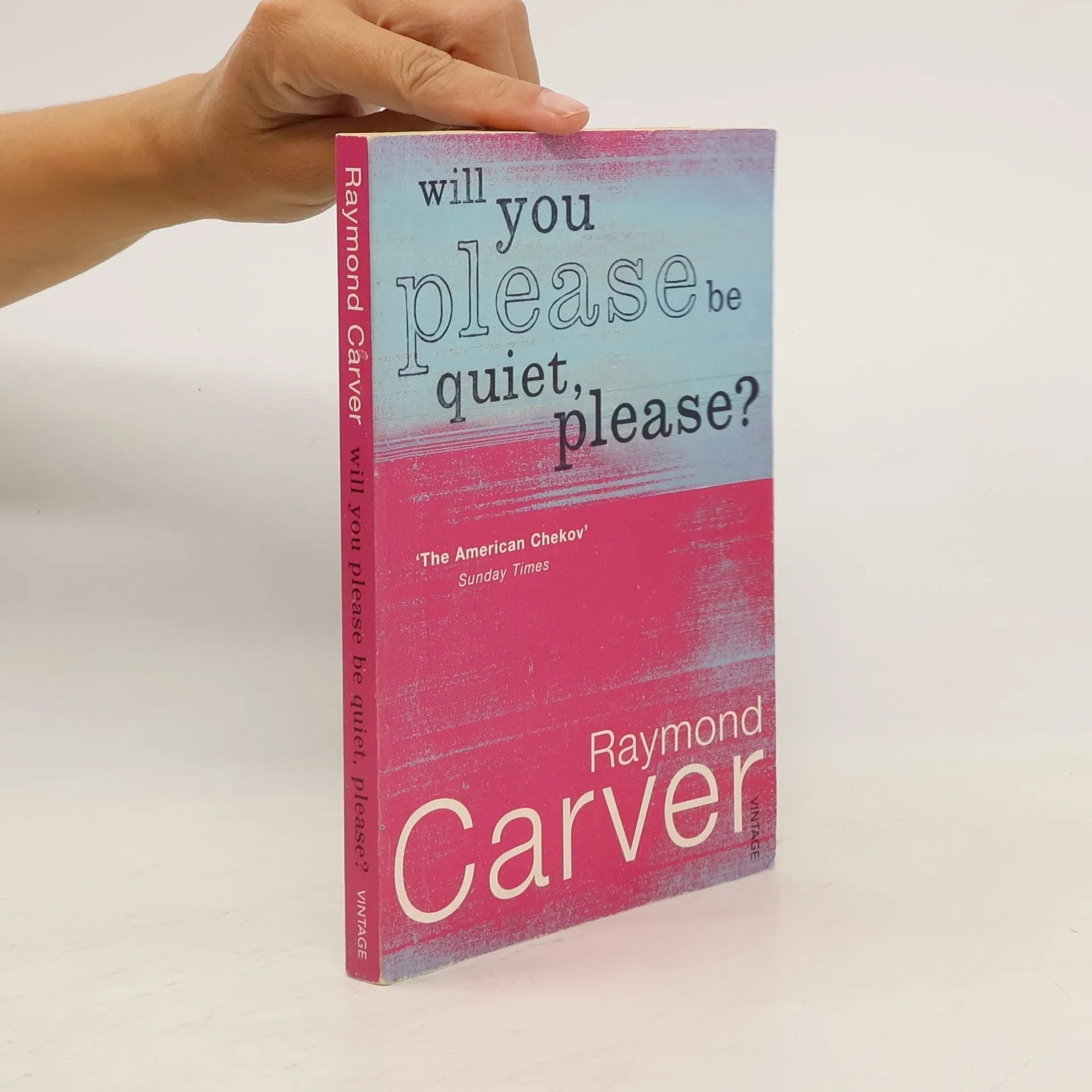
Will you please be quiet, please?
- 192 pages
- 7 hours of reading
With this, his first collection, Carver breathed new life into the short story. In the pared-down style that has since become his hallmark, Carver showed us how humour and tragedy dwelt in the hearts of ordinary people, and won a readership that grew with every subsequent brilliant collection of stories, poems and essays that appeared in the last eleven years of his life.
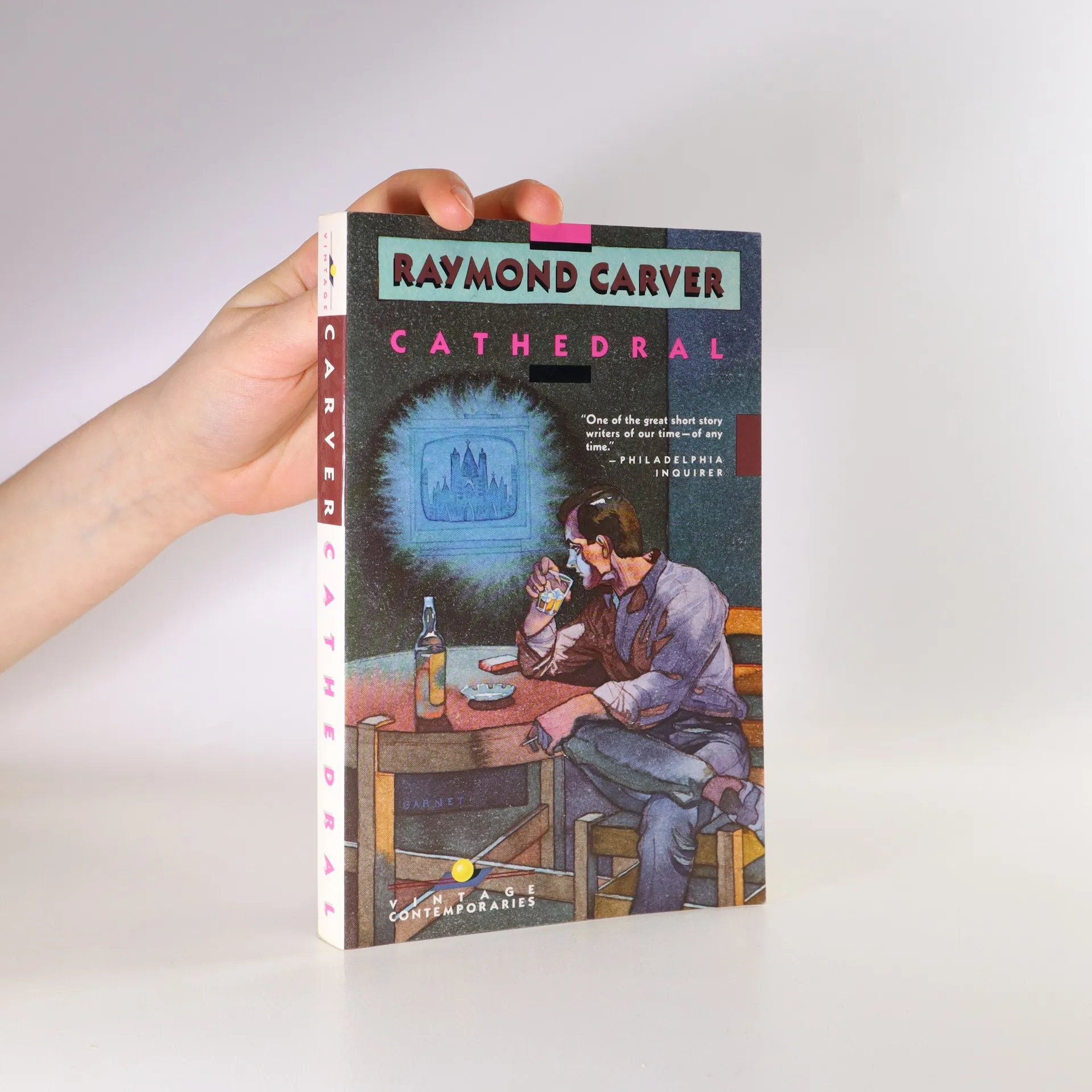
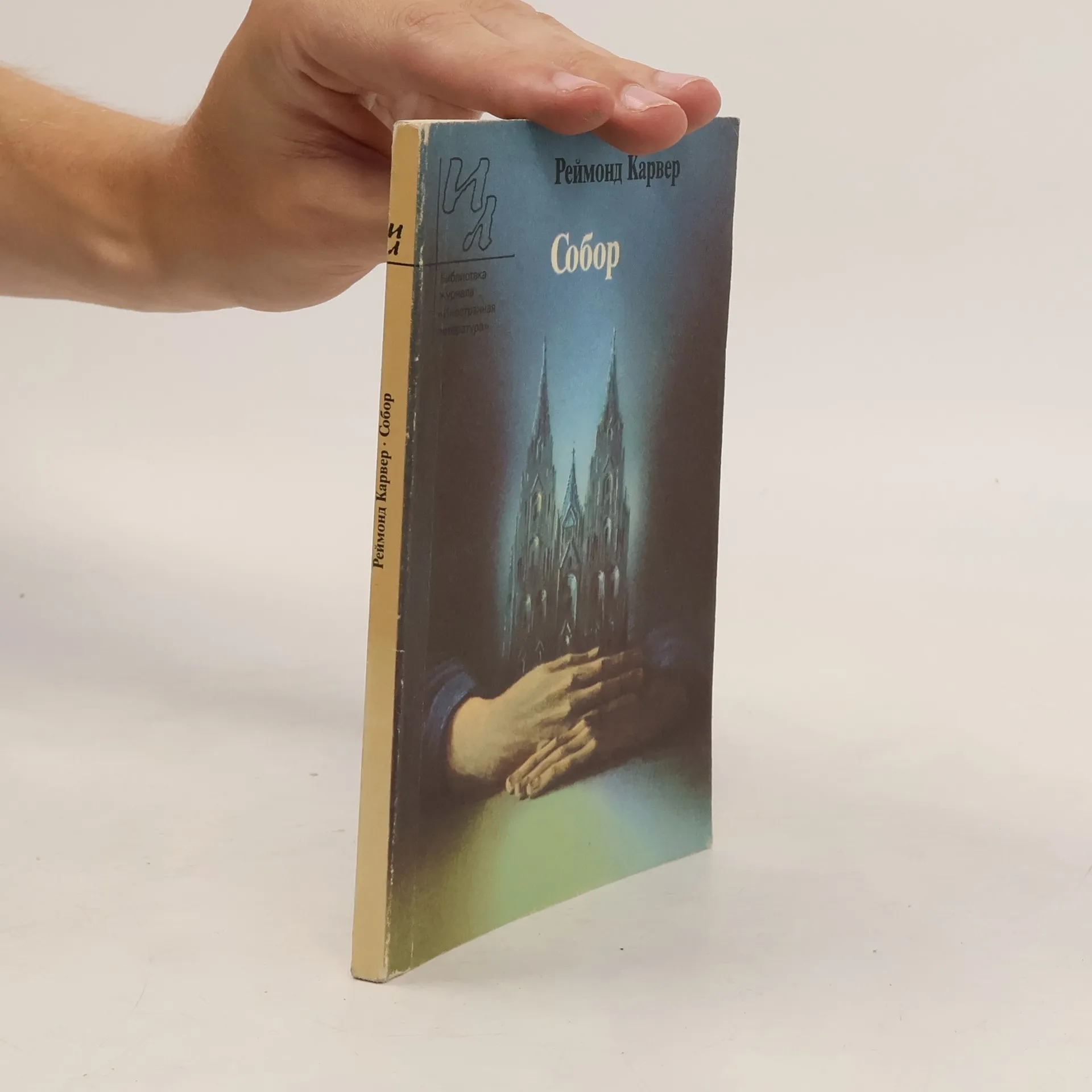
Cathedral: Stories
- 227 pages
- 8 hours of reading
PULITZER PRIZE FINALIST • Twelve short stories that mark a turning point in the work of “one of the true American masters" (The New York Review of Books). “A writer of astonishing compassion and honesty … His eye is so clear, it almost breaks your heart.” —The Washington Post Book World A remarkable collection that includes the canonical titular story about blindness and learning to enter the very different world of another. These twelve stories “overflow with the danger, excitement, mystery and possibility of life.” —The Washington Post Book World
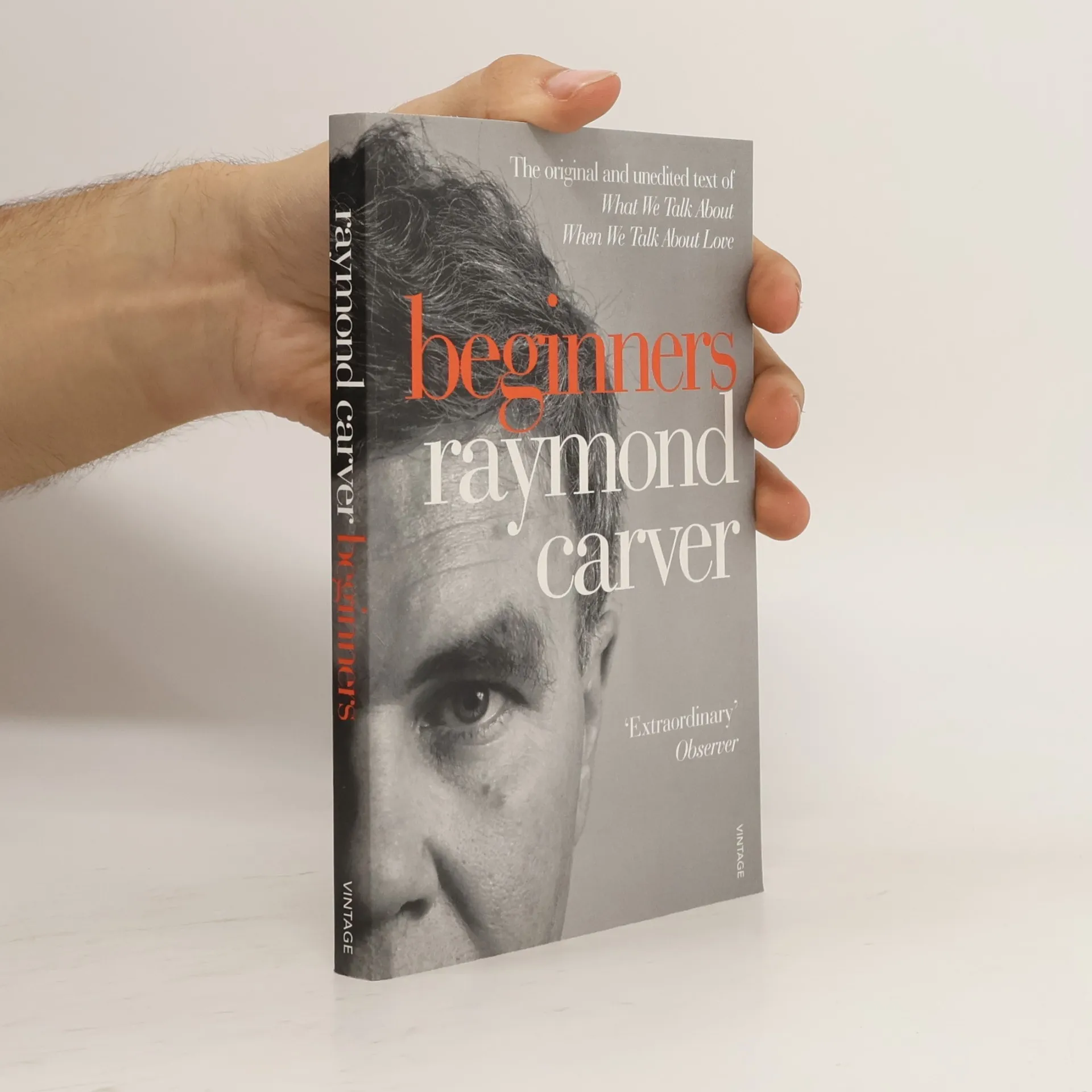
This fascinating collection contains the original, unedited stories Raymond Carver wrote for what became - at the hands of his editor Gordon Lish - What We Talk About When We Talk About Love
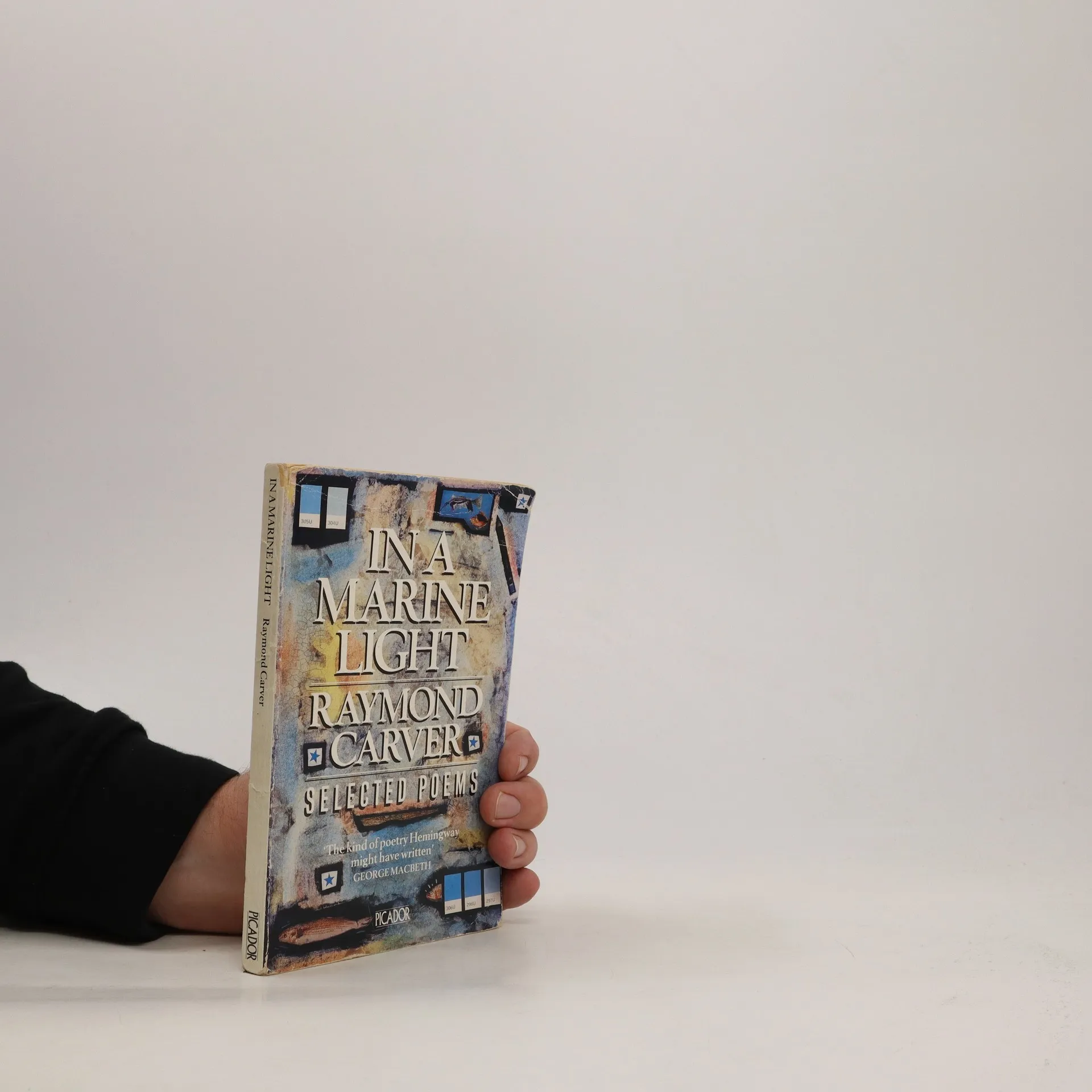
In a Marine Light
- 208 pages
- 8 hours of reading
Raymond Carver (1939 - 1988) es uno de los más grandes escritores norteamericanos de relatos breves, pero no menos notable es su poesía. Bajo una luz marina fue la primera colección de poemas suyos seleccionada por el propio Carver. Incluye poemas de sus libros anteriores aparecidos en ediciones de muy escasa difusión. En ello, demuestra su inigualable talento para convertir a gente y situaciones vulgares y corriente, en algo extraordinario, extraño e indeleble. Y siempre utilizando unas estrategias literarias de apariencia elemental, pero que potencian una visión despojada, donde las personas, las cosas, las sensaciones, quedan en suspenso, sugeridas, levemente apuntadas, aunque se graben permanentemente en la sensibilidad de los lectores. Una constante celebración del amor, la amistad y la sencillez de la vida cotidiana de unos seres de vidas marginales y frecuentemente desesperadas. Traducción de Mariano Antolín Rato. 3ª edición
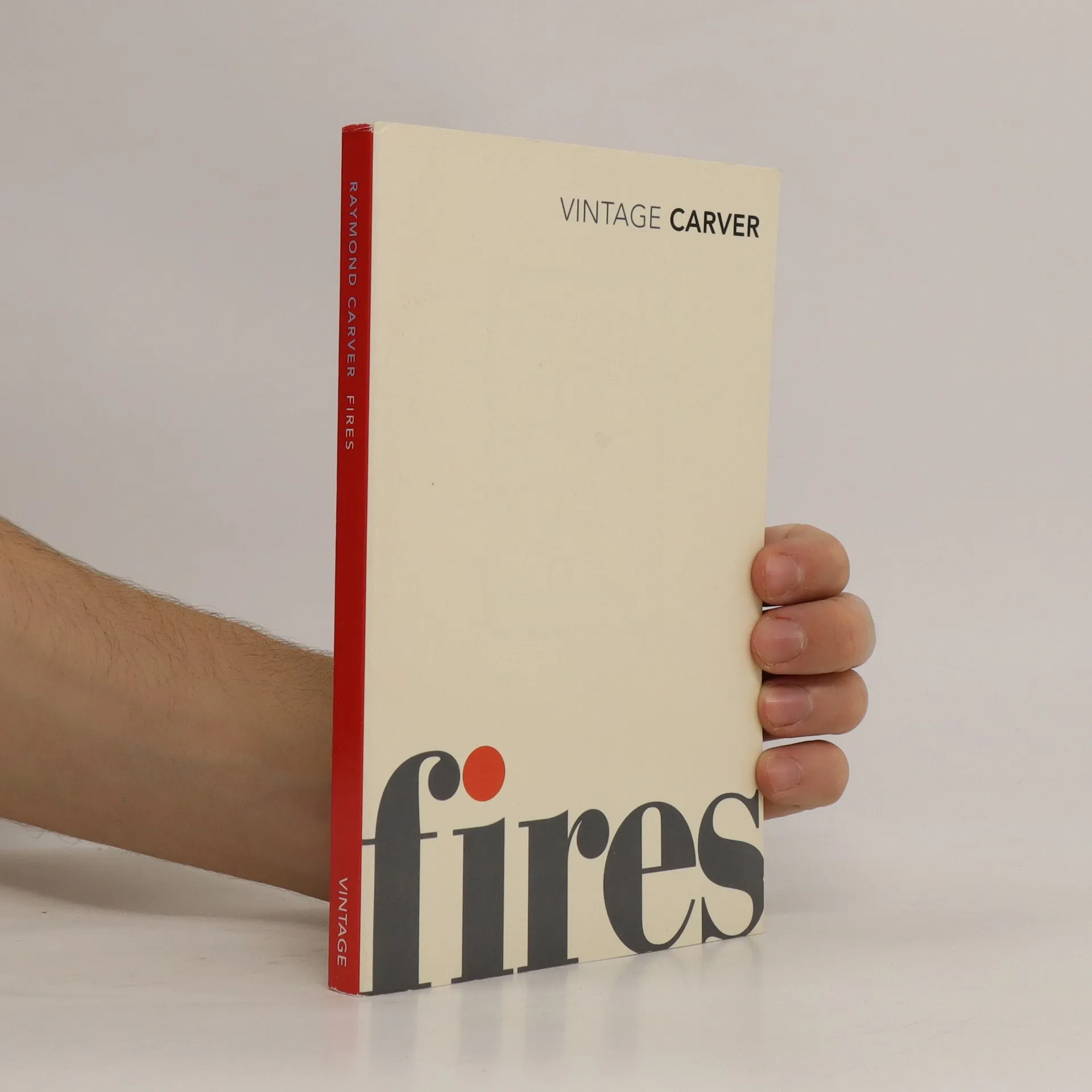
Fires
- 208 pages
- 8 hours of reading
Contains four essays, including a memoir of the author's father's working life in the saw-mills of the Pacific Northwest, a tribute to his mentor John Gardner, and an essay about the influences on his writing life; fifty poems; and, seven stories.
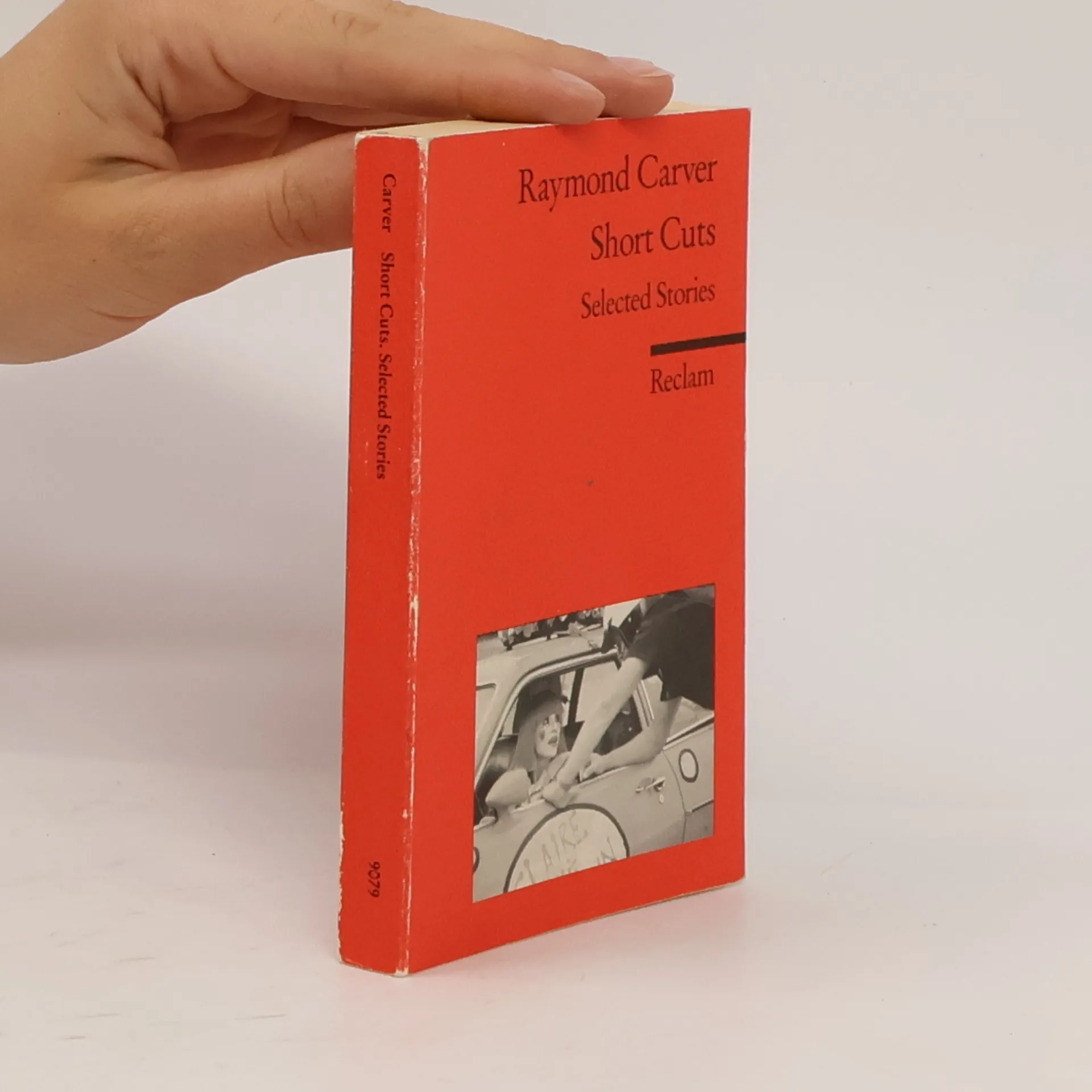
Short cuts
- 240 pages
- 9 hours of reading
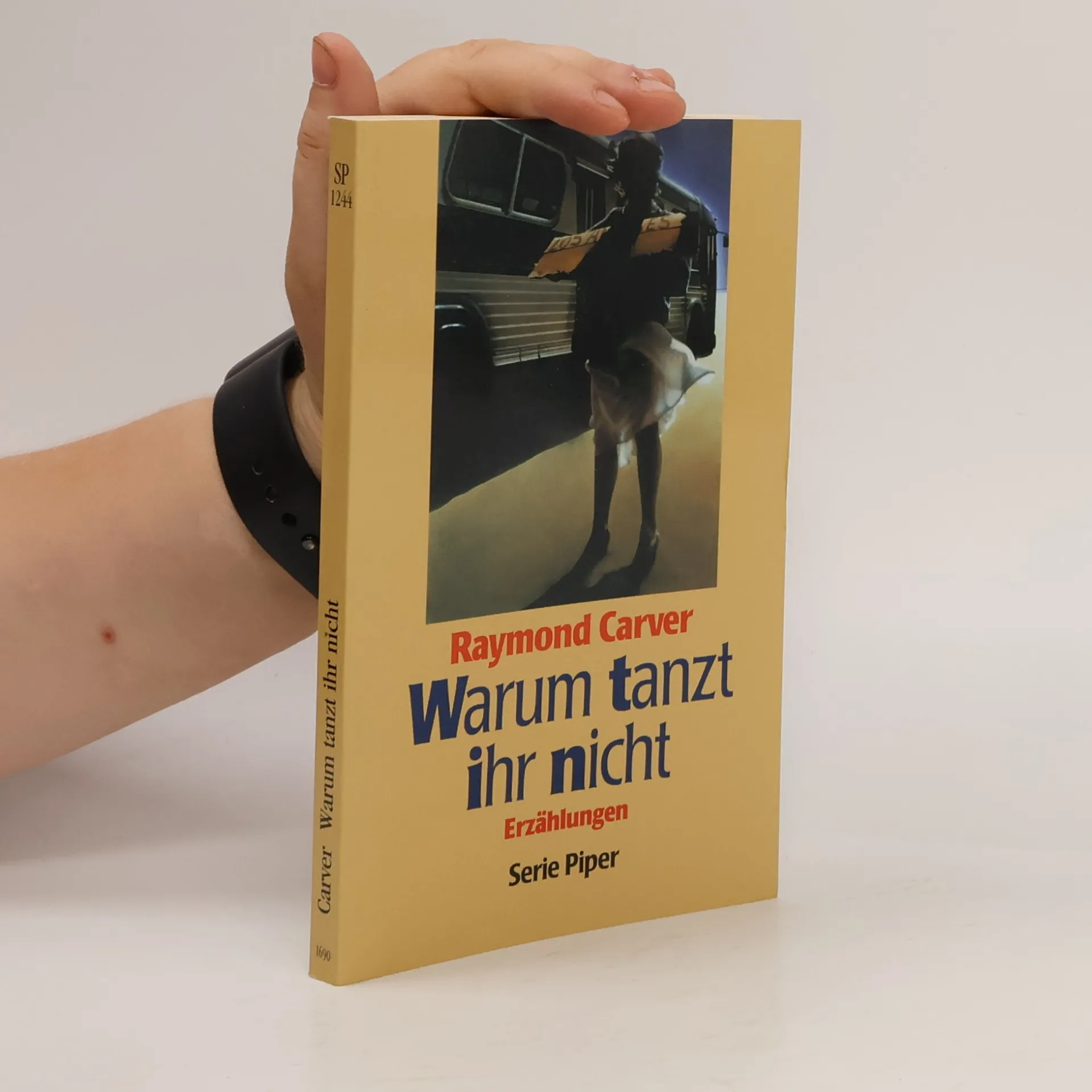
Englische Literatur in Reclams Roter Reihe: das ist der englische Originaltext – mit Worterklärungen am Fuß jeder Seite, Nachwort und Literaturhinweisen. Carver (1938–1988) gilt als einer der wichtigsten Short-Story-Autoren der amerikanischen Literatur in der zweiten Hälfte des 20. Jahrhunderts. Sein Stil ist unverwechselbar. Short Cuts bietet jene Auswahl von Stories, die Robert Altman seinem berühmten Episodenfilm von 1993 zugrunde gelegt hat: Neighbors – They’re Not Your Husband – Vitamins – Will You Please Be Quiet, Please? – So Much Water So Close to Home – A Small, Good Thing – Jerry and Molly and Sam – Collectors – Tell the Women We’re Going – Lemonade.
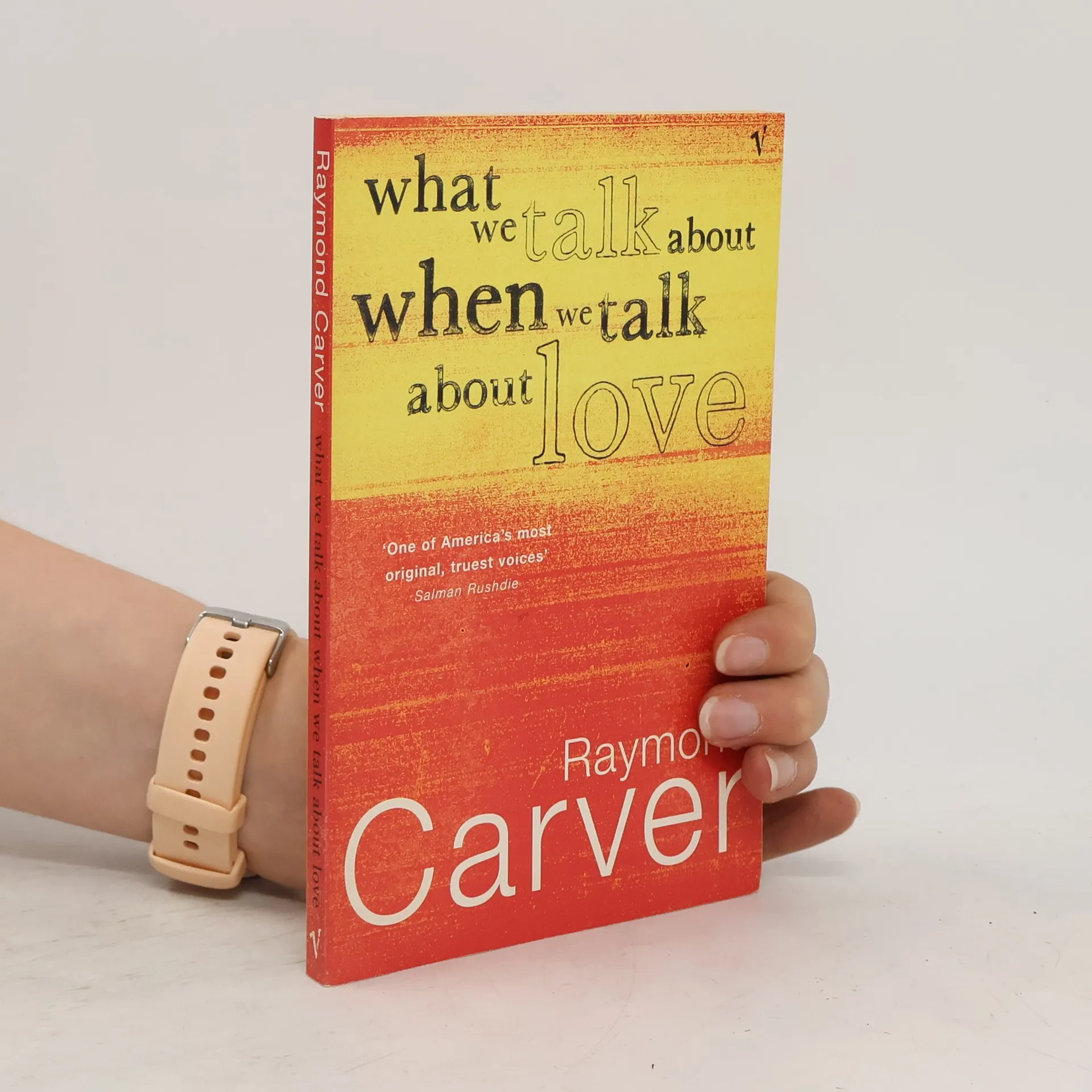
What We Talk about when We Talk about Love
- 144 pages
- 6 hours of reading
In these stories, some only three or four pages long, plots are set in motion with astonishing speed, narration is colloquial and laconic, dialogue reveals an ear for the way people speak, and every story packs a devastating emotional charge
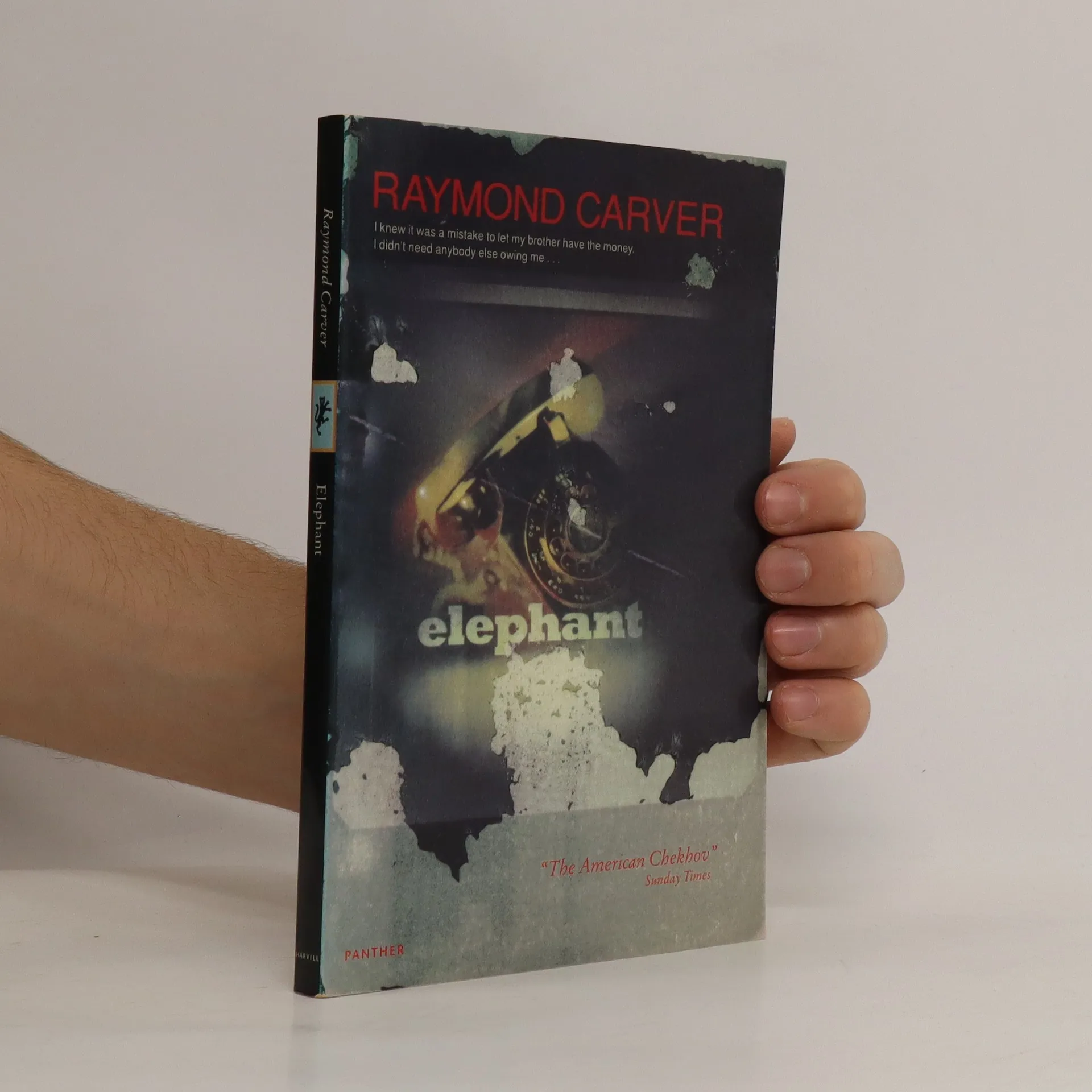
The last collection of stories written by Raymond Carver before his death.
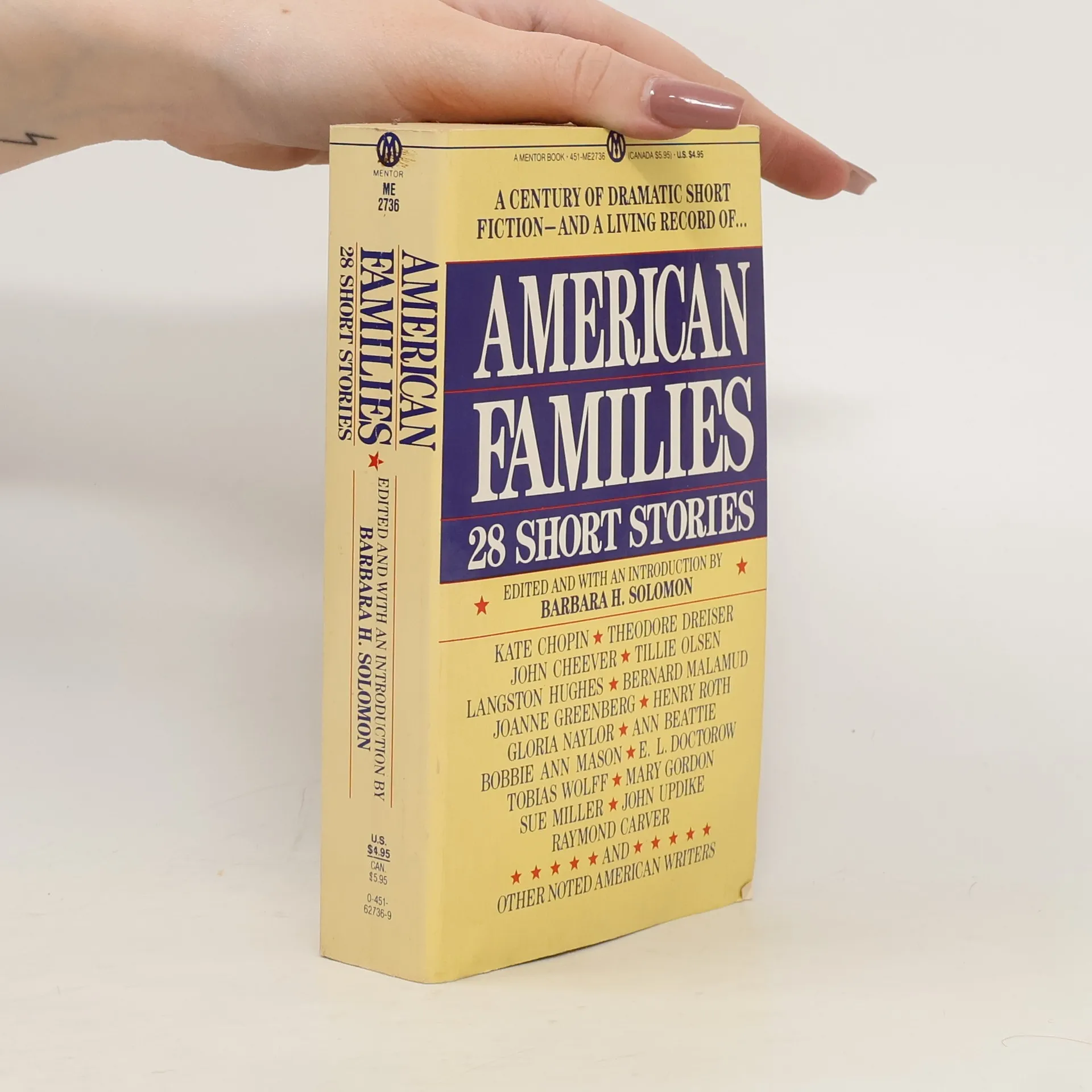
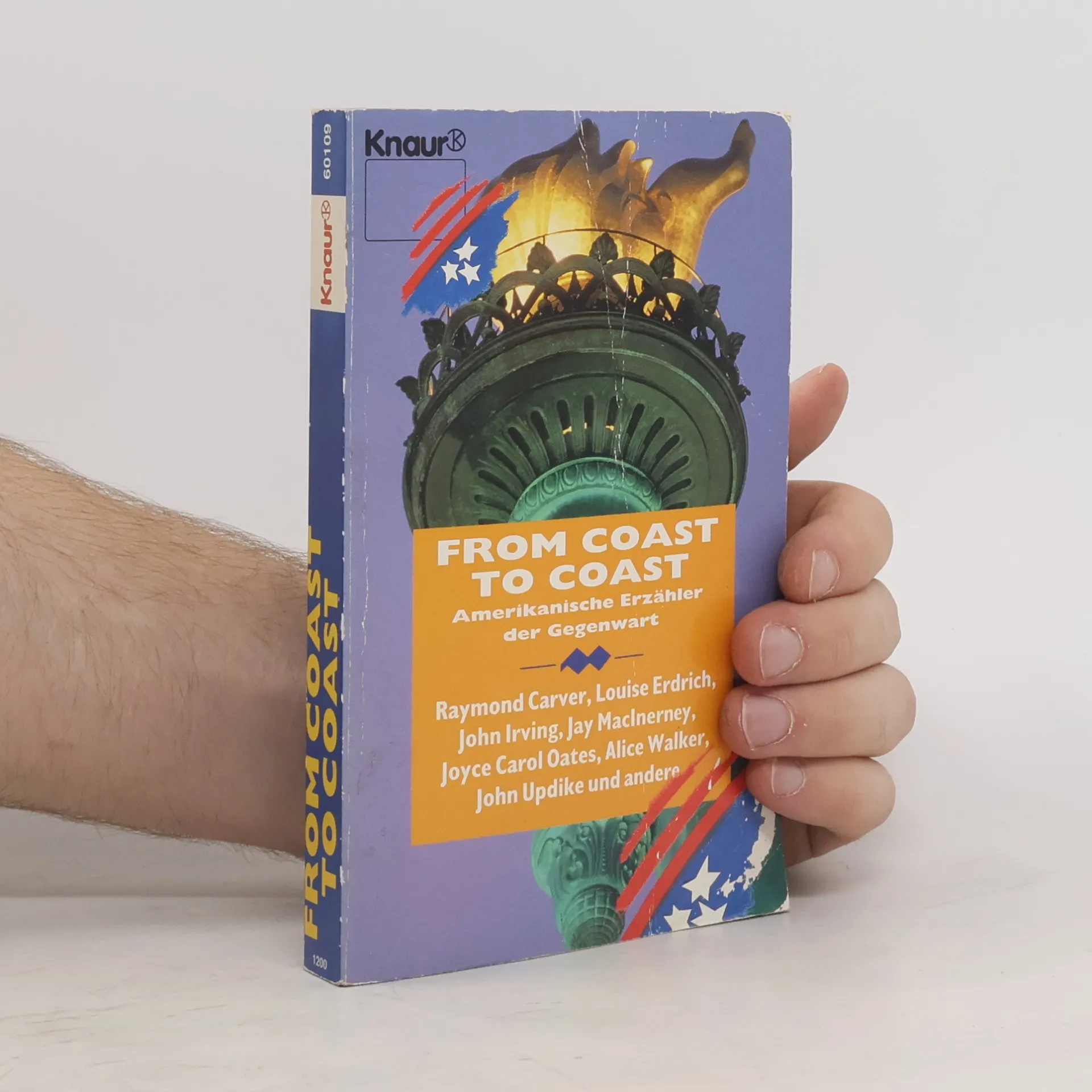
This stunning collection of 28 stories brings readers a literary portrait of the American family from 1894 to today. A collection of works that captures the essence of American families from living together and apart to loving and letting go.Regret / Kate Chopin --The lombardy poplar / Mary Wilkins Freeman --The widow's might / Charlotte Perkins Gilman --Old Rogaum and his Theresa / Theodore Dreiser --The sorrows of gin / John Cheever --I stand here ironing / Tillie Olsen --Simple and Counsin F.D. Roosevelt Brown / Langston Hughes --The sky is gray / Ernest J. Gaines --My Coney Island uncle / Harvey Swados --My son the murderer / Bernard Malamud --Final dwarf / Henry Roth --And Sarah laughed / Joanne Greenberg --Wedding day / Roberta Silman --The legacy of Beau Kremel / Stephen Wolf --Kiswana Brown / Gloria Naylor --Tuesdays / Mary Hedin --Afloat / Ann Beattie --Winterblossom garden / David Low --Old things / Bobbie Ann Mason --Starlight / Marian Thurm --The writer in the family / E.L. Doctorow --The rich brother / Tobias Wolff --My legacy / Don Zacharia --Violation / Mary Gordon --Appropriate affect / Sue Miller --What I did for love / Lynne Sharon Schwartz --Still of some use / John Updike --Elephant / Raymond Carver
Call If You Need Me
- 256 pages
- 9 hours of reading
When he died in August 1988, Raymond Carver had just published what were thought to be his last stories in the collection entitled Elephant and his own collection of stories, Where I'm Calling from. schovat popis
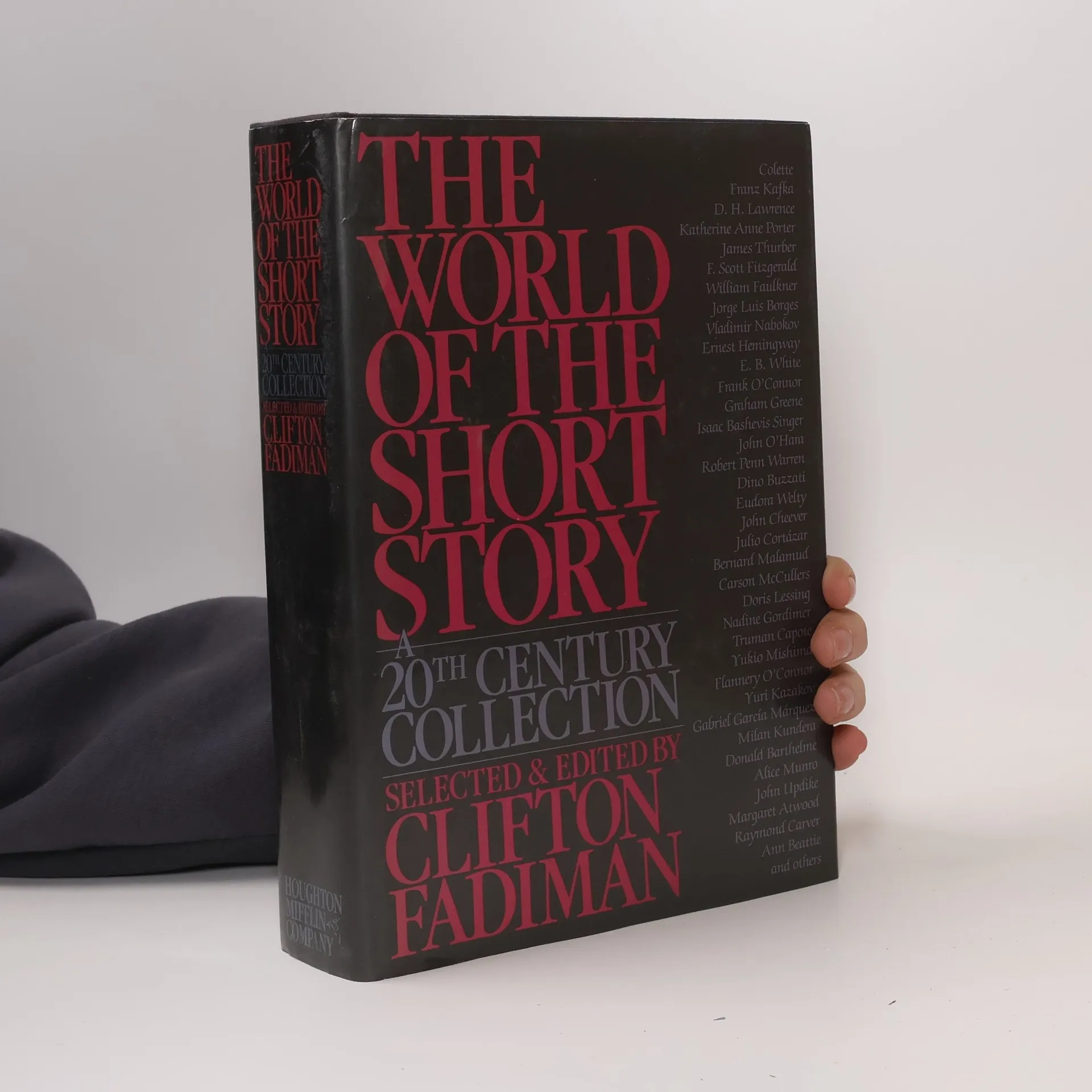
At age 82, Clifton Fadiman continues his prolific publishing career, here presenting 62 of the world's best short stories from 16 countries. His criteria? "Each story had to be both interesting and of high literary merit." Fadiman fulfills both requirements and much more, offering a cornucopia of superior 20th-century writers that includes Franz Kafka, D. H. Lawrence, Isaac Babel, F. Scott Fitzgerald, William Faulkner, Ernest Hemingway, John Cheever, Sean O'Faolain, Graham Greene, Robert Penn Warren, Colette, John Updike, Donald Barthelme, and James Thurber. (Regrettably, J. D. Salinger is not included due to lack of permission.) Here is a truly remarkable collection of this century's short stories that readers from all over the world will read with delight.
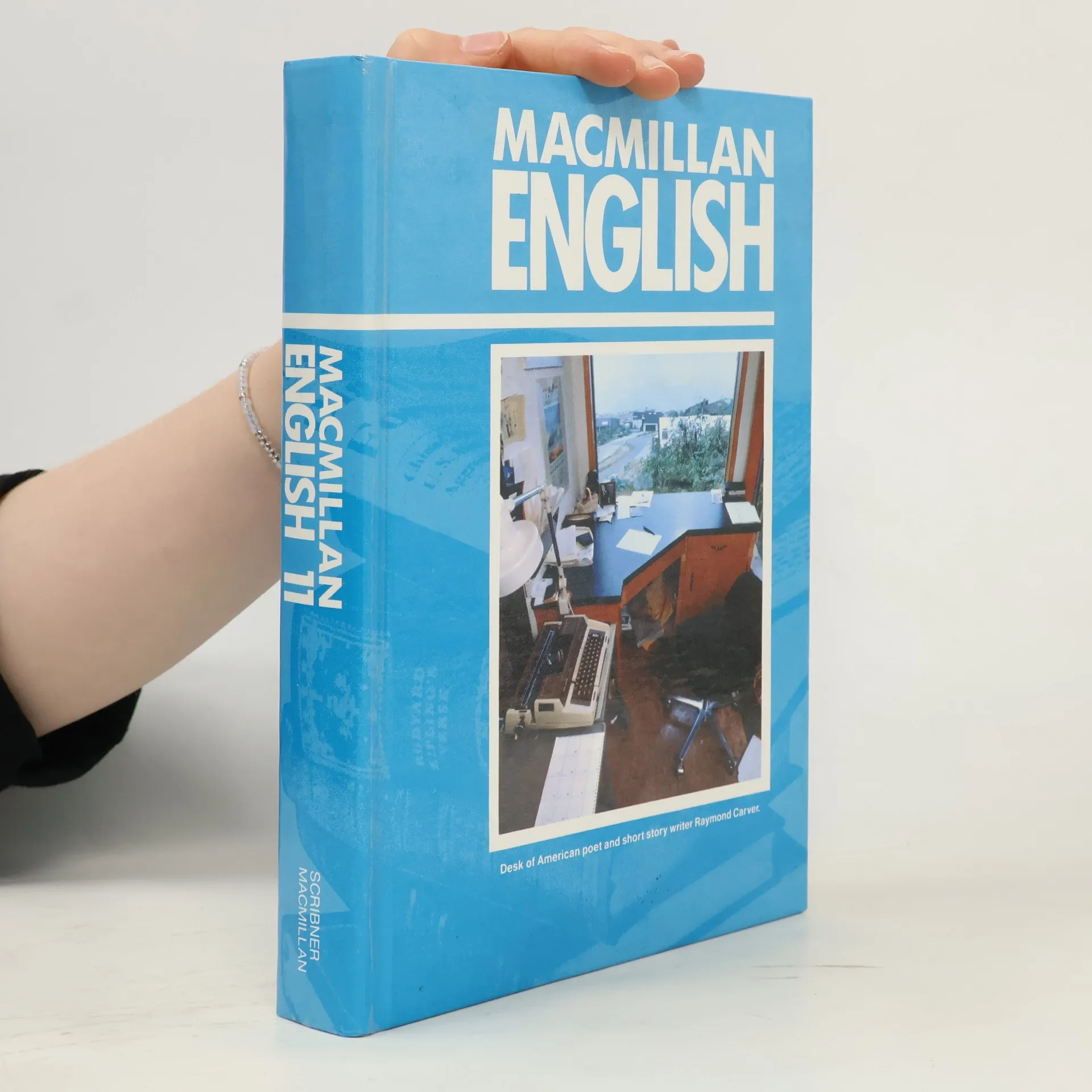
Macmillan English
- 695 pages
- 25 hours of reading
A series of texts on English grammar, usage, composition and skills with exercises for each level.
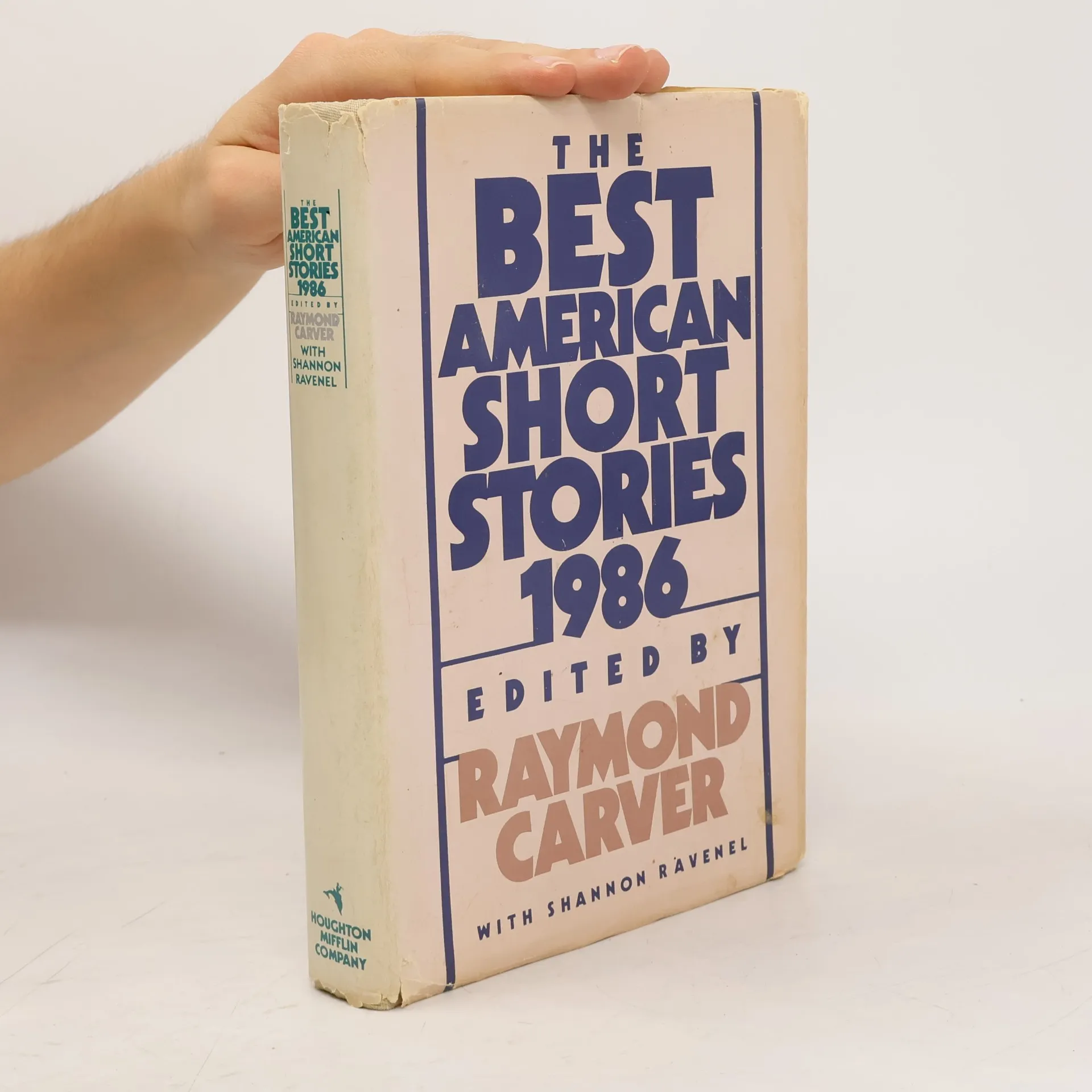
The Best American Short Stories 1986
- 325 pages
- 12 hours of reading
Short Stories by Ann Beattie, Ethan Canin, Joy Williams, Richard Ford, Tobias Wolff, Alice Munro, Thomas McGuane, Lord Tweedsmuir, Donald Barthelme, Raymond Carver, and many others.
All'inizio del 1988, poco prima di morire, Raymond Carver ha riunito una cinquantina di poesie scritte soprattutto nell'ultimo periodo, segnato dalla consapevolezza della malattia fatale che l'aveva colpito. Il risultato è una dichiarazione d'amore per la vita e per il lavoro di scrittore, e insieme uno straordinario documento che trascende, pur esaltandola, l'autobiografia poetica. La nuova edizione di questa raccolta è arricchita da un saggio di Salman Rushdie.
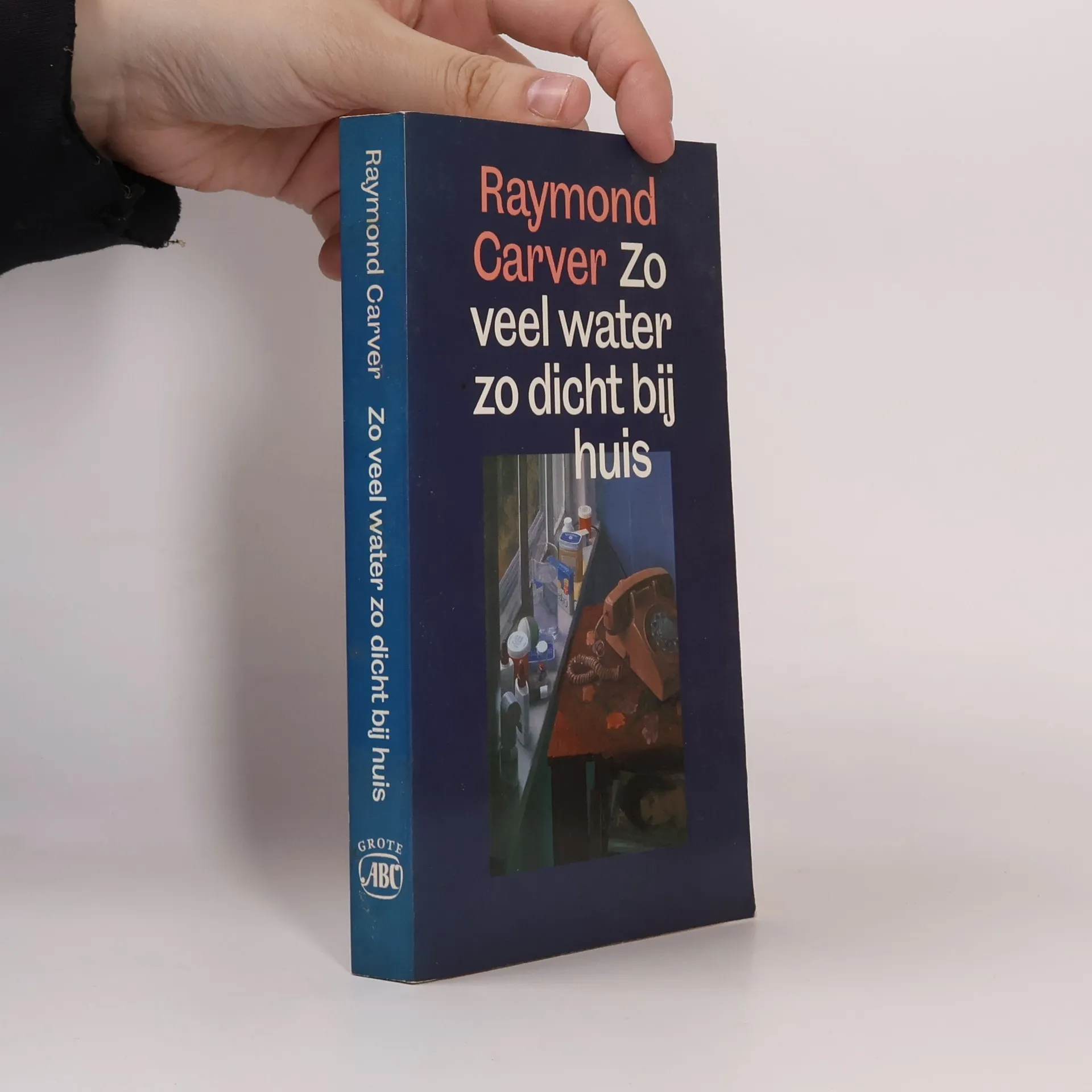
Zo veel water zo dicht bij huis
- 195 pages
- 7 hours of reading
Bundeling van de verhalenbundels van de Amerikaanse schrijver (1938-1988).
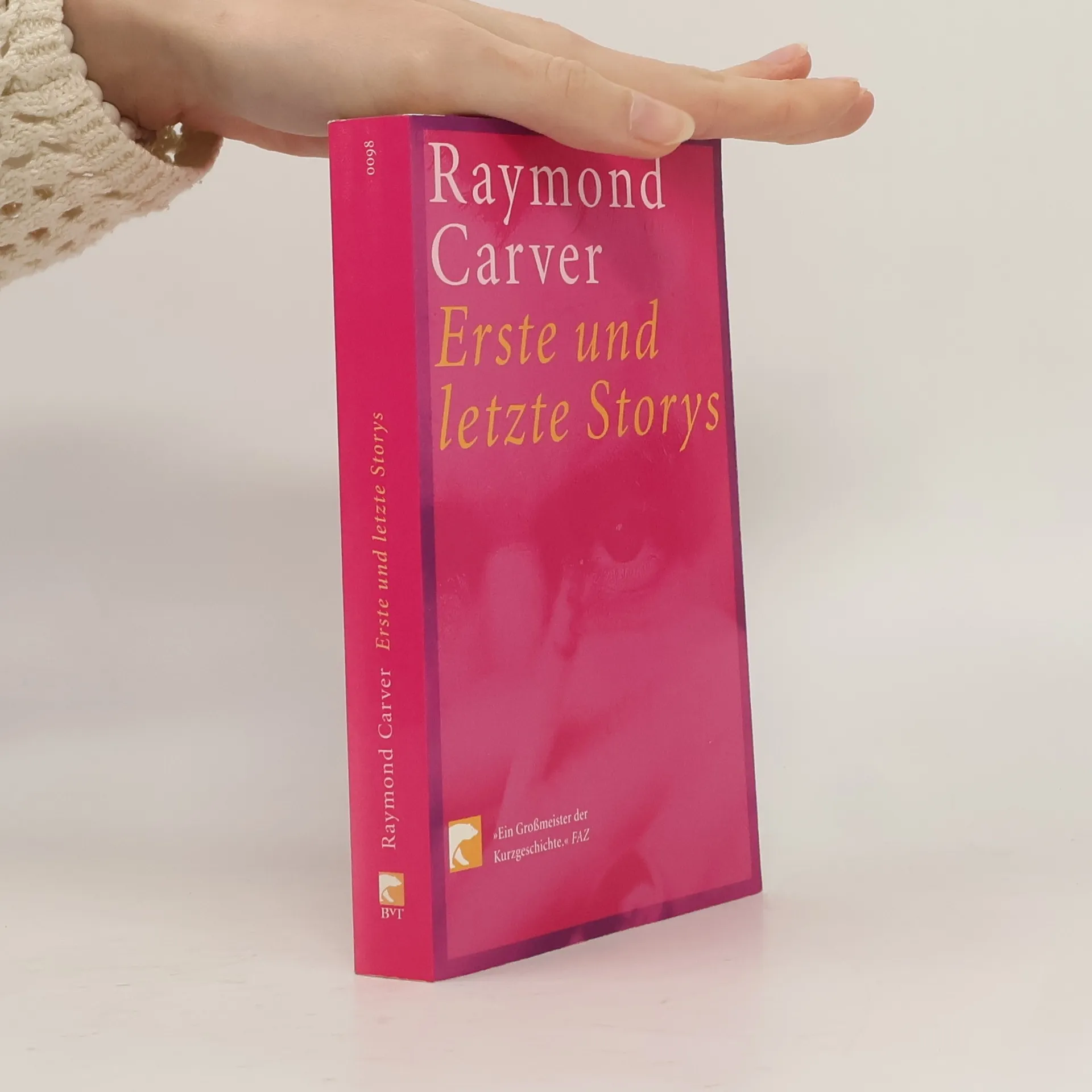
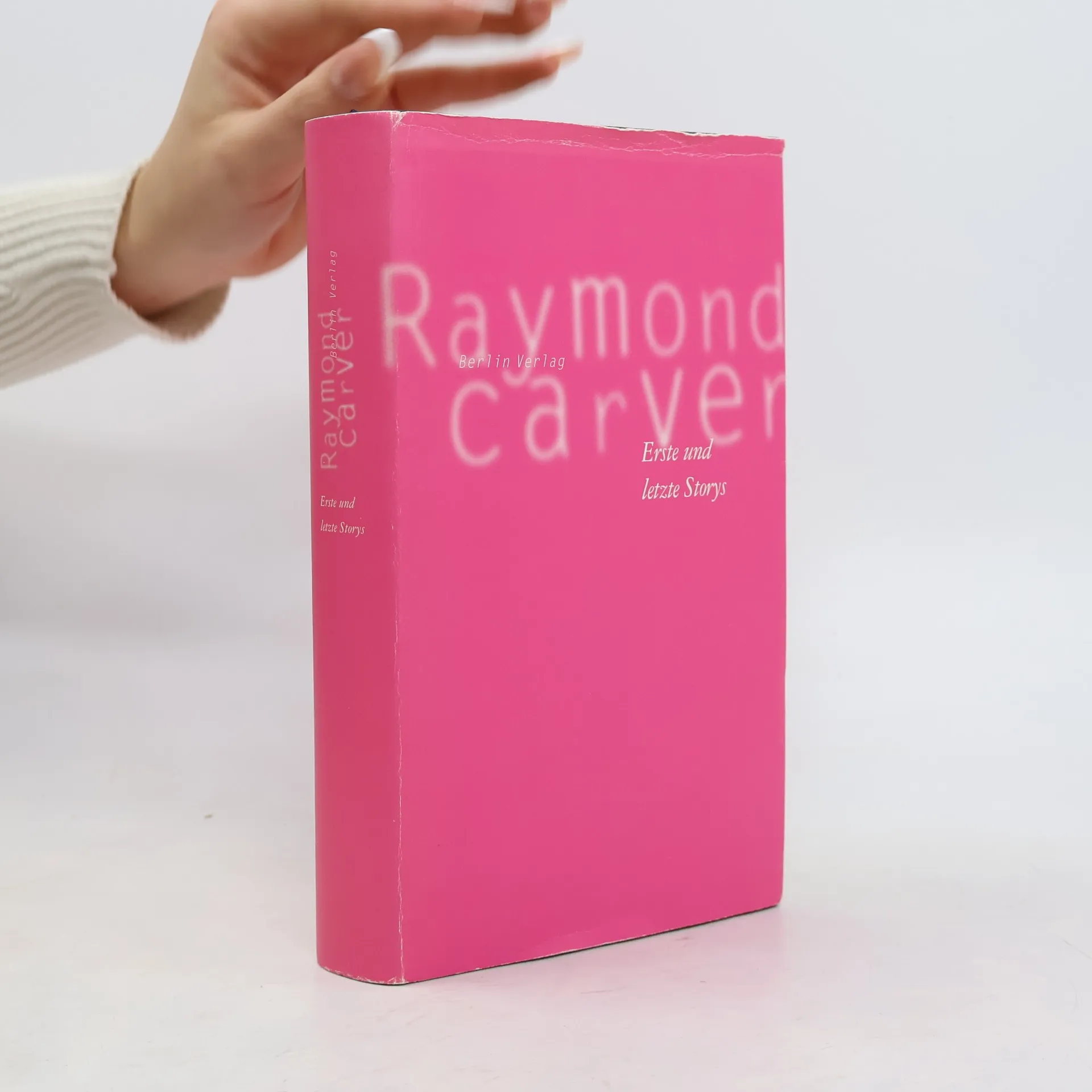
Erste und letzte Storys. Erzählungen
- 350 pages
- 13 hours of reading
Carver thematisiert in seinen ersten und letzten Geschichten die Verlierer der amerikanischen Gesellschaft und deren kleine Tragödien. Mit meisterhafter Kürze und Präzision schildert er das Leben der unteren Mittelschicht und zeigt sich als Meister der psychologischen Erzählung, inspiriert von Faulkner und Tschechow.
En 1990 Robert Altman leyó los relatos de Carver y tuvo claro que allí había una película. Para realizarla, el ci- neasta «dialogó» con el escritor, combinó sus textos, movió personajes de una historia a otra y, a su manera, compuso una suerte de memorable «gran novela americana» filmada. Estos son los relatos que inspiraron la película.
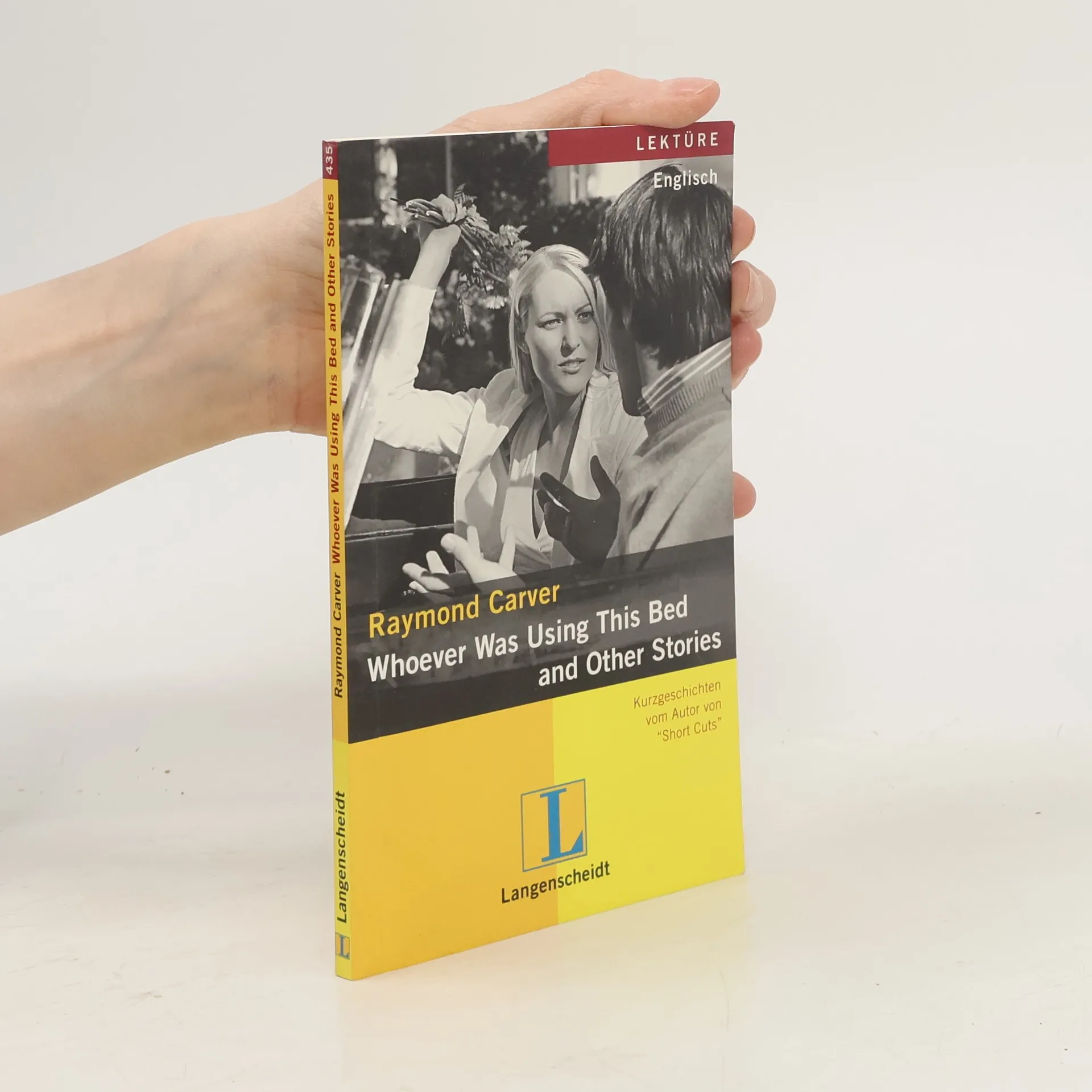
Whoever Was Using This Bed and Other Stories
- 70 pages
- 3 hours of reading
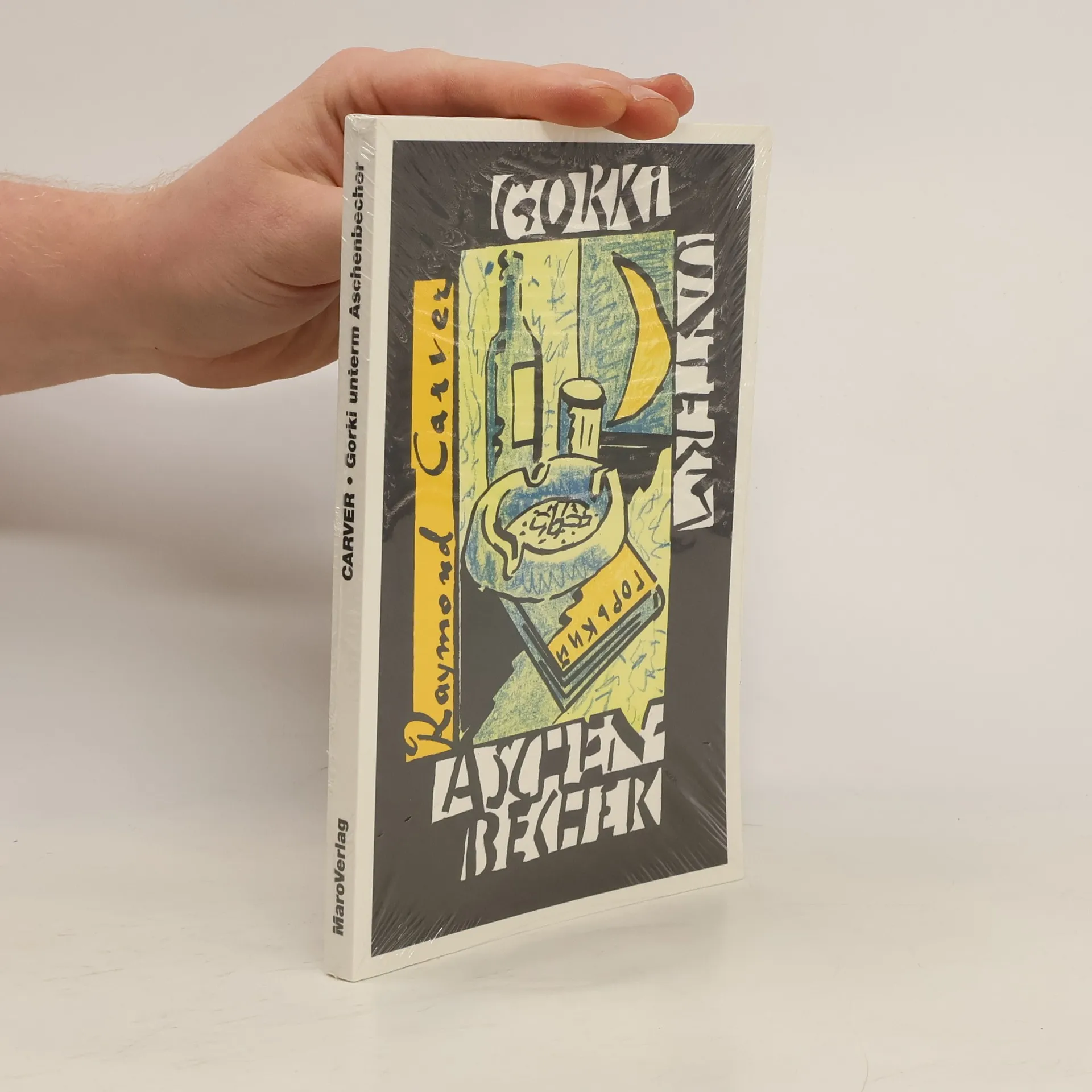
Raymond Carver, der Meister der US-Short-Story, schrieb auch eine handvoll Gedichtbände. „Gorki unterm Aschenbecher“ ist eine Auswahl seiner besten Gedichte, die wie „Verkehrsunfälle“ oder wundersame Fluchten sind.„Kein anderer kann in aller Kürze so vielfältig schreiben und so umfassend wie Raymond Carver“. - The New York Times Book Review
Gorki unterm Aschenbecher
Gedichte. 138 Min.
Kerstverhalen - Samengesteld door Loek Polders
- 192 pages
- 7 hours of reading
Françoise Sagan - Een hondse nachtJeannette Winterson - O'Briens eerste KerstmisDylan Thomas - Gesprek over KerstmisRaymond Carver - Een rustig gesprekAnna Blaman - De arme studentAnton Coolen - Onnozele kinderenSimon Carmiggelt - KerstpakjeMaurits Dekker - Amsterdam bij gaslichtAgatha Christie - Avontuur met een kerstpuddingHerbert reinecker - De vreemde kerstmanStanley Ellin - Dood op kerstavondJohn Henrik Clarke - De kerstman is een blanke manAlice CHildress - Vrolijk kerstfeest, Marge!Daphne du Maurier - Gelukkig kerstfeestGrace Paley - De luidste stemAstrid Lindgren - Pelle loopt weg
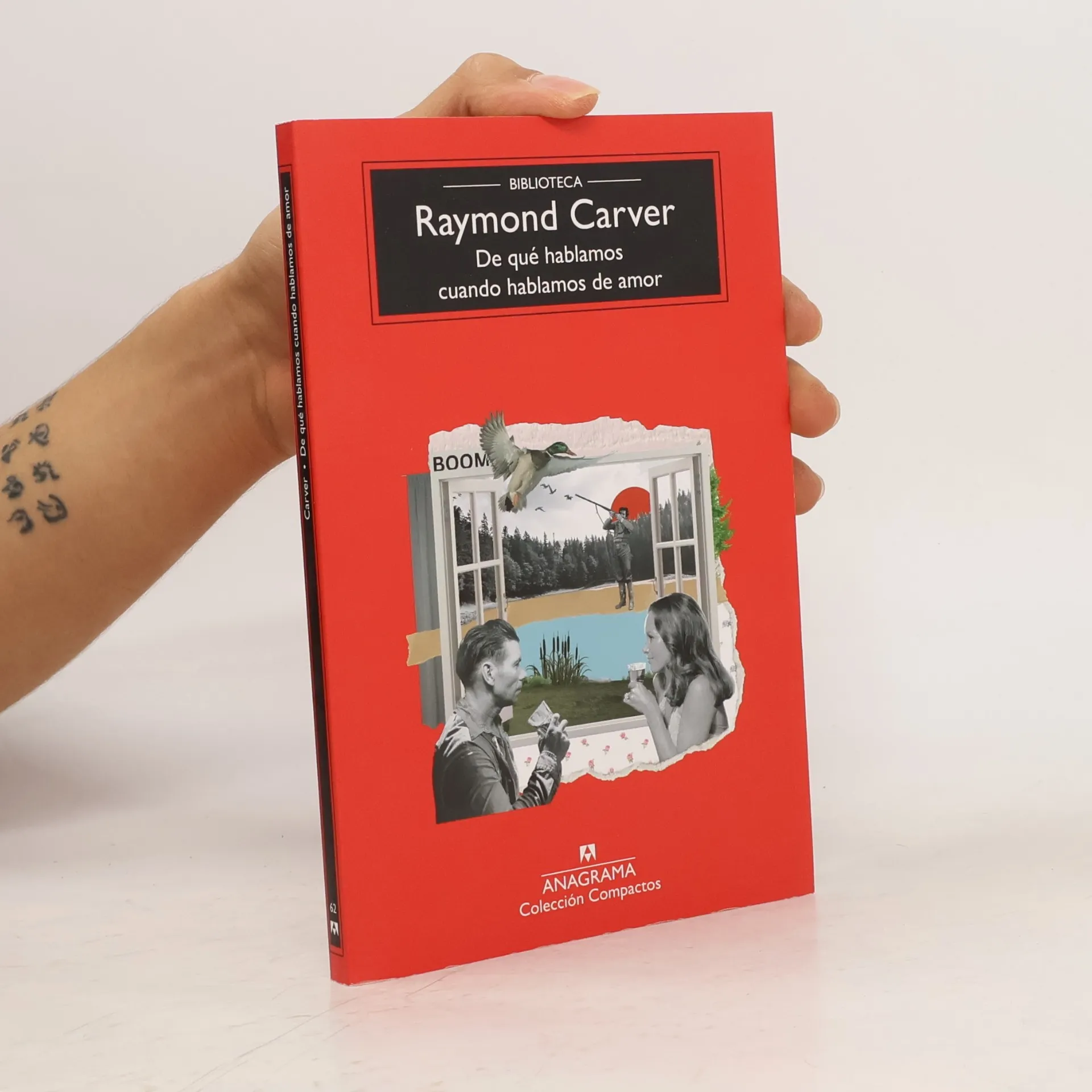
Colección Compactos - 62: De qué hablamos cuando hablamos de amor
- 160 pages
- 6 hours of reading
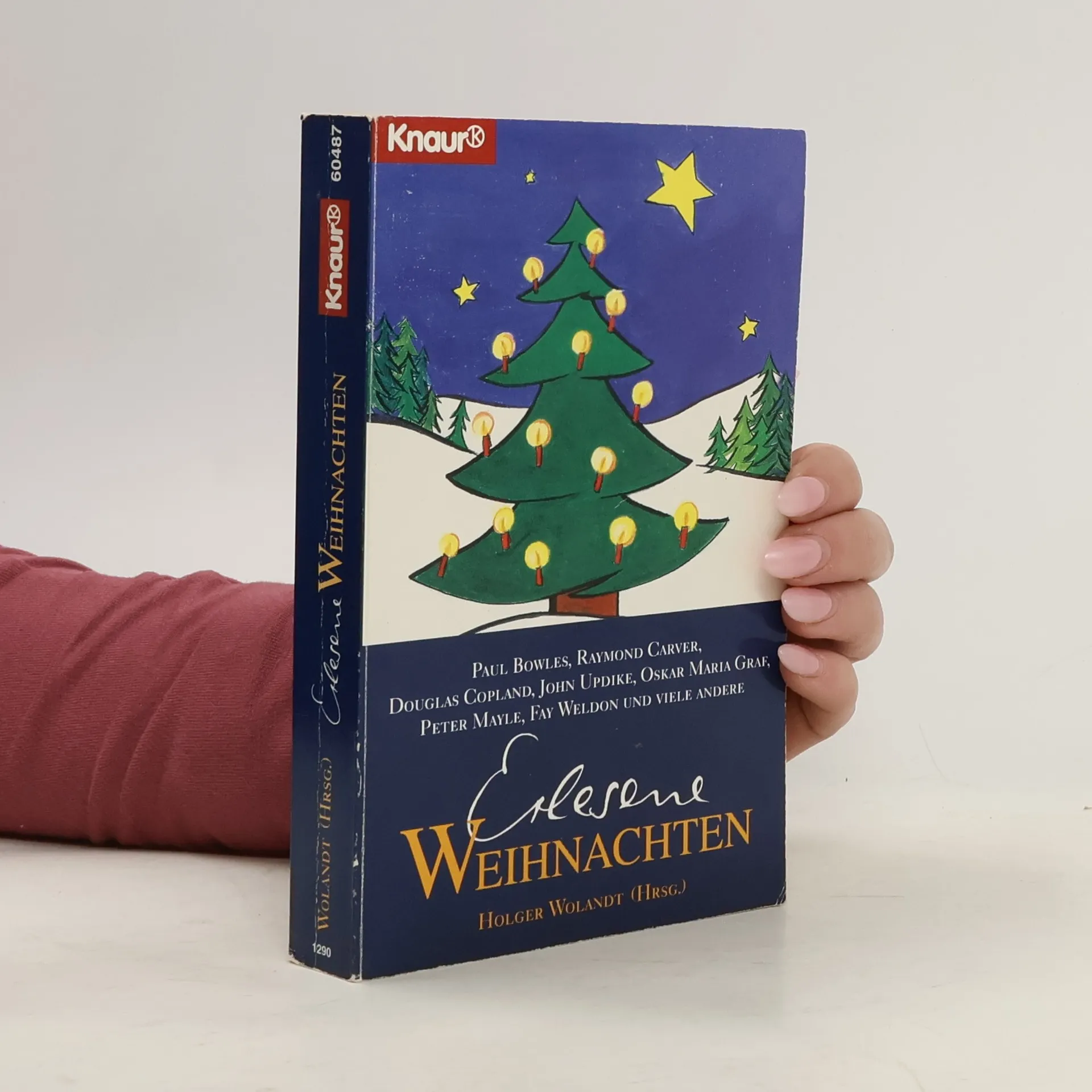
Erlesene Weihnachten
Weihnachtsgeschichten v. Paul Bowles, Raymond Carver, Theodor Fontane u. a.
- 421 pages
- 15 hours of reading