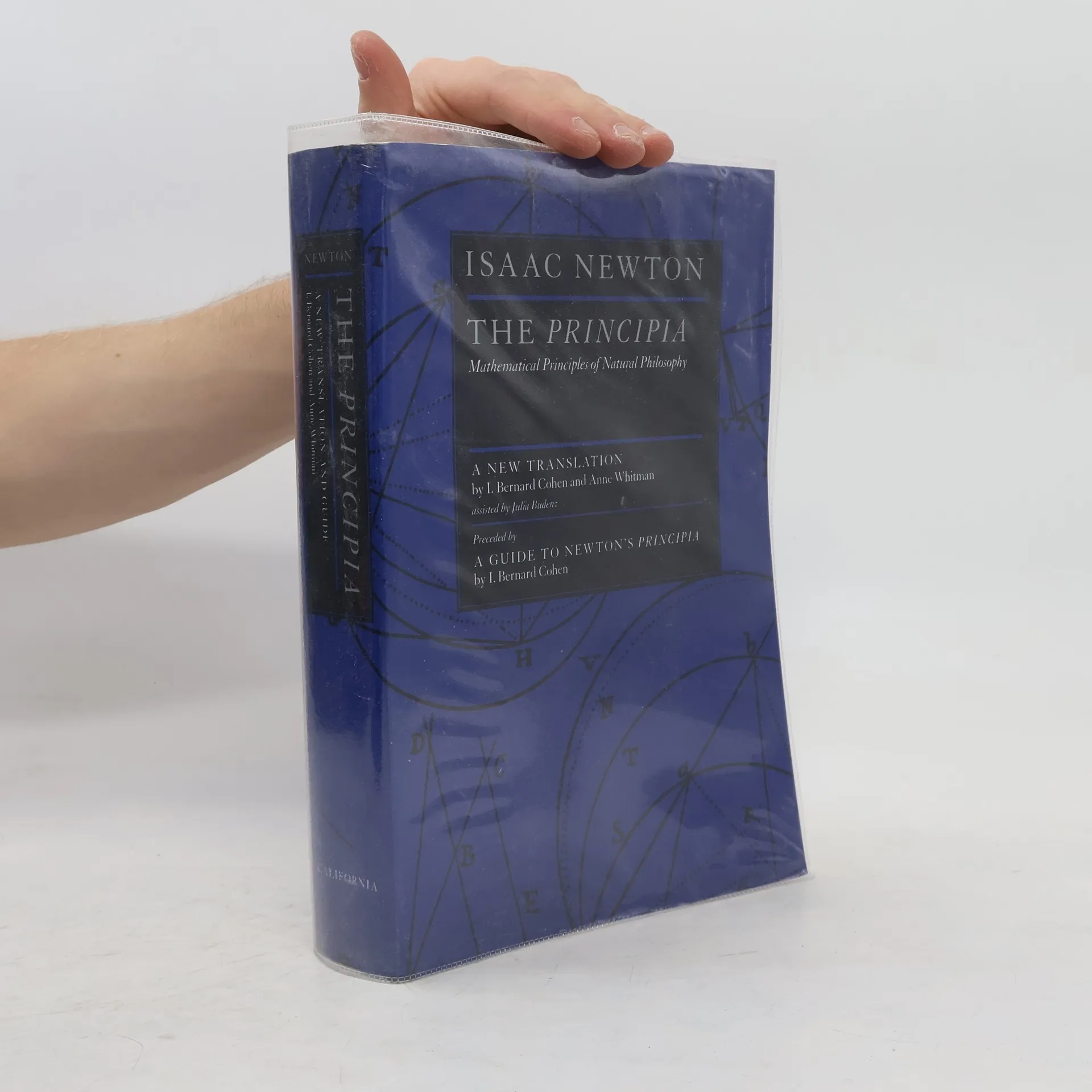
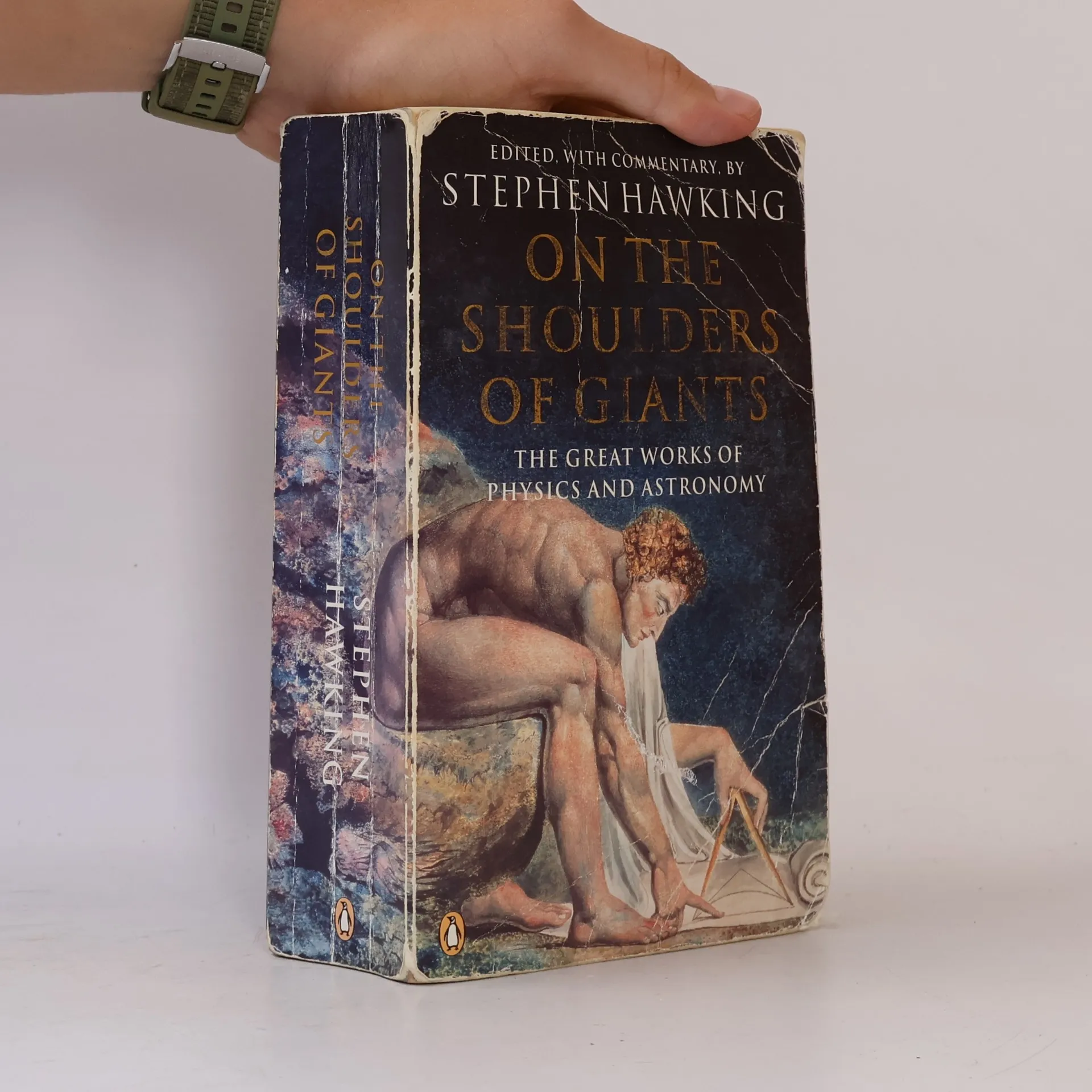
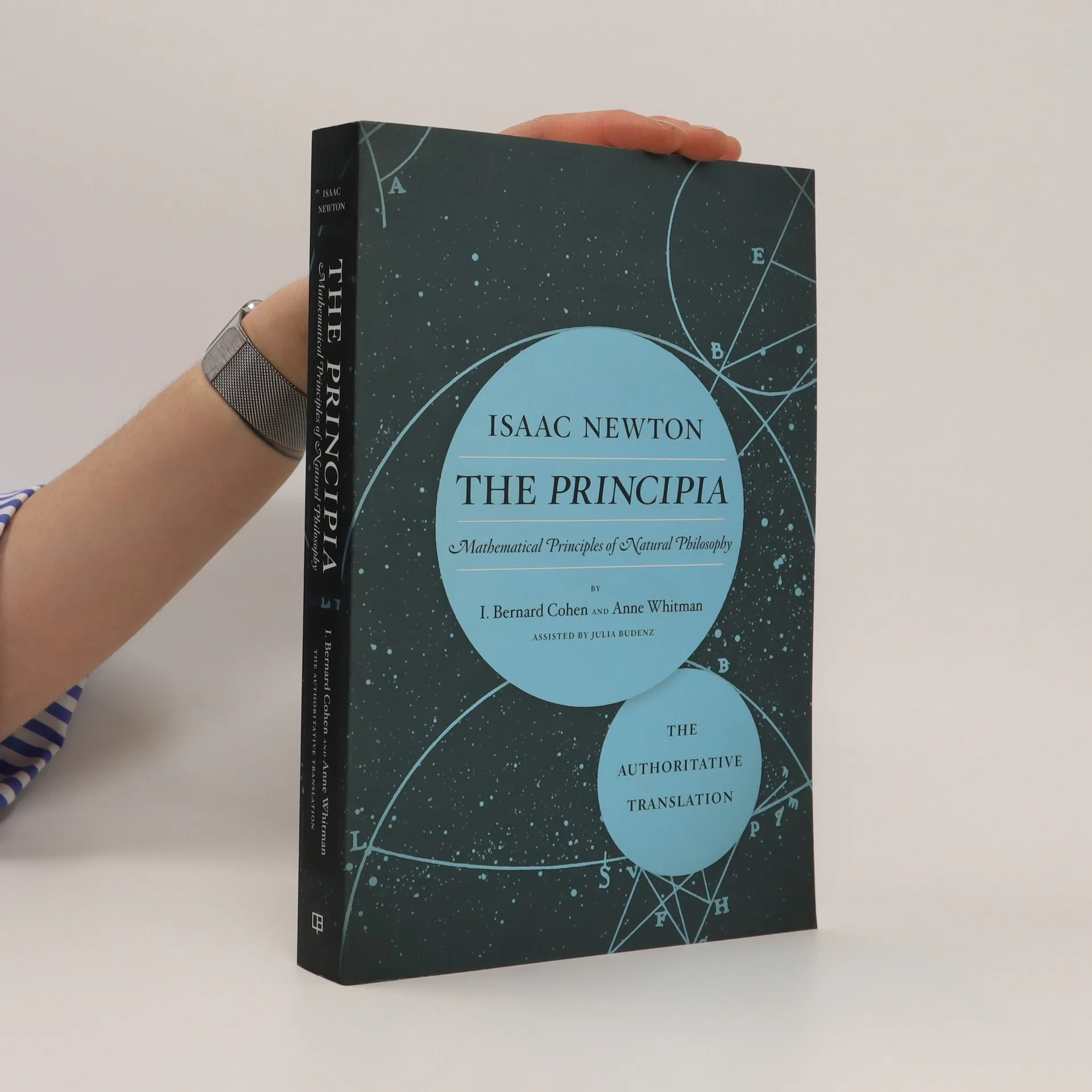
Sir Isaac Newton was an English scientist whose work in physics, mathematics, and astronomy fundamentally reshaped our understanding of the universe. His revolutionary theories of universal gravitation and the laws of motion, detailed in his seminal work, laid the groundwork for classical mechanics. This treatise not only unified celestial and terrestrial motions under a single set of natural laws but also advanced the scientific revolution. Newton also made profound contributions to optics and mathematics, including the development of calculus.
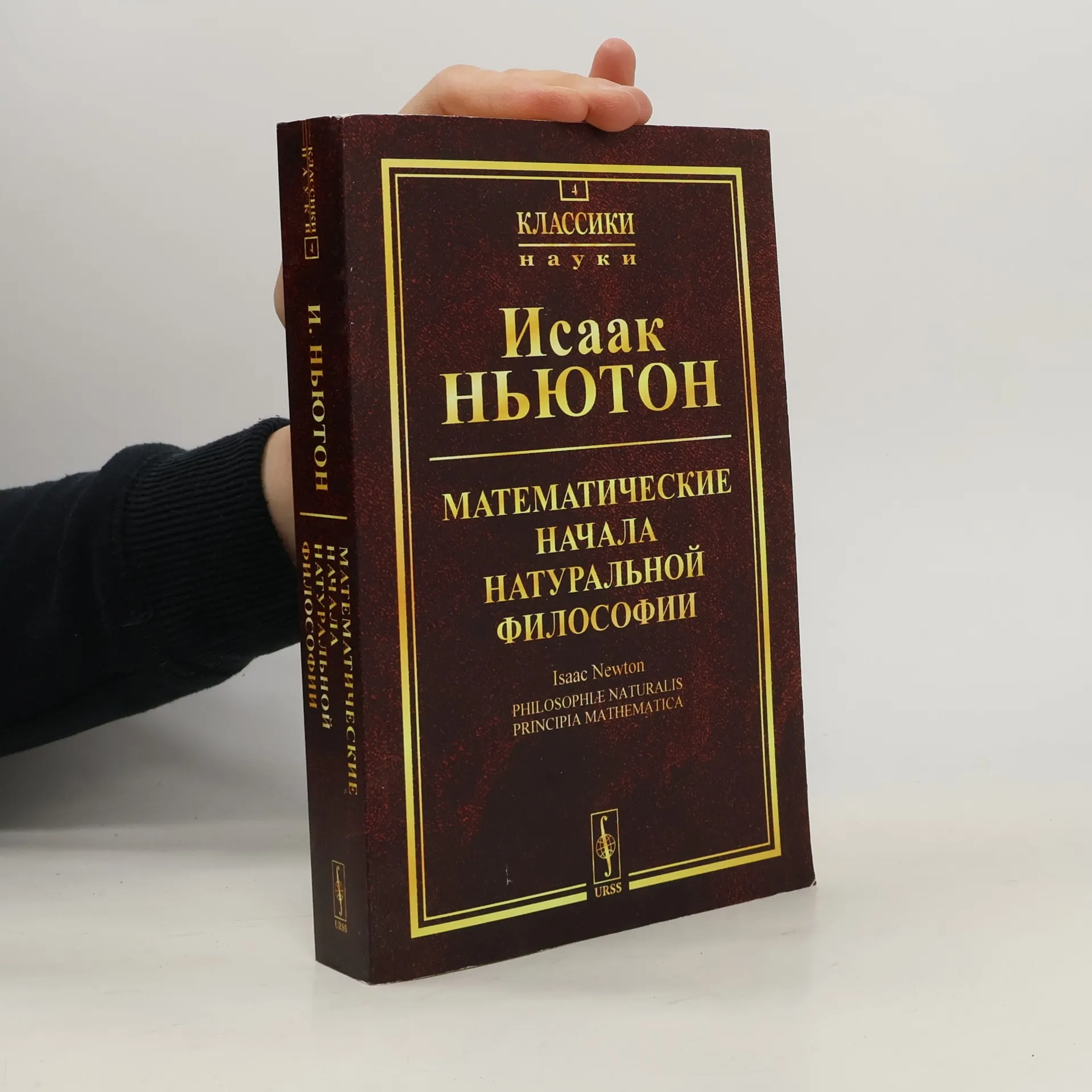
Isaac Newton's 1687 work, "Philosophiae Naturalis Principia Mathematica," presents the foundational principles of time, force, and motion that shaped modern physical science. This edition features a contemporary translation based on the 1726 version, making it accessible for today's readers.
Stephen Hawking explains how such great men of science as Copernicus, Galileo, Kepler, Newton and Einstein built on the discoveries of those who came before them, and how these works changed the course of science, ushering astronomy and physics out of the Middle Ages and into the modern world.
A new, popular abridged edition with a clear introduction. The Principia is
one of the most important scientific works ever written and continues
profoundly to impact on modern science. It states Newton's Laws of Motion and
Law of Universal Gravitation revealing Newton as a rare genius,
revolutionizing our understanding of the world around us.
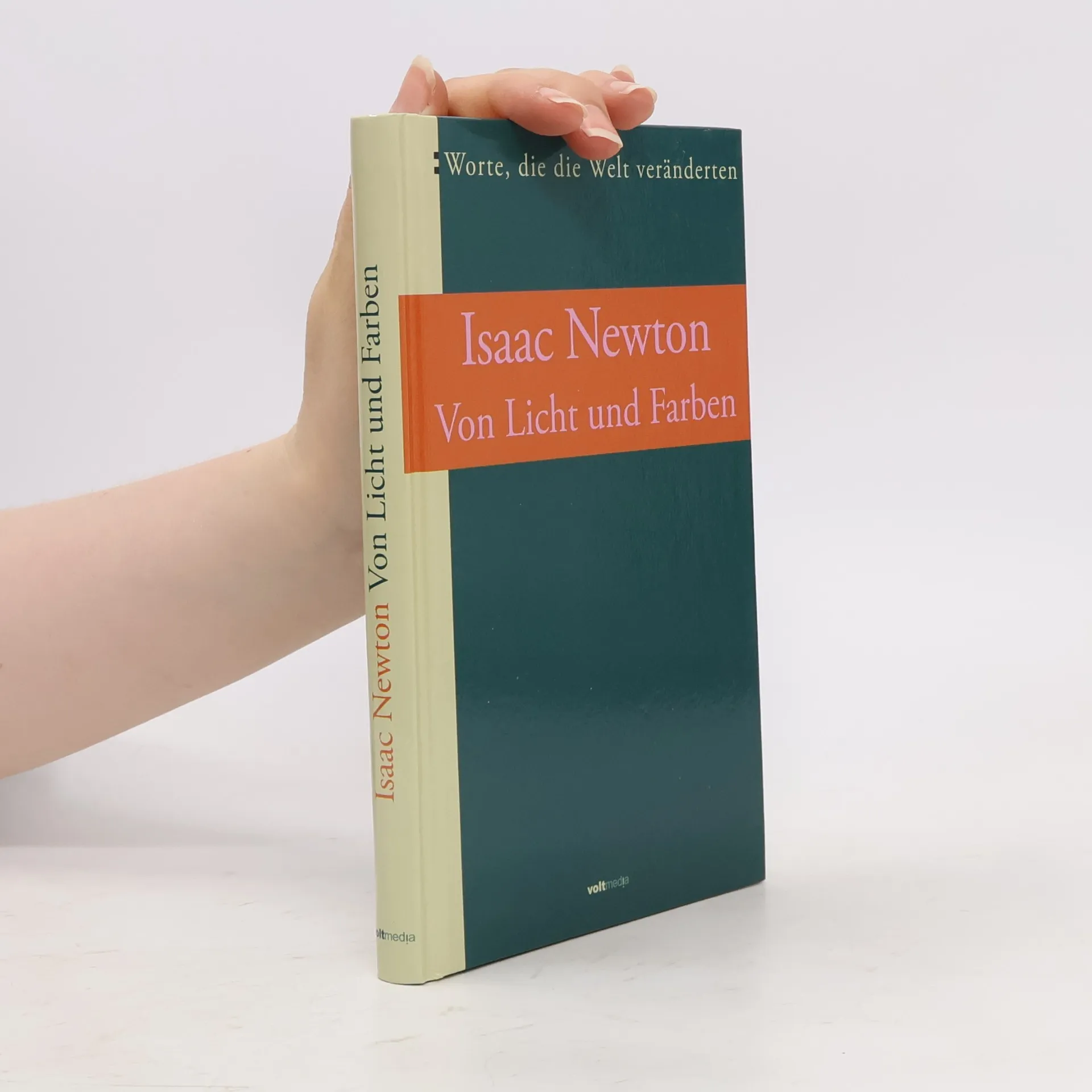
A Treatise of the Reflections, Refractions, Inflections and Colours of Light
324 pages
12 hours of reading
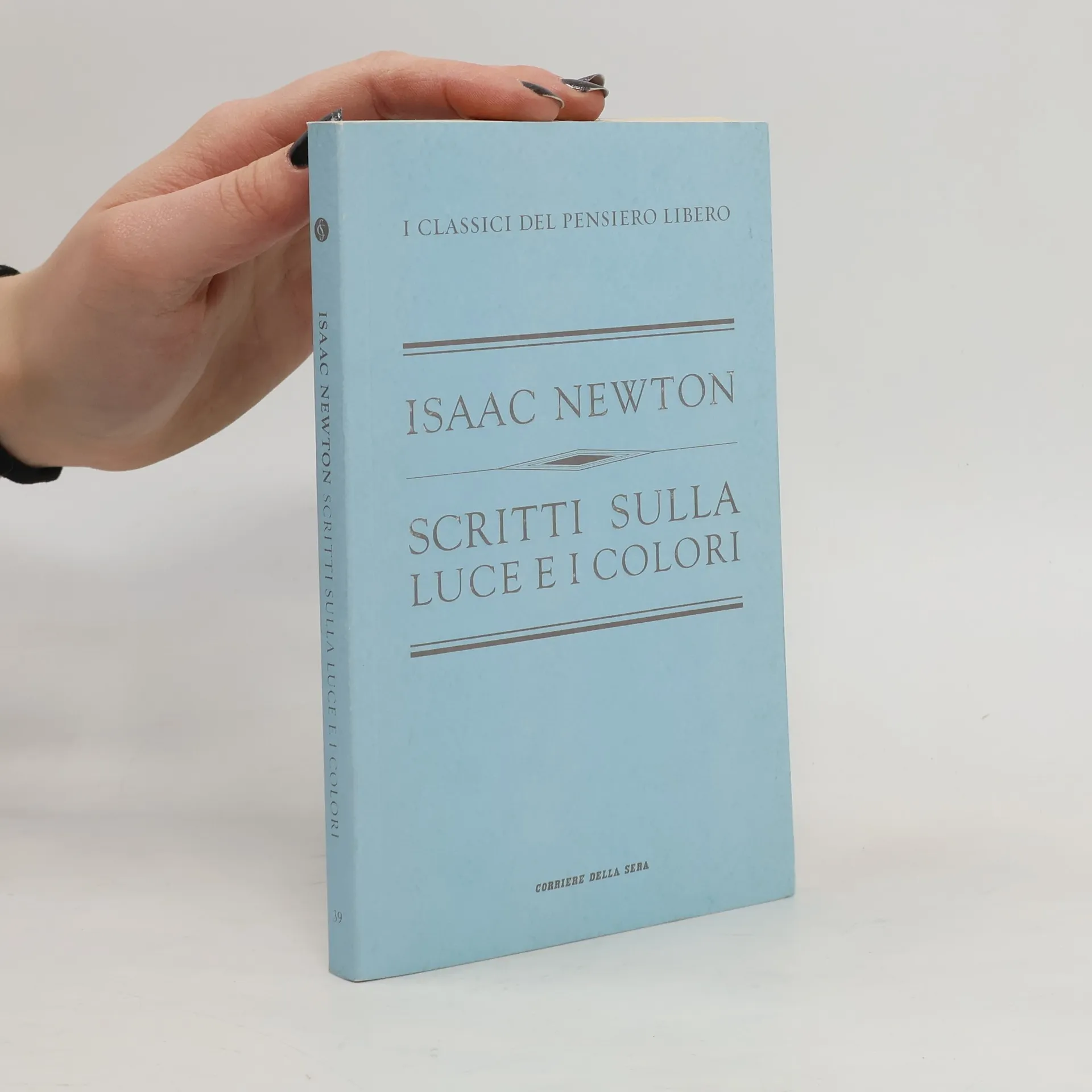
Focusing on the principles of color and light, this influential work showcases Isaac Newton's groundbreaking experiments and discoveries about the color spectrum. It delves into the nature of light, revealing insights that have significantly shaped our understanding of optics and color theory.
I consider philosophy rather than arts and write not concerning manual but natural powers, and consider chiefly those things which relate to gravity, levity, elastic force, the resistance of fluids, and the like forces, whether attractive or impulsive; and therefore I offer this work as the mathematical principles of philosophy.In the third book I give an example of this in the explication of the System of the World. I derive from celestial phenomena the forces of gravity with which bodies tend to the sun and other planets.
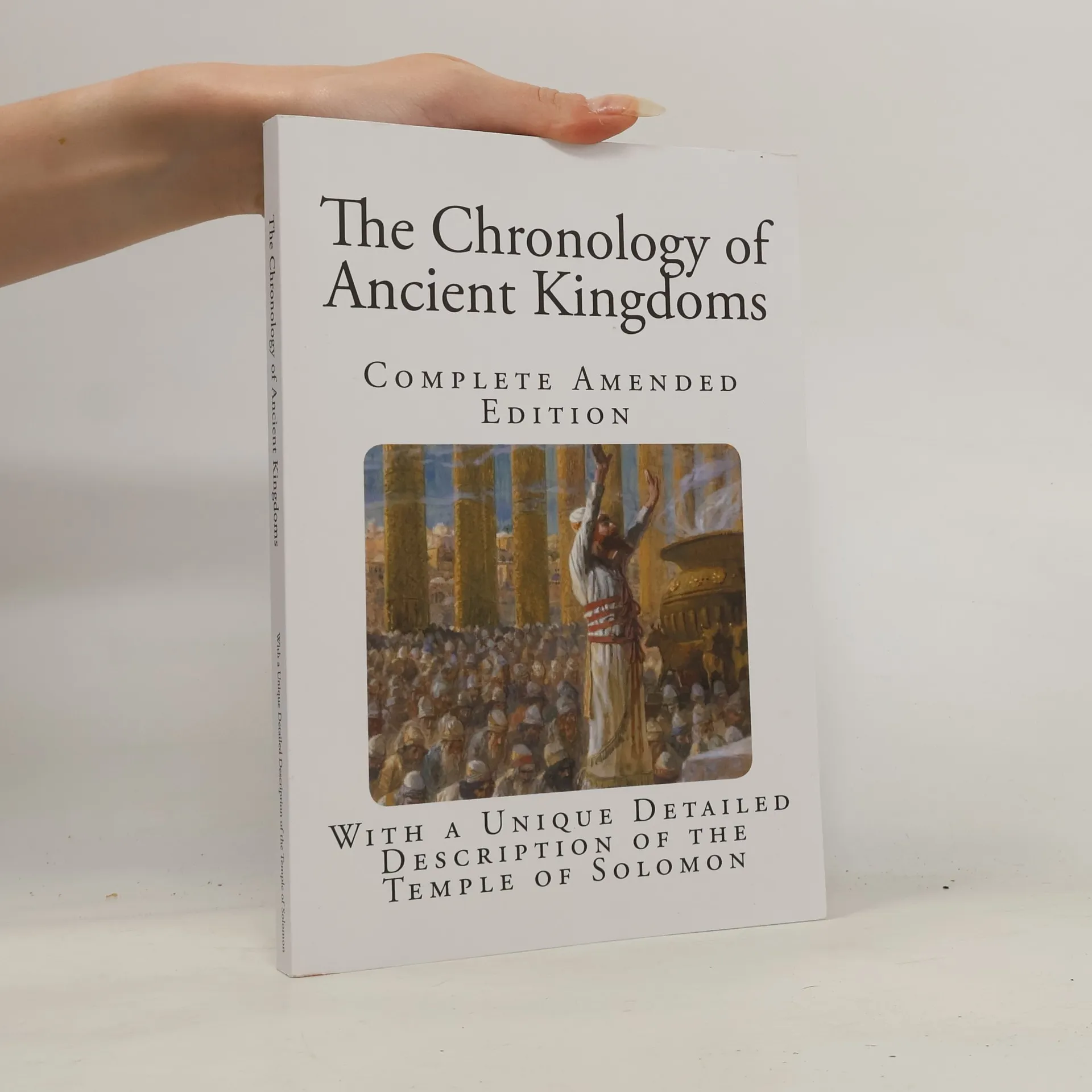
The Chronology of Ancient Kingdoms, by Sir Isaac Newton, presents a comprehensive account of ancient civilizations, including the Temple of Solomon, the early Greeks, the Egyptian Empire, the Assyrian Empire, and the concurrent Babylonians and Medes. It highlights the evolution of Greek literature, noting that prior to Cyrus the Persian's conquest of Asia, Greeks primarily expressed their history through poetry rather than prose. The introduction of prose writing is attributed to Pherecydes Scyrius and Cadmus Milesius. Pherecydes Atheniensis, during Darius Hystaspis's reign, contributed significantly to genealogical records, while Epimenides and Hellanicus also organized their histories through genealogies and priestess successions, respectively. Other historians focused on the kings of Sparta or the archons of Athens. Hippias the Elean compiled a list of Olympic victors shortly before the Persian Empire's decline, and Ephorus, a disciple of Isocrates, created a chronological history of Greece that spanned from the Heraclides' return to Peloponnesus to the siege of Perinthus during Philip II's reign. Notably, the reckoning of events by Olympiads and the enumeration of kings' reigns in years were not yet established practices.
Isaac Newton ; Ausgewählt, übersetzt, Eingeleitet Und Herausgegeben Von Ed Dellian. Translation Of: Philosophiae Naturalis Principia Mathematica. Includes Indexes. Bibliography: P. [xxxvii]-xli.
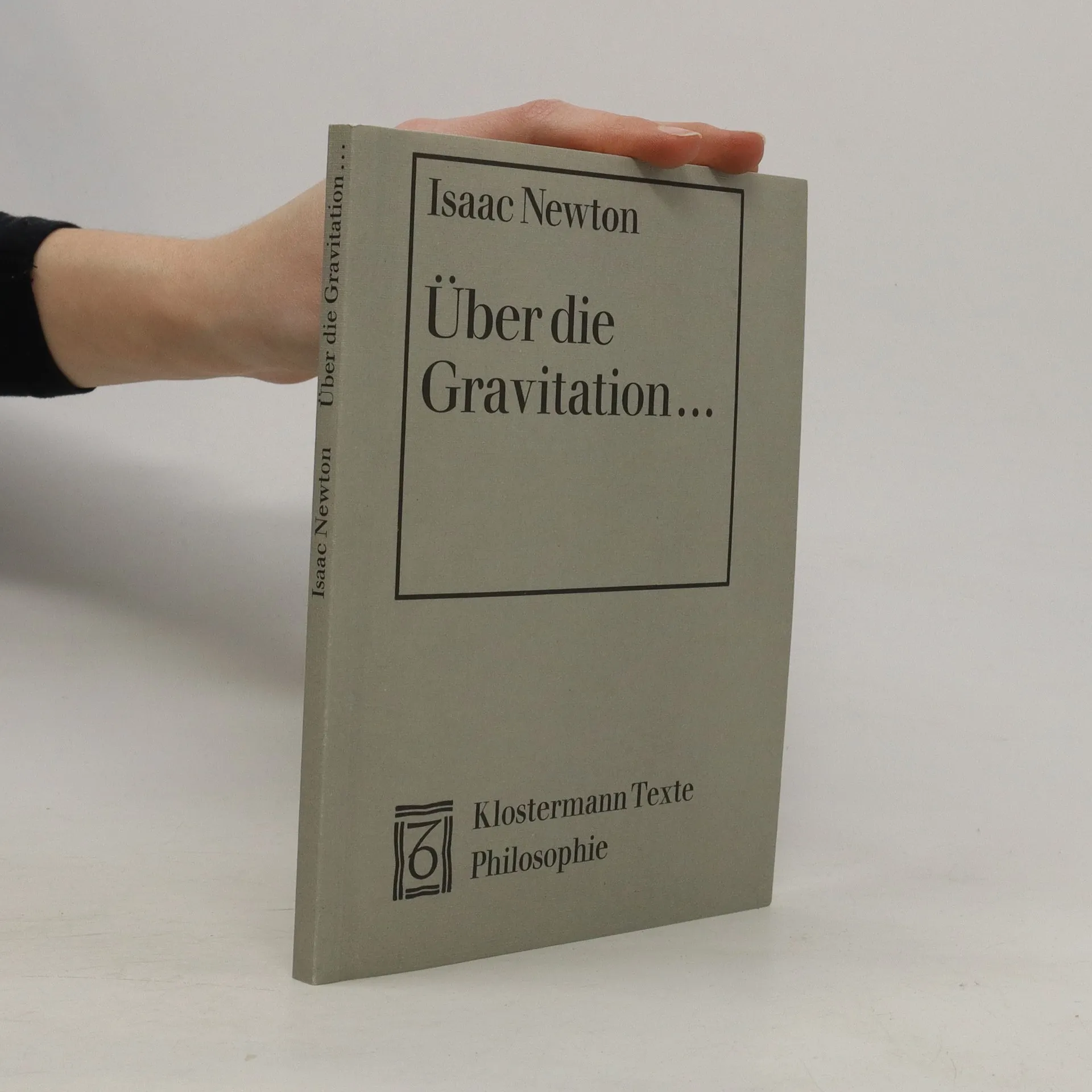
Dieses Textbuch hilft, die philosophischen Grundlagen der Newtonschen Mechanik zu erarbeiten. Im Zentrum des Bandes steht die Schrift „Über die Gravitation und das Gleichgewicht von Flüssigkeiten“, in der Newton in ständiger Auseinandersetzung mit Descartes' „Principien der Philosophie“ seine Begriffe von Raum, Zeit und Bewegung entwickelt, mit deren Hilfe er dann in den Principia Mathematica seine Mechanik errichtet. Von diesem Text liegt hiermit zum ersten Mal eine deutsche Ubersetzung vor. Der lateinische Text wird reprographisch wiedergegeben. Außer den notwendigen Texterläuterungen enthält der Band als Anhang eine Neuübersetzung der Eingangspartien der „Principia Mathematica“ bis einschließlich der Formulierung der drei Newtonschen Gesetze.
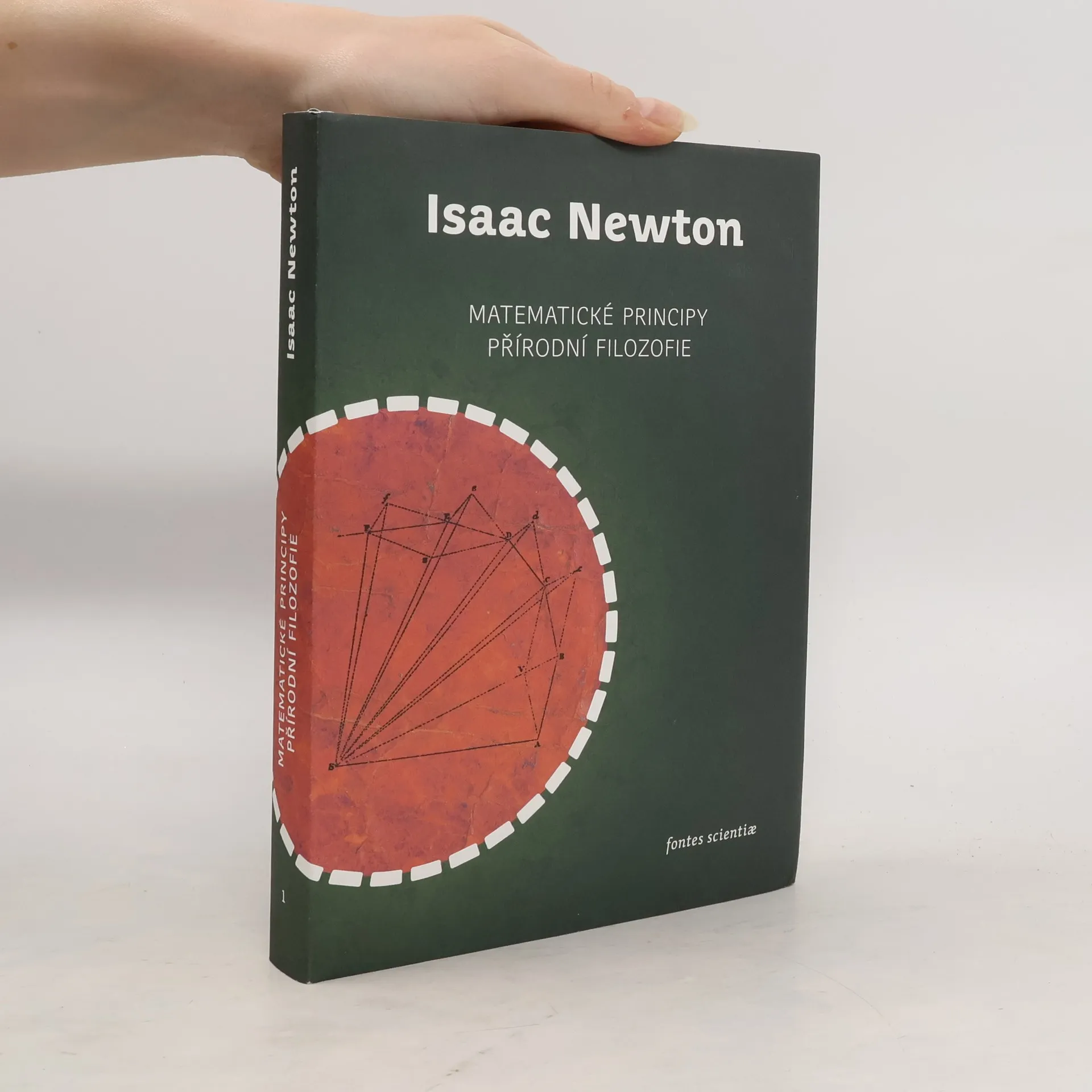
V předloženém svazku nabízíme překlad vybraných pasáží vrcholného díla Isaaca Newtona (1643–1727) Matematické principy přírodní filozofie (1687). Newton v něm završil vývoj raně novověké fyziky, astronomie a přírodní filozofie a představil nový obraz světa založený na matematice a fyzikálním pojmu gravitační síly. Náš výbor obsahuje předmluvy k Principům a úvodní části spisu, které definují hlavní fyzikální pojmy a vyslovují základní principy Newtonovy mechaniky. Překlad dále zahrnuje vybrané pasáže třetí knihy Principů, která prostřednictvím nově zavedeného pojmu gravitační síly vysvětluje stavbu Sluneční soustavy. Součástí knihy je rovněž překlad Newtonových dopisů reverendu Bentleymu z let 1692–1693. V těchto dopisech Newton reaguje na otázky, které se týkají povahy gravitační síly, kosmologie a úlohy Boha ve vesmíru. Překlad doprovázejí dva úvodní texty, které představují historický kontext Newtonova díla a fyzikální výklad nejdůležitějších částí Principů.