Olivier Jean Blanchard is a leading macroeconomist whose work has profoundly shaped our understanding of global economic systems. His extensive research and influential textbooks delve into the core tenets of macroeconomics, offering readers insightful perspectives on how the world economy functions. Through his writings, Blanchard seeks to illuminate complex economic phenomena and provide tools for better comprehension.
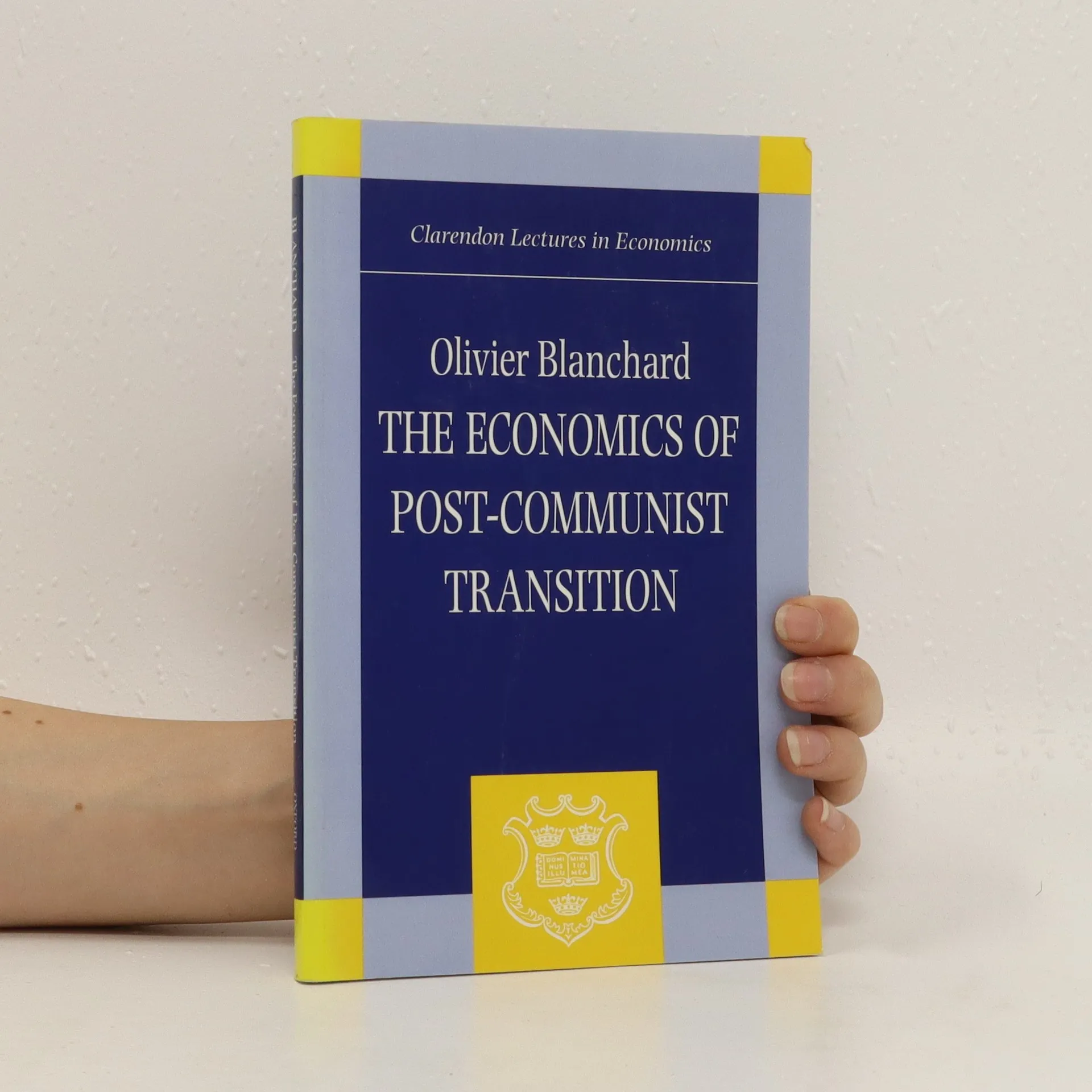
This volume provides a country-by-country analysis of various reform experiences, including historical backgrounds and discussions of policies and results to date. The countries analyzed are: Poland; Czechoslovakia; Hungary; Eastern Germany; Slovenia; and Russia.
Leading economists and policymakers consider what economic tools are most effective in reversing the rise in inequality. Economic inequality is the defining issue of our time. In the United States, the wealth share of the top 1% has risen from 25% in the late 1970s to around 40% today. The percentage of children earning more than their parents has fallen from 90% in the 1940s to around 50% today. In Combating Inequality, leading economists, many of them current or former policymakers, bring good news: we have the tools to reverse the rise in inequality. In their discussions, they consider which of these tools are the most effective at doing so.
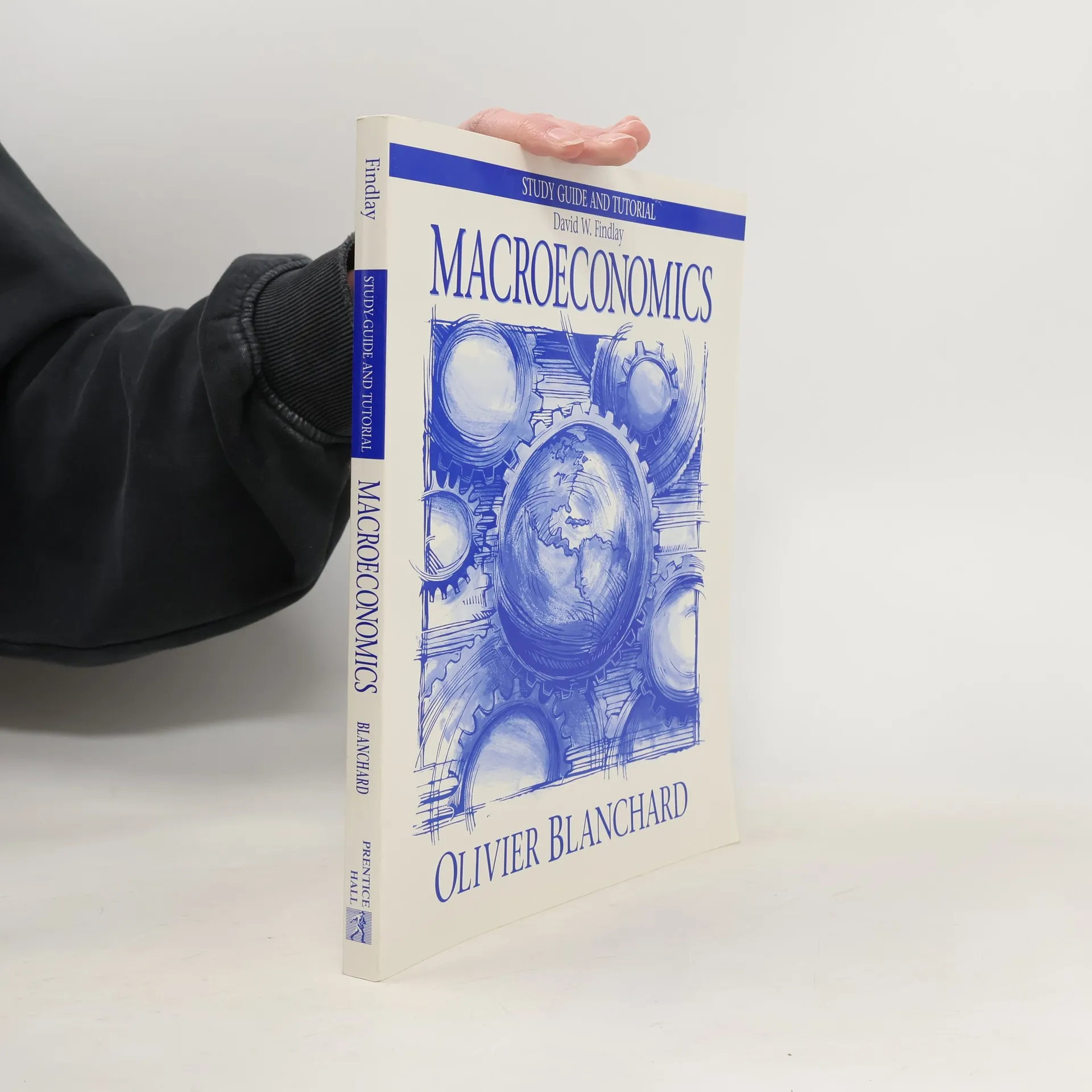
Do you want a book that provides an integrated view of macroeconomics? Olivier Blanchard helps students to see the big macroeconomic picture by integrating one unifying model throughout the text. Are you tired of macroeconomics texts that take too many shortcuts? Olivier Blanchard gives thorough treatment to many concepts that other books just skim over, with the understanding that students will use these tools throughout their academic and professional careers. Do you want a book that allows the greatest degree of flexibility in learning and teaching macroeconomics? Olivier Blanchard's organization allows for the greatest degree flexibility, so professors can direct their class as they see fit, and students can learn from a methodology that matches the goals of their course.
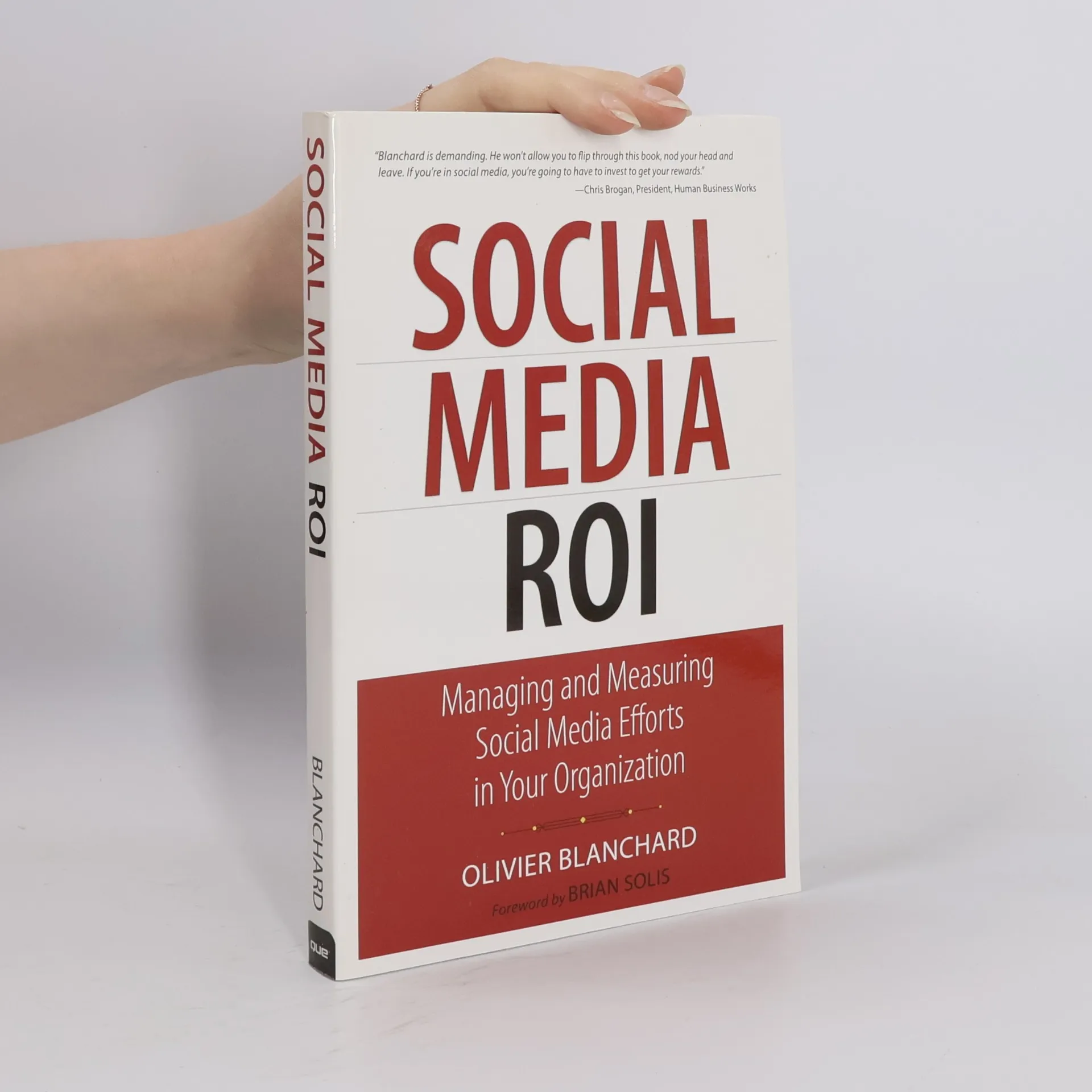
Discover how to effectively manage and measure your social media efforts while maximizing ROI. This unique guide, authored by a business executive for executives, connects program development, integration, management, and business impact. It provides clear insights on integrating social media into long-term business programs, short-term campaigns, and brand initiatives. With a foreword by Brian Solis, the book outlines how to make social media work for businesses and measure results effectively.
Globally recognized brand strategist Olivier Blanchard illustrates the relationship between social media strategy and its impact on both financial and non-financial aspects of business. This resource serves as both a practical training tutorial and a comprehensive desk reference, organized for quick answers to specific questions, including defining metrics, setting organizational guidelines, and managing crises.
Key topics include listening before engaging, aligning social communications with business goals, planning for performance measurement, and managing Frequency, Reach, and Yield (F.R.Y.). The book also covers laying the groundwork for effective social media management, integrating social media into various initiatives, providing real-time customer support, and leveraging mobile and on-the-fly social media culture. Blanchard offers proven solutions for anyone responsible for social media in businesses of all sizes, from startup
This book presents a unified analysis of transition. Transition in Central and Eastern Europe has led to a U-shaped response of output, that is, a sharp decline in output followed by recovery. This U-shaped response, its causes and its implications, are the subject of this text. Now available in paperback.
Olivier Jenkel écrit depuis des années. Mais ce Parisien commence seulement à connaitre le succès. Vuk Bernier, un confrère Bosnien, l'invite à passer quelques jours chez lui, près de Banja Luka. Olivier s'envole pour la Bosnie-Herzégovine avec sa compagne, Wei. Wei est un travesti Malaisien, très amoureuse et très coquine...
Paris. Samia l'Algérienne est la maitresse de Thierry, qui est déjà marié. Leurs "parties de cul" sont aussi passionnées qu'occasionnelles. Samia en attend davantage de Thierry, quoique... Préface de Céline Tran (ex-Katsuni)
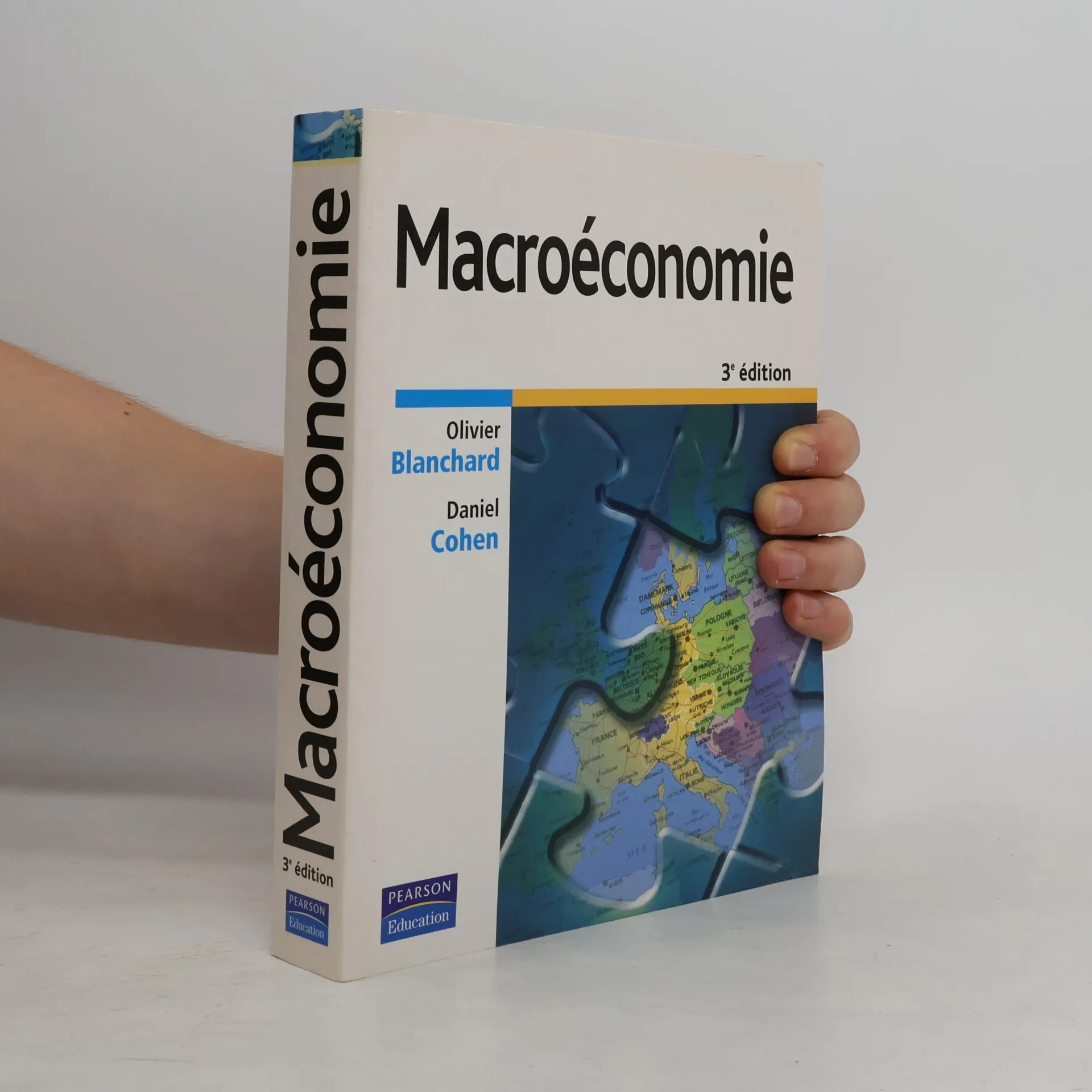
Macroéconomie présente une approche enrichissante grâce à la collaboration d'Olivier Blanchard, expert en économie américaine, et de Daniel Cohen, responsable de l'édition française. Les thèmes sont traités avec un focus sur des problématiques basées sur des données françaises et européennes, tout en intégrant des références américaines pertinentes. Ce manuel est conçu pour l'enseignement supérieur, couvrant des concepts essentiels tels que le PIB, la croissance, l'inflation, la politique économique, le marché du travail, le chômage, le modèle IS/LM, la courbe de Phillips, les marchés financiers et les taux de change. Les débats marquants de la macroéconomie sont également explorés, incluant les contributions de Keynes, Milton Friedman, et les écoles économiques contemporaines. L'ouvrage analyse des événements économiques significatifs, qu'ils soient historiques comme l'hyperinflation et la Grande Dépression, ou récents tels que la crise asiatique de 1997 et les transitions économiques en Europe de l'Est. Cette édition met à jour des informations cruciales concernant la dette publique, le chômage et l'inflation, tout en offrant des commentaires sur la politique monétaire et le pacte de stabilité. De nombreux tableaux, graphiques, cartes et exercices enrichissent chaque chapitre, facilitant la compréhension des sujets traités.
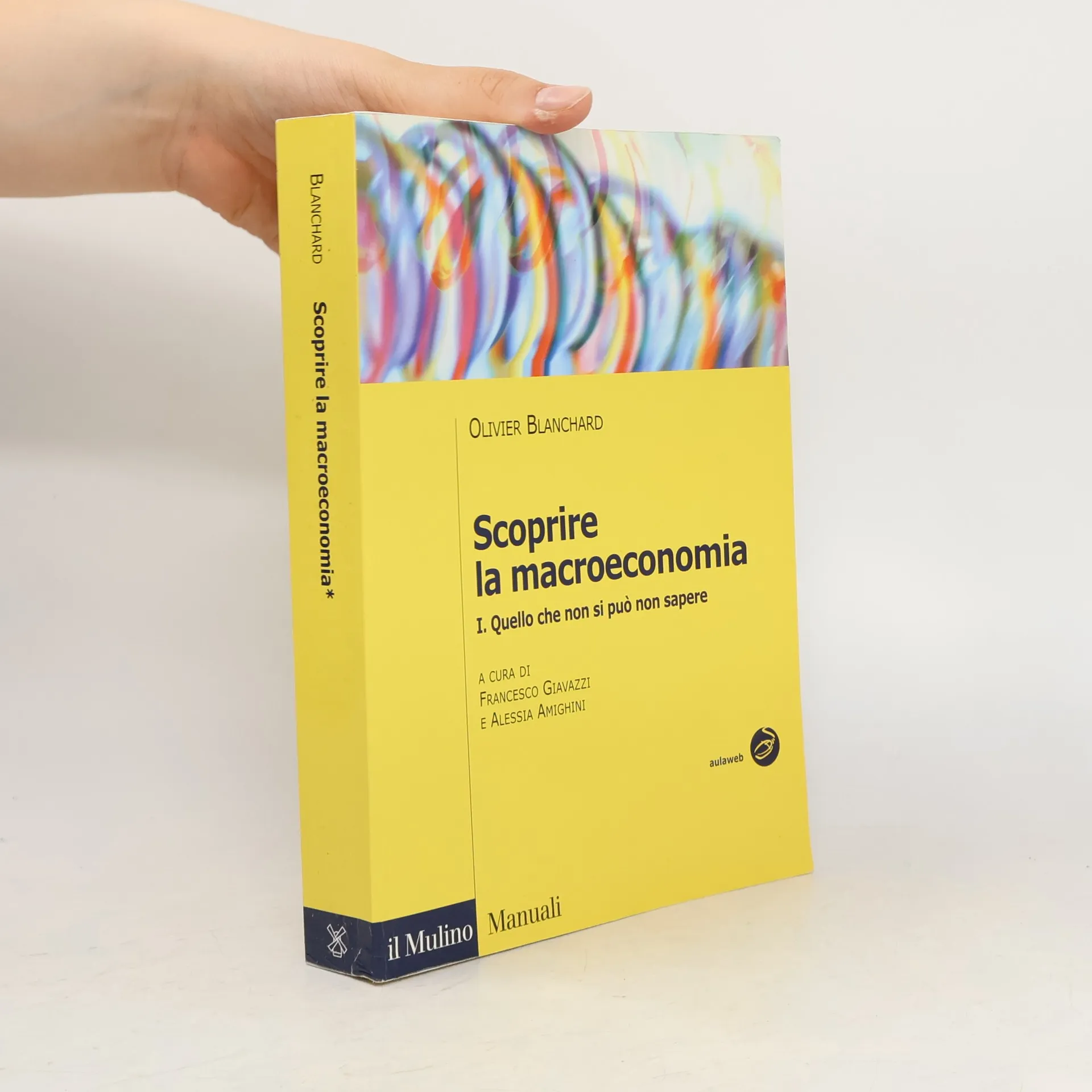
In questo manuale, frutto di una lunga esperienza di ricerca teorica edempirica, Olivier Blanchard segue due obiettivi: da un lato fare il punto sualcuni dei più importanti problemi economici odierni, dall'altro trasmetterel'idea secondo cui la macroeconomia è una scienza che deve, al tempo stesso,mantenere una rilevanza esterna e avere una coerenza interna.