

Explore the latest books of this year!
Bookbot

Steven Pinker

    18. September 1954

    Steven Pinker is a prominent Canadian-American experimental psychologist and cognitive scientist, known for his wide-ranging explorations of human nature and its relevance to language, history, morality, and politics. His work delves into language and cognition, navigating complex topics with clarity and insight. Pinker's bold inquiries challenge common assumptions, prompting readers to reconsider their understanding of human behavior and progress. Through his writing, he seeks to illuminate the mechanisms of the mind and the implications of knowledge for society.

    Steven Pinker
    The Language Instinct
    The sense of style : the thinking person's guide to writing in the 21st century
    The Blank Slate
    The better angels of our nature : why violence has declined
    Enlightenment Now. The Case for Reason, Science, Humanism, and Progress
    Enlightenment Now
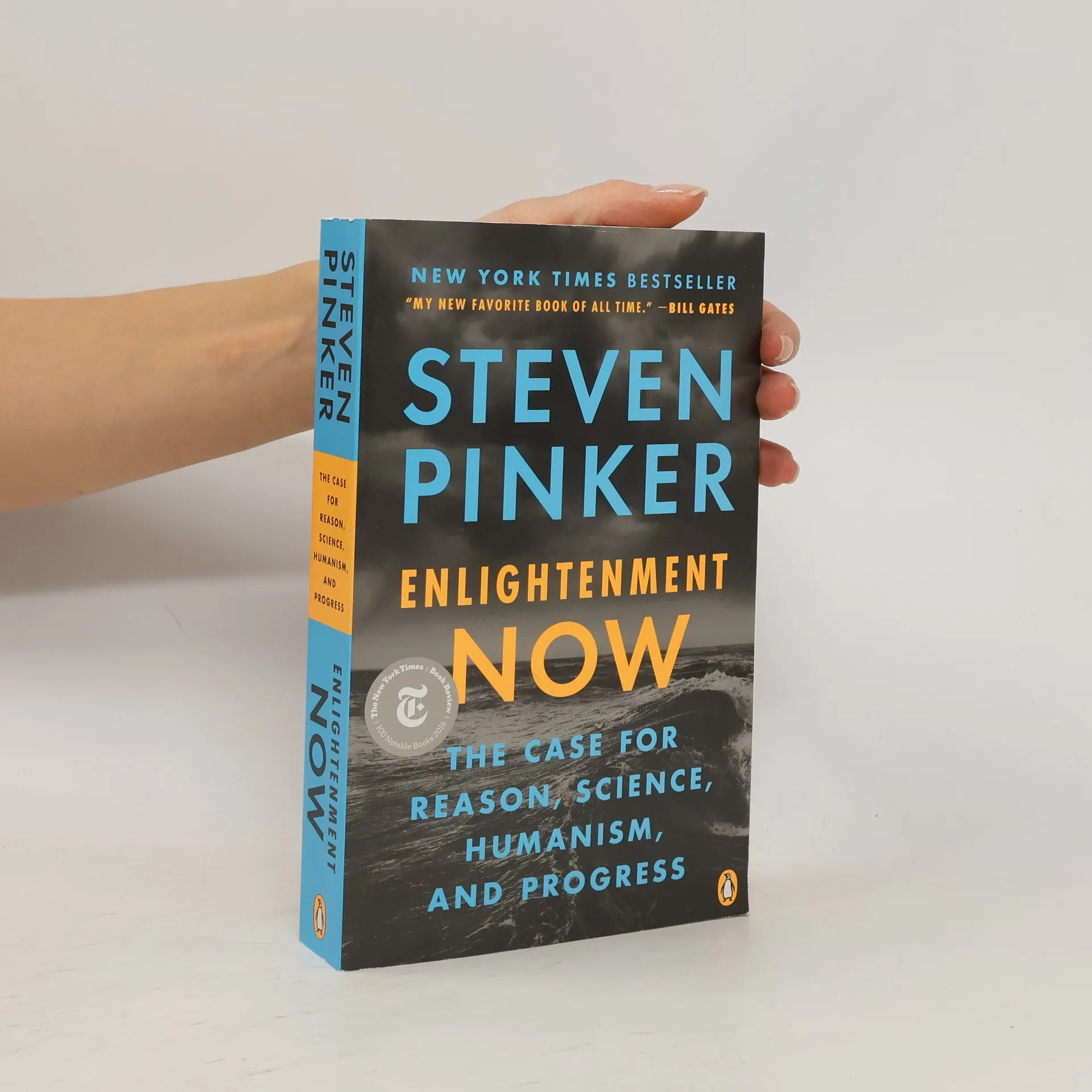
    • The follow-up to Pinker's groundbreaking The Better Angels of Our Nature presents the big picture of human progress: people are living longer, healthier, freer, and happier lives, and while our problems are formidable, the solutions lie in the Enlightenment ideal of using reason and science. Far from being a naïve hope, the Enlightenment, we now know, has worked. But more than ever, it needs a vigorous defense. The Enlightenment project swims against currents of human nature--tribalism, authoritarianism, demonization, magical thinking--which demagogues are all too willing to exploit. Many commentators, committed to political, religious, or romantic ideologies, fight a rearguard action against it. The result is a corrosive fatalism and a willingness to wreck the precious institutions of liberal democracy and global cooperation.

      Enlightenment Now
      4.3
    • Is the world really falling apart? Is the ideal of progress obsolete? Cognitive scientist Steven Pinker urges us to step back from the gory headlines and prophecies of doom, which play to our psychological biases. Instead, follow the data. In seventy-five graphs, Pinker shows that life, health, prosperity, safety, peace, knowledge, and happiness are on the rise, not just in the West, but worldwide. This progress is not the result of some cosmic force. It is a gift of the Enlightenment: the conviction that reason and science can enhance human flourishing. Far from being a naïve hope, the Enlightenment, we now know, has worked. But more than ever, it needs a vigorous defense. The Enlightenment project swims against currents of human nature -- tribalism, authoritarianism, demonization, magical thinking -- which demagogues are all too willing to exploit. Many commentators, committed to political, religious, or romantic ideologies, fight a rearguard action against it. The result is a corrosive fatalism and a willingness to wreck the precious institutions of liberal democracy and global cooperation. Pinker makes the case for reason, science, and humanism: the ideals we need to confront our problems and continue our progress.

      Enlightenment Now. The Case for Reason, Science, Humanism, and Progress
      4.2
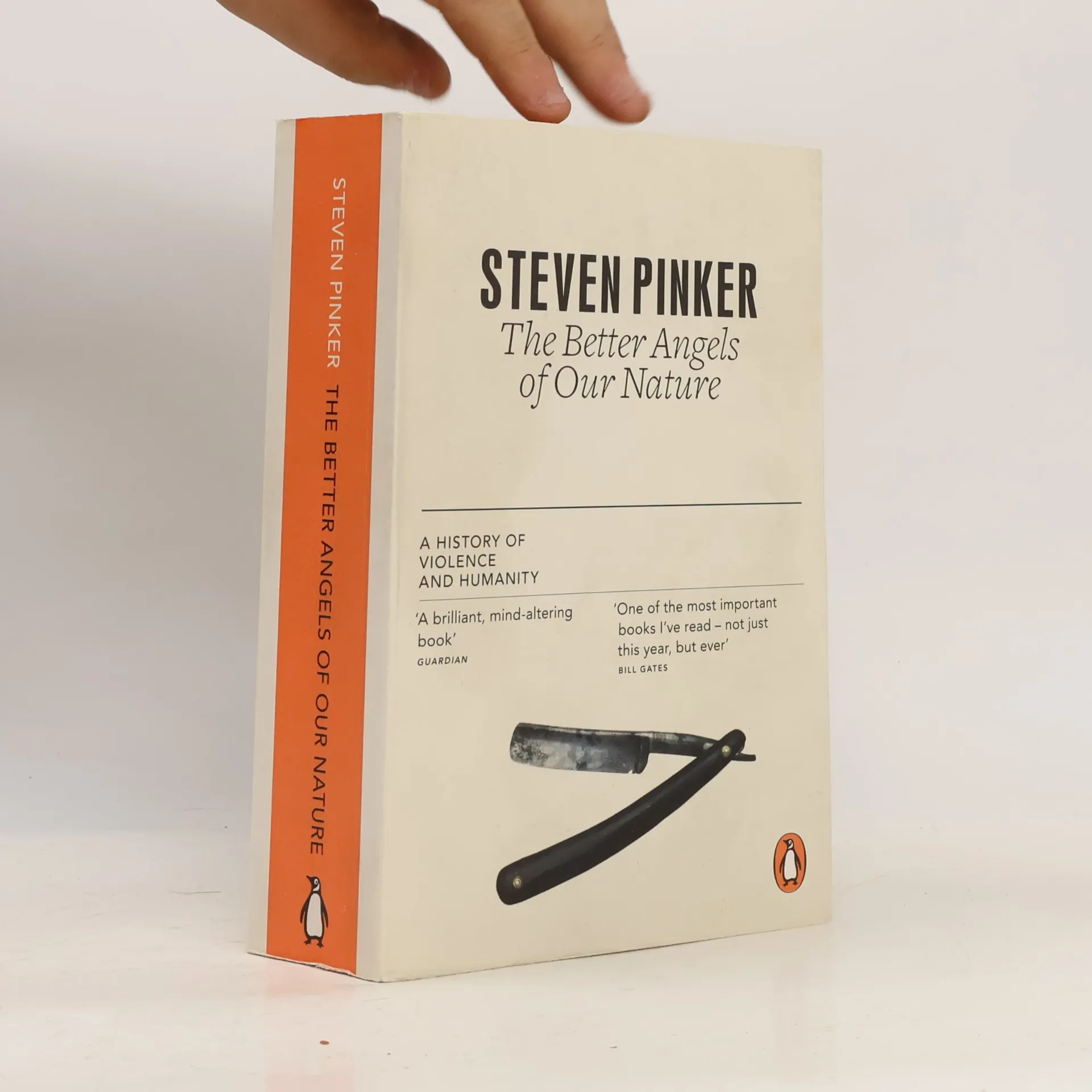
    • A controversial history of violence argues that today's world is the most peaceful time in human existence, drawing on psychological insights into intrinsic values that are causing people to condemn violence as an acceptable measure.

      The better angels of our nature : why violence has declined
      4.2
    • The Blank Slate

      The Modern Denial of Human Nature

      • 528 pages
      • 19 hours of reading

      What is the truth about human nature? Steven Pinker argues that our usual explanations of human behaviour - stated most clearly in the human sciences of psychology, ethics and politics - tend to deny what is now undeniable: the role of an inherited human nature.

      The Blank Slate
      4.1
    • What is the secret of good prose? Does it matter in an age of digital media? In this witty, mind-expanding book about the art and science of writing well, Steven Pinker shows that good style isn't just about rules - it's about empathy, coherence and adding beauty to the world. 'Witty, direct and idiosyncratic . . . often laugh-out-loud funny . . . refreshingly uncensorious . . . It helps enormously that he is such a beautiful stylist himself.' Paula Byrne, The Times 'Wonderful . . . No true lover of this chaotic, unregulated, magnificently vital language could fail to thrill.' Christopher Hart, Sunday Times 'Brainy, funny . . . a comedy of linguistic bad manners.' Peter Conrad, Guardian 'Outstanding . . . the one book I can unreservedly recommend as a guide on how to write well . . . unique as well as brilliant.' Oliver Kamm, The Times

      The sense of style : the thinking person's guide to writing in the 21st century
      4.1
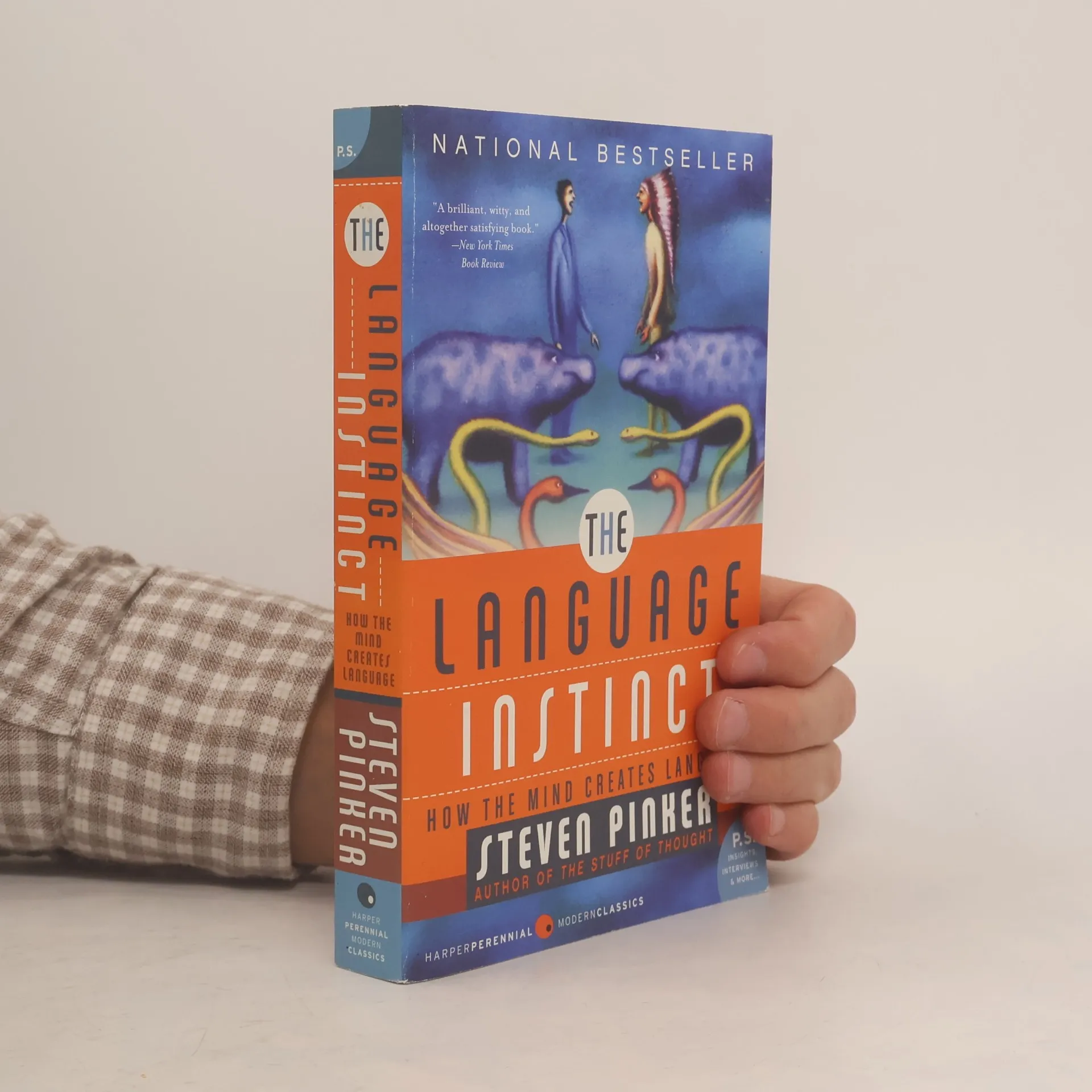
    • In "The Language Instinct," Steven Pinker, well-known for his revolutionary theory of how children acquire language, lucidly explains everything you always wanted to know about language: how it works, how children learn it, how it changes, how the brain computes it, how it evolved. With wit, education, and deft use of everyday examples of humor and wordplay, Pinker weaves our vast knowledge of language into a compelling story: language is a human instinct, wired into our brains by evolution like web spinning in spiders or sonar in bats.

      The Language Instinct
      4.0
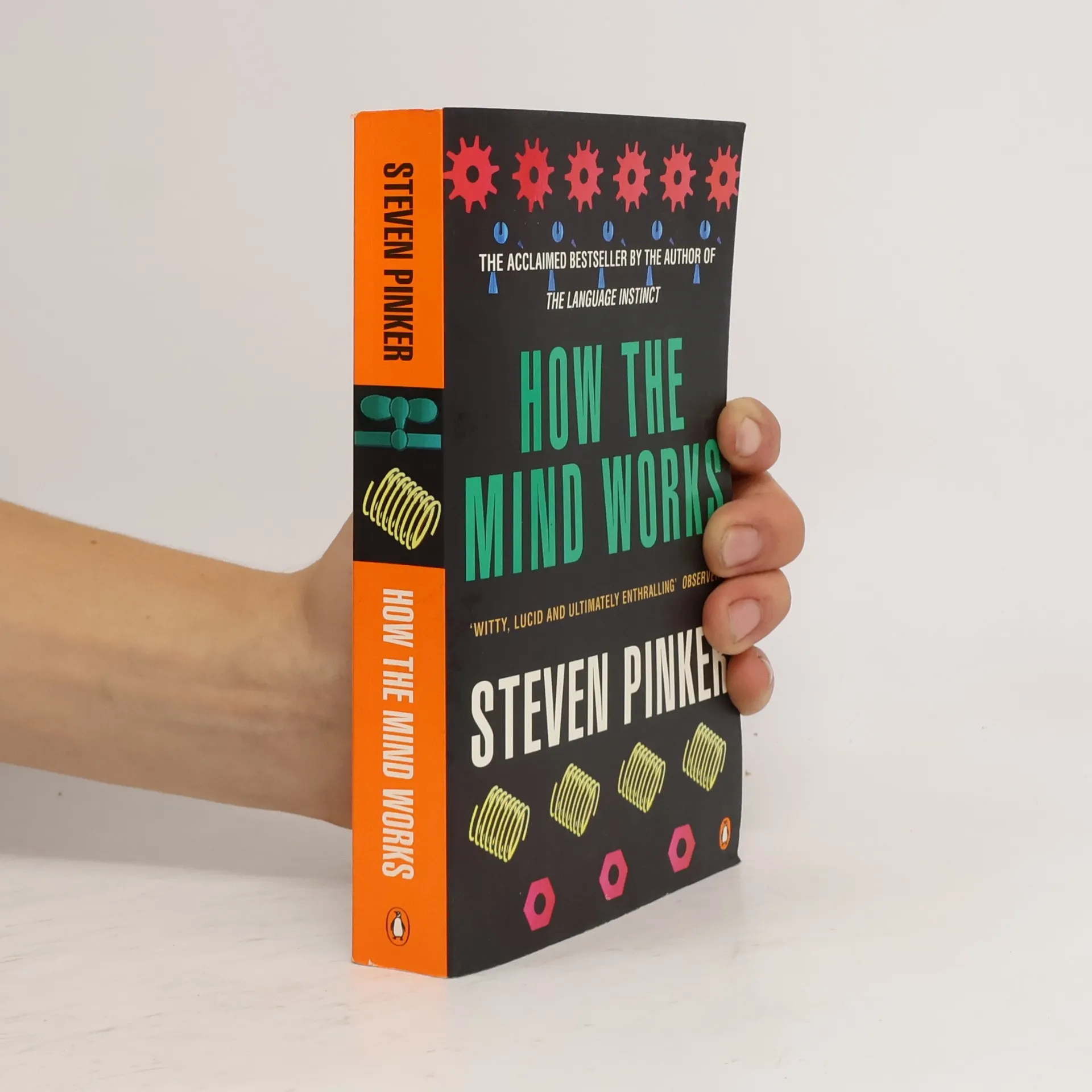
    • How the Mind works

      • 660 pages
      • 24 hours of reading

      A prominent cognitive scientist and author of The Language Instinct explains how the brain evolved to store and use information, allowing our ancestors to control their environment, and why we think and act as we do. 50,000 first printing.

      How the Mind works
      4.0
    • Das unbeschriebene Blatt

      Die moderne Leugnung der menschlichen Natur

      Mit einem aktuellen Vorwort zur Neuausgabe! Auf John Locke geht die Vorstellung zurück, der Mensch sei ein leeres Blatt, auf dem im Verlauf des Lebens die persönlichen Erfahrungen eingetragen werden. In seinem mittlerweile klassischen Buch »Das unbeschriebene Blatt. Die moderne Leugnung der menschlichen Natur« bezieht Bestseller-Autor Steven Pinker ganz die Gegenposition: Mit Witz, Brillanz und Gelehrsamkeit analysiert er die Geschichte dieser Idee und zeigt, wie falsch sie ist – mit allen kruden Auswirkungen auf Vorstellungen von Sexualität, Rasse, Kindererziehung, Intelligenz usw. Die Rolle der Gene wird systematisch unterschätzt; aber das bedeutet nicht, dass wir ihnen völlig ausgeliefert sind. Pinker zeigt nämlich auch, wie befreiend diese Sichtweise sein kann. Ein unterhaltsames und anschauliches Buch zur Natur des Menschen, ein echter Lesegenuss.

      Das unbeschriebene Blatt
      2.7
    • Language, Cognition, and Human Nature

      • 392 pages
      • 14 hours of reading

      Collects for the first time Steven Pinker's most influential scholarly work on language and cognition. Pinker is a highly eminent cognitive scientist, and these essays emphasize the importance of language and its connections to cognition, social relationships, child development, human evolution, and theories of human nature.

      Language, Cognition, and Human Nature
      3.9
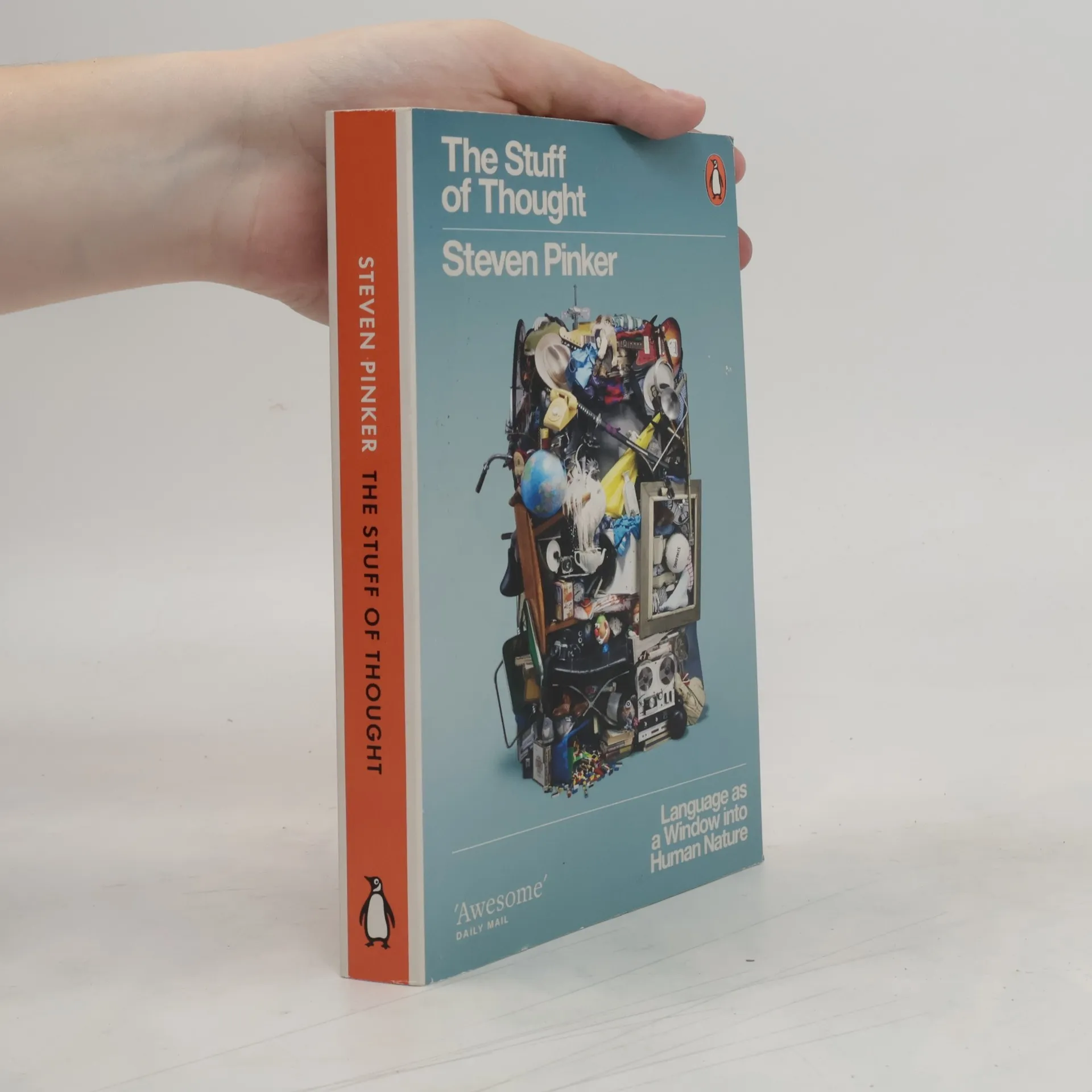
    • The Stuff of Thought

      • 499 pages
      • 18 hours of reading

      Steven Pinker analyses what words actually mean and how we use them, and he reveals what this can tell us about ourselves. He shows how we use space and motion as metaphors for more abstract ideas, and uncovers the deeper structures of human thought that have been shaped by evolutionary history.

      The Stuff of Thought
      3.9