
Explore the latest books of this year!
Bookbot

Jack Goody

    July 27, 1919 – July 16, 2015

    Sir John (Jack) Rankine Goody was a British social anthropologist whose influential work primarily examined social structure and societal change. He was a prominent teacher at Cambridge University, shaping generations of students. Goody's analyses focused on key factors such as the development of agriculture enabling surplus accumulation, urbanization and the growth of bureaucratic institutions, and crucially, communication technologies. He particularly emphasized the impact of writing on the advancement of civilization, science, and philosophy, as demonstrated in his seminal work on classical Greece. His scholarship continues to resonate across numerous disciplines due to its universal applicability to contemporary and historical social systems.

    Jack Goody
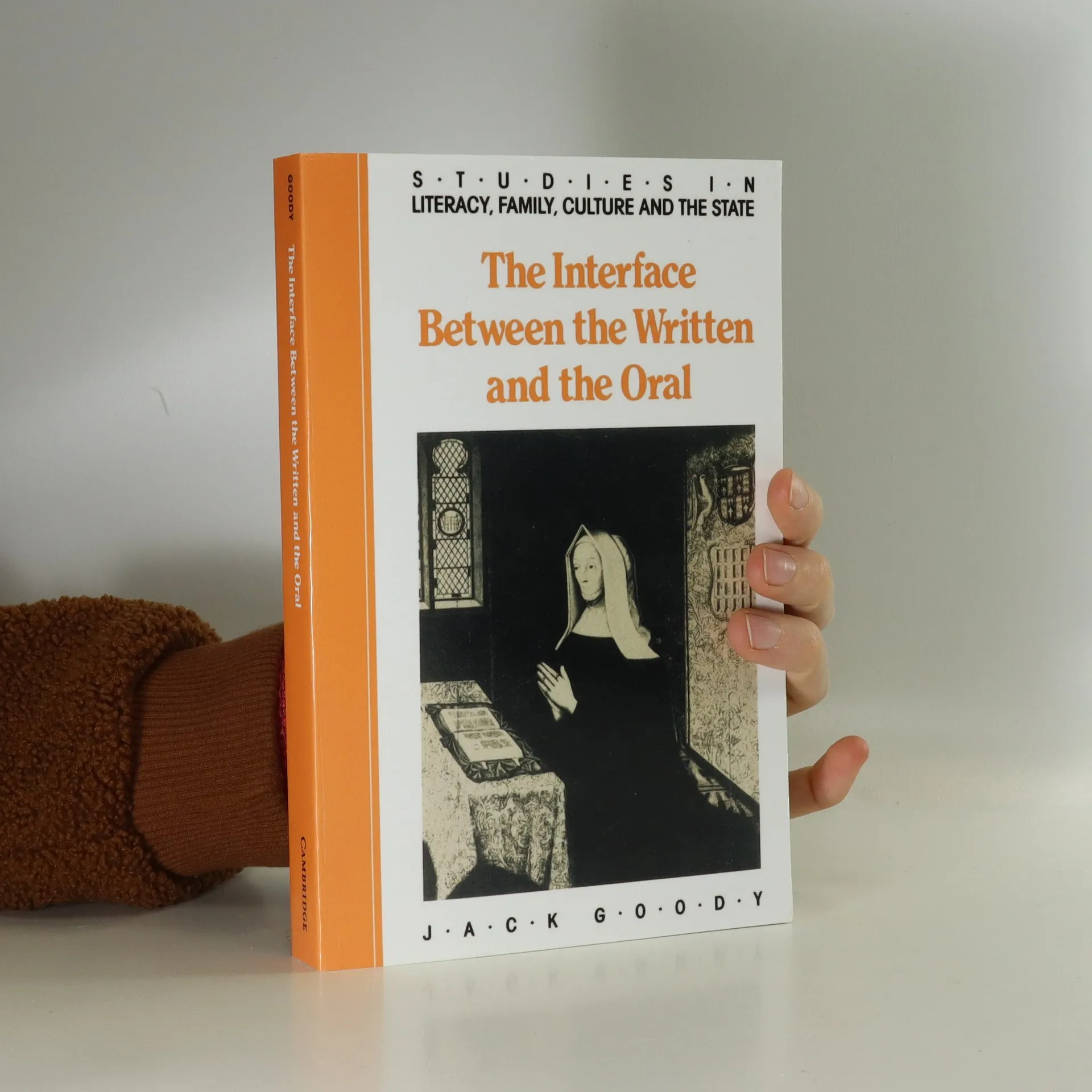
    The Interface Between the Written and the Oral
    Literacy in Traditional Societies
    Succession to High Office
    The Character of Kinship
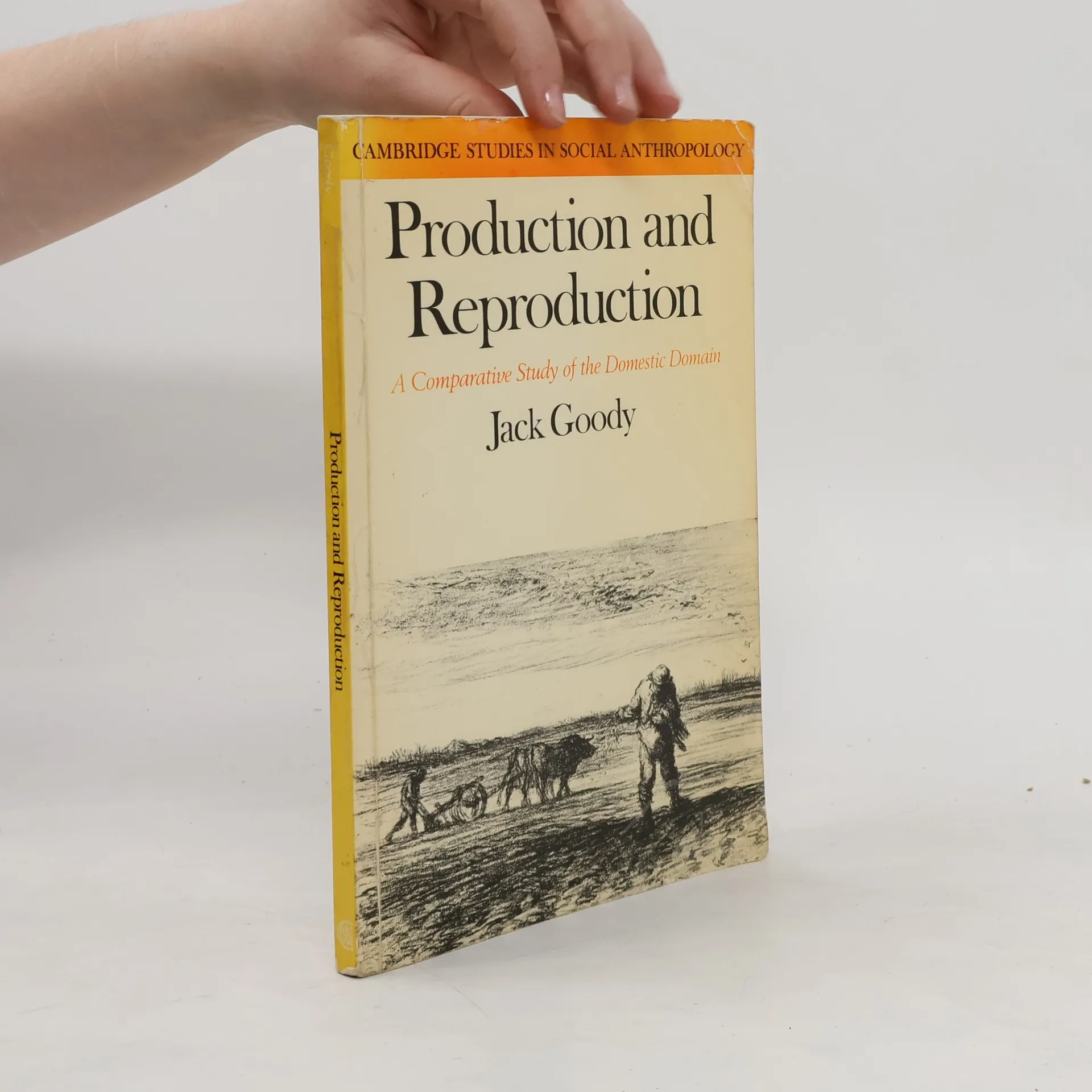
    Production and Reproduction
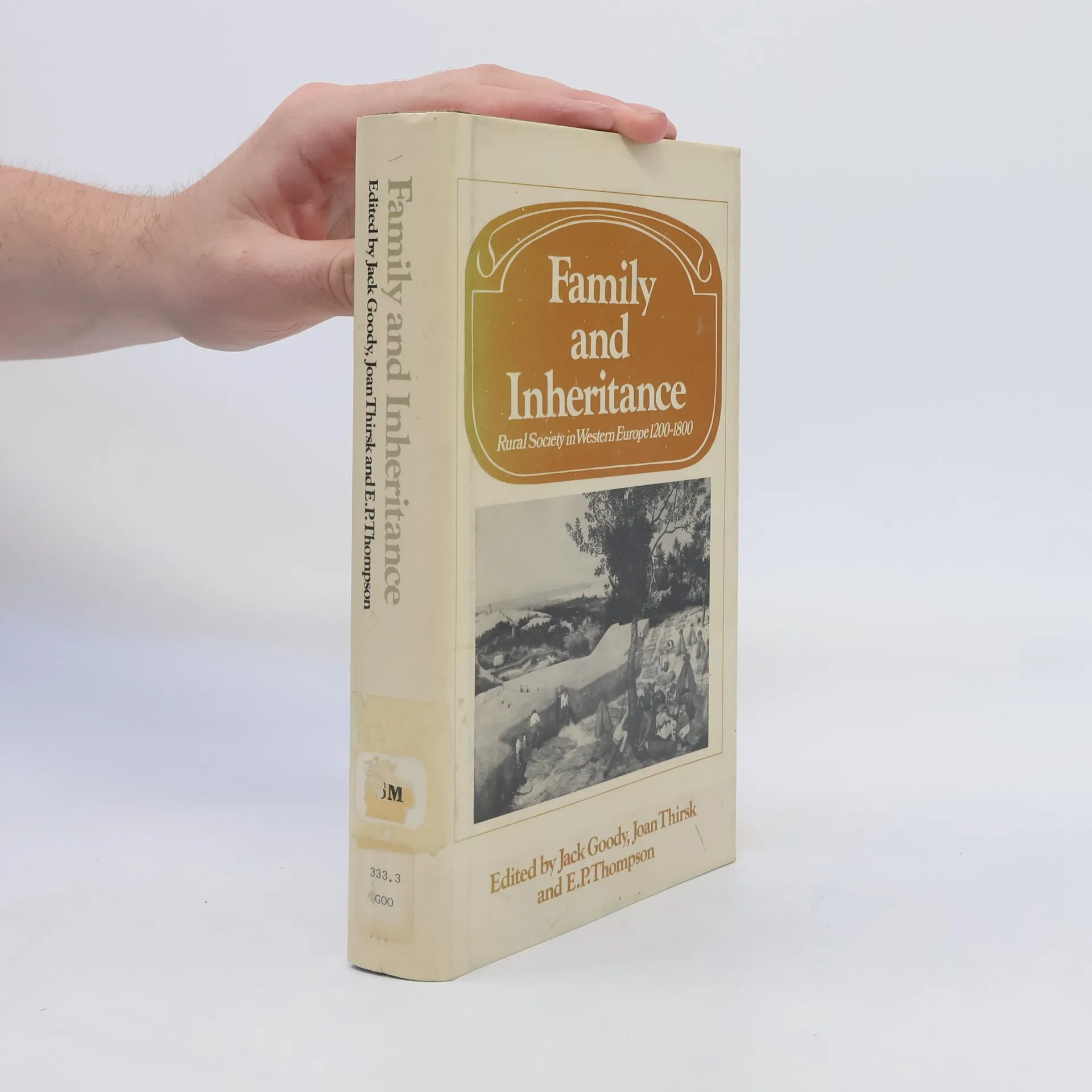
    Family and Inheritance
    • Family and Inheritance

      • 427 pages
      • 15 hours of reading

      This pioneering book examines different aspects of the inheritance customs in rural Western Europe in the pre-industrial age: for families and whole societies, the roles of lawyers in reducing them to a common system, and the recurring debate on the merits of various inheritance customs in shaping particular kinds of society. At first sight the study of inheritance customs may appear to be a dull affair, concerned with outdated practices of hair-splitting lawyers; certainly, little academic interest has been shown in the subject. Yet inheritance customs are vital means for the reproduction of the social system, by the transmission of property and other rights through the family. Various family structures and social arrangements are linked by different means of inheritance. This book will interest a wide range of historians, students, postgraduates and teachers alike, whether they are concerned with social, economic, demographic or legal history, in the medieval, early modern or modern periods, and whether their interests are directed to England or other countries of Western Europe; it will also be valuable to social anthropologists, sociologists and historians of ideas. A comprehensive glossary of technical terms has been added for the non-specialist
      Family and Inheritance
      5.0
    • Production and Reproduction

      A Comparative Study of the Domestic Domain

      • 176 pages
      • 7 hours of reading

      An ambitious general study of the development of marriage, family and conjugal roles in the change from hoe to plough agriculture, relating African society to Asian and European.

      Production and Reproduction
      4.8
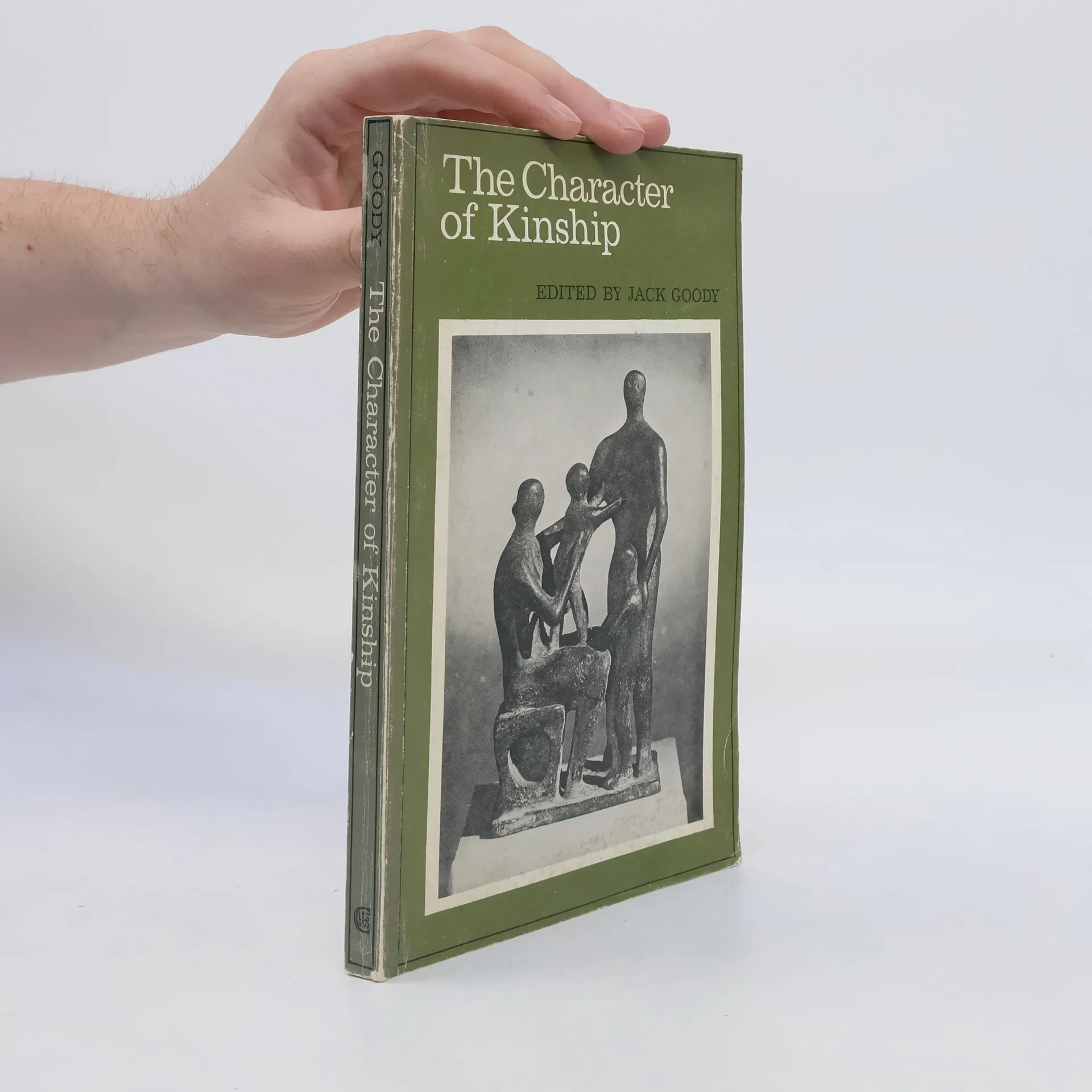
    • The Character of Kinship

      • 264 pages
      • 10 hours of reading

      A collection of specially commissioned essays dealing with general aspects of kinship, family and marriage from an anthropological point of view, that is, considering the total range of human societies. In his editorial introduction, Jack Goody explains that his aim has been to provide 'essays dealing with general themes rather than ethnographic conundrums or descriptive minutiae' in the hope of achieving 're-consideration of some central problem areas including those examined by an earlier generation of anthropologists and still raised by scholars outside the discipline itself'. Individual essays cover problems such as the nature of kinship and the family; why monogamy?; intermarriage and the creation of castes. The contributors include R. G. Abrahams, J. A. Barnes, Fredrik Barth, Maurice Bloch, Derek Freeman, Jack Goody, Grace Harris, Jean La Fontaine, Edmund Leach, Julian Pitt-Rivers, Raymond T. Smith, Andrew Strathern and S. J. Tambiah.

      The Character of Kinship
      4.7
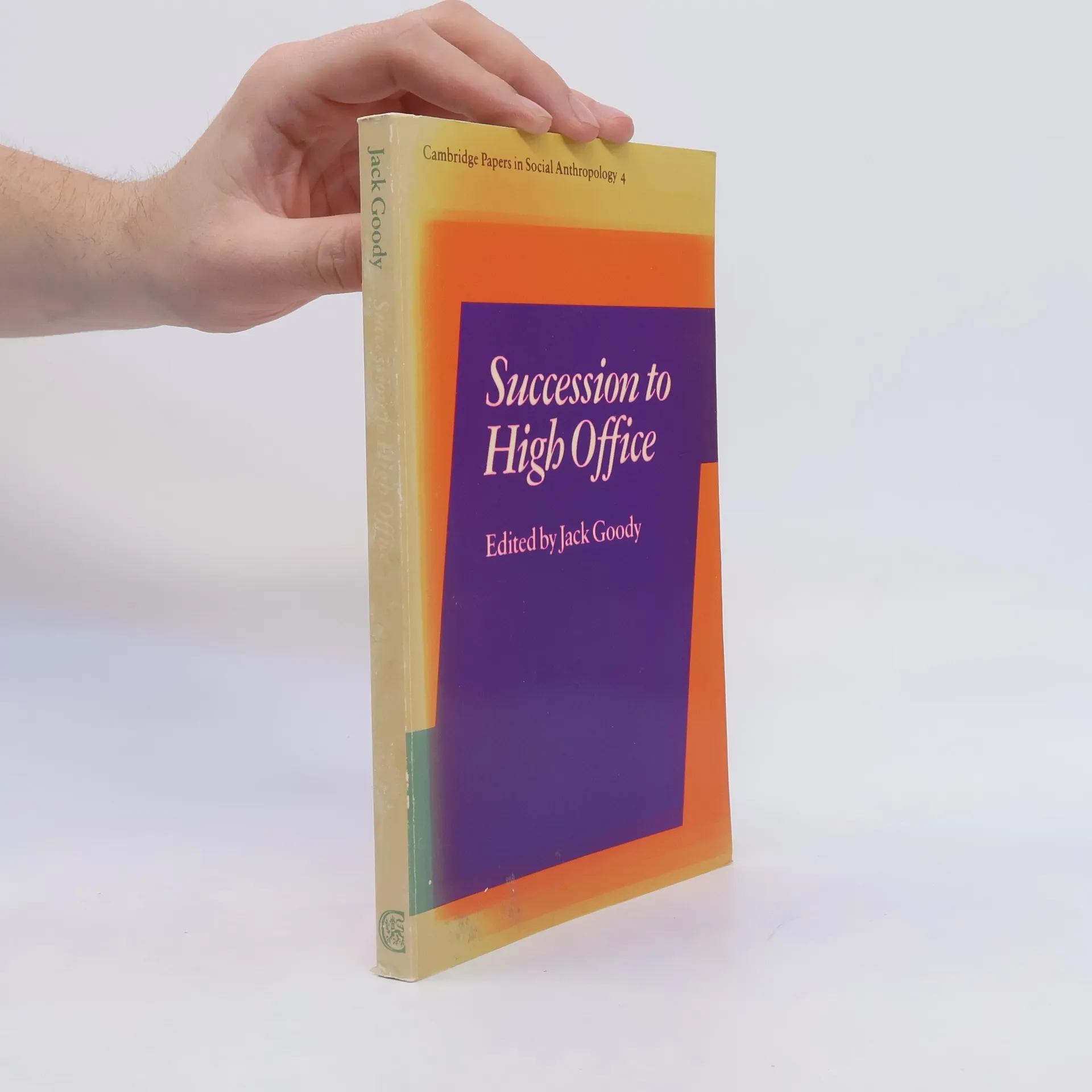
    • Succession to High Office

      • 190 pages
      • 7 hours of reading

      Positions of authority in any society are limited in number, and therefore rules of selection must operate in their recruitment. There must also be limitations upon the range of authority exercised. These problems are particularly acute in the case of high office, where the questions of recruitment and succession are of central importance. This 1979 volume provides a general and theoretical analysis of succession in different traditional African societies. Jack Goody's introduction spells out the main ways in which systems of succession to office differ, and assesses the problem each system solves and the dilemmas it creates. He also analyses the tensions to which succession gives rise, and relates these to specific methods of transferring office from one generation to the next, The four case studies, all based on extensive fieldwork, consider succession among the Bausto, the Baganda, the Nyamwezi and the Gonja.

      Succession to High Office
      5.0
    • Literacy in Traditional Societies

      • 360 pages
      • 13 hours of reading

      Focusing on the pivotal role of writing, this book explores how it has influenced the evolution of various societies throughout history. It delves into the ways written communication has shaped cultural, political, and social structures, highlighting key moments where writing transformed human interaction and knowledge dissemination. Through detailed analysis, the text underscores the profound impact of written language on civilization's progress and identity.

      Literacy in Traditional Societies
      4.1
    • The book explores the misconceptions surrounding traditional African social systems, emphasizing how differences in technology between Africa and Europe/Asia have led to misunderstandings. It highlights the unique aspects of African societies and their technological contexts, arguing for a reevaluation of these systems to better appreciate their complexities and contributions.

      Technology, Tradition and the State in Africa
      3.0
    • Myth, Ritual and the Oral

      • 188 pages
      • 7 hours of reading

      Exploring the interconnected themes of myth, orality, and literacy, the work of Jack Goody delves into the profound impact these elements have on culture and society. As a distinguished anthropologist, Goody examines how oral traditions shape narratives and knowledge transmission, contrasting them with the written word's influence. His insights offer a compelling analysis of the evolution of communication and its implications for understanding human history and cultural identity.

      Myth, Ritual and the Oral
      3.9
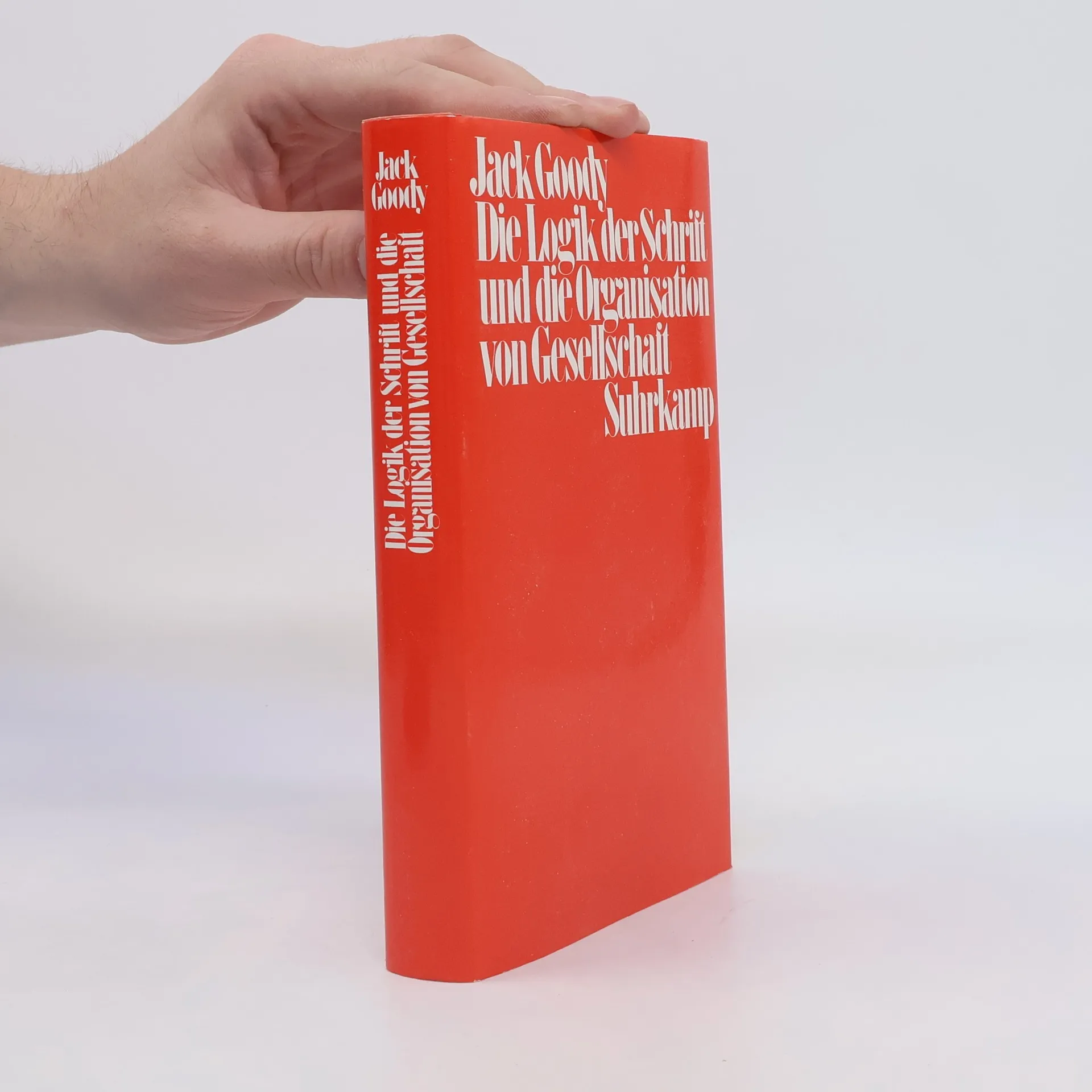
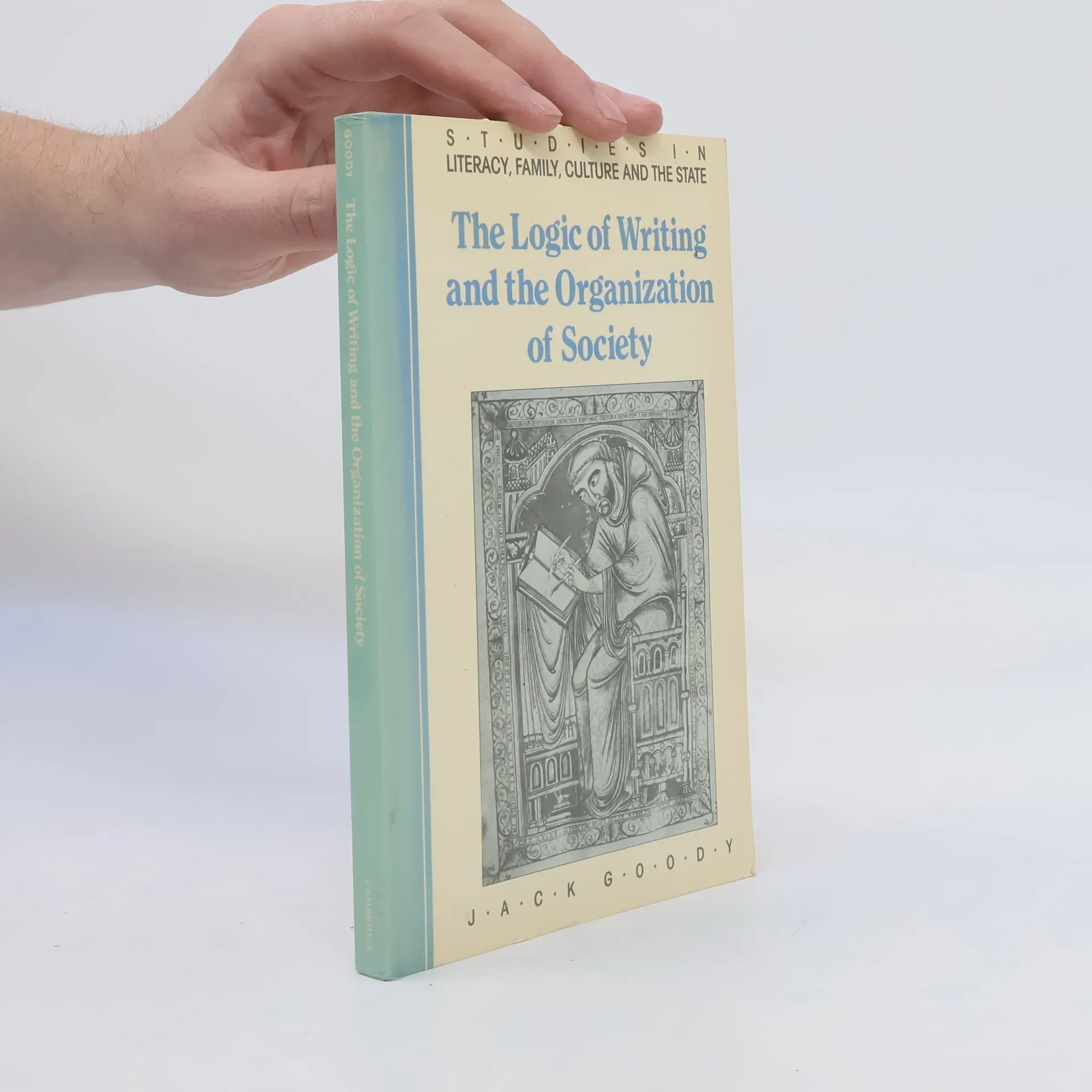
    • This book assesses the impact of writing on human societies, both in the Ancient Near East and in twentieth-century Africa, and highlights some general features of social systems that have been influenced by this major change in the mode of communication. Such features are central to any attempt at the theoretical definition of human society and such constituent phenomena as religious and legal systems, and in this study Professor Goody explores the role of a specific mechanism, the introduction of writing and the development of a written tradition, in the explanation of some important social differences and similarities. Goody argues that a shift of emphasis from productive to certain communicative processes is essential to account adequately for major changes in human societies. Whilst there have been previous descussions of the effect of literacy upon social organisation, no study has hitherto presented the general synthesis developed here.

      The logic of writing and the organization of society
      4.0
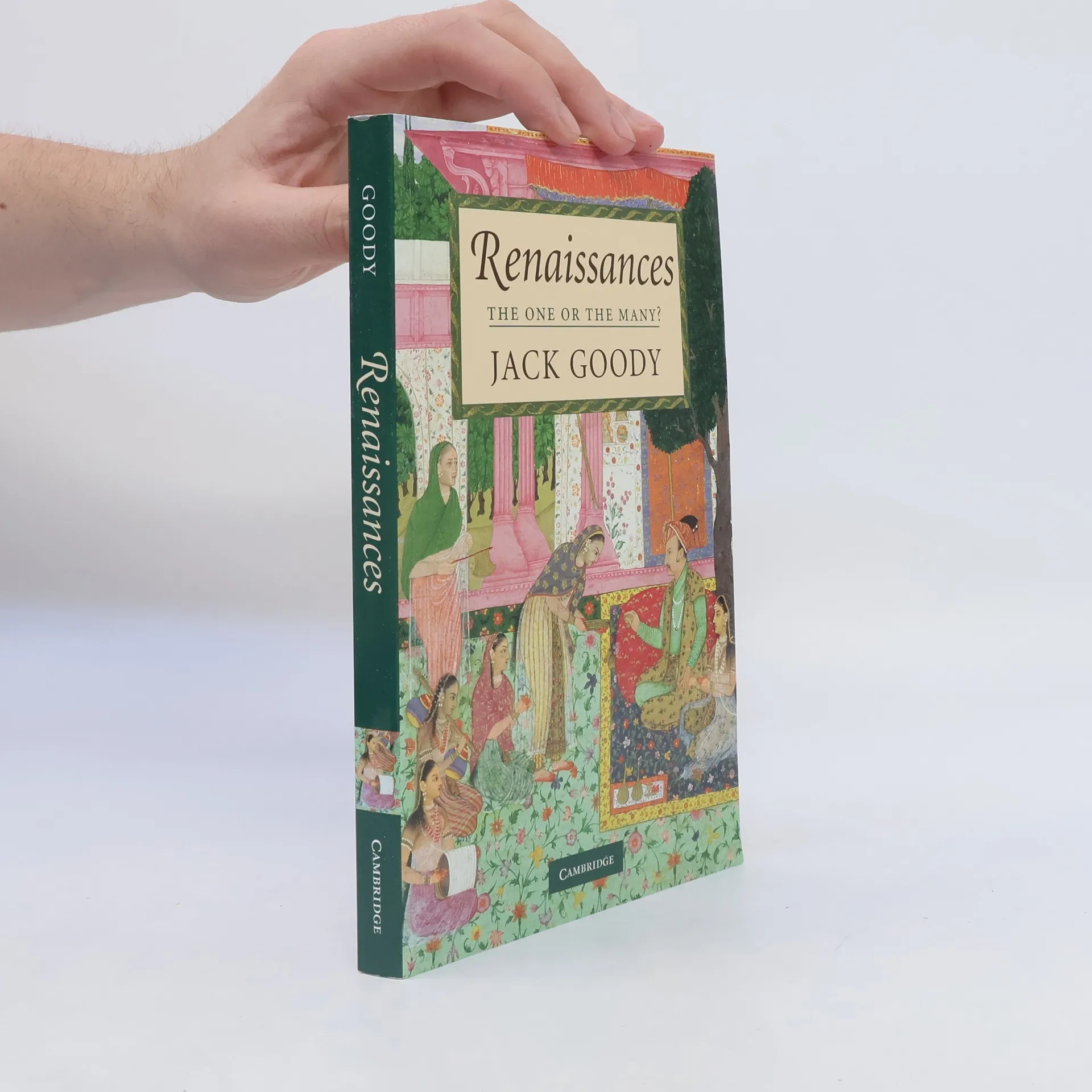
    • Renaissances

      The One or the Many?

      • 342 pages
      • 12 hours of reading

      Exploring the significance of the European Renaissance, this book examines whether it truly deserves its esteemed position in the narrative of modernity. It delves into historical perspectives, cultural shifts, and the implications of the Renaissance on contemporary thought, challenging readers to reconsider the era's impact on the development of modern society. Through critical analysis, it invites a reevaluation of the connections between past and present, offering insights into the complexities of historical interpretation.

      Renaissances
      3.8
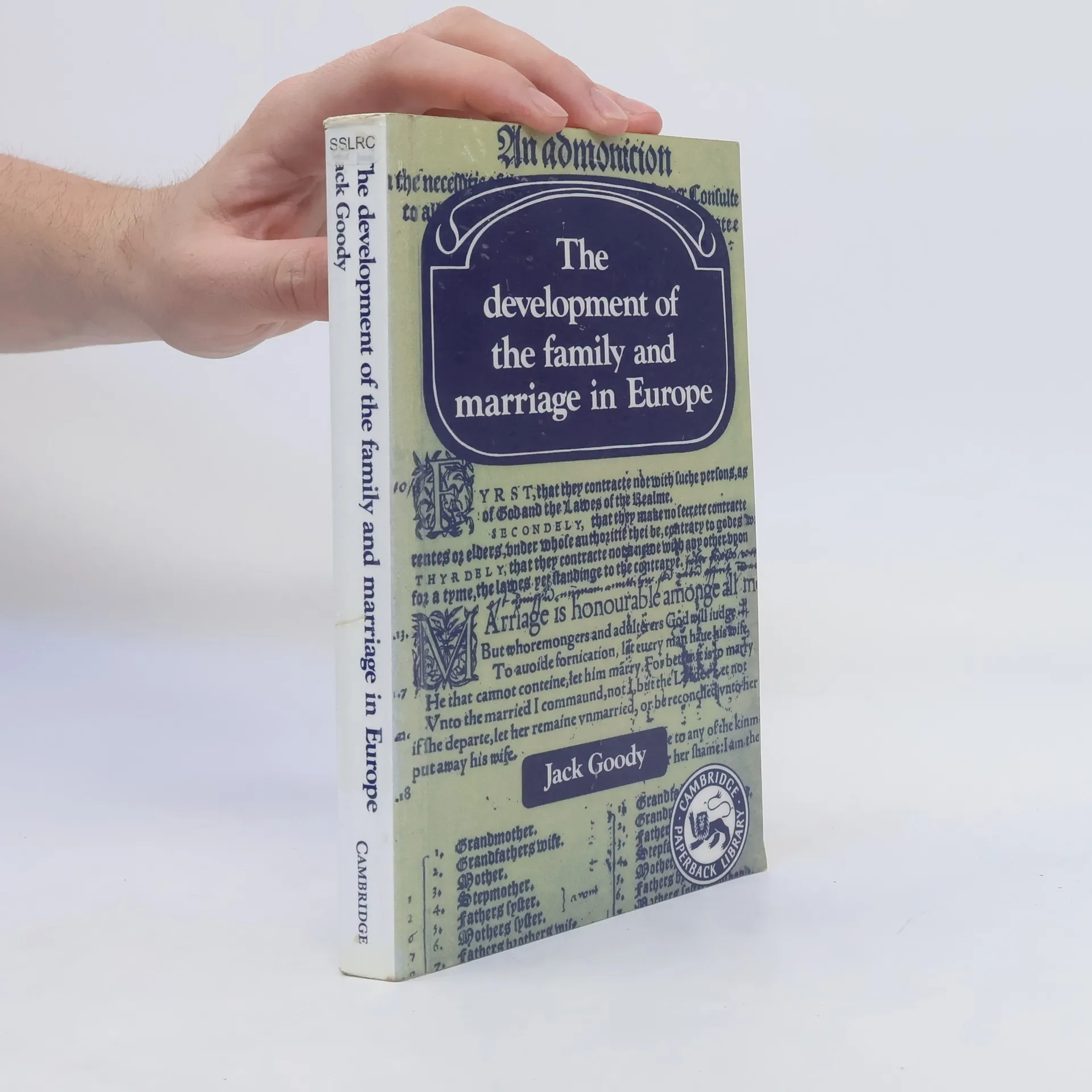
    • An original theory asserts that this distinctive form of kinship system developed in the northern Mediterranean around the fourth century A.D., and that its subsequent growth can be attributed to the efforts of the early Christian Church to acquire property formerly held by domestic groups.

      The Development of the Family and Marriage in Europe
      3.9
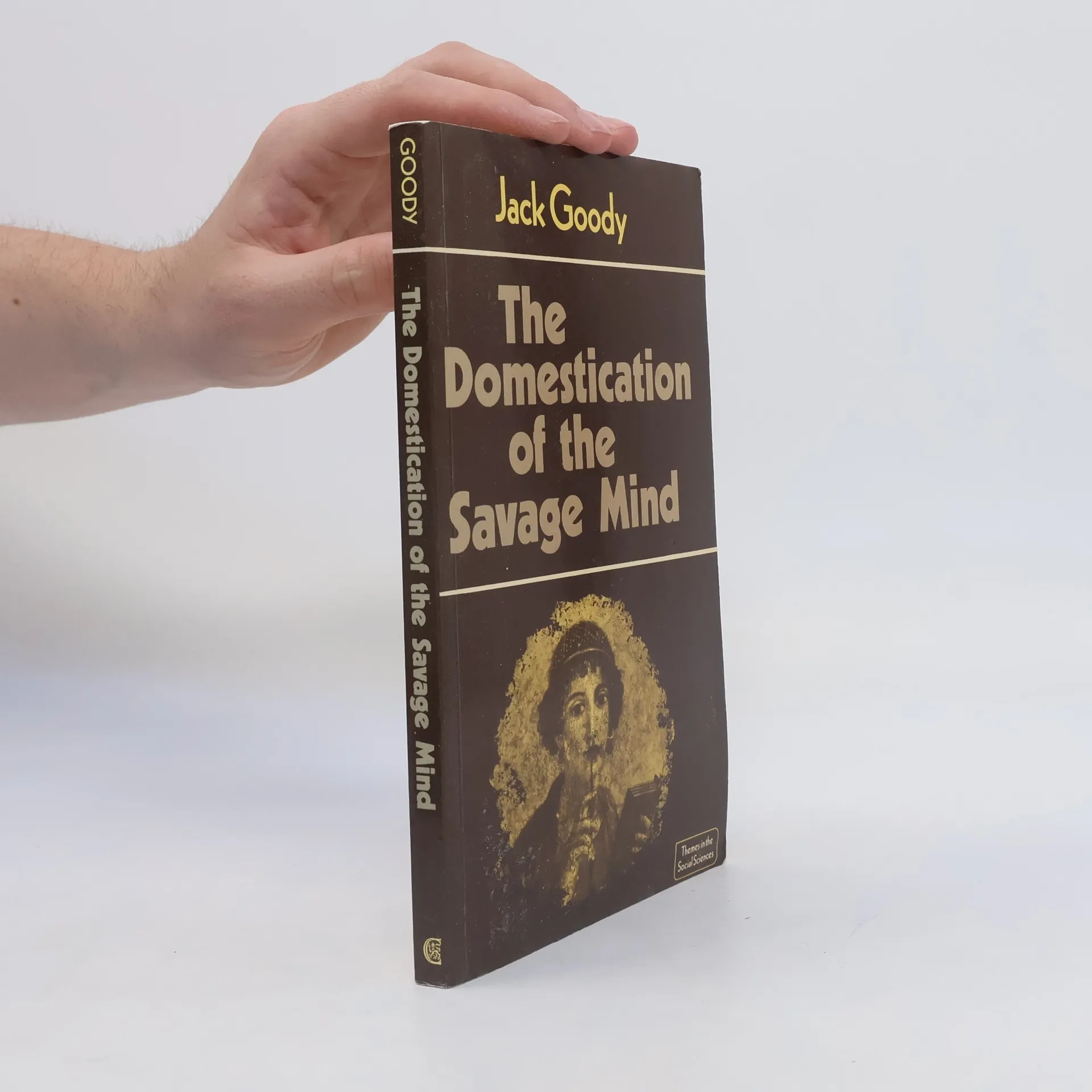
    • Current theories and views on the differences in the 'mind' of human societies depend very much on a dichotomy between 'advanced' and 'primitive', or between 'open' and 'closed', or between 'domesticated' and 'savage', that is to say, between one of a whole variety of 'we-they' distinctions. Professor Goody argues that such an approach prevents any serious discussion of the mechanisms leading to long-term changes in the cognitive processes of human cultures or any adequate explanation of the changes in 'traditional' societies that are taking place in the world around us. In this book he attempts to provide the framework for a more satisfactory explanation by relating certain broad differences in 'mentalities' to the changes in the means of communication, and specifically to the series of shifts involved in the development of writing. The argument is based upon theoretical considerations, as well as empirical evidence derived from recent fieldwork in West Africa and the study of a wide range of source material on the ancient societies of the Near East.

      The Domestication of the Savage Mind
      3.9
    • The Theft of History

      • 352 pages
      • 13 hours of reading

      Goody raises questions about theorists, historians and methodology and proposes a new comparative approach to cross-cultural analysis.

      The Theft of History
      3.8
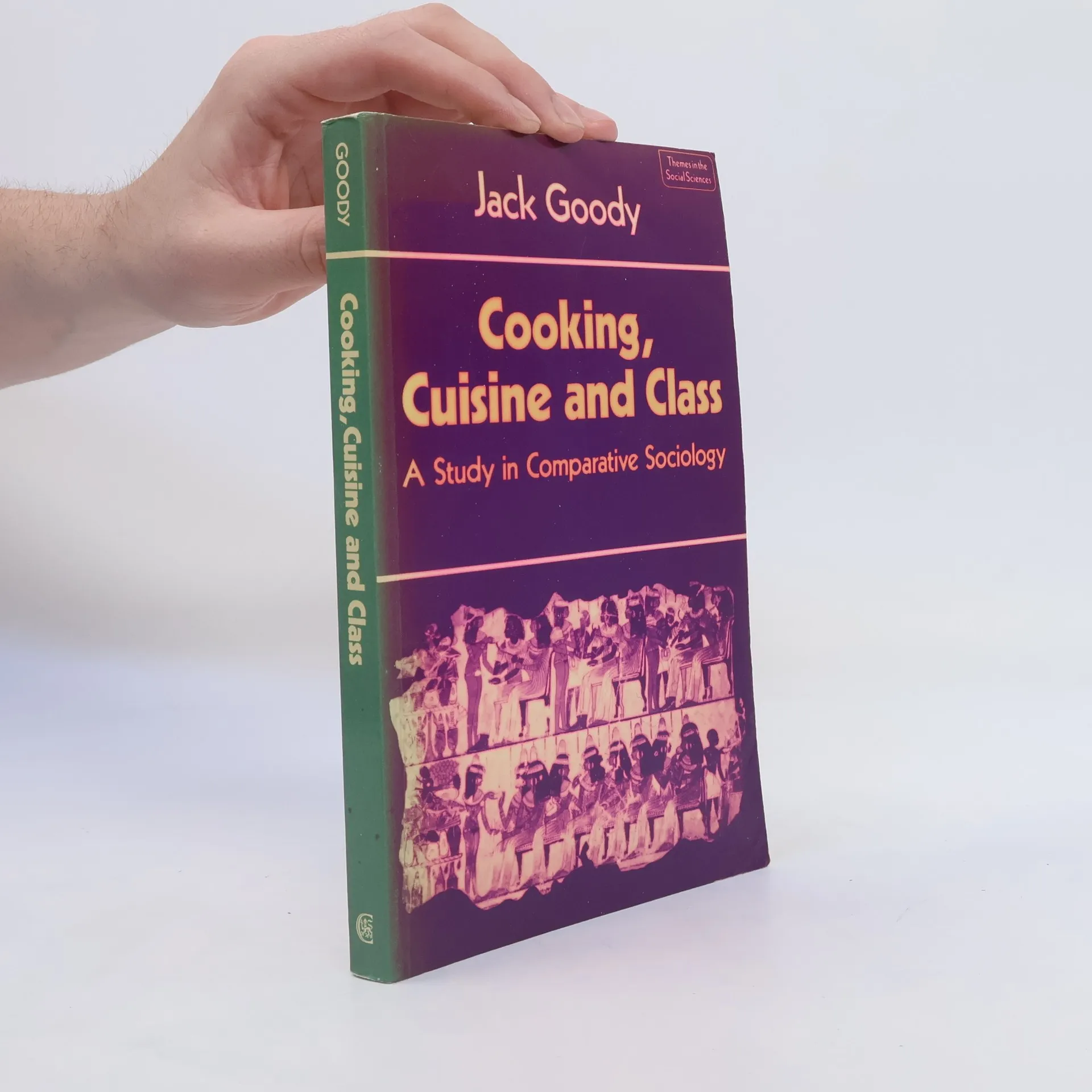
    • The preparation, serving and eating of food have been studied from a variety of theoretical and empirical perspectives. It is in this context that Jack Goody sets his own observations on cooking in West Africa, examining why a differentiated 'haute cuisine' has not emerged in Africa, as in other parts of the world.

      Themes in the Social Sciences
      3.6
    • Islam in Europe

      • 192 pages
      • 7 hours of reading

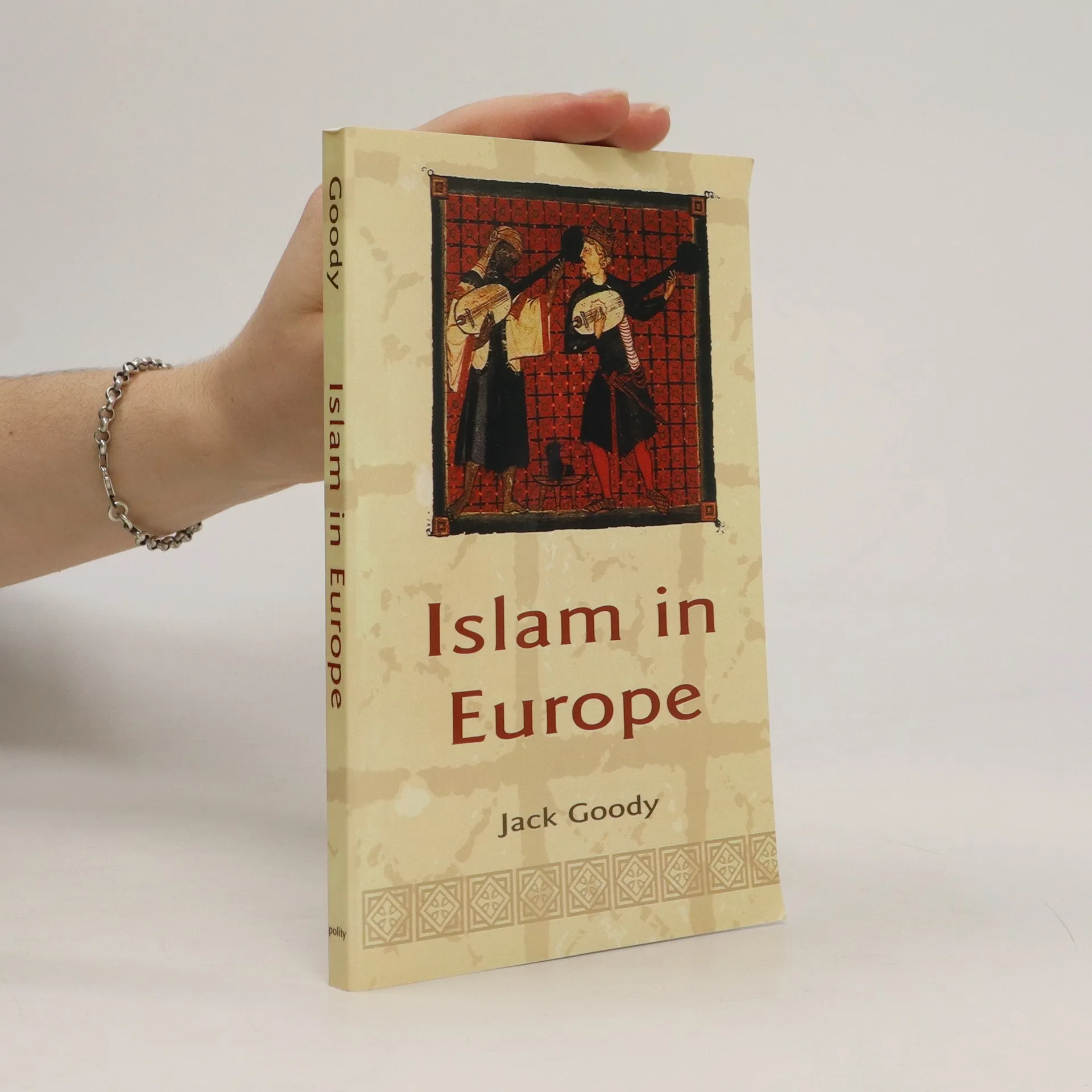
      This vigorously argued book reveals the central role that Islam has played in European history. Following the movement of people, culture and religion from East to West, Goody breaks down the perceived opposition between Islam and Europe, showing Islam to be a part of Europe's past and present. In an historical analysis of religious warfare and forced migration, Goody examines our understanding of legitimate violence, ethnic cleansing and terrorism. His comparative perspective offers important and illuminating insights into current political problems and conflicts. Goody traces three routes of Islam into Europe, following the Arab through North Africa, Spain and Mediterranean Europe; the Turk through Greece and the Balkans; and the Mongol through Southern Russia to Poland and Lithuania. Each thrust made its mark on Europe in terms of population and culture. Yet this was not merely a military impact: especially in Spain, but elsewhere too, Europe was substantially modified by this contact. Today it takes the form of some eleven million immigrants, not to speak of the possible incorporation of further millions through Bosnia, Albania and Turkey.

      Islam in Europe
      3.6
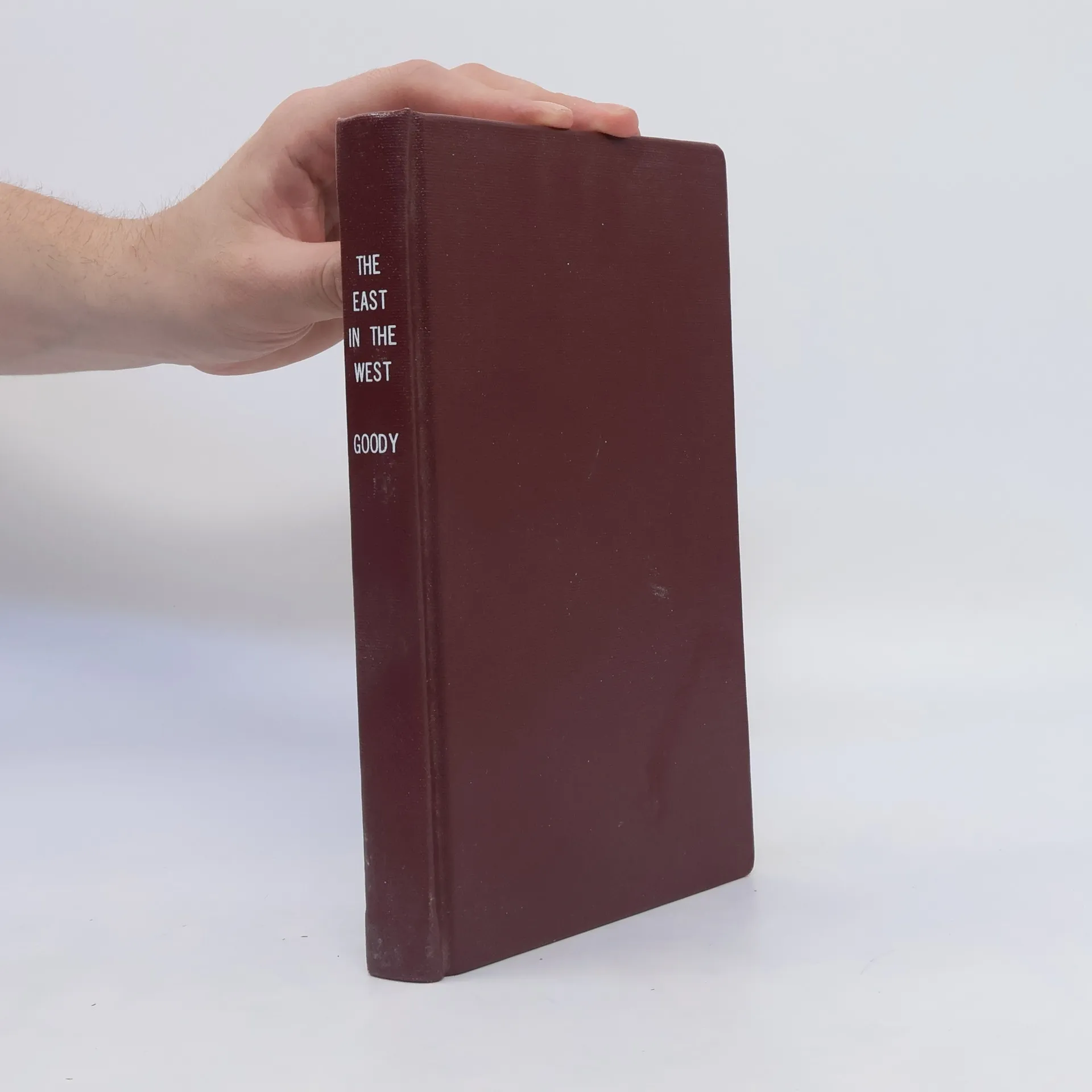
    • The East in the West reassesses Western views of Asia. Traditionally many European historians and theorists have seen the societies of the East as 'static' or 'backward'. Jack Goody challenges these assumptions, beginning with the notion of a special Western rationality which enabled 'us' and not 'them' to modernise. He then turns to book-keeping, which several social and economic historians have seen as intrinsic to capitalism, arguing that there was in fact little difference between East and West in terms of mercantile activity. Other factors said to inhibit the East's development, such as the family and forms of labour, have also been greatly exaggerated. This Eurocentrism both fails to explain the current achievements of the East, and misunderstands Western history. The East in the West starts to redress the balance, and so marks a fundamental shift in our view of Western and Eastern history and society. -- Publisher description from http://www.cambridge.org (Oct. 14, 2011)

      The East in the West
      3.4
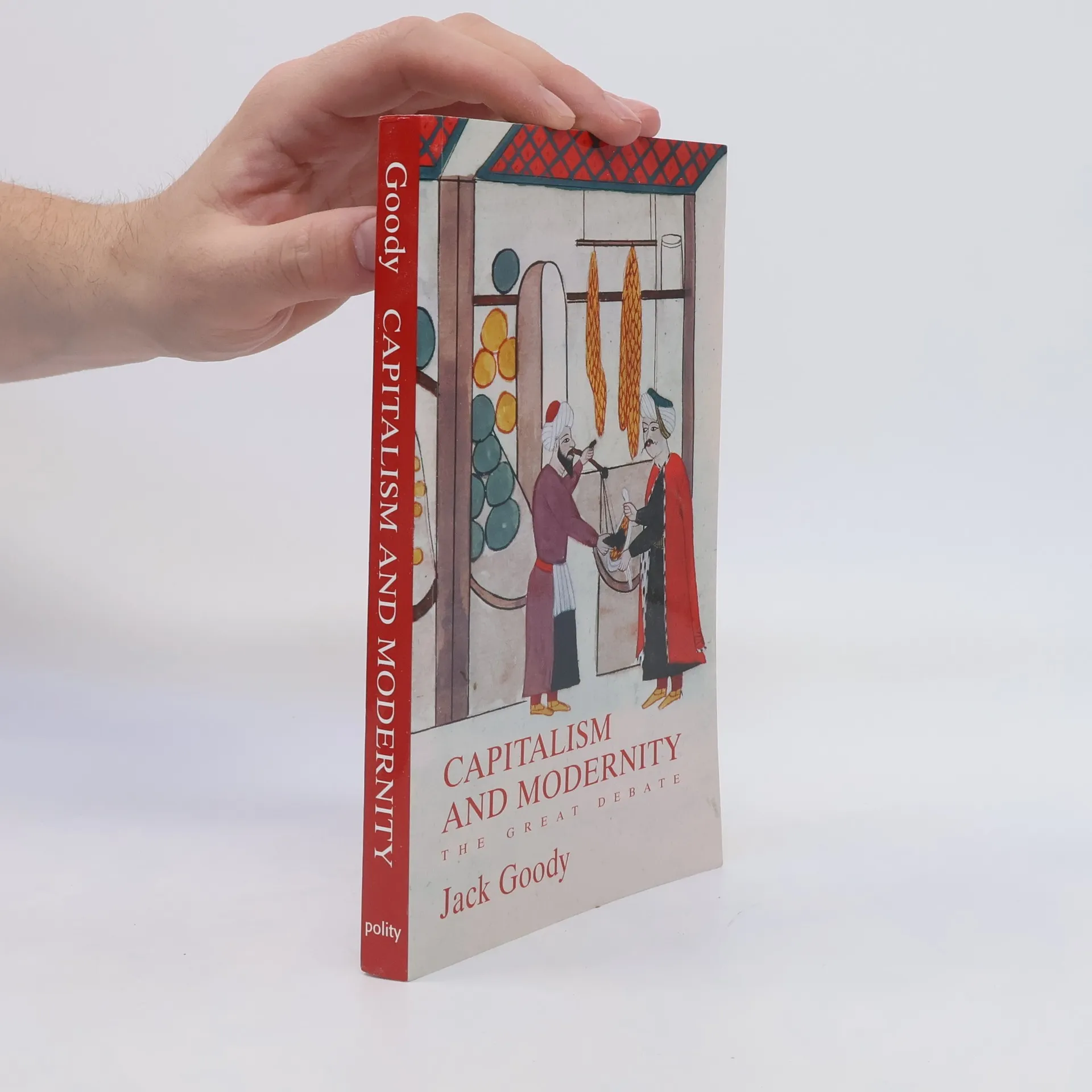
    • Capitalism and Modernity

      • 208 pages
      • 8 hours of reading

      This book by Jack Goody explores how the West achieved its economic and social dominance, analyzing historical factors that contributed to Europe's growth. Challenging notions of European cultural supremacy, it highlights the Industrial Revolution's role and offers insights into capitalism and modernity, essential for understanding the West's rise.

      Capitalism and Modernity
      3.1
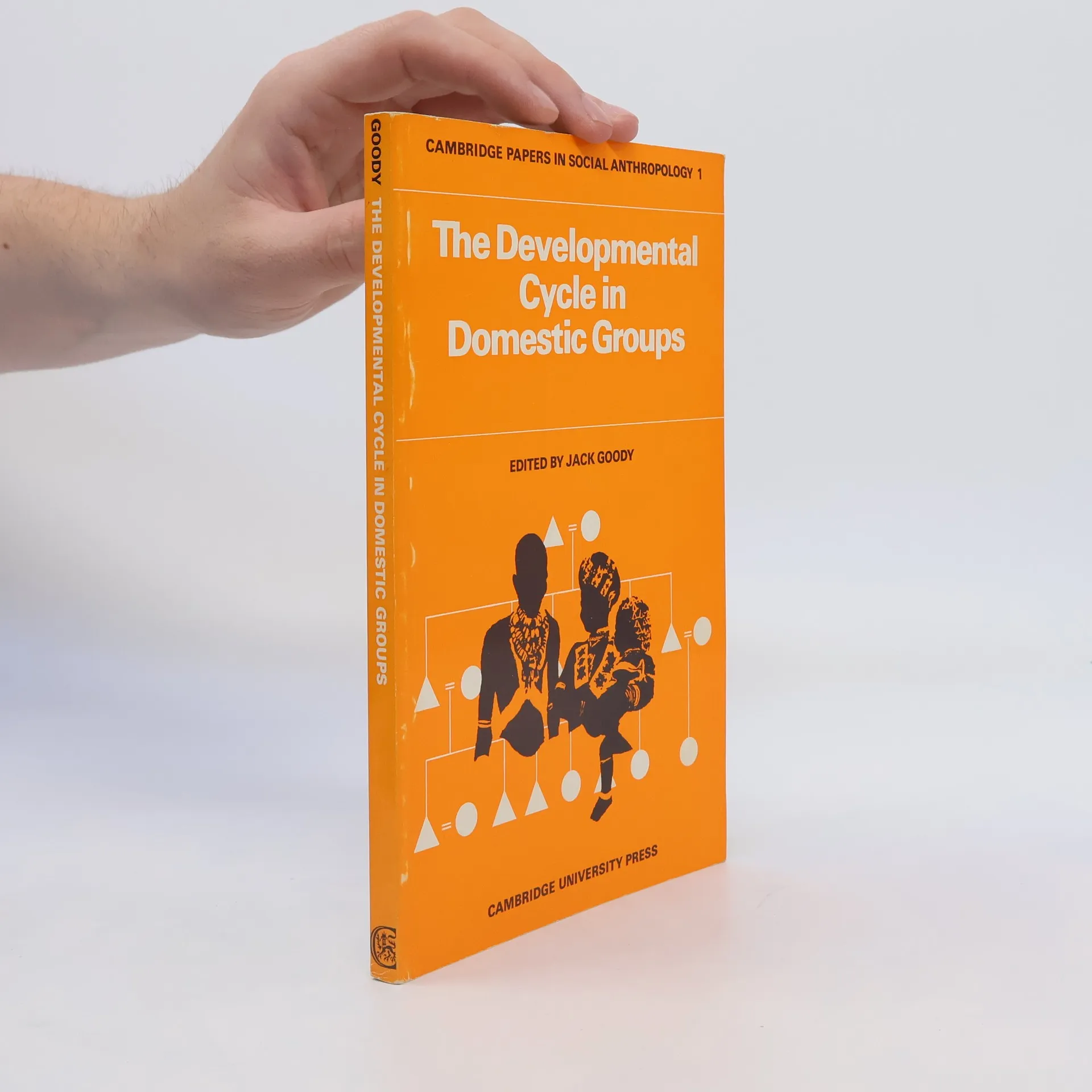
    • Social scientists, when making their studies of the structure of family groups, have often observed the current situation of a particular group of families and drawn conclusions from that static picture. Valuable as many of these conclusions may be, they are incomplete because they overlook the important fact that the structure of the family changes. These changes can be fitted into a developmental cycle in which the family or group changes in composition from its original two members to a larger group and finally two again. This book, originally published in 1958, is introduced by a substantial essay and reviews the papers collected here and discusses the theoretical background and implications of the use of the concept of the developmental cycle. The papers each demonstrate how the changing structure of the domestic group may be seen to explain otherwise obscure elements of the particular society.

      The Developmental Cycle in Domestic Groups
    • The Social Organisation of the Lo Wiili

      • 146 pages
      • 6 hours of reading

      Focusing on the life and social structure of the Lo Wiili people in Haute Volta and Ghana, this 1967 work offers an in-depth ethnographic study. It explores their cultural practices, community dynamics, and the impact of historical changes on their society. The book provides valuable insights into the traditions and social organization of the Lo Wiili, reflecting their unique identity within the broader context of West African cultures.

      The Social Organisation of the Lo Wiili
    • Changing Social Structure in Ghana

      Essays in the Comparative Sociology of a new State and an old Tradition

      • 308 pages
      • 11 hours of reading

      The research explores the dynamics of social change in Ghana, providing insights into the cultural, economic, and political transformations the country experienced. Through detailed analysis, it examines the factors driving these changes and their implications for Ghanaian society. This foundational work offers a comprehensive understanding of the social landscape during a significant period in Ghana's history.

      Changing Social Structure in Ghana
    • Renesans. Czy tylko jeden?

      • 408 pages
      • 15 hours of reading

      Jeden z najwybitniejszych współczesnych przedstawicieli nauk społecznych skupia się na jednym z najważniejszych historycznych zagadnień minionego tysiąclecia: czy europejski Renesans istotnie zasługuje na swą wyjątkową pozycję w centrum naszych wyobrażeń na temat kształtowania się nowoczesności? Autor stara się określić cechy charakteryzujące „nasz” europejski Renesans, zapoczątkowany w XIV w. w Italii, zwracając szczególną uwagę na to, co Europa zawdzięcza wpływom pozaeuropejskim. Bada następnie, czy i w jakich warunkach do zjawisk odradzania się oraz rozkwitu kultury (po okresach regresu) dochodziło w innych kręgach cywilizacyjnych: w świecie arabsko-muzułmańskim, w Indiach oraz w Chinach. I porównuje procesy zachodzące w tamtych kulturach z modelem europejskim. Podobnie jak w swych wcześniejszych książkach poddaje krytyce europocentryczną wizję historii i zwraca szczególną uwagę na rolę pisma dla dziejów społeczeństw i ich kultury. Sir Jack Goody (ur. 1919) jest emerytowanym profesorem w St John’s College na Uniwersytecie w Cambridge. Od ponad pół wieku prowadzi badania z zakresu antropologii społecznej i historii cywilizacji. Opublikował m.in. książki: Logika pisma a organizacja społeczeństwa oraz Kradzież historii.

      Renesans. Czy tylko jeden?
      4.4
    • Der Übergang von der Mündlichkeit zur Schriftlichkeit und die Ablösung verschiedener Schriftsysteme bis zu ihrer Perfektion in der alphabetischen Schrift der Griechen bedeutet mehr als einen technologischen Wandel der Kommunikationsmedien. Die Abstraktionsleistung, die zur Erfindung der Schrift, besonders der phonetischen, nötig ist, hat bestimmte soziale Voraussetzungen. Umgekehrt beschleunigt der tägliche Gebrauch der Schrift soziale Veränderungen, da der Kopf von der Mühe des Gedächtnisses befreit und für konzeptuelles Denken frei wird. Von den kulturellen Einbußen und Gewinnen, die die Vollendung der Schriftlichkeit mit sich bringt, ist die europäische Zivilisation geprägt: den Verlust an Unmittelbarkeit bei der Ablösung der mündlichen Rede durch die schriftliche Aufzeichnung hat bereits Plato beklagt; das Bewahren und damit Veralten der fixierten Texte läßt jedoch zugleich ein kritisches Bewußtsein entstehen und bezeichnet den Beginn der geschichtlichen Erfahrung, die das Vergangene vom Gegenwärtigen zu scheiden weiß.

      Entstehung und Folgen der Schriftkultur
      4.0
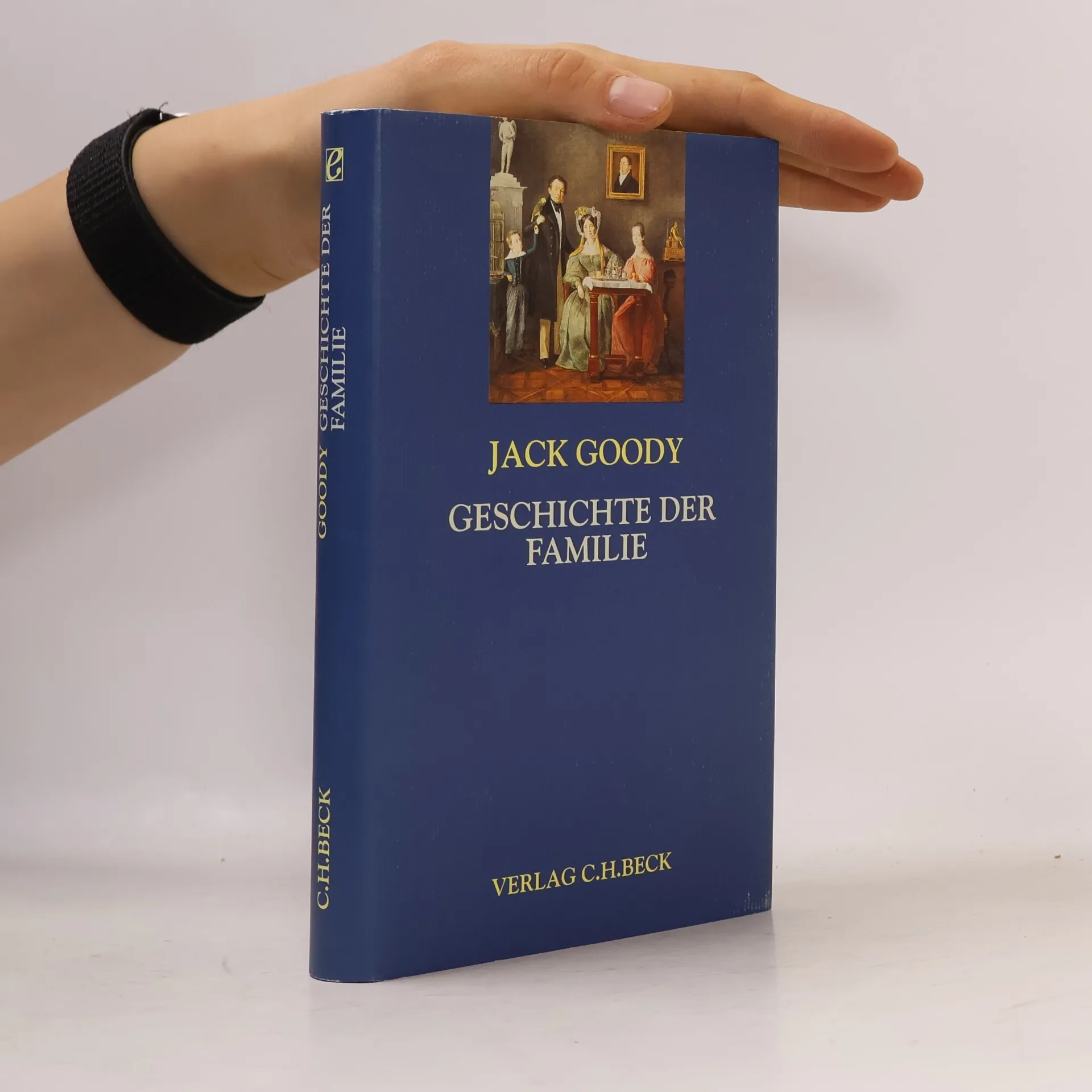
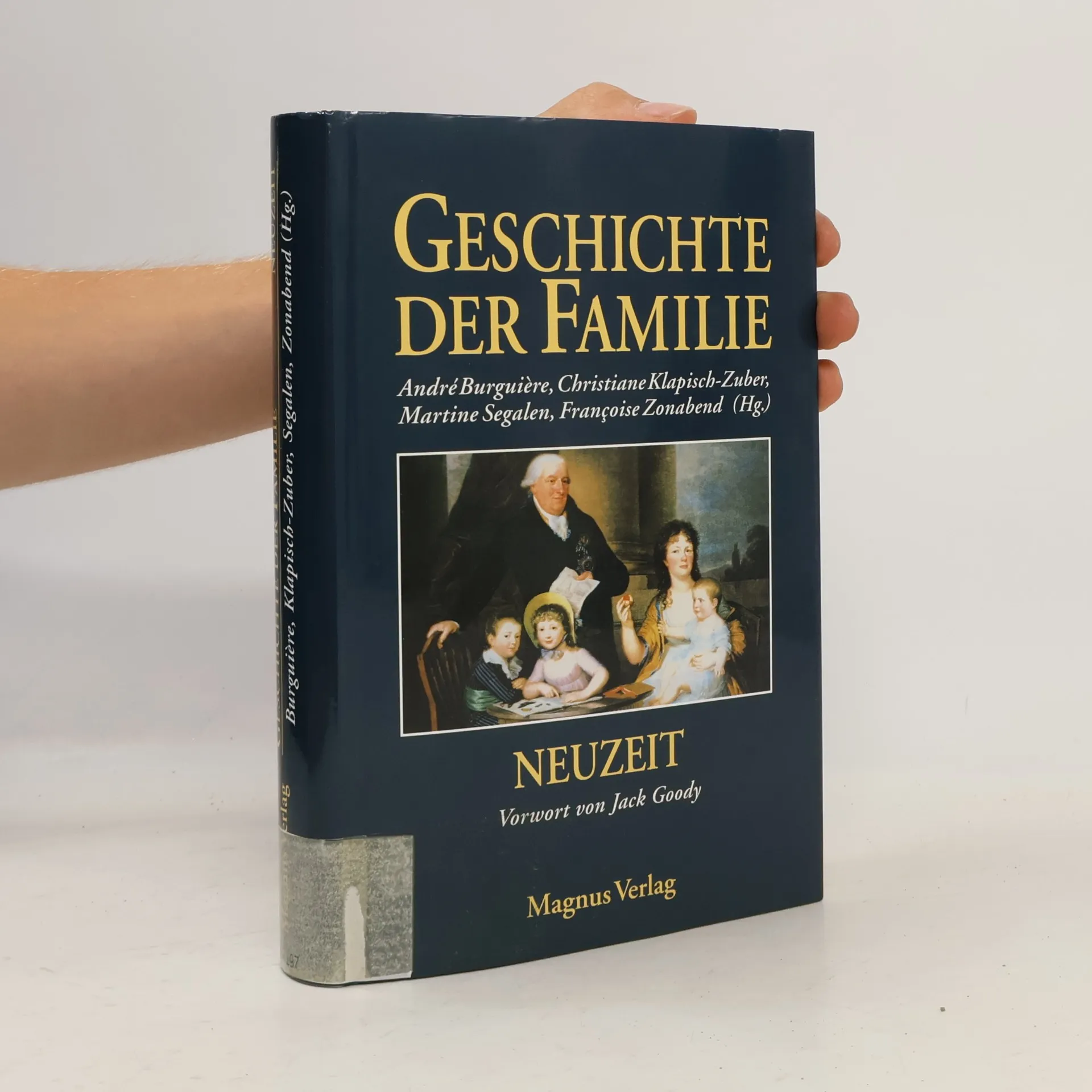
    • Geschichte der Familie

      • 272 pages
      • 10 hours of reading

      Dieses Buch beschreibt anschaulich und allgemeinverständlich die Geschichte der Familie in Europa von der Antike bis zur Gegenwart. Ethnologische Vergleiche mit Familienstrukturen in Afrika und Asien zeigen, daß die „europäische Familie“ trotz aller regionalen Unterschiede weltweit eine Besonderheit darstellt. Daß sich die Kleinfamilie erst in der Neuzeit herausgebildet hat und inzwischen vor ihrem Ende steht, ist eine weit verbreitete Meinung. Jack Goody zeichnet in diesem Buch ein völlig anderes Bild. Die von Kinder- und Gattenliebe geprägte Kernfamilie besteht schon seit der Antike, und sie wird auf absehbare Zeit nicht untergehen. Trotzdem unterlag das häusliche Leben immer wieder Veränderungen, zu denen die Durchsetzung des Christentums und des Feudalismus, Renaissance und Reformation sowie - am einschneidendsten - die Industrielle Revolution beigetragen haben. Die letzten beiden Kapitel sind der Gegenwart der Familie gewidmet: Was steckt hinter der Behauptung, die Familie löse sich zunehmend auf? Welche Leitbilder hat die Familie in der Dienstleistungsgesellschaft?

      Geschichte der Familie
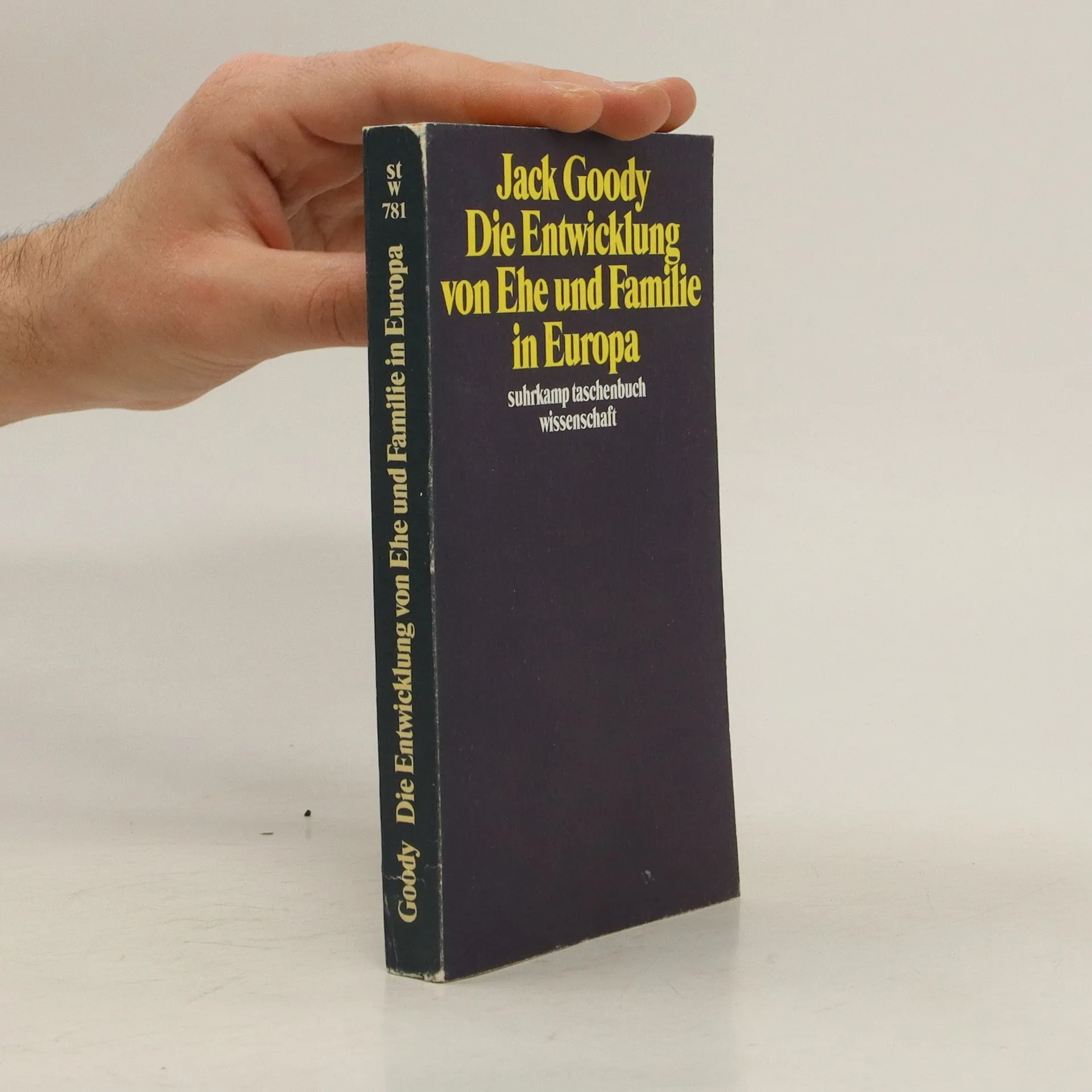
    • Die zentrale Frage dieses Buches: wie kam es, daß sich etwa ab 300 nach Christus bestimmte allgemeine Züge des europäischen Erscheinungsbildes von Verwandtschaft und Ehe anders gestalten als im antiken Rom, Griechenland, in Israel und Ägypten, anders auch als in den Gesellschaften an den Mittelmeerküsten des Nahen Ostens und Nordafrikas, die diese ablösten? Mit der Beantwortung dieser Fragen versucht Goody zugleich, eine Betrachtungsweise europäischer Institutionen und Einstellungen zu begründen, die zum einen vom Beginn unserer heutigen Zeitrechnung ausgeht – von den mediterranen und nahöstlichen Wurzeln einer Ideologie, die über die letzten 2000 Jahre so überaus wirksam war, im Bereich der Familie ebenso wie in der Theologie, in der Politik ebenso wie in der Produktion – und zum anderen diese europäischen Institutionen und Einstellungen auch unter kulturvergleichendem Aspekt ins Auge gefaßt.

      Die Entwicklung von Ehe und Familie in Europa
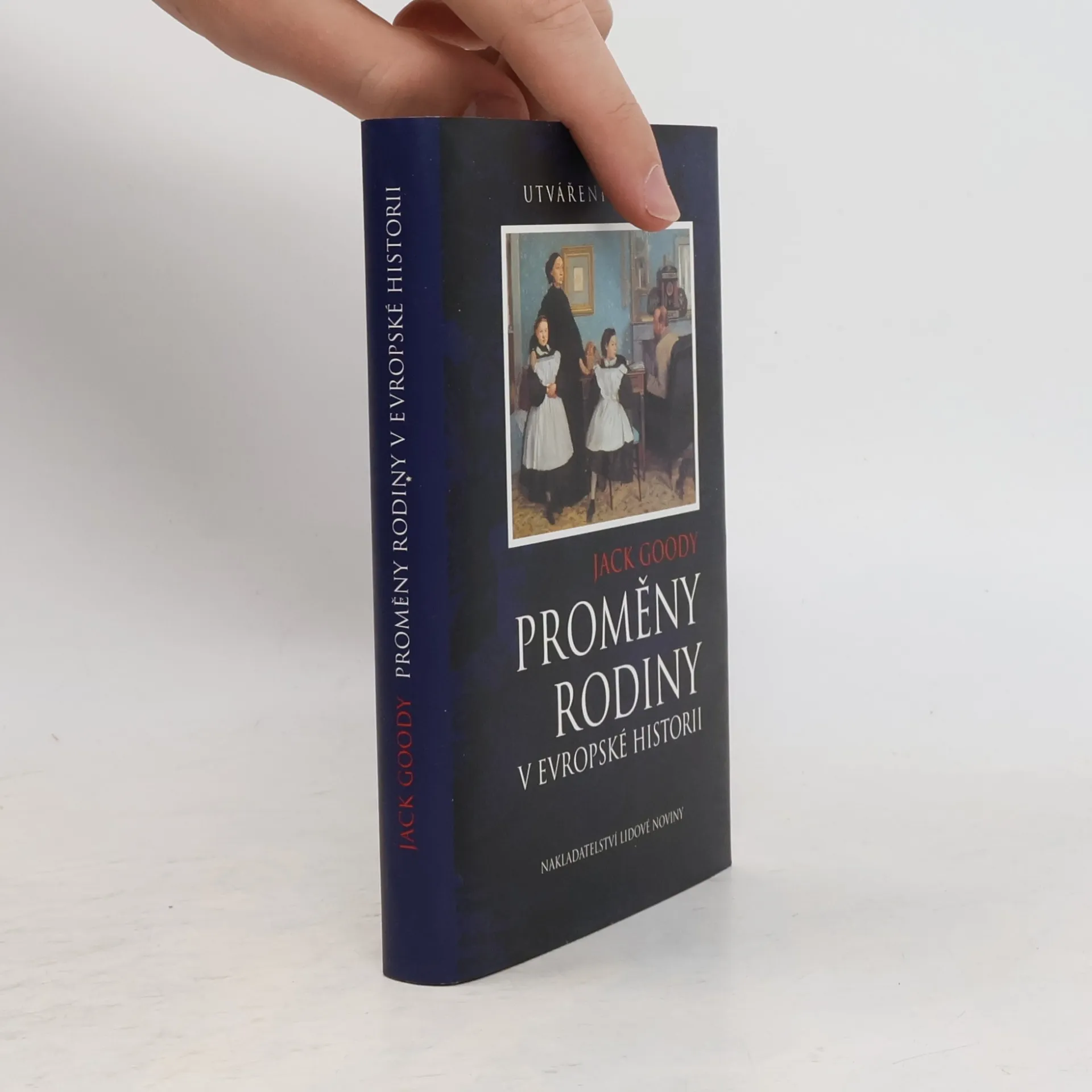
    • Goodyho práce nabízí stručné, ale široce pojaté dějiny evropské rodiny od antiky po současnost. Autor zkoumá vliv klíčových společenských, politických a ekonomických změn v evropské historii na rodinný život, včetně nástupu křesťanství, feudalismu, renesance, reformace a především průmyslové revoluce. Svou analýzu zasazuje autor do široké srovnávací perspektivy a uvádí příklady z celého světadílu. Ukazuje nejen to, jak se zkušenosti různých oblastí a národů v rámci Evropy v jednotlivých obdobích lišily, ale osvětluje i to, v čem se evropská zkušenost podobala vývoji v jiných částech světa nebo v čem se od něj naopak odlišovala. Klade si otázku, zda měla tato rodina nějaké specifické rysy, a zkoumá, jak se takové rysy mohly v průběhu času vyvinout. V této studii jsem se pokusil upozornit na některé významné faktory, které se objevovaly v dějinách evropské rodiny od nejstarší doby. Snažil jsem se příliš neprodlévat na otázce výlučnosti tohoto světadílu, pokud jde o rozvoj kapitalismu, industrializaci či modernizaci. Mluvíme-li o rodině, manželství a příbuzenství, Evropa byla v některých ohledech výjimečná, jako je však každá země, každá jednotka. Zcela jinou otázkou je, zda mají tyto „jedinečné“ rysy něco společného s předpokládaným socioekonomickým vývojem, z něhož se zrodil „evropský zázrak“ kapitalismu, ačkoli ve své ranější merkantilní fázi byl tento „zázrak“ méně výjimečný, než se soudí.

      Proměny rodiny v evropské historii
      3.2