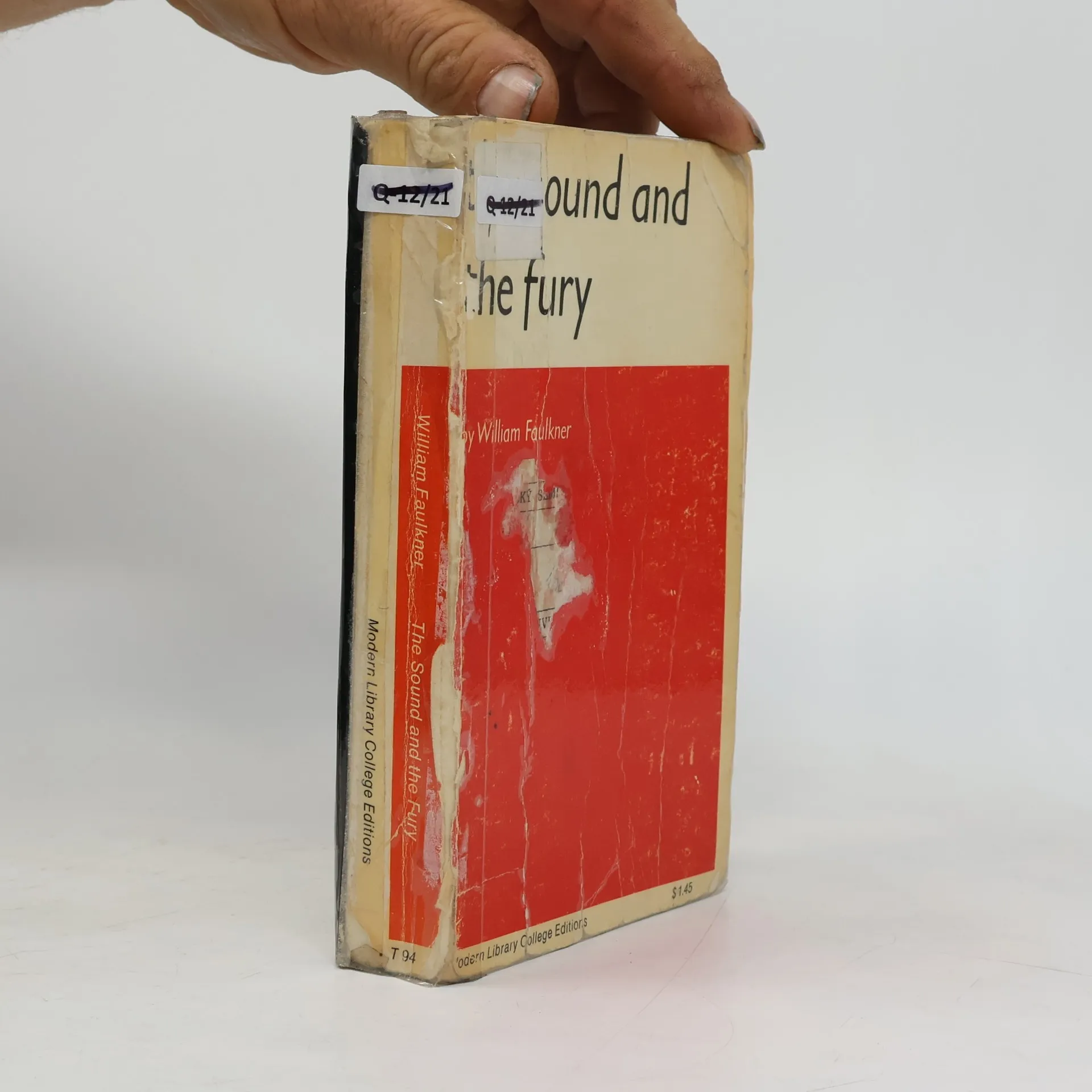
Ever since the first furore was created on its publication in 1929, The Sound and the Fury has been considered one of the key novels of this century. Depicting the gradual disintegration of the Compson family through four fractured narratives, T
Árpád Göncz Book order (chronological)

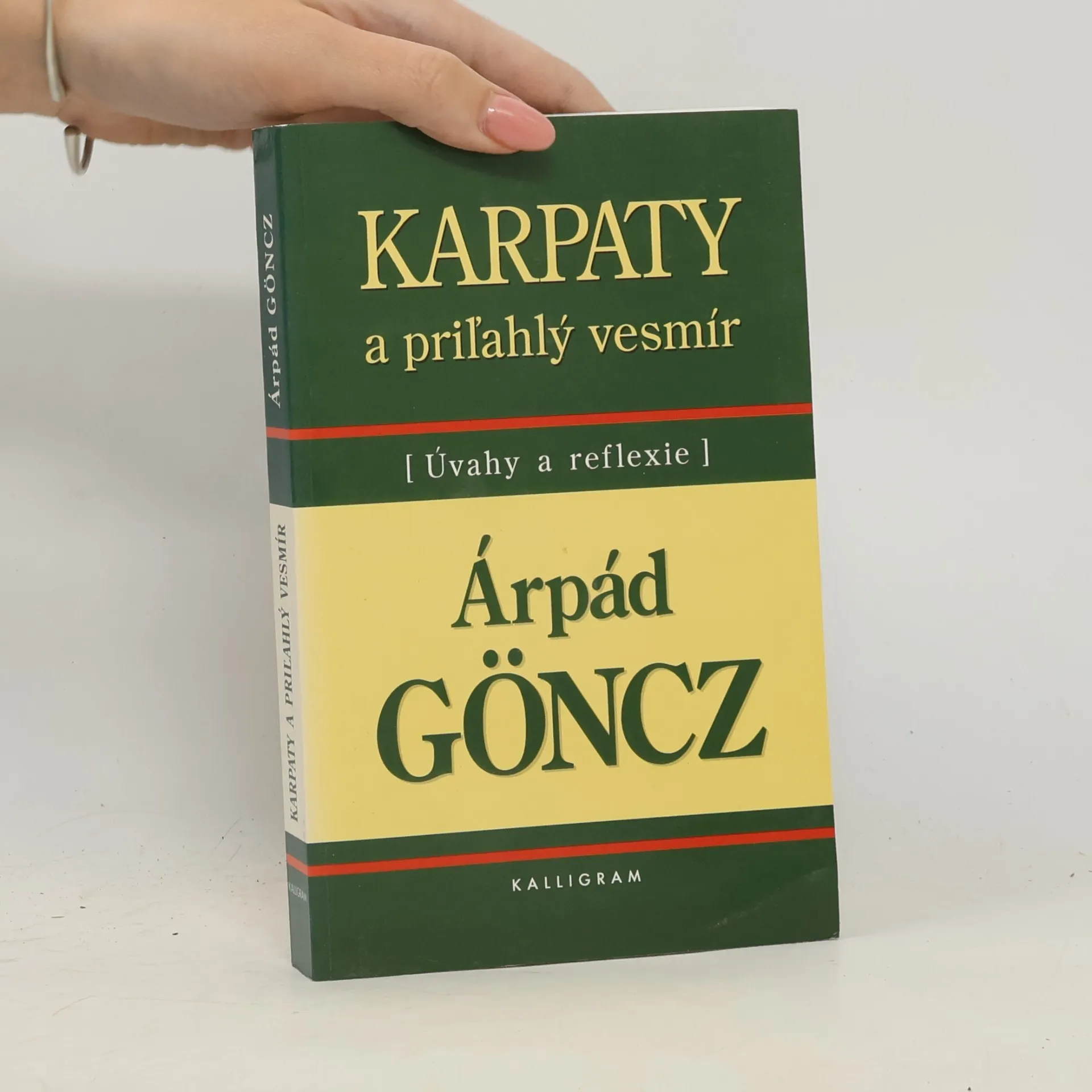
Karpaty a priľahlý vesmír
- 350 pages
- 13 hours of reading
Úvahy a reflexie subjektívne opisujú Strednú Európu ako hmatateľný geografický pojem a to, čo je nehmatateľné - prežívanie strednej Európy, očami bývalého maďarského prezidenta.
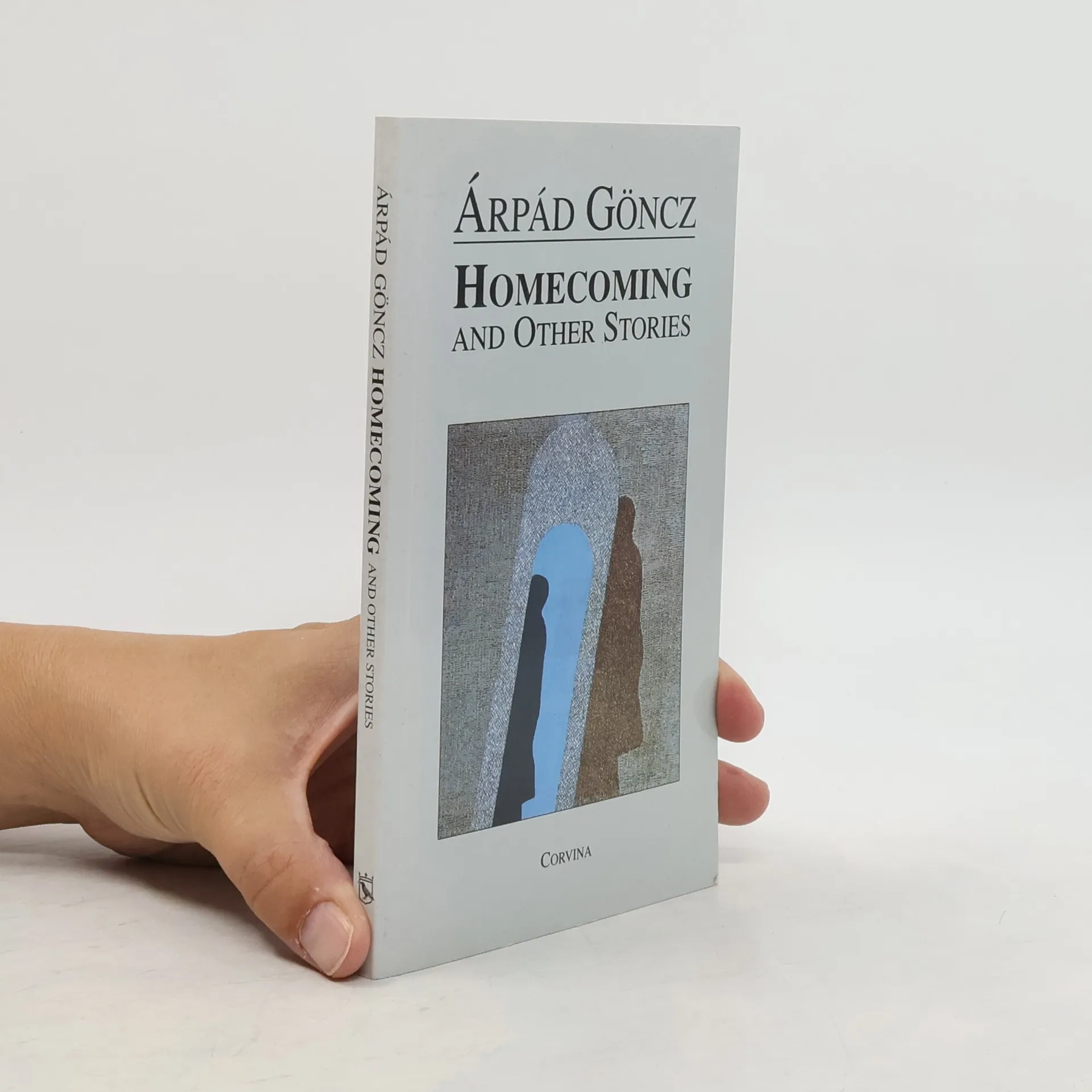
Homecoming and Other Stories
- 101 pages
- 4 hours of reading
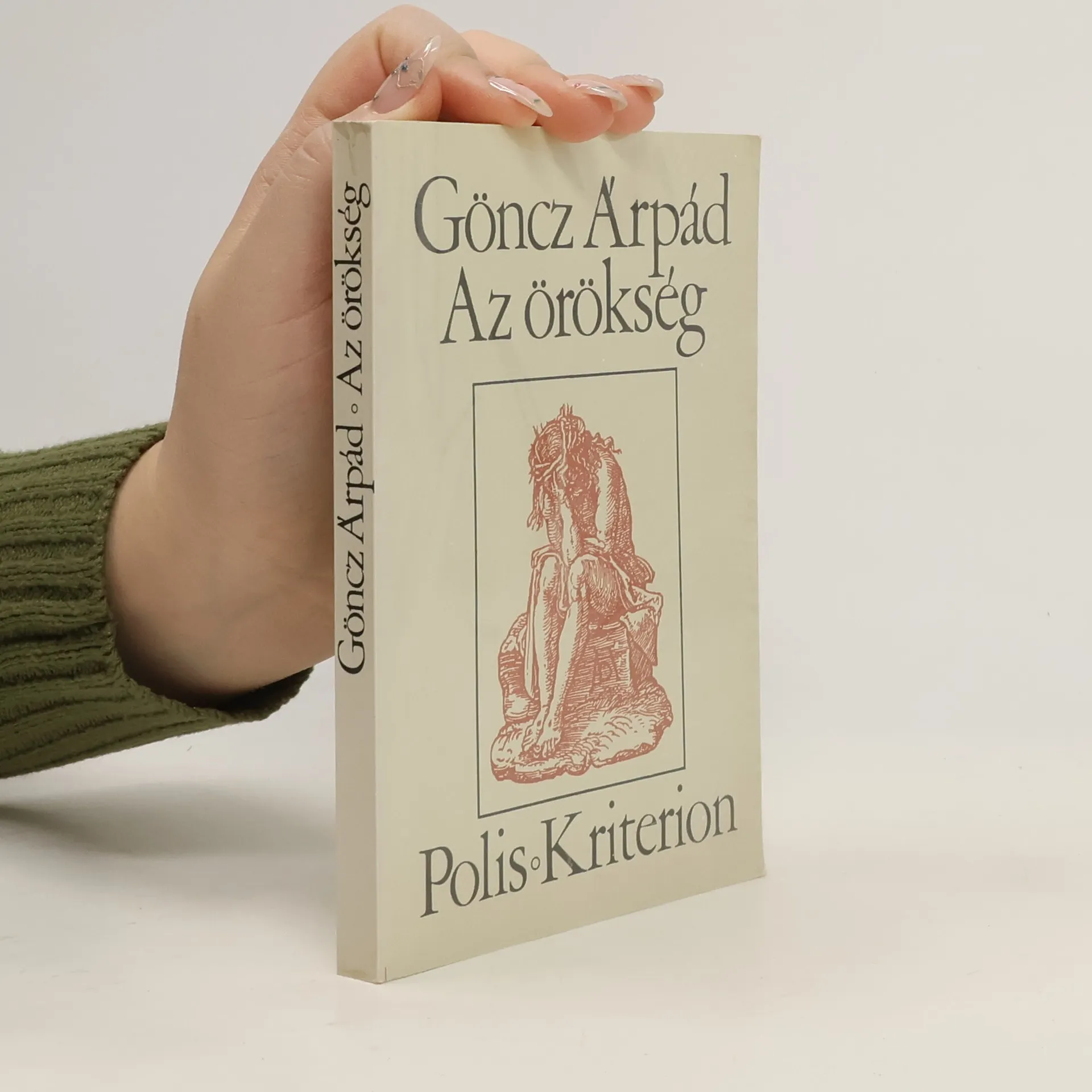
Az örökség
- 253 pages
- 9 hours of reading
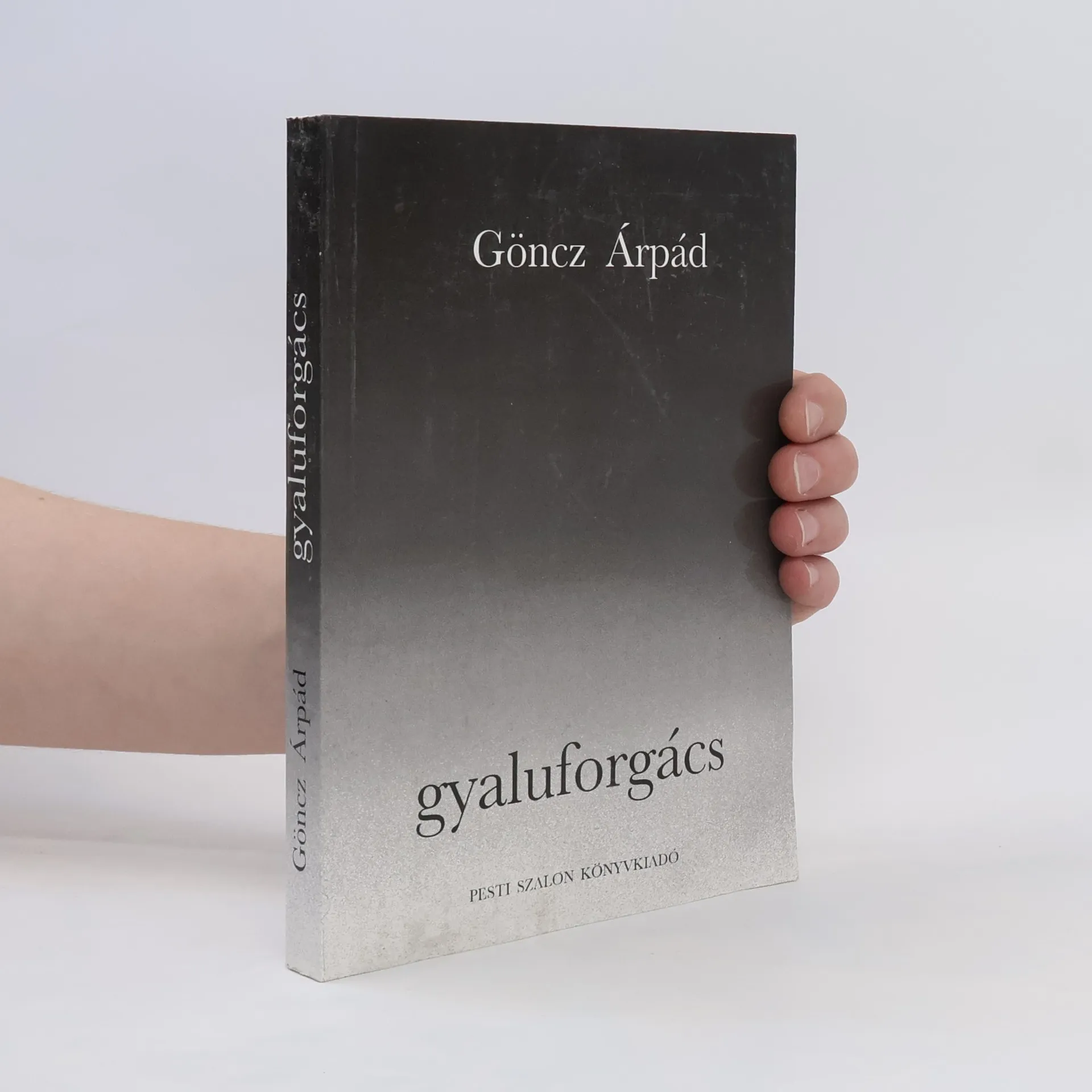
Gyaluforgács
- 335 pages
- 12 hours of reading
Hungarian
The Thorn Birds
- 96 pages
- 4 hours of reading
The epic story of a priest torn between God and human passion and a beautiful girl desiring only what she cannot have, spanning five decades of ambition, fear, longing and revenge, and set against the vast horizons of Australia's Outback.
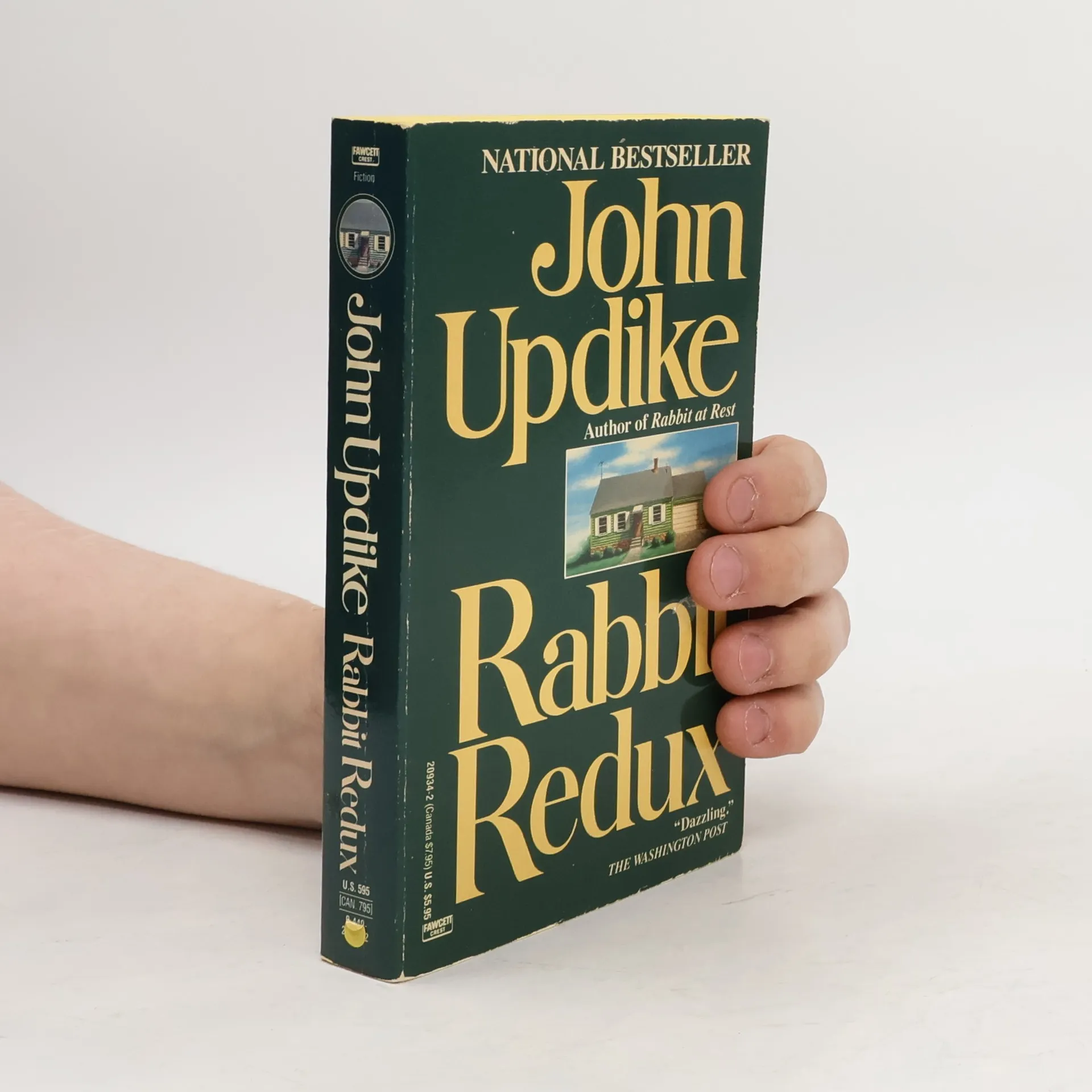
"A triumph." NEWSDAY The assumptions and obsessions that control our daily lives are explored in tantalizing detail by master novelist John Updike in this wise, witty, and sexy story. Harry Angstrom--known to all as Rabbit, one of America's most famous literary characters--finds his dreary life shattered by the infidelity of his wife, Janice. How he resolves or further complicates his problems makes for a novel of the first order. From the Paperback edition.
Sandalenträger
- 155 pages
- 6 hours of reading
Warum schreibt der Mensch? Damit er, wenn ihm ein Stück Geschichte im Hals stecken bleibt, es wieder herauswürgen kann. Damit er, wenn er sich selbst nicht grob behandeln möchte, jemanden erschafft, dem er ungeniert seine Meinung sagen kann. Damit er, wenn die Welt um ihn herum flüssig ist, sein Kristallgitter gestaltet. Wem schreibt der Mensch? Daraus folgt, dass er sich selbst schreibt. Aber um sich dafür zu entlasten, überzeugt er sich, dass das, was er schreibt, wichtig ist. Dass er anderen etwas mitteilt. Dass er damit dient. Und dass er dadurch, gerade dadurch, irgendwohin gehört. Die Sarus würde den Gegensatz von außen und innen zu einer Einheit auflösen, denn es gibt keinen Häretiker, wenn es keinen Inquisitor gibt, Verfolgte und Verfolger rechtfertigen sich gegenseitig.