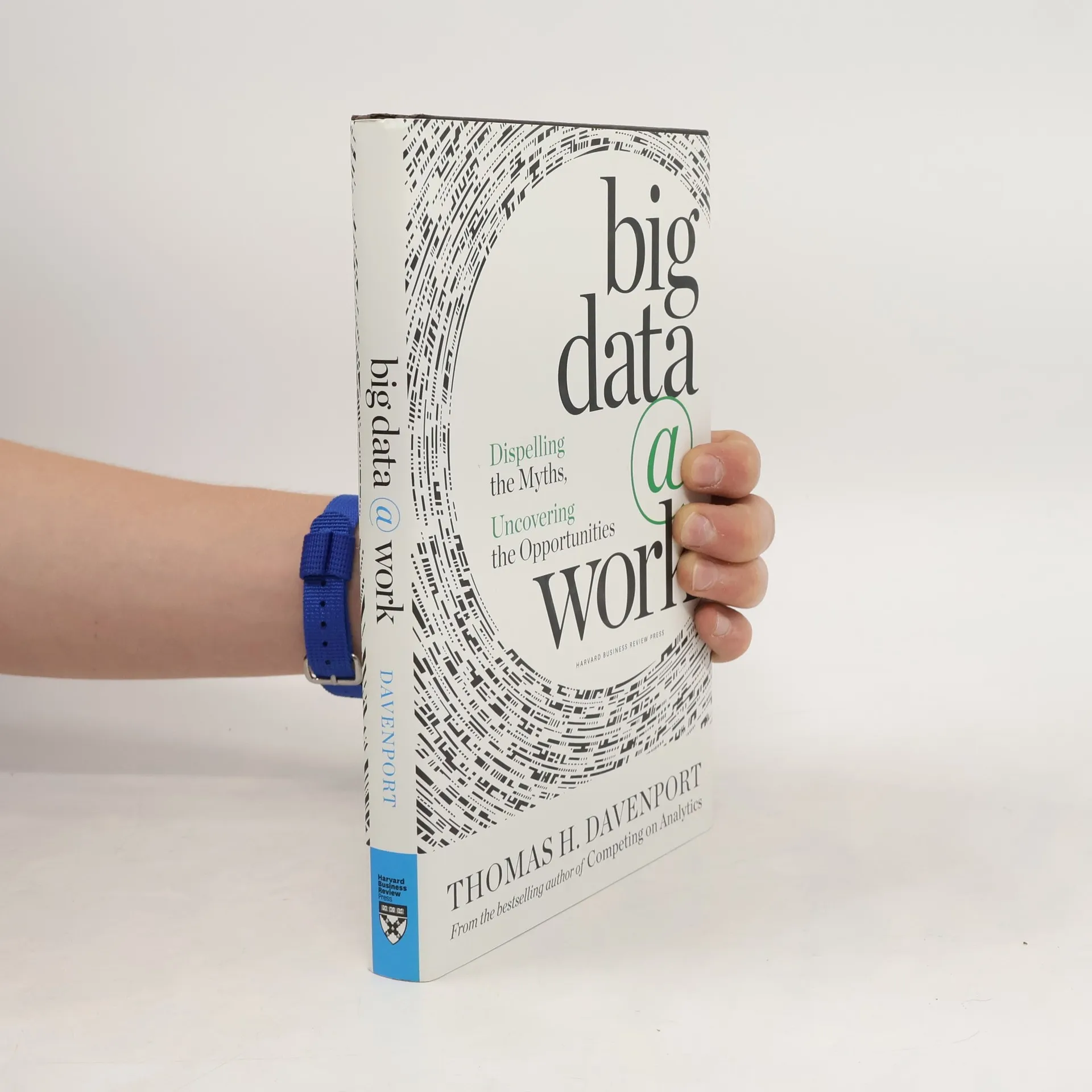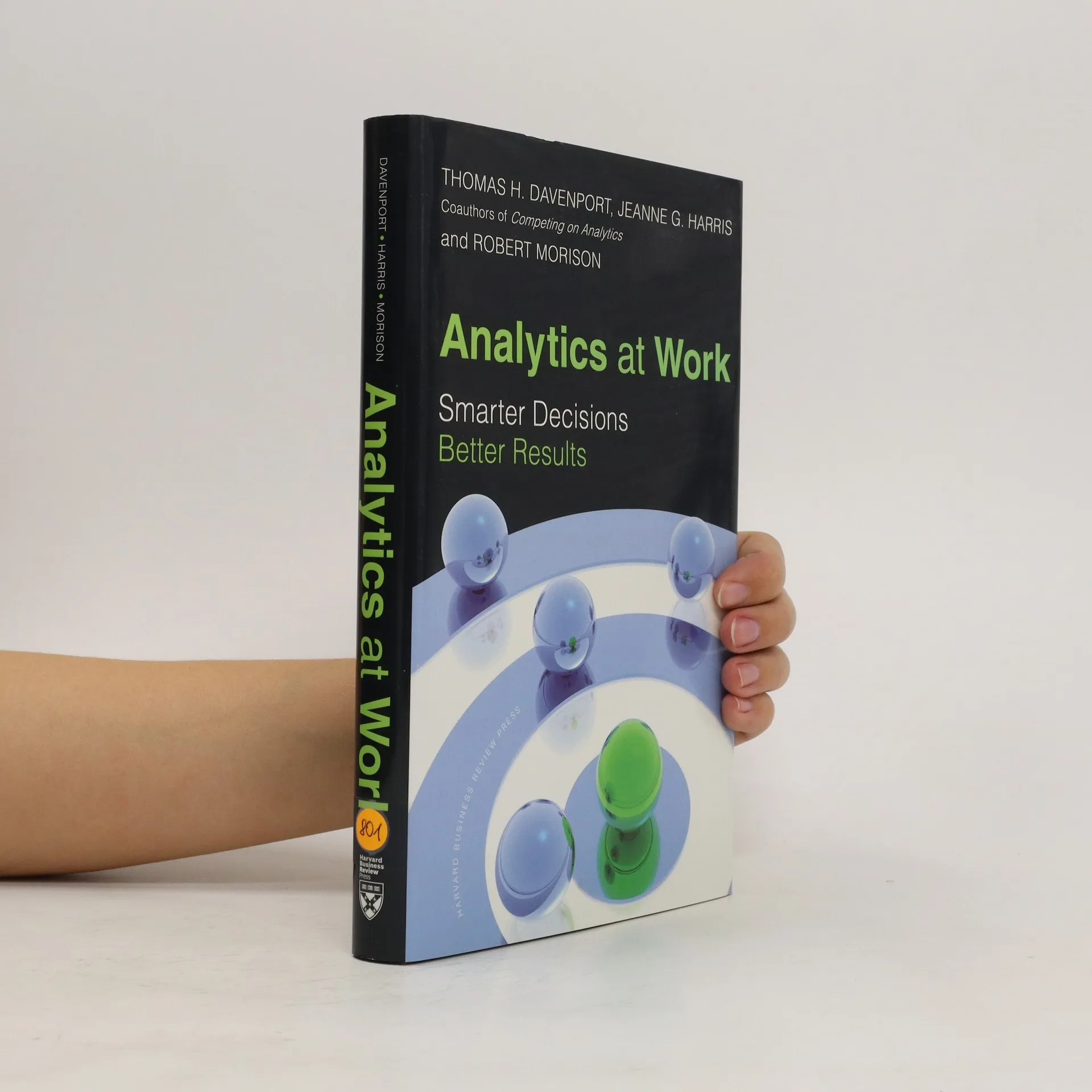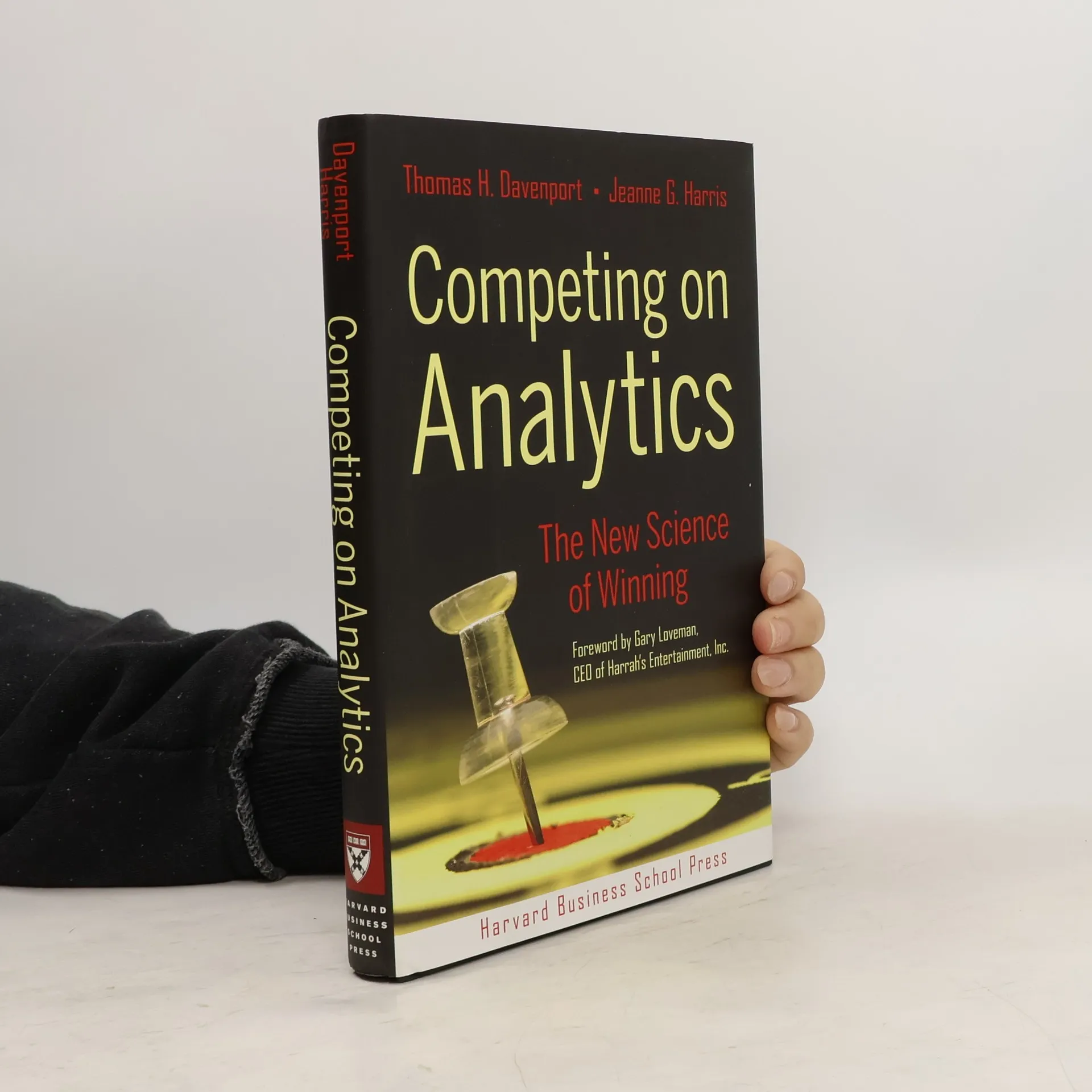
Explore the latest books of this year!
Bookbot

Thomas H. Davenport

    October 17, 1954

    Tom Davenport is a prominent voice in the fields of information technology and knowledge management. His influential work has been instrumental in shaping our understanding of business process reengineering and analytical competition. Through numerous books and articles for leading presses and publications, he explores how organizations can leverage data and analytics for smarter decision-making and superior results. His extensive background in research further enriches his insights into strategic management and knowledge worker productivity.

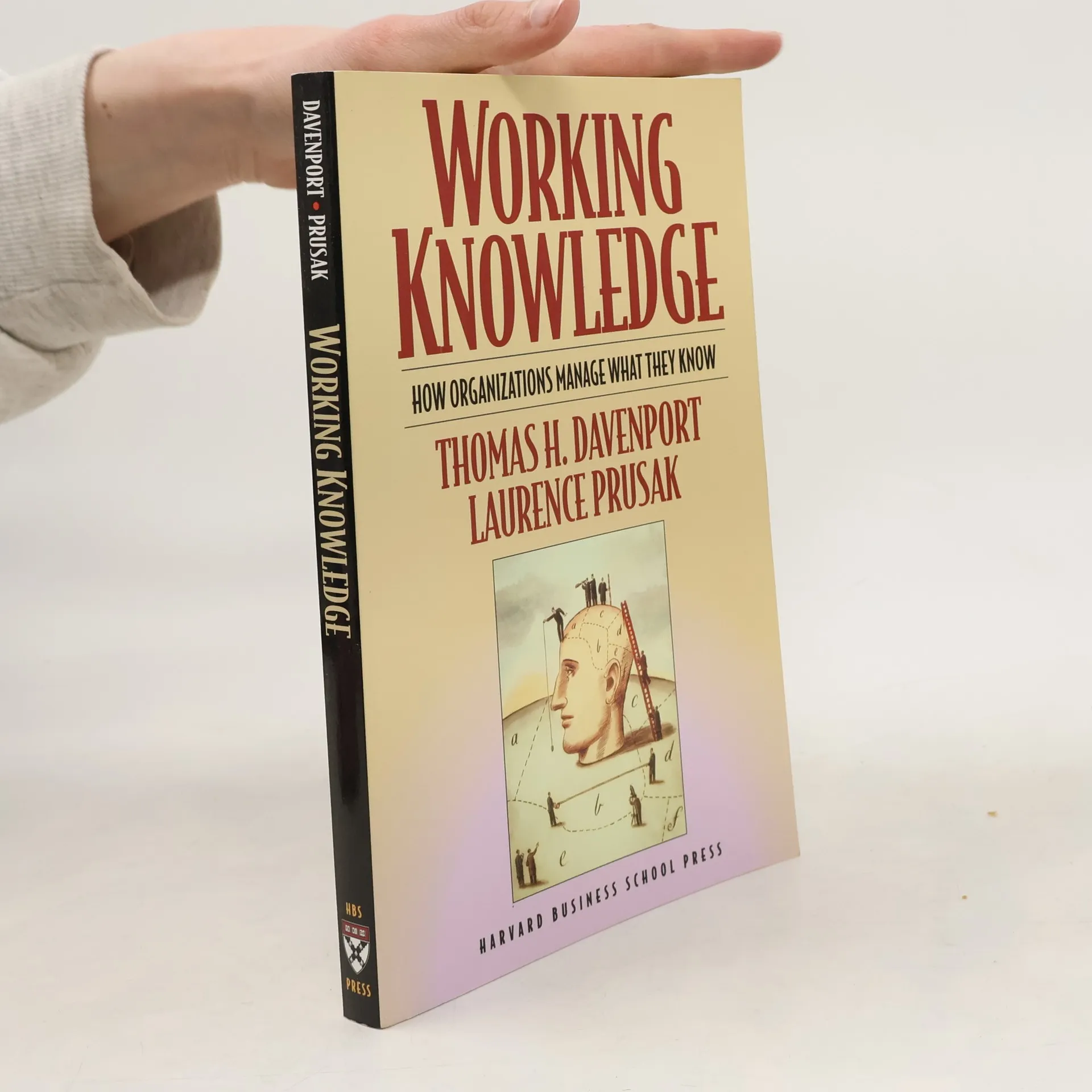
    Working knowledge : how organizations manage what they know
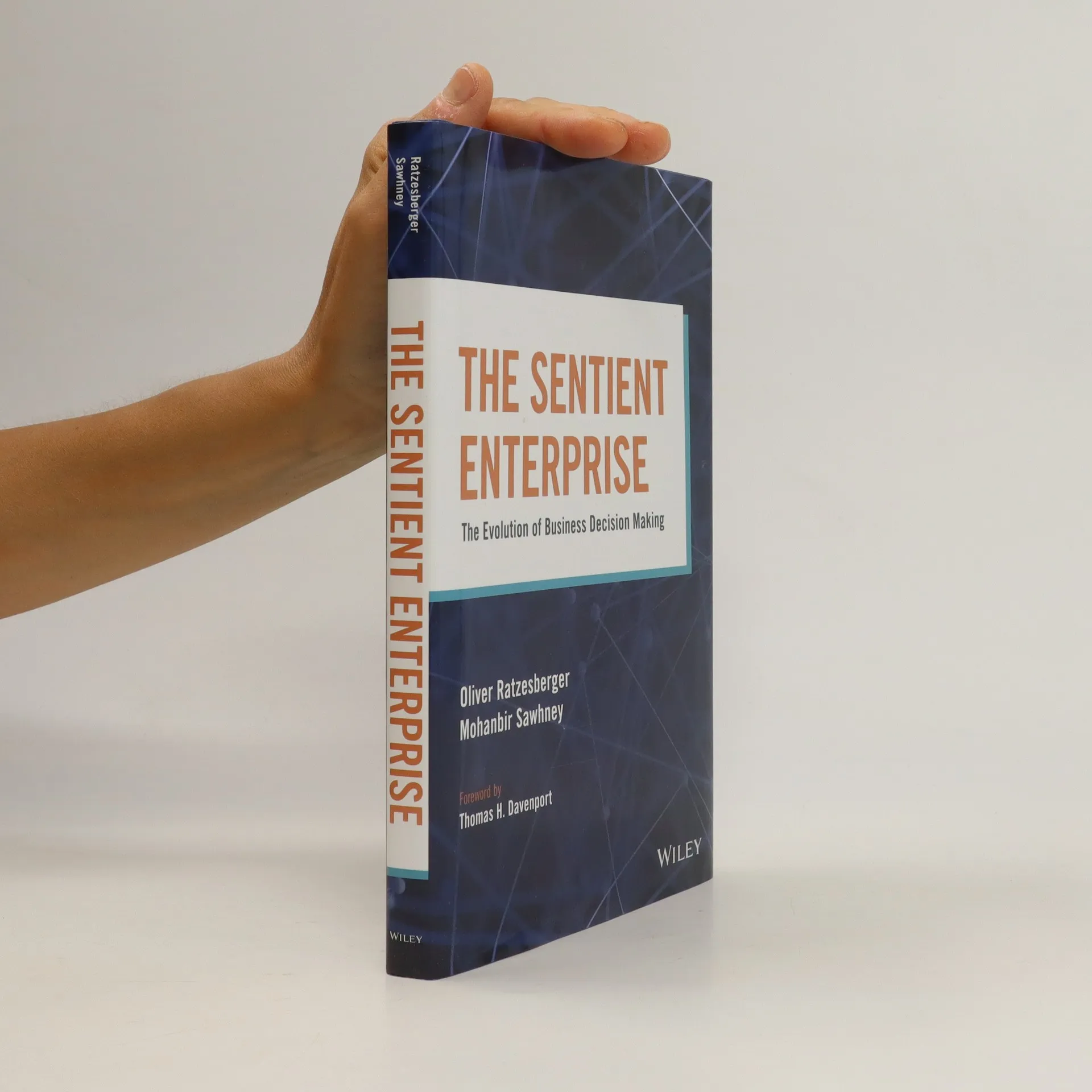
    The Sentient Enterprise
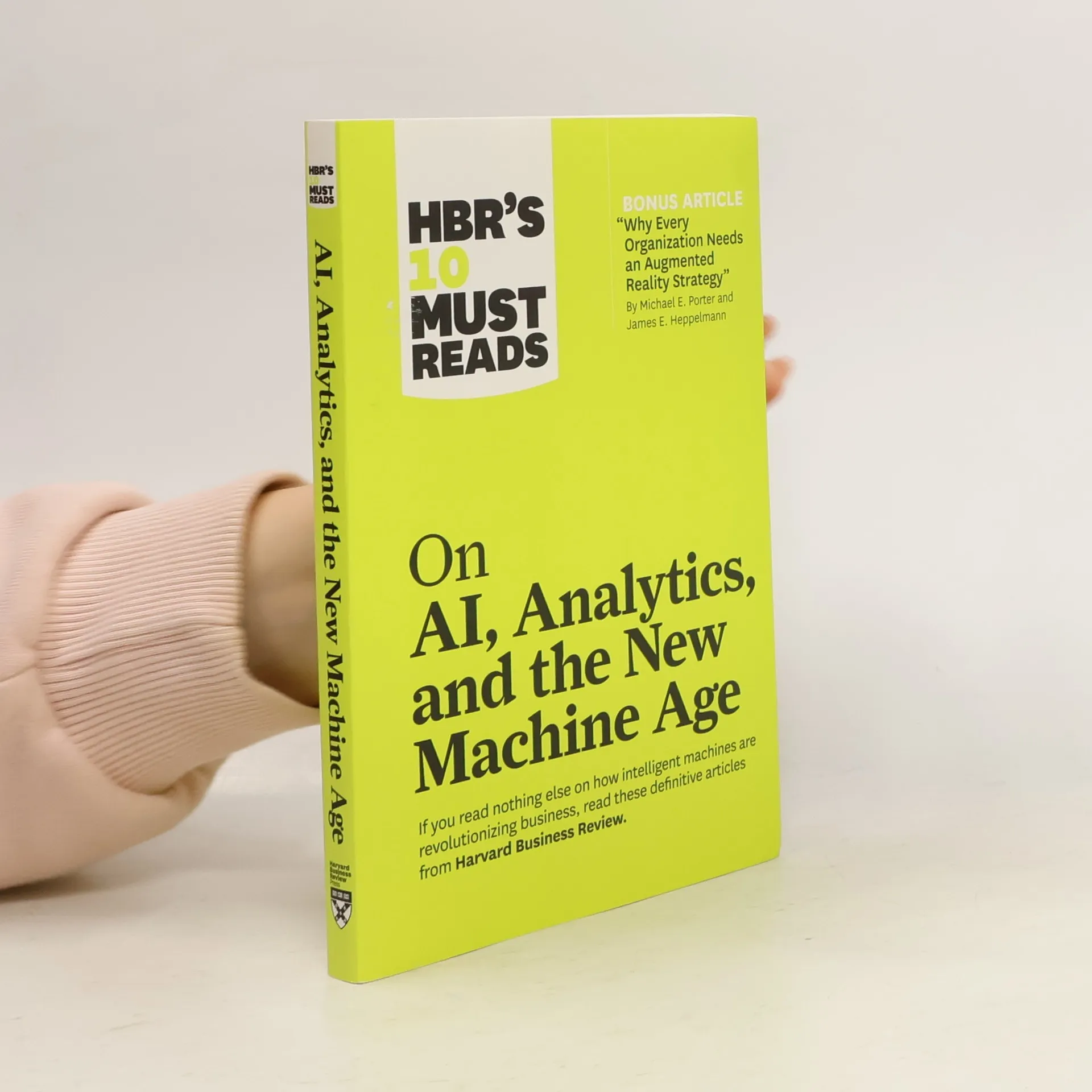
    HBR's 10 Must Reads on AI, Analytics, and the New Machine Age
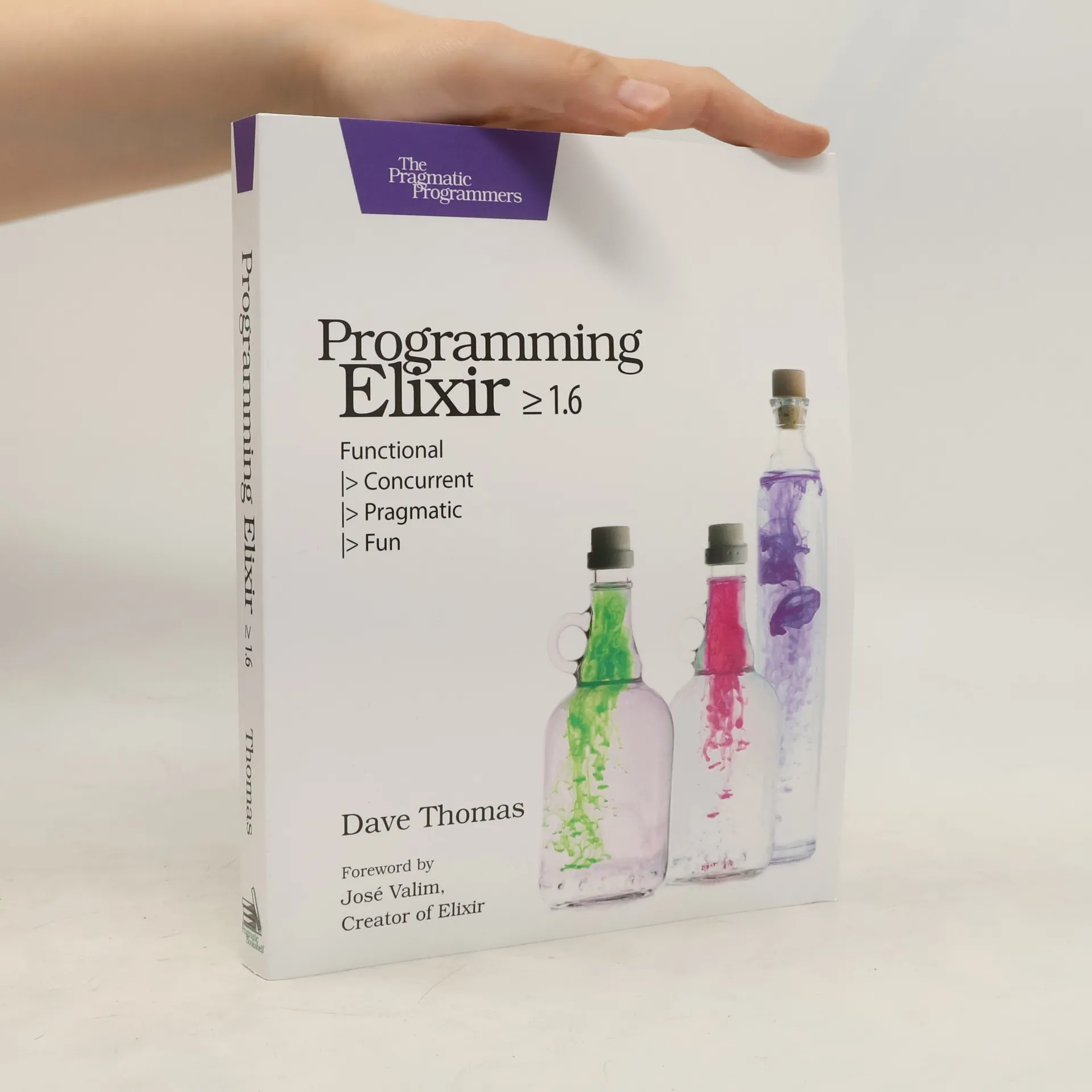
    Programming Elixir 1.6
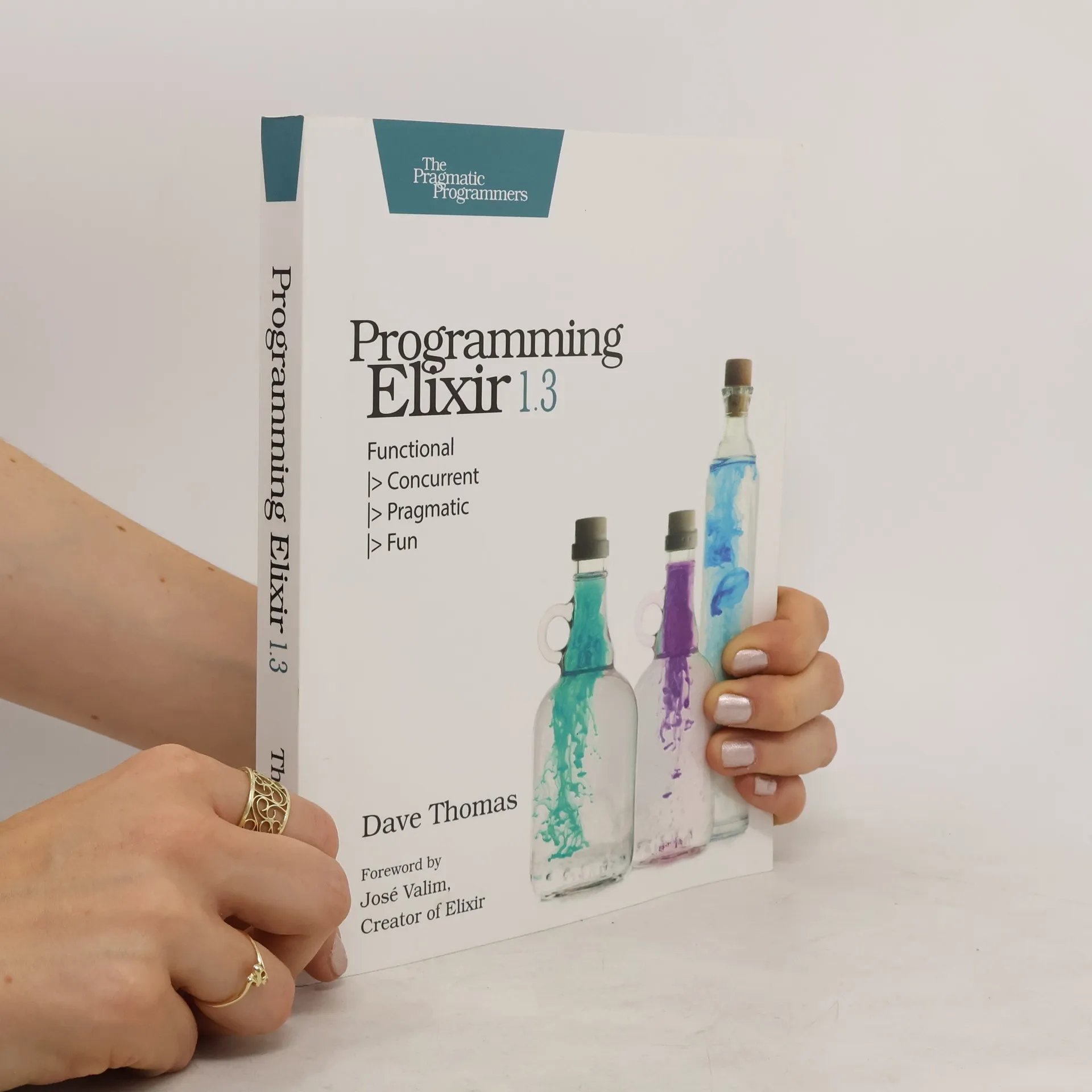
    Programming Elixir 1.3
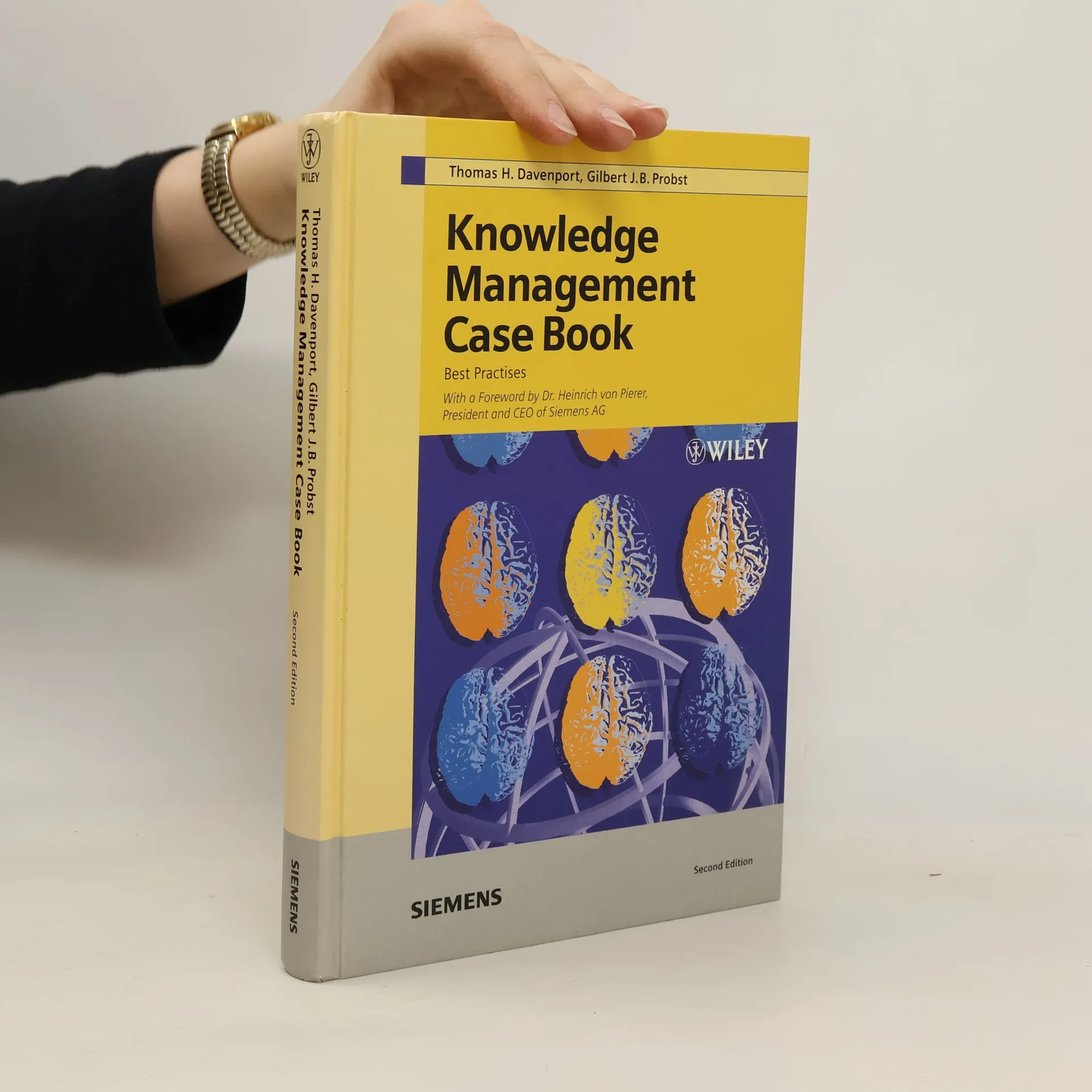
    Knowledge management case book
    • HBR's 10 Must Reads on AI

      • 176 pages
      • 7 hours of reading

      The next wave of AI applications is upon us--use them to lead your business forward. If you read nothing else on artificial intelligence and machine learning, read these 10 articles. We've combed through hundreds of Harvard Business Review articles and selected the most important ones to help you understand what's happening, look ahead to what's possible, and bring your AI efforts to scale. Develop your next AI strategy Seize the potential of natural language processing Prepare for jobs and industries to be transformed Help people and machines work together Prepare for the regulation of AI Develop algorithms for sales and marketing Stop tinkering with AI and go all in HBR's 10 Must Reads paperback series is the definitive collection of books for new and experienced leaders alike. Leaders looking for the inspiration that big ideas provide, both to accelerate their own growth and that of their companies, should look no further. HBR's 10 Must Reads series focuses on the core topics that every ambitious manager needs to know: leadership, strategy, change, managing people, and managing yourself. Harvard Business Review has sorted through hundreds of articles and selected only the most essential reading on each topic. Each title includes timeless advice that will be relevant regardless of an ever‐changing business environment.

      HBR's 10 Must Reads on AI2023
      3.4
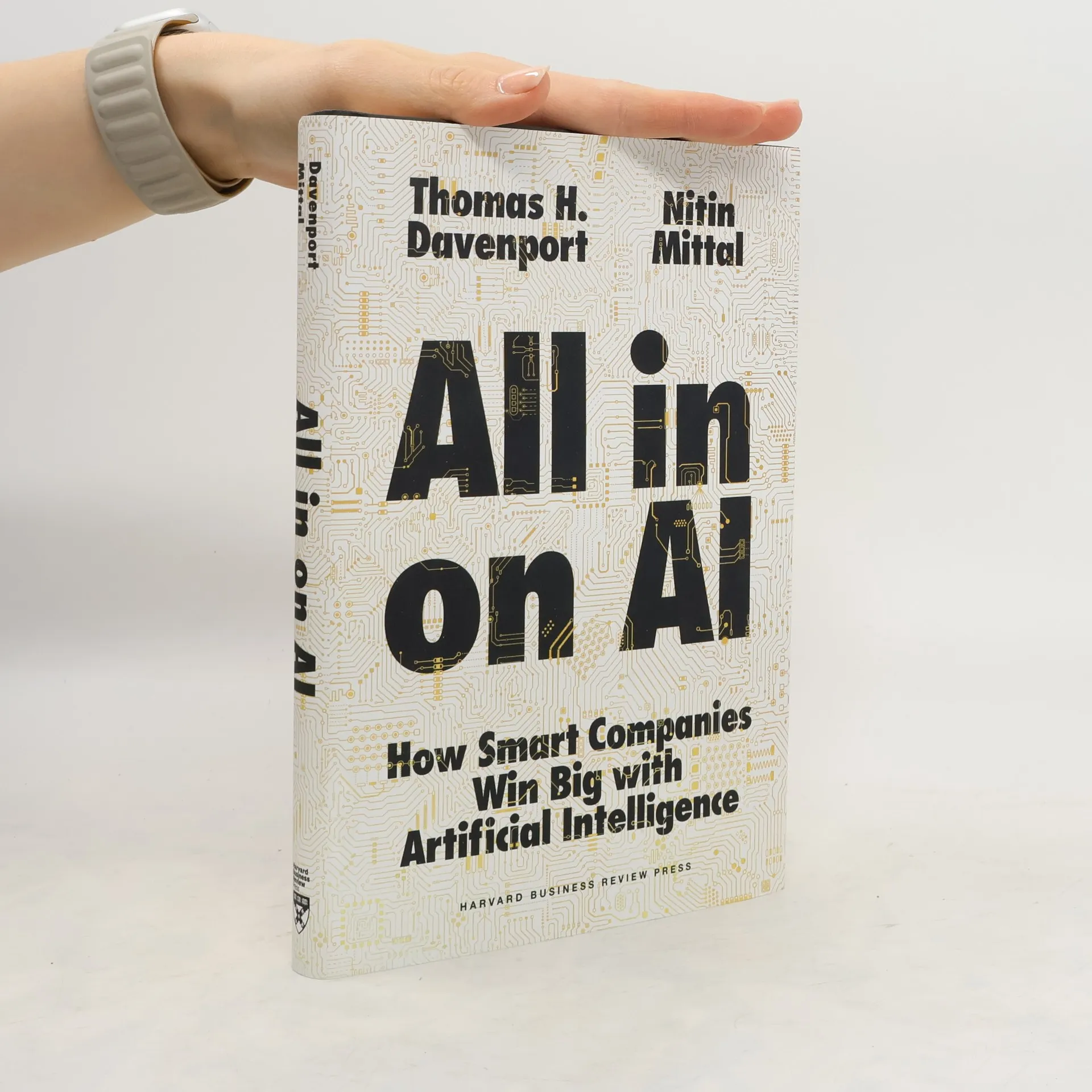
    • "A fascinating look at the trailblazing companies using artificial intelligence to create new competitive advantage, from the author of the business classic, Competing on Analytics, and the head of Deloitte's US AI practice."-- Front cover flap jacket

      All-in On AI2023
      3.1
    • Strategie zarządzania, wdrażania technologii i zasady zmian organizacyjnych są kluczowe dla budowy firmy wykorzystującej AI. Wiele organizacji zareagowało na sztuczną inteligencję z rezerwą, jednak nieliczne światowej klasy firmy postanowiły wykorzystać jej potencjał, rewolucjonizując swoje procesy, strategie, kulturę, obsługę klienta i produkty. Te firmy, stanowiące zaledwie ułamek wszystkich dużych przedsiębiorstw, są obecnie liderami wydajności w swoich branżach, stosując lepsze modele biznesowe i podejmując trafniejsze decyzje. Thomas Davenport i Nitin Mittal analizują awangardę AI w kontekście ugruntowanych firm, takich jak Anthem, Ping An, Airbus i Capital One. Książka dostarcza liderom i ich zespołom informacji niezbędnych do zwiększenia wykorzystania AI w ich organizacjach. Dla tych, którzy pragną w pełni wykorzystać tę technologię, publikacja pokazuje, jak robią to najlepsi, oferując narzędzia do uczynienia AI sercem przedsiębiorstwa. To fascynujące spojrzenie na firmy zdobywające przewagę na rynku dzięki AI. Wartością dodaną są opinie ekspertów, którzy podkreślają transformacyjny potencjał sztucznej inteligencji w biznesie.

      Sztuczna inteligencja w biznesie. Jak zdobyć rynkową przewagę dzięki AI2023
    • Working with AI

      • 312 pages
      • 11 hours of reading

      "An exploration of the future of work featuring real-world profiles of changing jobs and work arrangements in light of human/AI interaction"-- Provided by publisher

      Working with AI2022
      3.4
    • Virtuous Pagans

      Unreligious People in America

      • 294 pages
      • 11 hours of reading

      Exploring the concept of unreligiousness in America, this book challenges the prevailing sociological view that religious belief is essential for individual well-being. It argues against the assumption that those without religious beliefs inherently lack meaning in life. Utilizing statistical methods, the author examines the implications of being unreligious, offering a fresh perspective on the relationship between belief systems and personal fulfillment.

      Virtuous Pagans2020
    • AI and data analytics are driving a wave of technological innovations—understand them, cut through the hype, and seize the opportunities. This collection features 10 essential articles that reveal how intelligent machines are transforming business. We've selected key insights from hundreds of Harvard Business Review articles to explain how these technologies interconnect, what the future holds, and how to prepare your company effectively. You'll discover how data analytics and AI provide unprecedented insights, how machine learning is reshaping management and the workforce, and how unmanned vehicles are evolving into practical tools. Additionally, 3-D printing is advancing from rapid prototyping to large-scale production, while augmented reality is enhancing manufacturing and retail experiences. AI assistants and smart speakers are redefining customer-brand interactions, and a coordinated rollout of blockchain has the potential to reshape economies. The HBR's 10 Must Reads series is a definitive resource for both new and experienced leaders, offering inspiration and essential knowledge on leadership, strategy, change, and personal management. Each title distills timeless advice relevant in an ever-changing business landscape, featuring classic ideas and insights from the best thinkers in the field.

      HBR's 10 Must Reads on AI, Analytics, and the New Machine Age2019
      3.7
    • Programming Elixir 1.6

      • 398 pages
      • 14 hours of reading

      This book is the introduction to Elixir for experienced programmers, completely updated for Elixir 1.6 and beyond. Explore functional programming without the academic overtones (tell me about monads just one more time). Create concurrent applications, but get them right without all the locking and consistency headaches.

      Programming Elixir 1.62018
      4.0
    • The Sentient Enterprise

      • 176 pages
      • 7 hours of reading

      To really address the data concerns of today's enterprise, they wanted to find a way to help enterprises achieve the success they seek. Not as a prescriptive process-but a methodology to become agile and leverage data and analytics to drive a competitive advantage. You know, it's amazing what can happen when two people with very different perspectives get together to solve a big problem. This evolutionary guide resulted from the a-ha moment between these two influencers at the top of their fields - one, an academic researcher and consultant, and the other, a longtime analytics practitioner and chief product officer at Teradata. Together, they created a powerful framework every type of business can use to connect analytic power, business practices, and human dynamics in ways that can transform what is currently possible. -- Provided by publisher

      The Sentient Enterprise2017
      3.6
    • Programming Elixir 1.3

      • 364 pages
      • 13 hours of reading

      Elixir's pragmatic syntax and built-in support for metaprogramming will make you productive and keep you interested for the long haul. Maybe the time is right for the Next Big Thing. Maybe it's Elixir. This book is the introduction to Elixir for experienced programmers, completely updated for Elixir 1.3.

      Programming Elixir 1.32016
      4.2
    • Only Humans Need Apply

      • 276 pages
      • 10 hours of reading

      This invigorating and thought-provoking exploration examines the rise of automation and its implications for sustainable careers across various industries. With nearly half of working Americans at risk of job loss due to technology, the threat extends beyond blue-collar roles to educated knowledge workers, including writers, paralegals, and medical technicians. The industrial revolution previously shifted workers from farms to factories, while the first era of automation relieved humans of manual labor. Now, we are entering Era Three, marked by the rise of artificial intelligence, where smart computers can outperform humans in decision-making, learning, and comprehension. This evolution raises questions about the future of professions such as law, nursing, teaching, and editing. The authors reframe the conversation around automation, suggesting that the future lies not in a competition between humans and machines, but in their collaboration. By embracing augmentation—using technology to enhance human capabilities—workers can achieve greater productivity and success. Rather than viewing machines as threats, we can see them as partners in creative problem-solving as we transition into this new era. The choice to adapt and thrive is ours.

      Only Humans Need Apply2016
      3.6