

Explore the latest books of this year!
Bookbot

Wei Wu

    Known by the pseudonym Wei Wu Wei, this 20th-century author was a Taoist philosopher and writer. His works delved into the depths of philosophy and metaphysics, drawing from both Eastern and Western traditions and the esoteric teachings of various religions. His writing is often perceived as a record of his personal quest for liberation. Wei Wu Wei eschewed conventional modes of expression, focusing instead on conveying profound truths through philosophical inquiry and metaphor.

    King Gesar
    Esoteric Buddhism in China
    Printed Electronics Technologies
    I Ching Wisdom. Volume Two
    Jewish Art in Nazi Germany
    I Ching Wisdom
    • I Ching Wisdom

      • 164 pages
      • 6 hours of reading
      4.5(20)Add rating

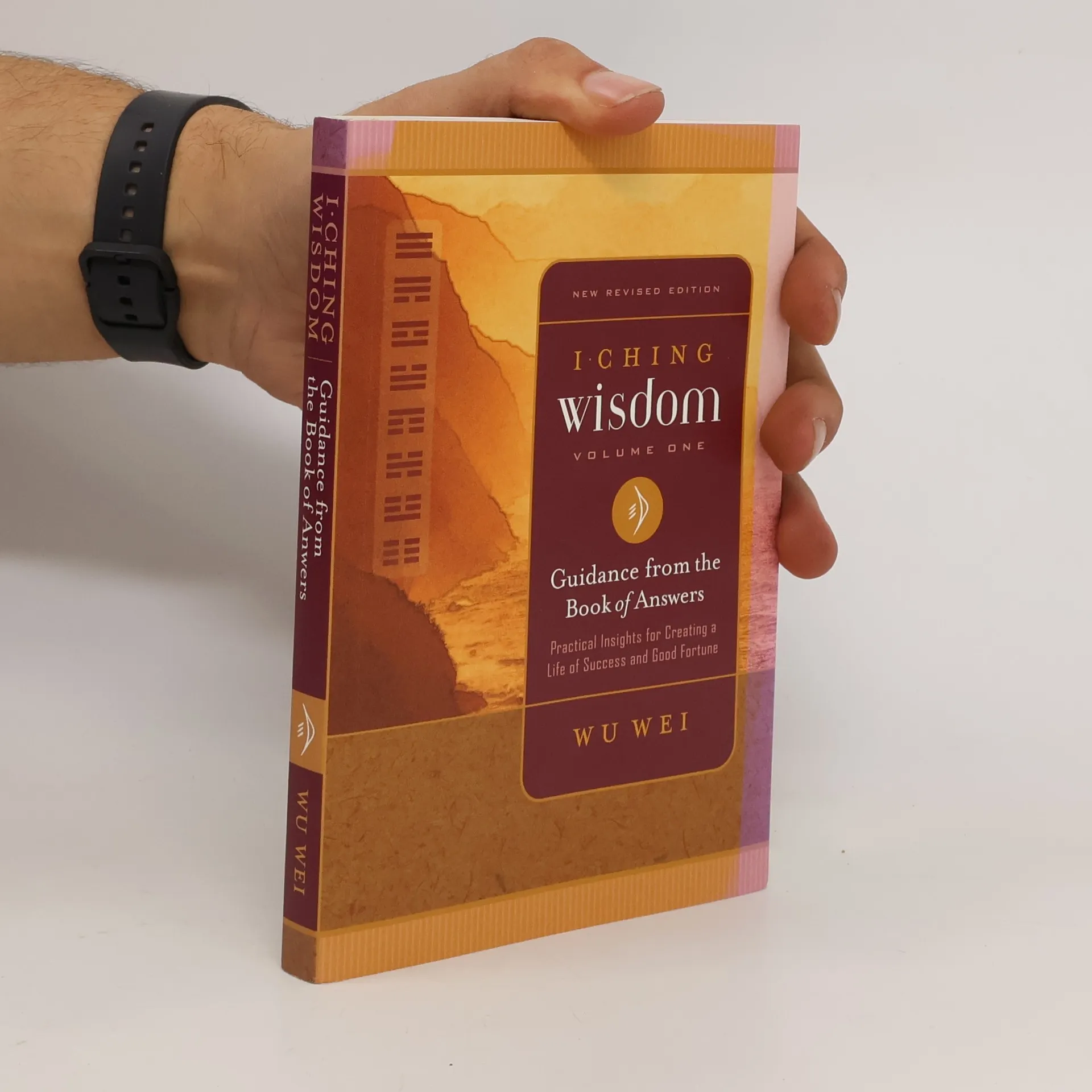
      In this invaluable companion guide to the universal wisdom and guidance of the I Ching, Wu Wei has extracted the I Ching's deepest wisdom in the form of simple yet profound sayings that the greatest Chinese sages have preserved for thousands of years because of their inestimable worth. To these sayings, Wu Wei has added his enlightened comments to help us apply the empowering and practical wisdom of the I Ching to obtain the wonderful gifts we all seek: prosperity, peace, love, and happiness. Each saying is accompanied by a delightful Chinese ink drawing done in the Zen style by the author.

      I Ching Wisdom
    • This book provides a social and cultural history of Jewish art in Nazi Germany, with a focus on the Jewish artists, art critics, and audiences in Nazi Bavaria. číst celé

      Jewish Art in Nazi Germany
    • I Ching Wisdom. Volume Two

      • 173 pages
      • 7 hours of reading

      This sequel to the popular I Ching Wisdom Volume One contains more of Wu Wei's profound sayings drawn from the I Ching's deepest wisdom. I Ching Wisdom Volume Two also contains more of Wu Wei's delightful Chinese ink drawings done in the Zen style and profound sayings drawn from the I Ching's deepest wisdom. Wu Wei has added his enlightened comments to these sayings to help us apply the practical, timeless wisdom of the I Ching to our lives. The I Ching's insights, says Wu Wei, help us steer a safer, clearer course through the uncharted journey of our lives, teach us to recognize and avoid the pitfalls that beset the path of the unenlightened, and show us how to "soar to the heights of success and good fortune."

      I Ching Wisdom. Volume Two
    • Printed Electronics Technologies

      • 668 pages
      • 24 hours of reading

      The book explores the advancements in modern printing technology that enable the creation of thin, affordable electronics. It highlights the unique properties of printed electronics—such as flexibility, stretchability, and portability—that make them suitable for diverse applications, including wearable devices, smart packaging, healthcare solutions, and automotive innovations. Additionally, it serves as an educational resource for advanced courses in materials science and engineering, reflecting the growing significance of this field.

      Printed Electronics Technologies
    • Esoteric Buddhism in China

      Engaging Japanese and Tibetan Traditions, 1912-1949

      • 328 pages
      • 12 hours of reading

      The book delves into the influence of esoteric Buddhist traditions on China's religious landscape, utilizing a diverse array of previously unexplored Chinese sources. It offers insights into how these traditions have interacted with and transformed local beliefs and practices, revealing the complexities of China's spiritual heritage. Through in-depth analysis, it uncovers the significant yet often overlooked impact of esoteric Buddhism within the broader context of Chinese religion.

      Esoteric Buddhism in China
    • King Gesar

      • 229 pages
      • 9 hours of reading

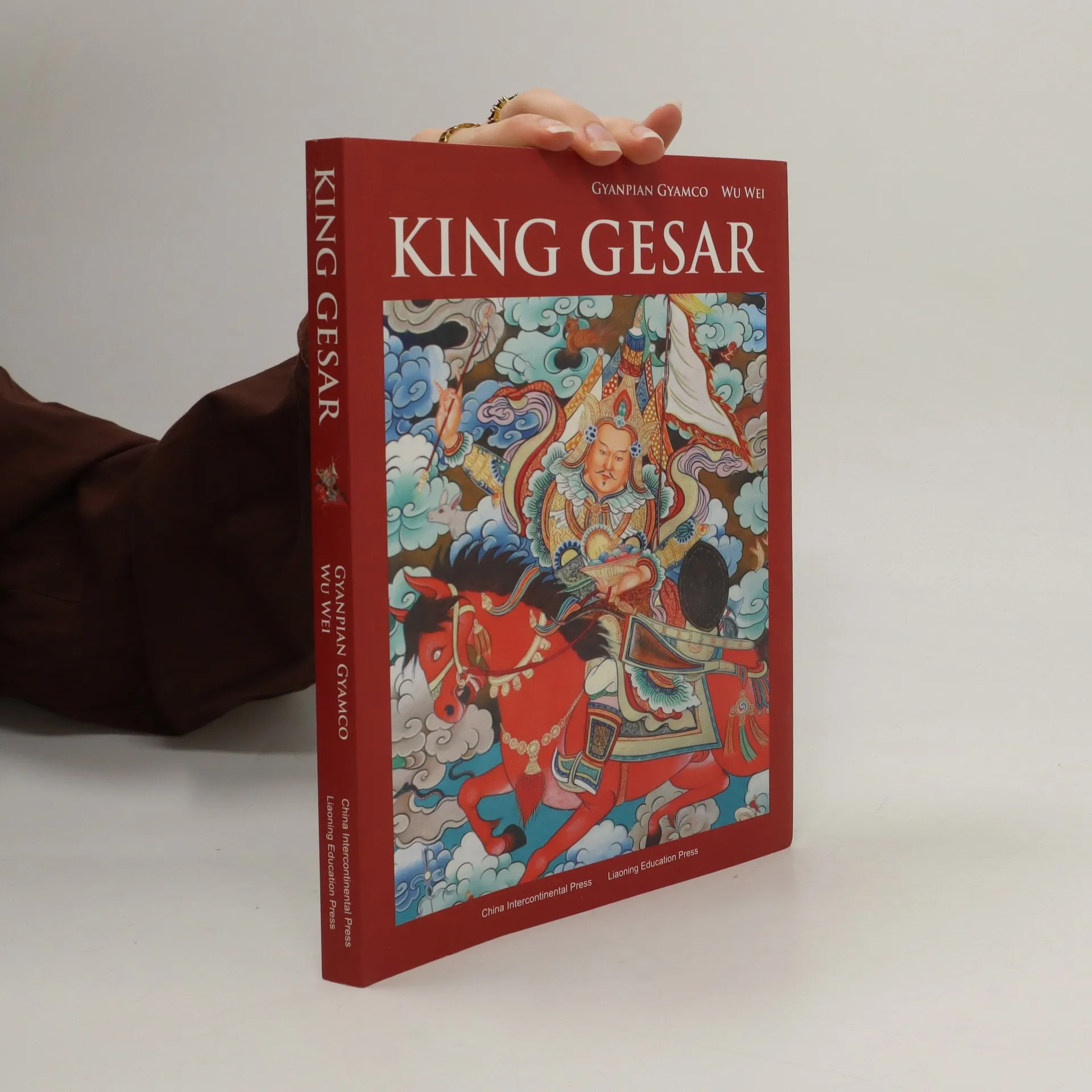
      King Gesar is an epic from Tibetan folk tales, legends, folk songs and proverbs. Representing the highest achievement ancient Tibetan culture, it has been in circulation for centuries. It is an encyclopedia-like masterpiece reflecting the history the ancient Tibetan society.

      King Gesar
    • Stylowa kanapa czy praktyczne rozkładane łóżko? Piękna komoda czy funkcjonalna duża szafa? Kuchnia z otwartymi szafkami czy szuflady mieszczące wszystkie potrzebne produkty? Kiedy przeglądamy katalogi wnętrzarskie, często myślimy: Świetny pomysł, ale czy sprawdzi się na niewielkim metrażu? Jak urządzić mieszkanie, by było jednocześnie stylowe i wygodne? Co zrobić, by odzwierciedlało naszą osobowość, a wszystkie przedmioty miały swoje miejsce? Kompaktowo to niezwykły poradnik, który pomoże ci optymalnie wykorzystać każdy metr kwadratowy twojego mieszkania. Uporaj się z bałaganem i nadmiarem rzeczy, zadbaj o swój dom i uczyń go miejscem dającym wytchnienie! Znajdziesz tu: • praktyczne porady, • gotowe rozwiązania, • złote zasady, które sprawią, że nawet „nieustawne” pomieszczenia nabiorą blasku. LU WEI – chińska projektantka wnętrz, która w proponowanych rozwiązaniach łączy wszystkie najlepsze cechy azjatyckiego minimalizmu i umiłowania porządku i harmonii w stylu Marie Kondo.

      Kompaktowo Jak urządzić małe mieszkanie
    • Kampf der Systeme

      Die amerikanisch-chinesischen Beziehungen im Zeitalter des strategischen Wettbewerbs

      Kampf der Systeme