

Explore the latest books of this year!
Bookbot

William I. Hitchcock

    De bittere weg naar vrijheid
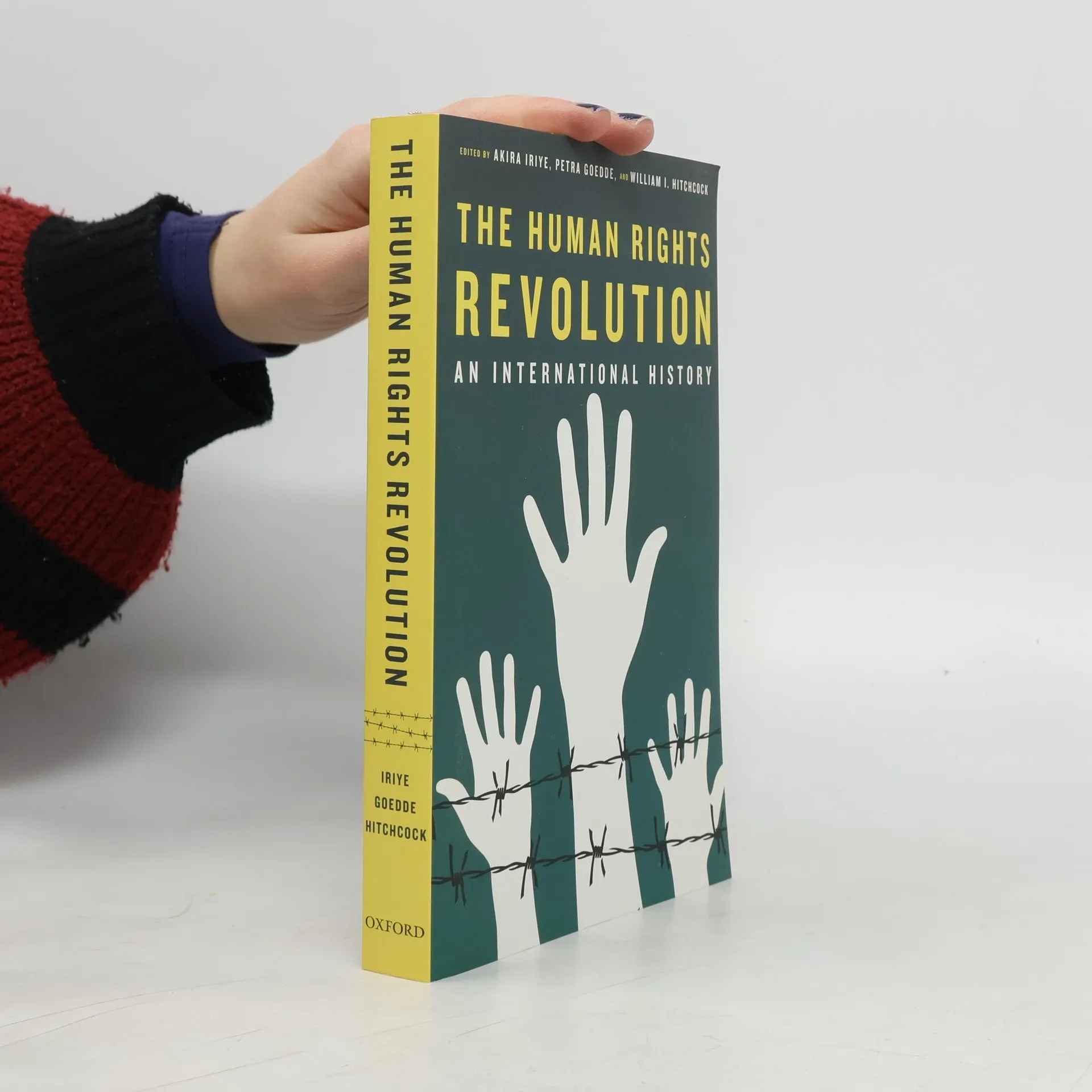
    The Human Rights Revolution
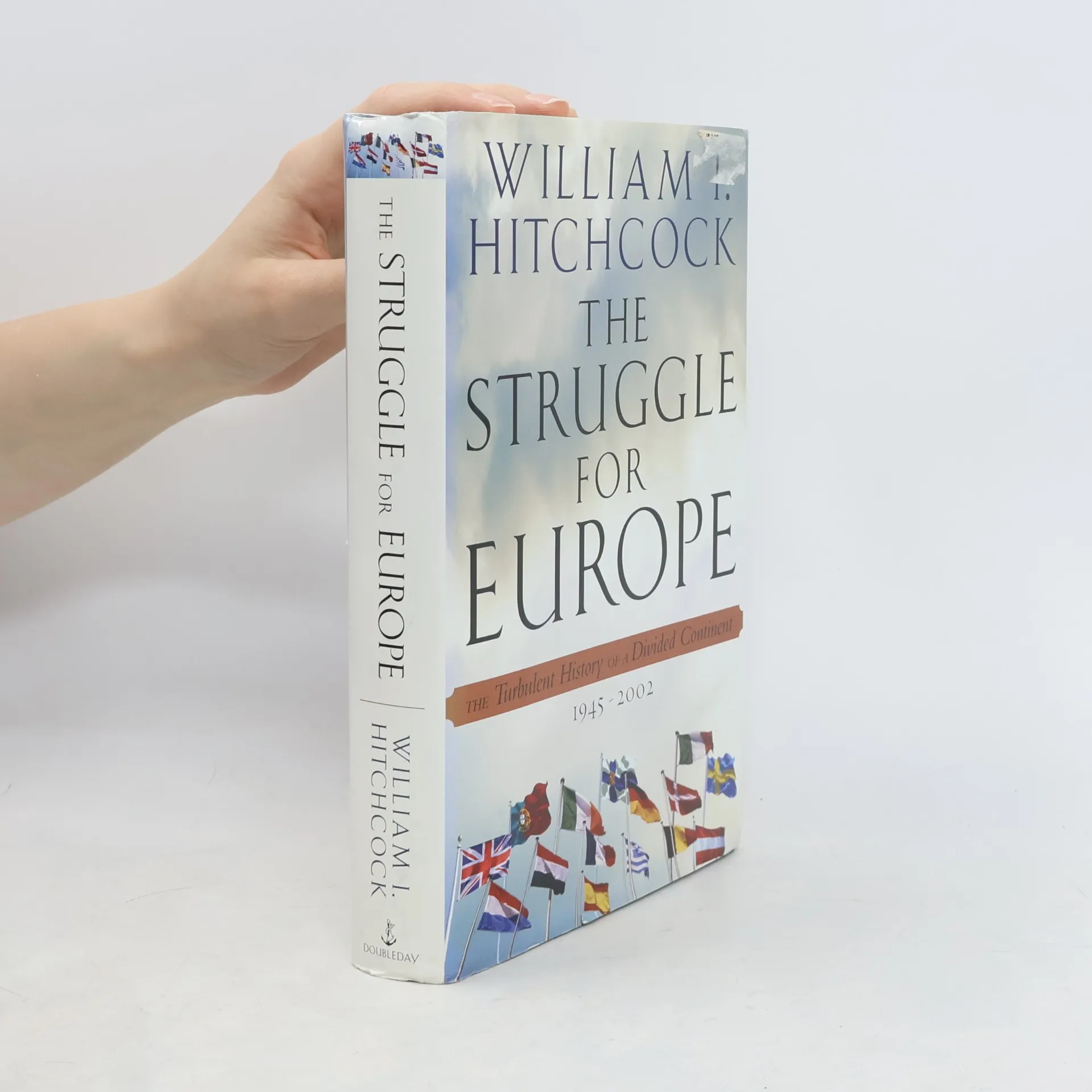
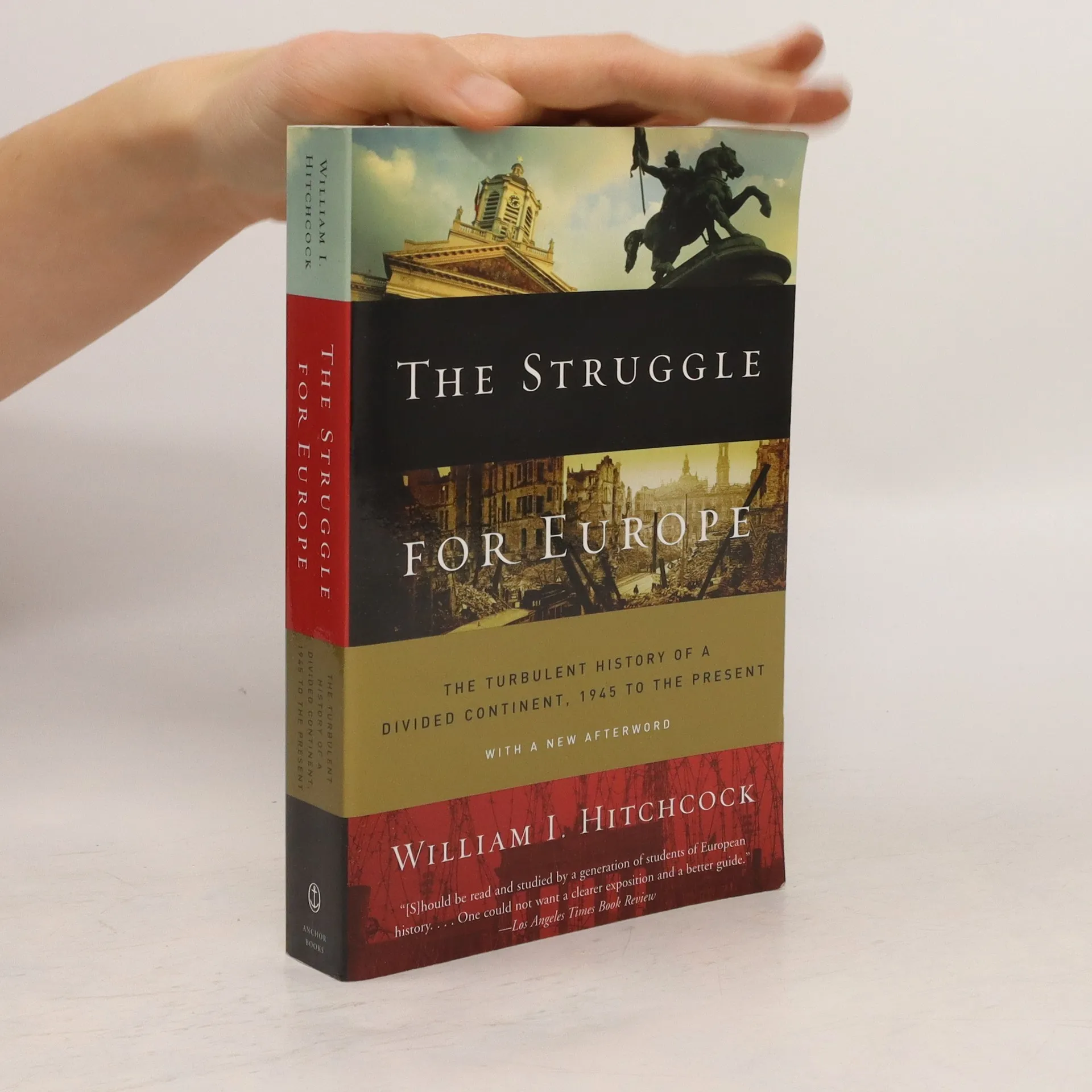
    The Struggle for Europe
    From War to Peace: Altered Strategic Landscapes in the Twentieth Century
    The Age of Eisenhower
    • The Age of Eisenhower

      • 672 pages
      • 24 hours of reading

      La 4e de couv. indique : "Drawing on newly declassified documents and thousands of pages of unpublished material, The Age of Eisenhower tells the story of a masterful president guiding the nation through the great crises of the 1950s, from McCarthyism and the Korean War through civil rights turmoil and Cold War conflicts. This is a portrait of a skilled leader who, despite his conservative inclinations, found a middle path through the bitter partisanship of his era. At home, he affirmed the central elements of the New Deal, such as Social Security; fought the demagoguery of Senator Joseph McCarthy; and advanced the agenda of civil rights for African Americans. Abroad, he ended the Korean War and avoided a new quagmire in Vietnam. Yet he also charted a significant expansion of America's missile technology and deployed a vast array of covert operations around the world to confront the challenge of communism. As he left office, he cautioned Americans to remain alert to the dangers of a powerful military-industrial complex that could threaten their liberties."

      The Age of Eisenhower2019
      4.5
    • The Human Rights Revolution

      An International History

      • 368 pages
      • 13 hours of reading

      Between the Second World War and the early 1970s, a human rights revolution emerged, driven by political leaders, activists, and citizens responding to the atrocities of the 1940s. This movement expanded to include claims from minorities, women, and marginalized communities worldwide, rooted in the fundamental belief that every individual, regardless of nationality, political views, or heritage, deserves dignity. From this core principle, a cascade of rights claims has significantly influenced world history. The contributors examine the surge of human rights legislation post-World War II, highlighting key milestones such as the UN Declaration of Human Rights, the Nuremberg trials, and the Geneva Conventions. They also explore the growth of human rights activism in the 1970s and beyond, including Amnesty International's anti-torture campaigns, human rights issues in Indonesia and East Timor, and the global fight against female genital mutilation. The volume concludes with reflections on the UN Declaration's 60th anniversary. By uniting esteemed scholars with emerging historians, these essays create a comprehensive agenda for the future study of human rights, emphasizing the ongoing significance of this transformative movement.

      The Human Rights Revolution2012
    • The Struggle for Europe

      The Turbulent History of a Divided Continent 1945 to the Present

      • 560 pages
      • 20 hours of reading

      The book delves into Europe's remarkable evolution from the devastation of World War II to the complexities of contemporary conflicts, particularly the Iraq War. It highlights the impact of Cold War dynamics on European peace efforts and the contributions of influential leaders like Charles de Gaulle, Willy Brandt, and Margaret Thatcher in fostering unity. By addressing the continent's historical challenges with racial and ethnic tensions, the author emphasizes Europe's ongoing journey toward stability, democracy, and its potential influence on global affairs.

      The Struggle for Europe2004
      3.9
    • In this collection, a dozen scholars of international affairs consider the 20th century's recurring failure to construct a peaceful and stable international order in the wake of war. They reflect on the difficulties faced by governments as they sought to secure a world order.

      From War to Peace: Altered Strategic Landscapes in the Twentieth Century2000
      3.0