


Explore the latest books of this year!
Bookbot

D. Wengrow

    David Wengrow is a leading researcher in comparative archaeology. His work delves into the archaeology of human evolution, heritage and civilization in Iraqi Kurdistan, and the cultures of prehistoric and dynastic Egypt. Wengrow engages with profound questions about the origins and development of human societies. He explores how early cultures were shaped and what their remains can reveal about our shared human story.

    Au commencement était…
    Was ist Zivilisation?
    The Origins of Monsters
    The Dawn of Everything
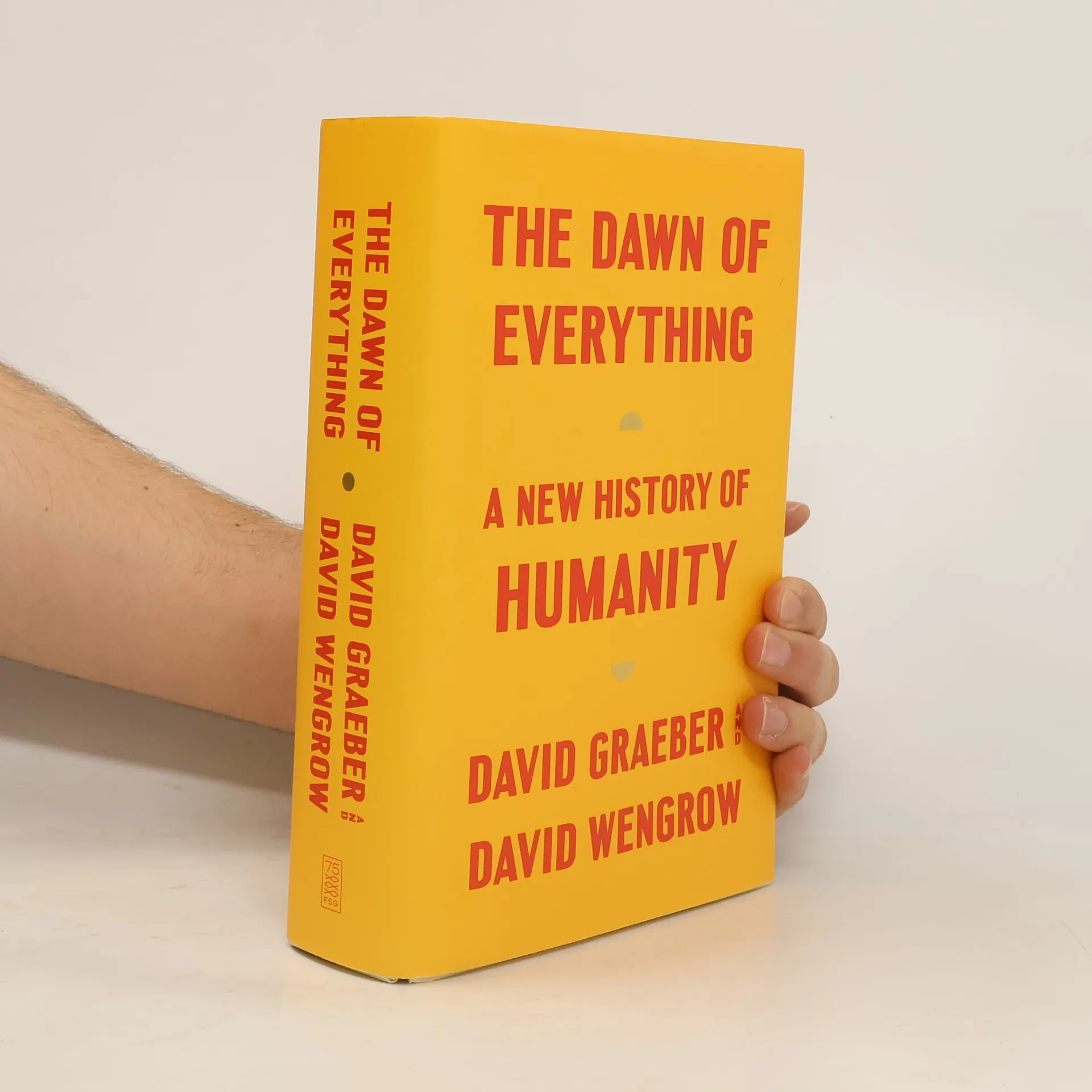
    The Dawn of Everything. A New History of Humanity
    • Drawing on pathbreaking research in archaeology and anthropology, the authors show how history becomes a far more interesting place once we learn to throw off our conceptual shackles and perceive what's really there. If humans did not spend 95 percent of their evolutionary past in tiny bands of hunter-gatherers, what were they doing all that time? If agriculture, and cities, did not mean a plunge into hierarchy and domination, then what kinds of social and economic organization did they lead to? The answers are often unexpected, and suggest that the course of human history may be less set in stone, and more full of playful, hopeful possibilities, than we tend to assume

      The Dawn of Everything. A New History of Humanity
    • The Dawn of Everything

      • 704 pages
      • 25 hours of reading
      4.2(216)Add rating

      For generations, our ancestors have been portrayed as primitive, either as innocent free spirits or as violent warriors. Civilization, it is said, could only emerge by sacrificing these original freedoms or controlling our instincts. This major bestseller fundamentally challenges these views and reshapes our understanding of human history. Drawing on groundbreaking research in archaeology and anthropology, the authors reveal that history becomes much more intriguing when we discard our conceptual limitations. If humans did not spend 95 percent of their evolutionary past as hunter-gatherers, what were they doing? If agriculture and cities did not necessarily lead to hierarchy and domination, what alternative social and economic structures emerged? The answers are often surprising, suggesting that human history is less predetermined and more open to creative possibilities than commonly believed. This work signals a paradigm shift, transforming our perception of the past and allowing us to envision new forms of freedom and societal organization. It is a monumental book with significant intellectual and political depth, driven by curiosity, moral vision, and a belief in the power of direct action.

      The Dawn of Everything
    • The Origins of Monsters

      Image and Cognition in the First Age of Mechanical Reproduction

      • 184 pages
      • 7 hours of reading
      3.6(35)Add rating

      Exploring the emergence of composite creatures in ancient art, the book argues that "monsters" became prevalent only with the rise of urban societies and trade networks, rather than being a universal aspect of human imagery. David Wengrow traces the origins and transmission of these fantastic figures, revealing patterns in human creativity and the interplay between culture and perception. Through this lens, the work challenges conventional views on the significance of monsters in historical visual production.

      The Origins of Monsters
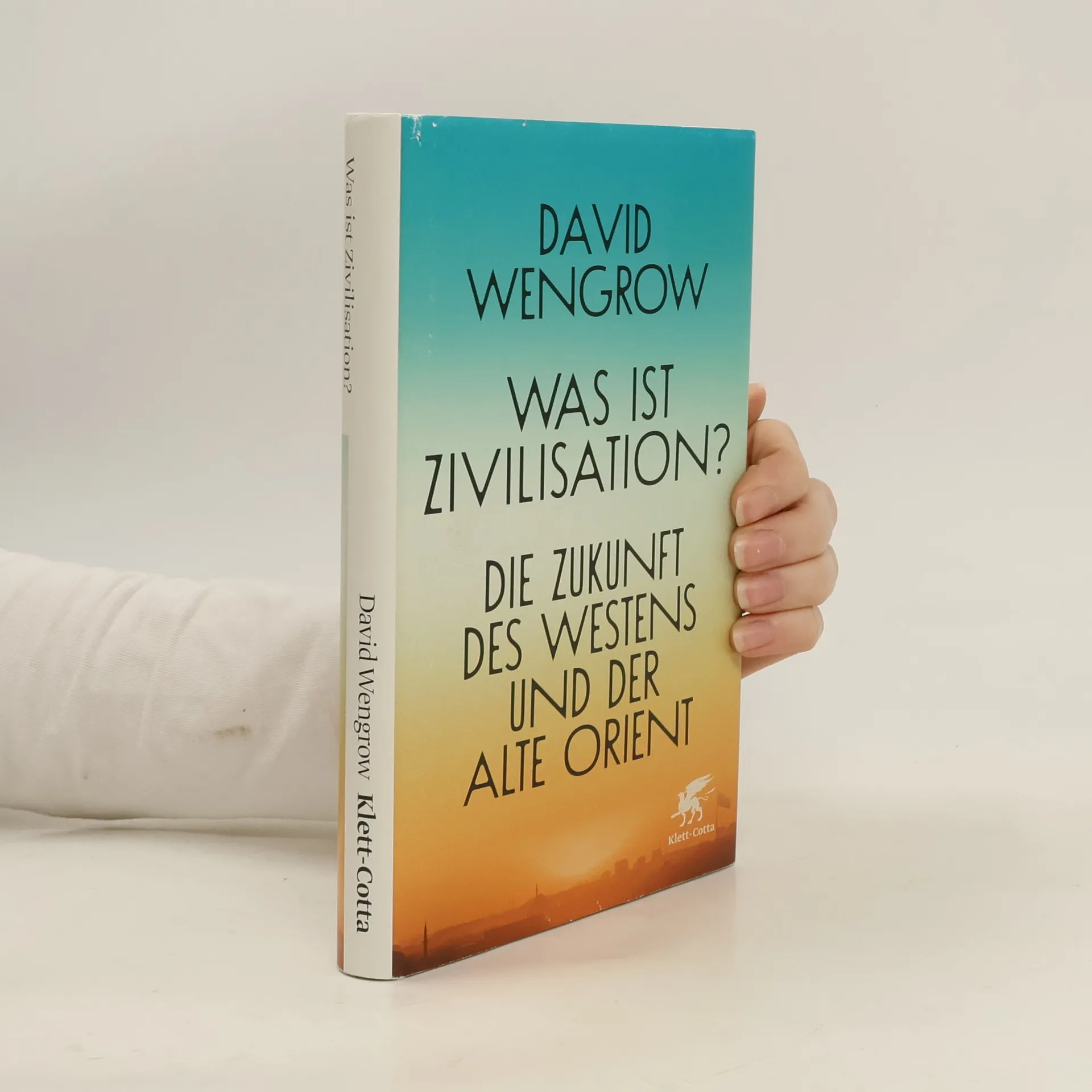
    • Was ist Zivilisation?

      Die Zukunft des Westens und der Alte Orient

      Wie der Alte Orient dem Westen die Zukunft weist. Unsere heutige Welt hat ihren Ursprung im Alten Orient und in Ägypten. David Wengrow zeigt anschaulich, wie die Zukunft des Westens untrennbar mit der ungeheuren Dynamik der alten Zivilisationen verbunden ist, deren Erbe wir angetreten haben. Die Lehren aus diesem Zivilisationsprozess werden über das künftige Schicksal des Westens entscheiden. Der Drang nach Austausch, Vernetzung und Expansion kennzeichnet unsere Zivilisation. Der Bestseller-Autor David Wengrow beschreibt das Potenzial hemmungsloser Expansion und zeigt, wie viele Opfer Menschen bis heute im Namen einer fehlgeleiteten Vorstellung von Zivilisation in Kauf nehmen. In seinem ebenso originellen wie anregenden Vergleich der Hochkulturen entfaltet er die spannende Geschichte ihrer Entstehung und schildert ihr dynamisches Milieu: Vom »Kessel der Zivilisation« in Mesopotamien und im Alten Ägypten ausgehend, eröffnet er uns faszinierende Einblicke, was eine leistungsfähige Zivilisation ausmacht – und formuliert zugleich eine hochaktuelle Mahnung an uns heute, aus der unersättlichen Dynamik des Zivilisationsprozesses die richtigen Lehren für die Gestaltung unser Zukunft zu ziehen.

      Was ist Zivilisation?