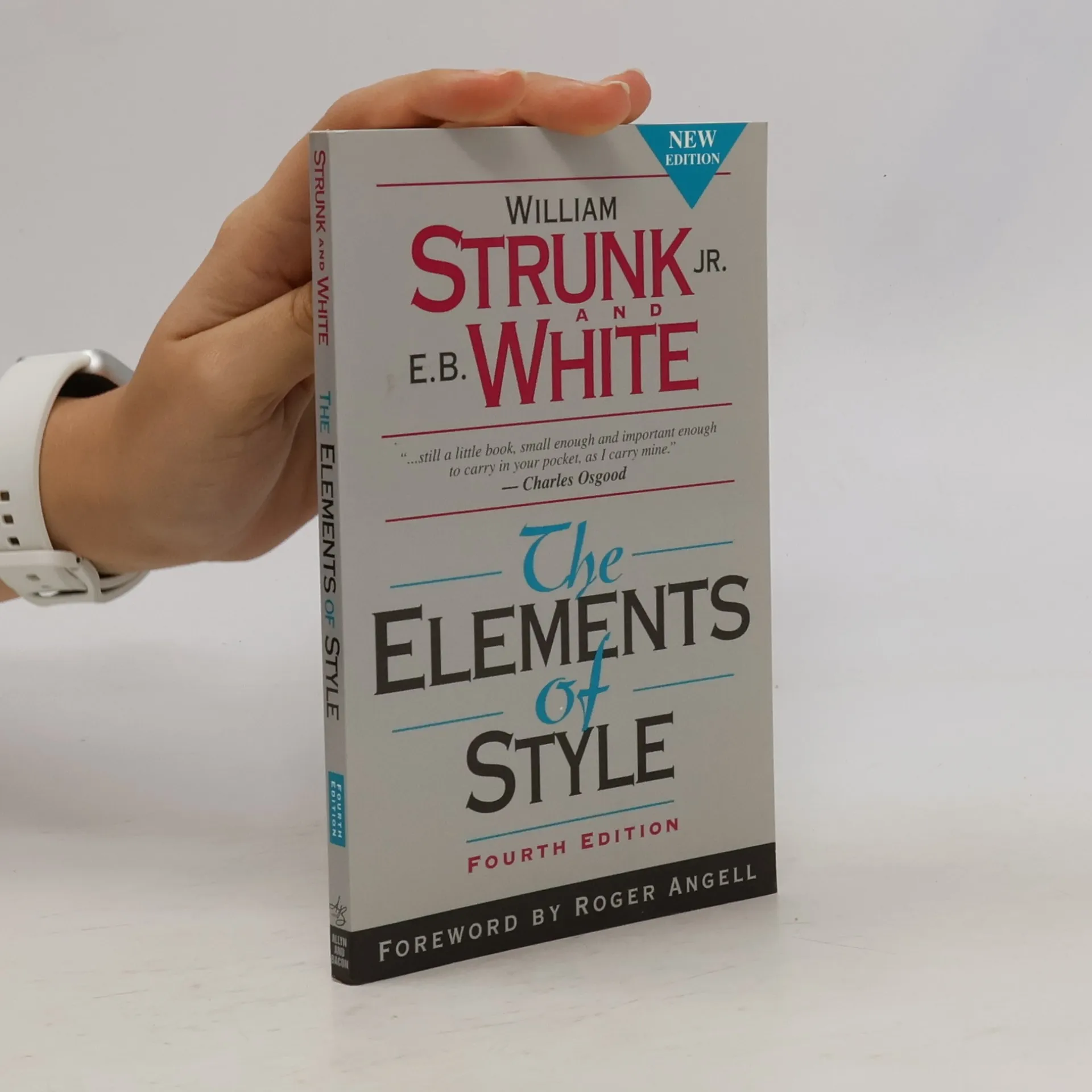
The elements of style
- 105 pages
- 4 hours of reading
Revised edition with an added introduction and chapter by E. B. White.


Roger Angell is a celebrated writer and editor whose work delves into the nuances of human experience with profound insight and lyrical prose. He masterfully explores themes of memory, nostalgia, and the passage of time, offering readers a perspective that is both keenly observed and deeply felt. Angell's distinctive voice, characterized by its blend of sharp intelligence and warm empathy, brings a unique literary quality to his observations. His writing invites contemplation on the subtle beauties and complexities of life.
Revised edition with an added introduction and chapter by E. B. White.
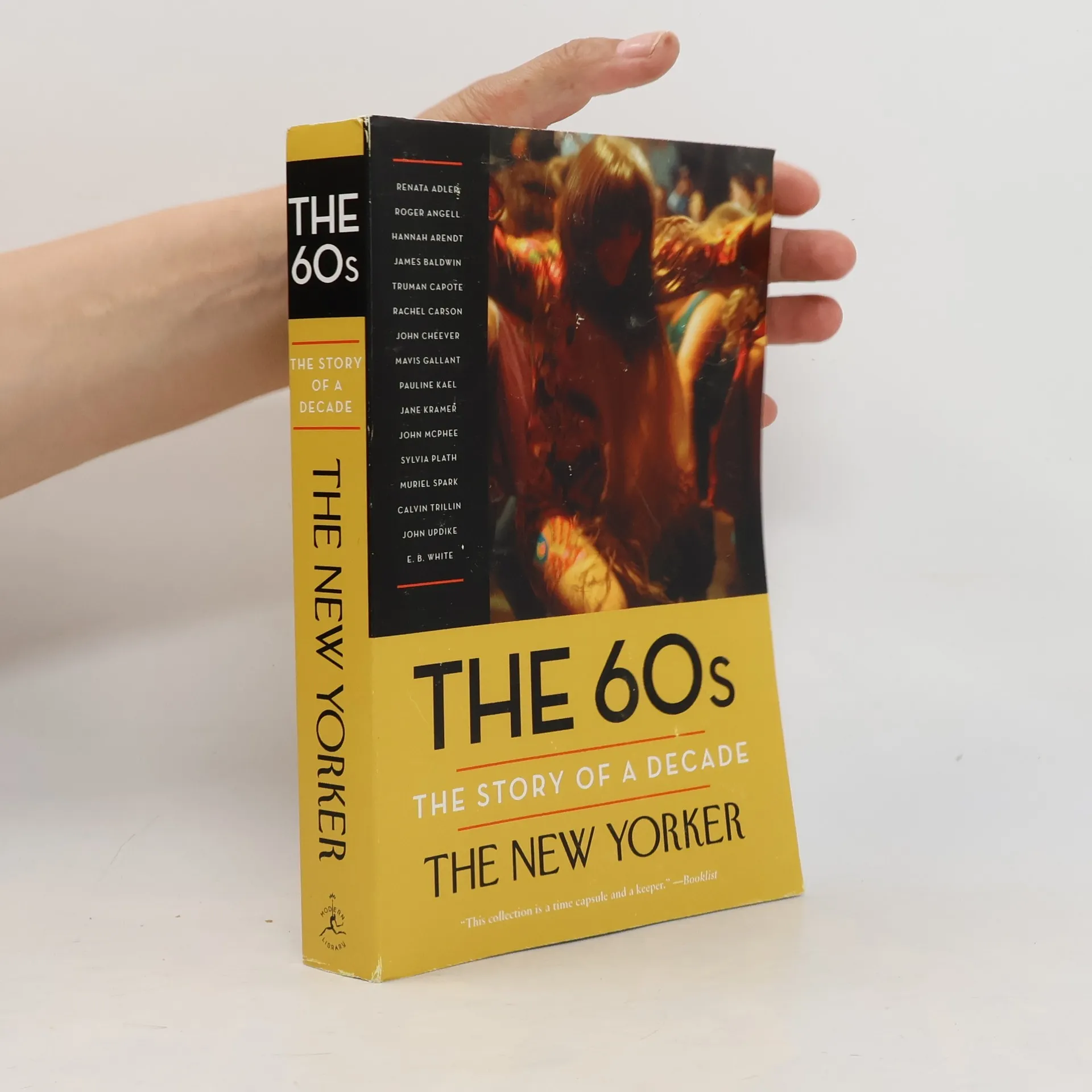
The anthology features significant New Yorker articles from the tumultuous 20th century, showcasing works by renowned authors like James Baldwin, Sylvia Plath, and Pauline Kael. It also includes contemporary evaluations of the 1960s by today's leading writers, providing a rich exploration of the era's cultural and social dynamics. This collection highlights both historical perspectives and modern interpretations, making it a compelling read for those interested in literary history and the evolution of thought during a pivotal decade.