

Jean-Paul Sartre Biography
Jean-Paul Sartre was a French existentialist philosopher and writer, a leading figure in 20th-century thought. His work explores themes of freedom, responsibility, and the search for truth, making him an influential voice. Though he famously declined the Nobel Prize in Literature, his writings profoundly shaped the intellectual landscape of his era. Sartre delved into the human condition and its implications through philosophical essays, dramas, and novels, leaving a significant mark on literature and philosophy.


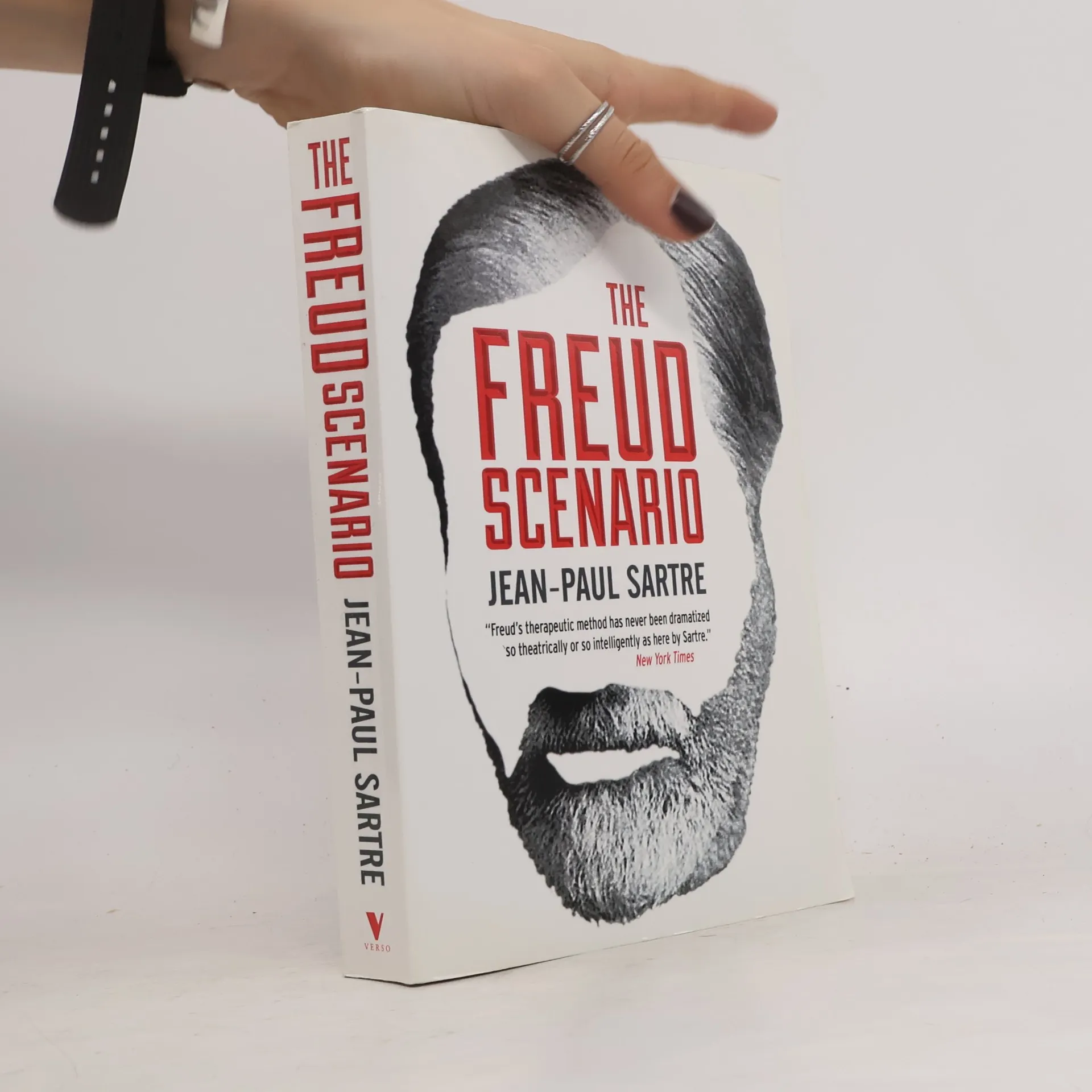
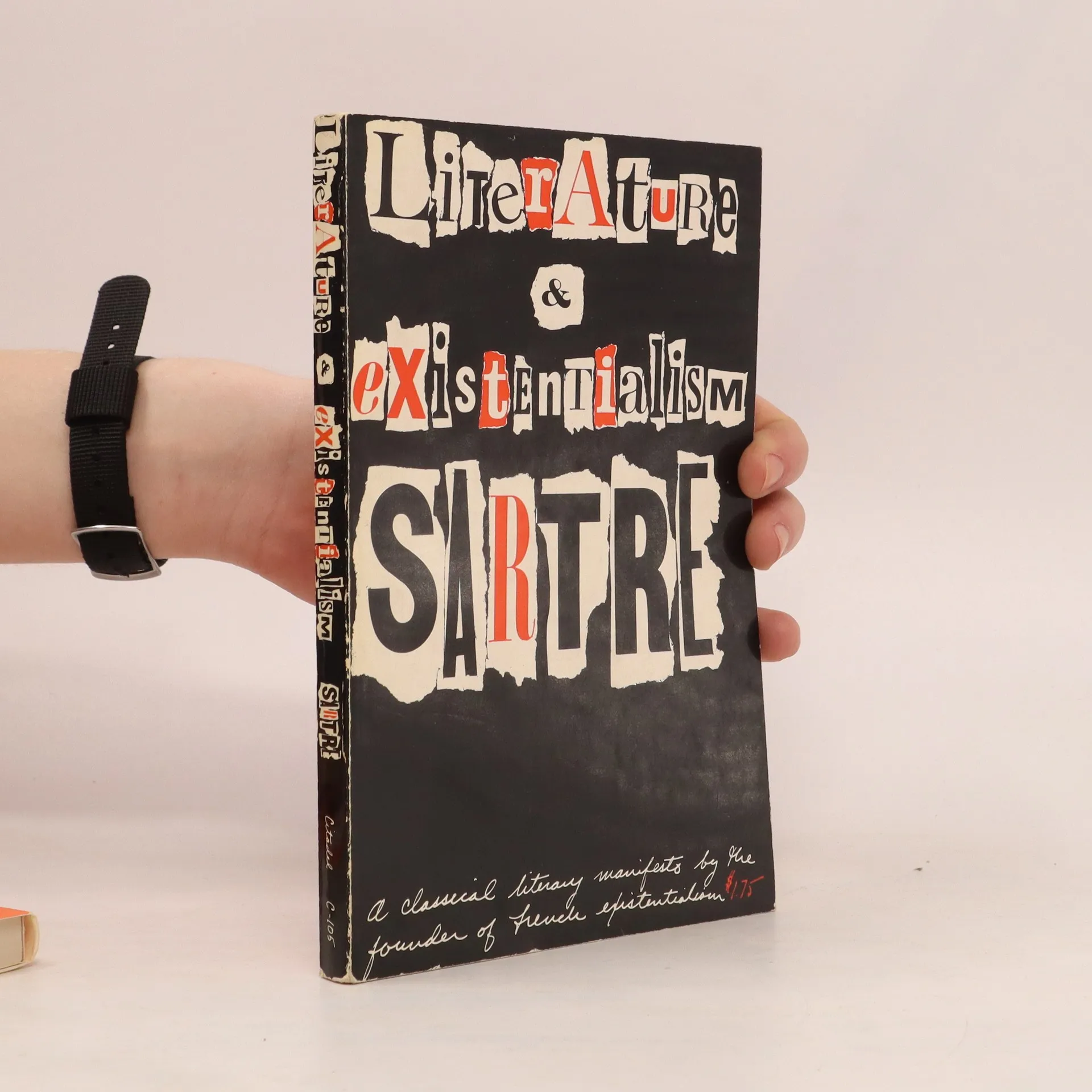

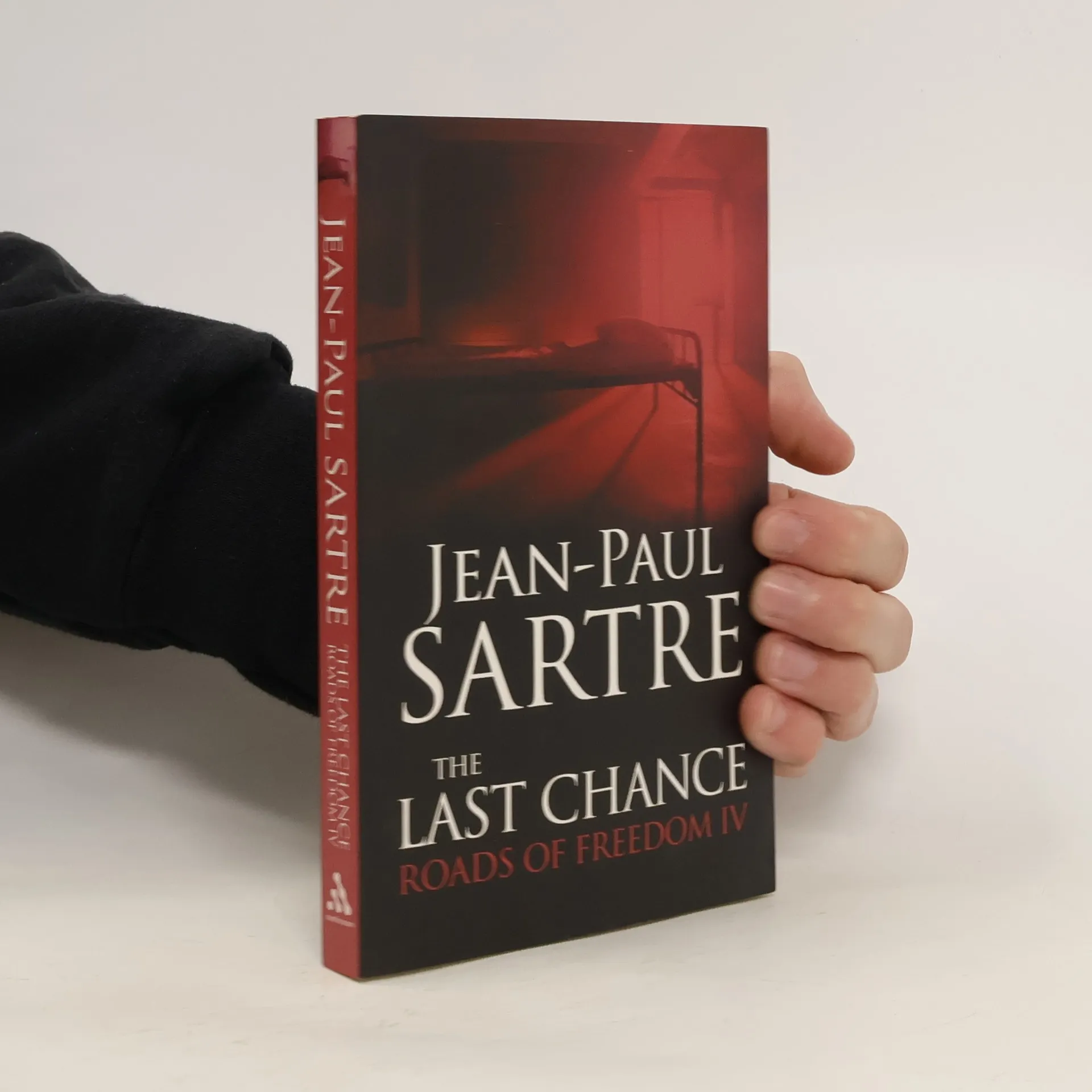
Jean-Paul Sartre grew up in the house of his maternal grandfather. During his university studies, he met his life partner Simone de Beauvoir, also a writer. After his studies, he was a professor of philosophy in Le Havre, Lyon and Paris.
During his study stay in Berlin, Jean-Paul Sartre became acquainted with German philosophy, which influenced his views especially with Heidegger's existentialism.
Together with Merleau Ponty, Aron, Paulhan, Leiris, and Simone de Beauvoir, Jean-Paul Sartre founded the magazine Les Temps modernes in 1945. Under his leadership, he became the pinnacle of existentialism, but he also focused on political and social issues.
For a while, Jean-Paul Sartre embraced the idea of Marxism because, in his view, it responded to the needs of the time. At the same time, however, he condemned Soviet communism for its military interventions in Hungary in 1956 and in Czechoslovakia in 1968.
At the end of his life, Jean-Paul Sartre suffered from serious health problems and lost his sight five years before his death.