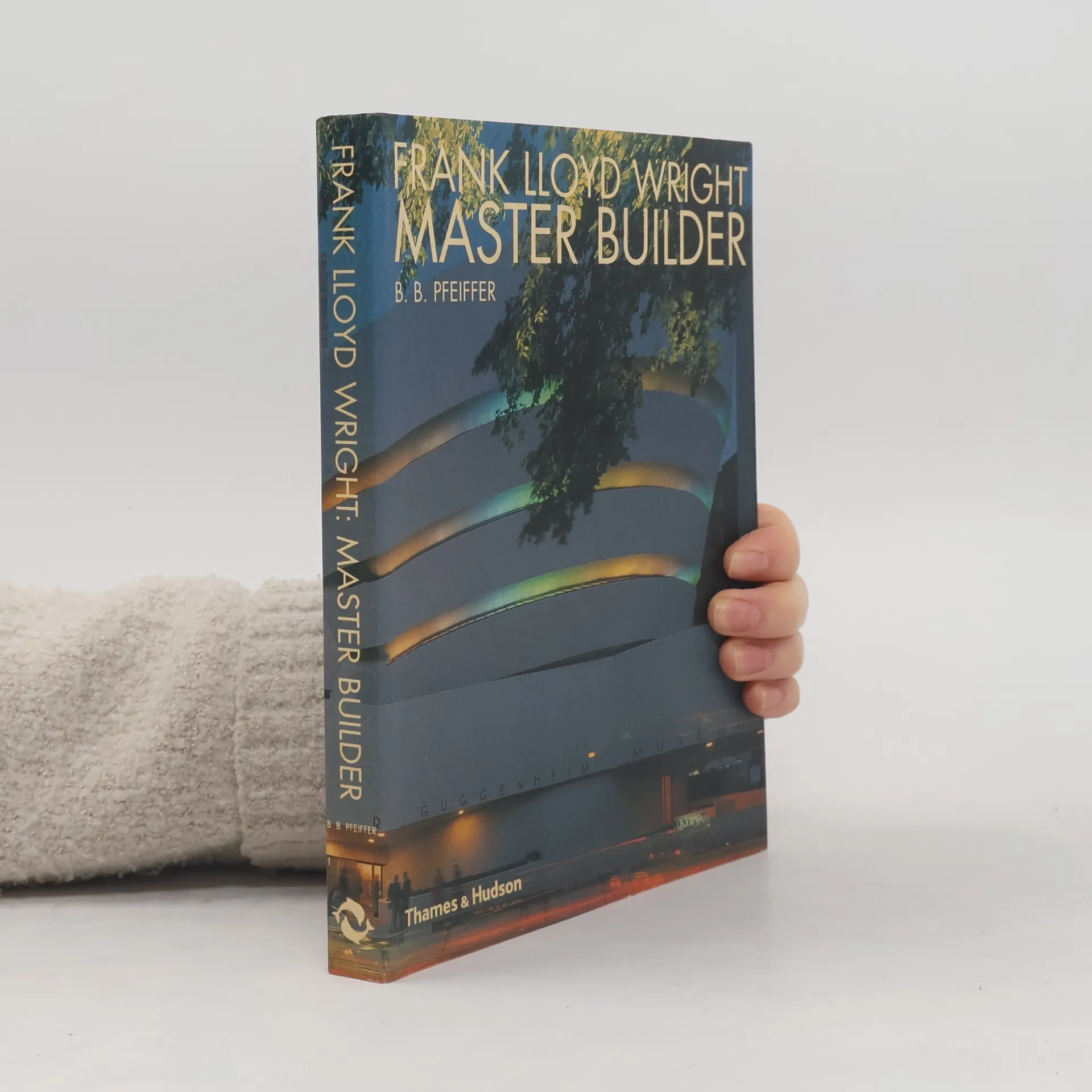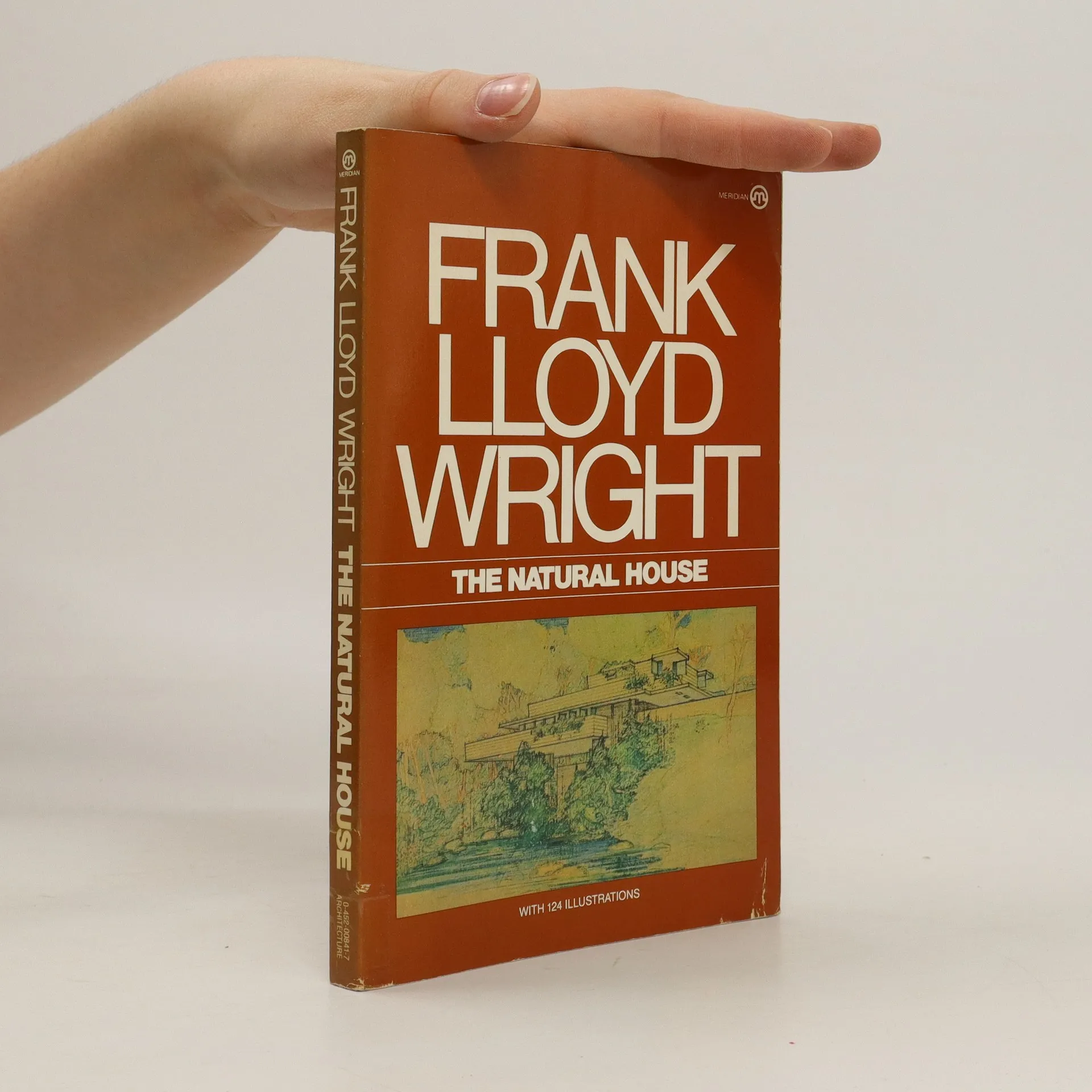
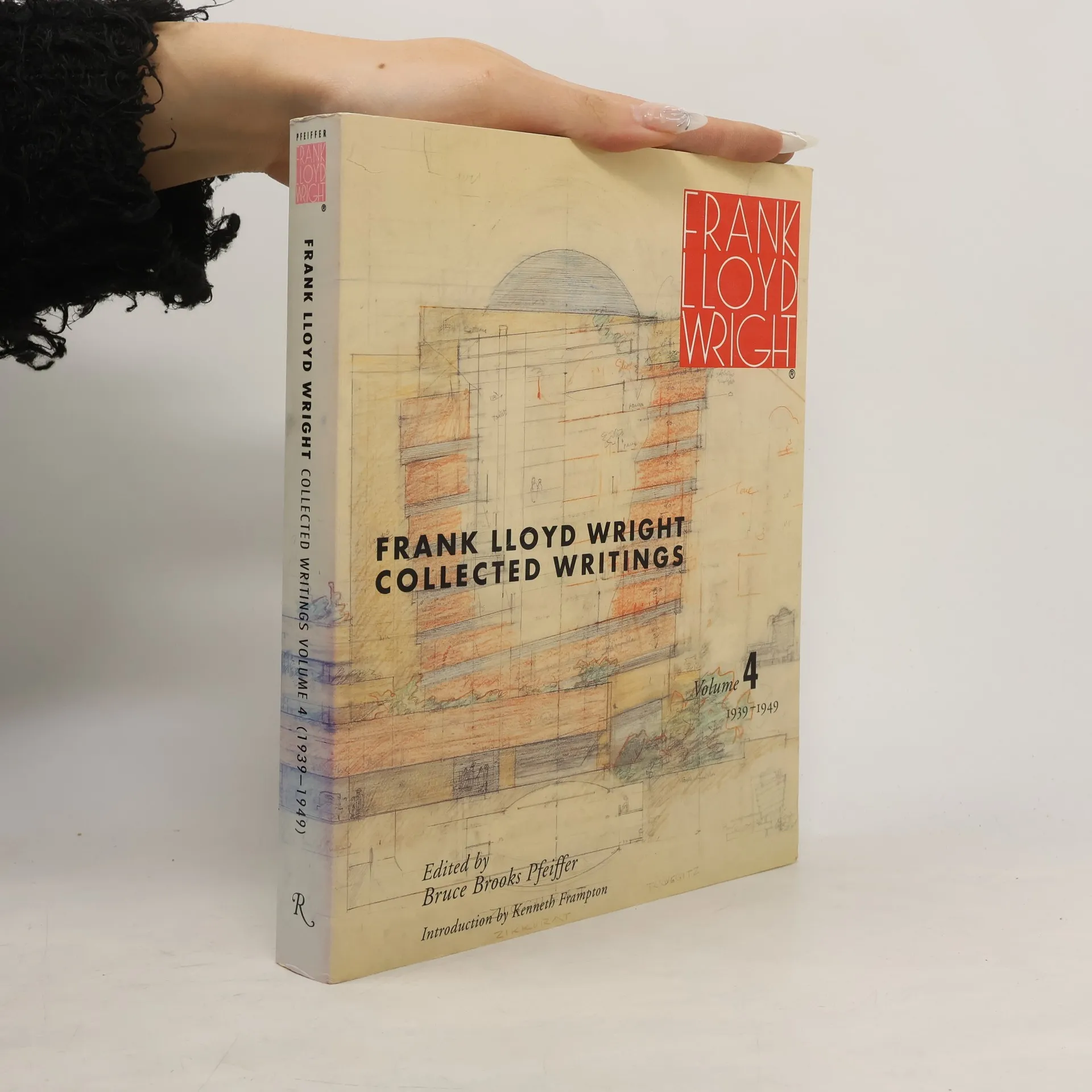
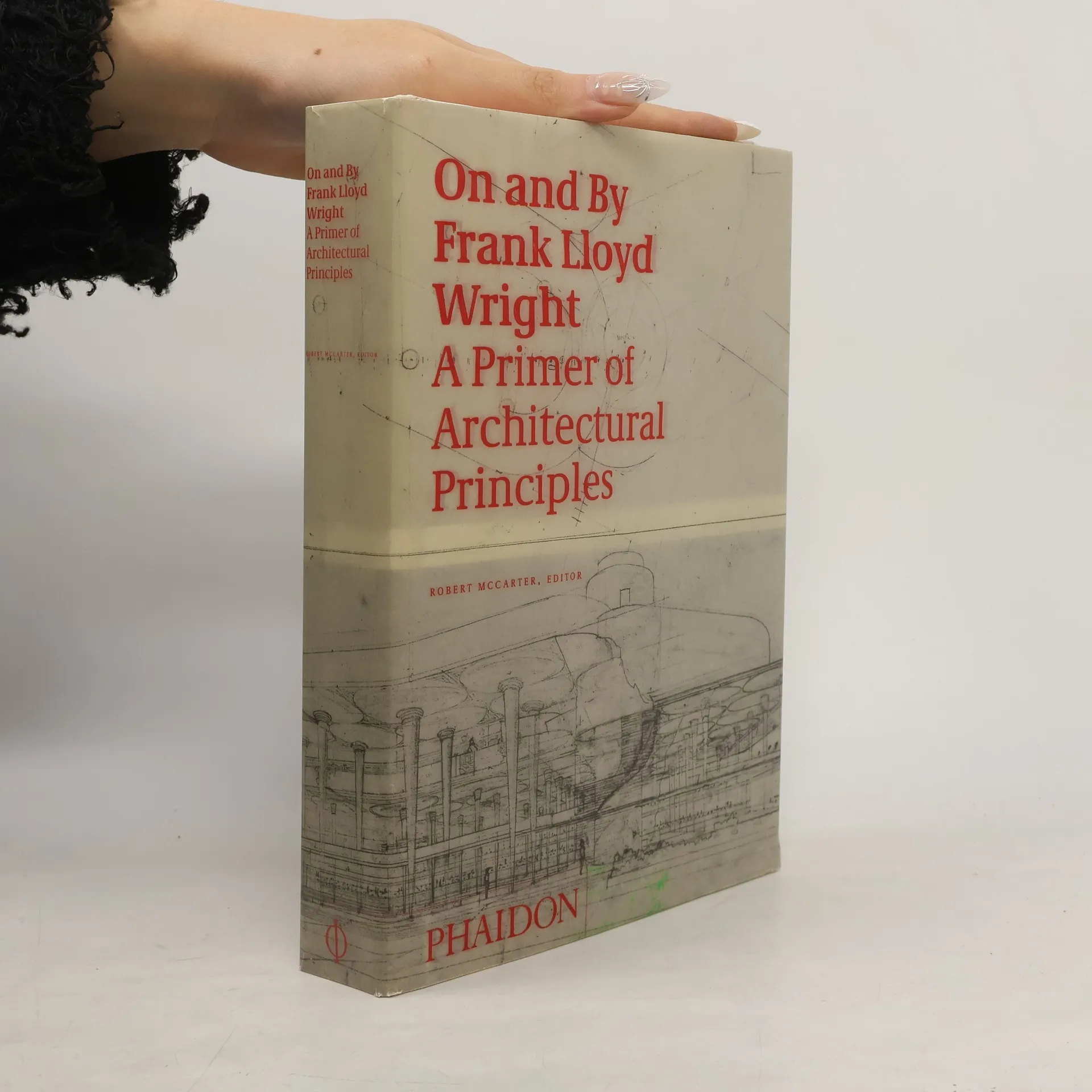
Frank Lloyd Wright was one of the world's most prominent and influential architects. He developed a series of highly individual styles, influenced the design of buildings all over the world, and to this day remains America's most famous architect. Wright was also well known in his lifetime. His colorful personal life frequently made headlines, most notably for the failure of his first two marriages and for the 1914 fire and murders at his Taliesin studio.
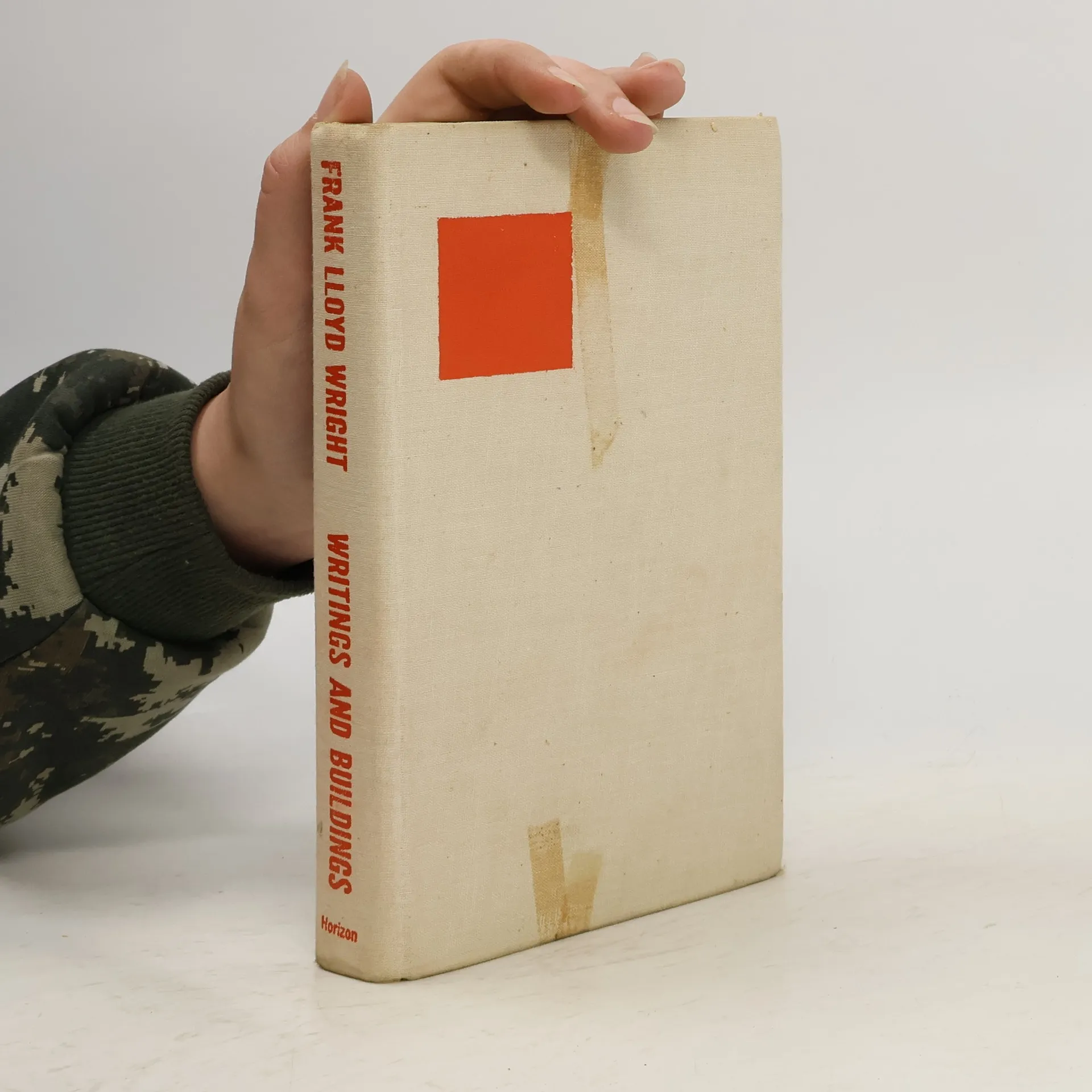
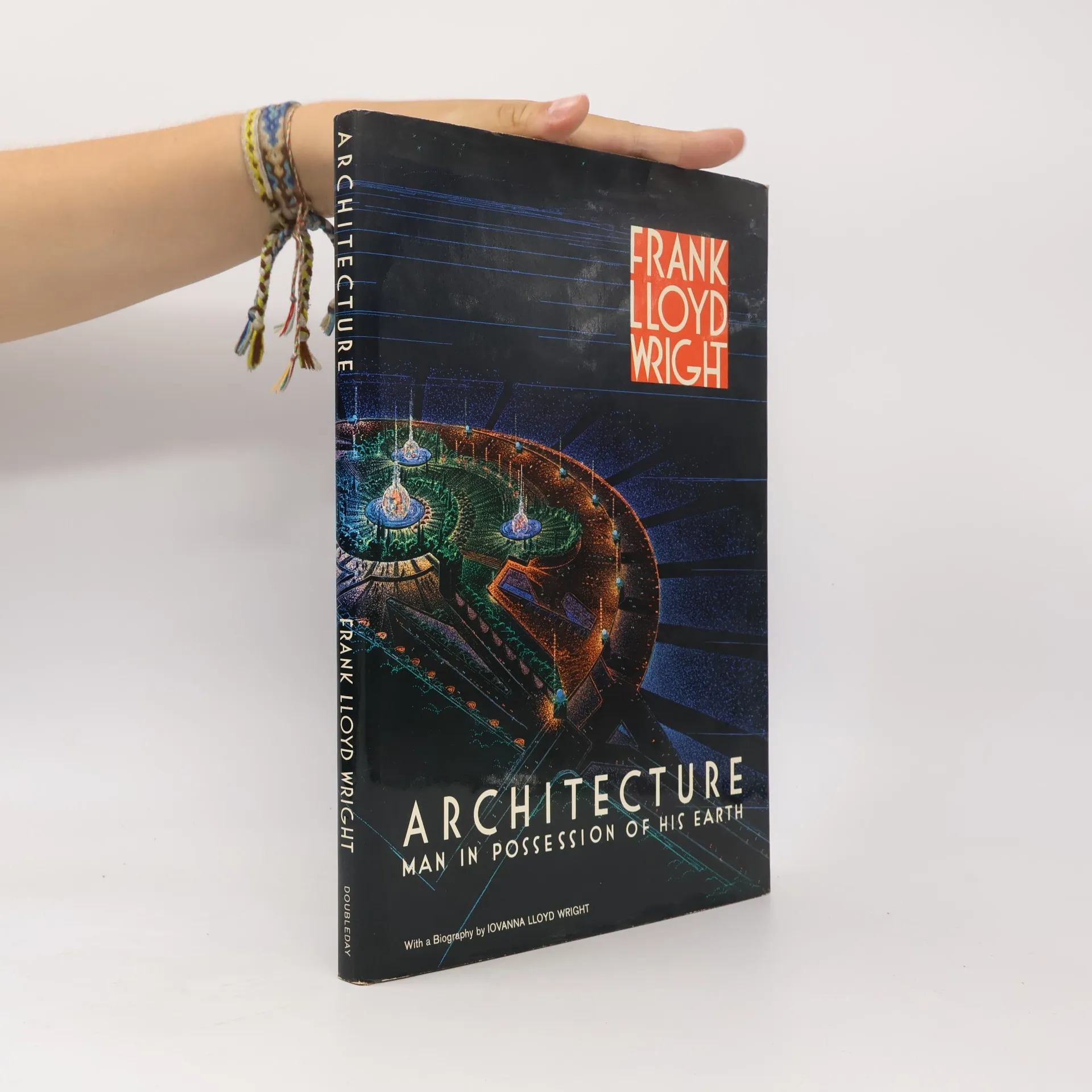
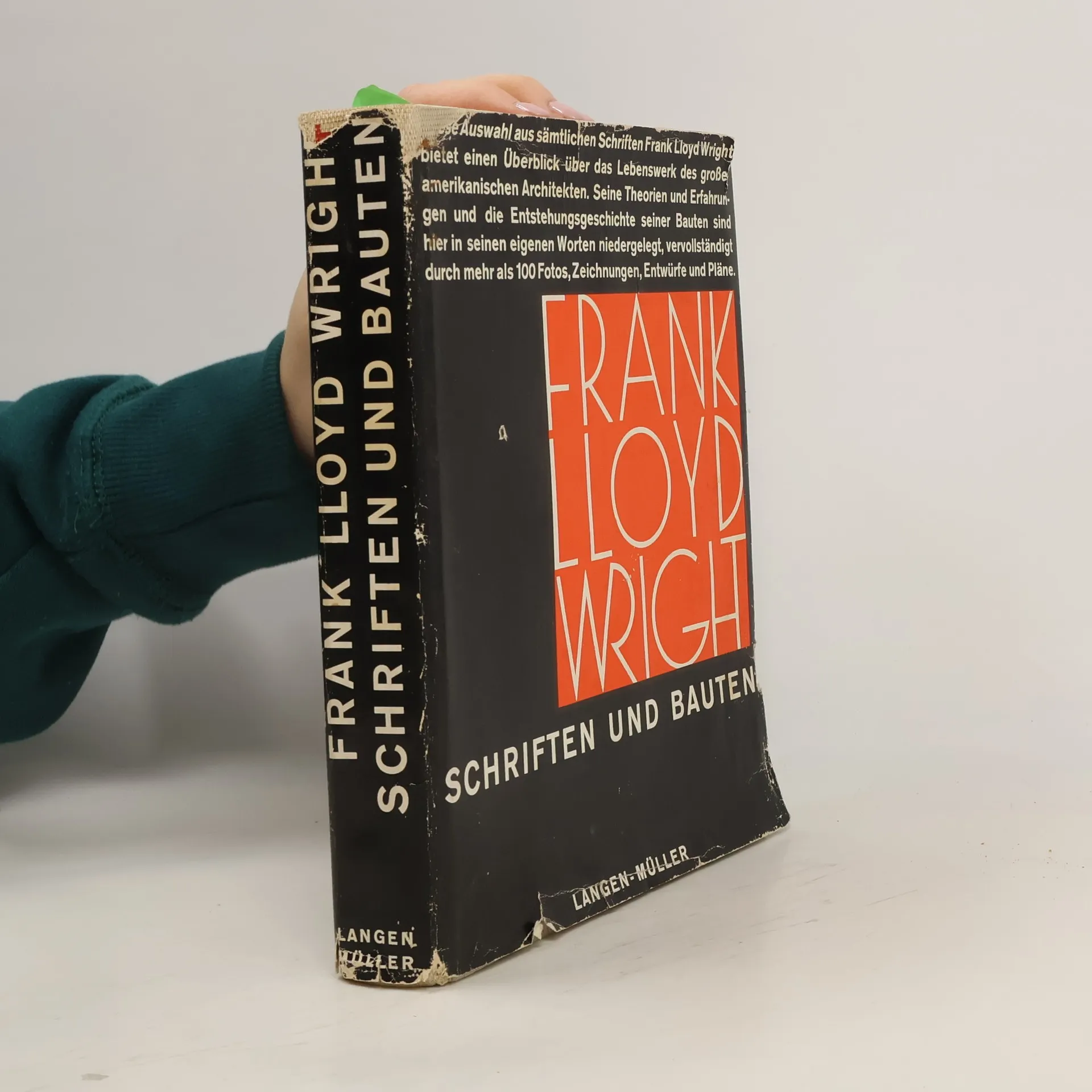
Frank Lloyd Wright pioneered a bold kind of architecture, one in which the
spirit of modern man truly 'lived in his buildings'. This title presents a
compendium of Wright's some of the most critically important - and personally
revealing - writings on various conceivable aspects of his craft.
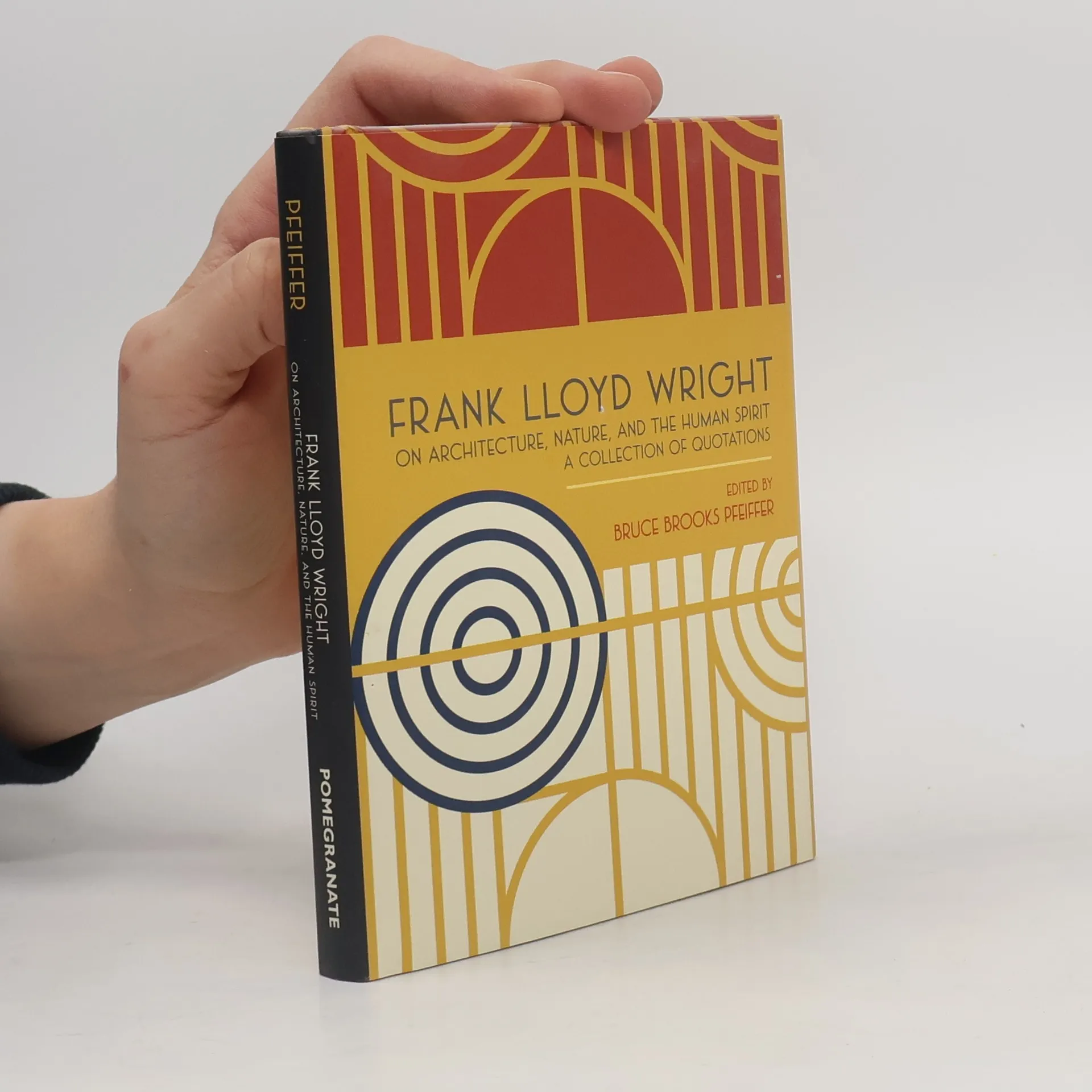
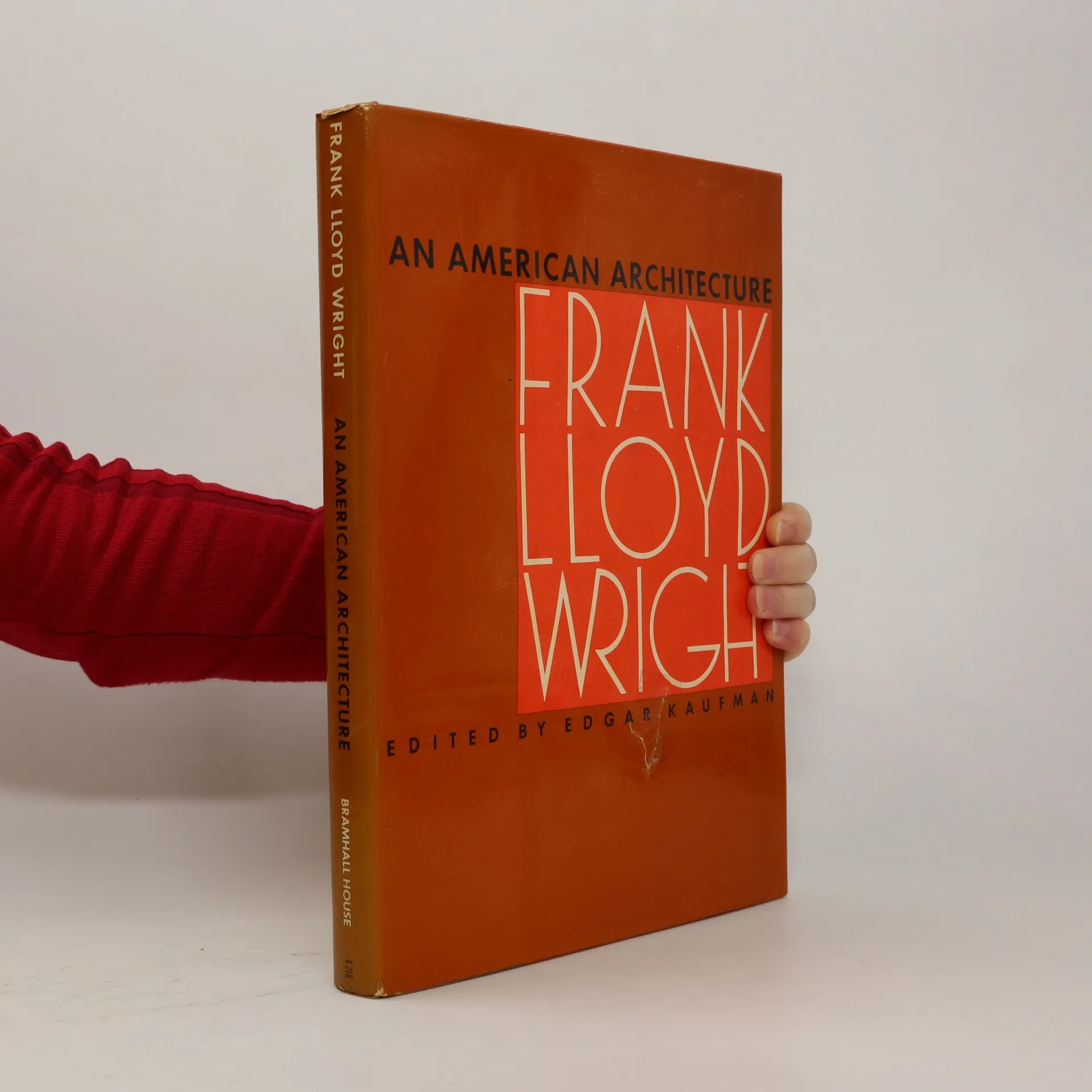
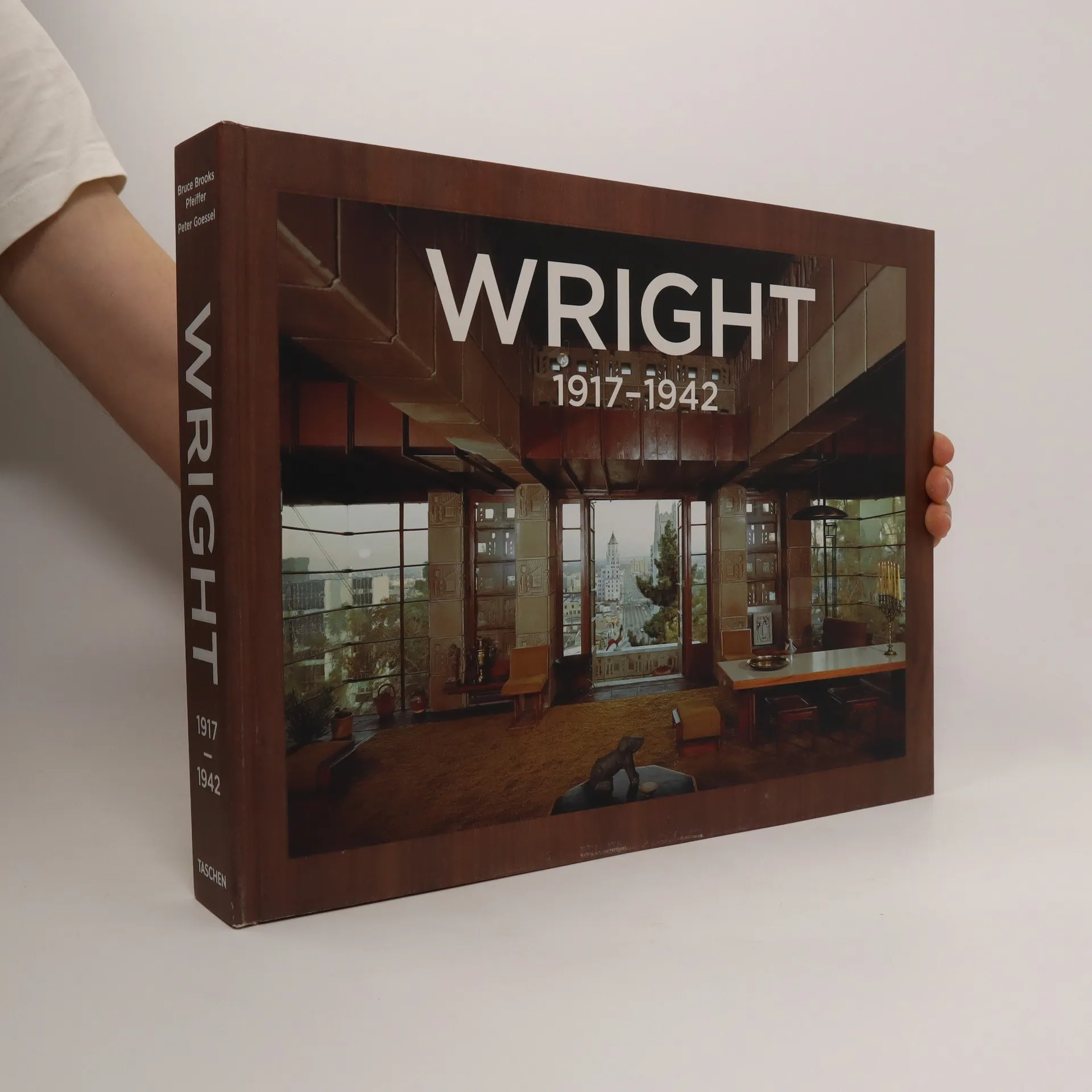
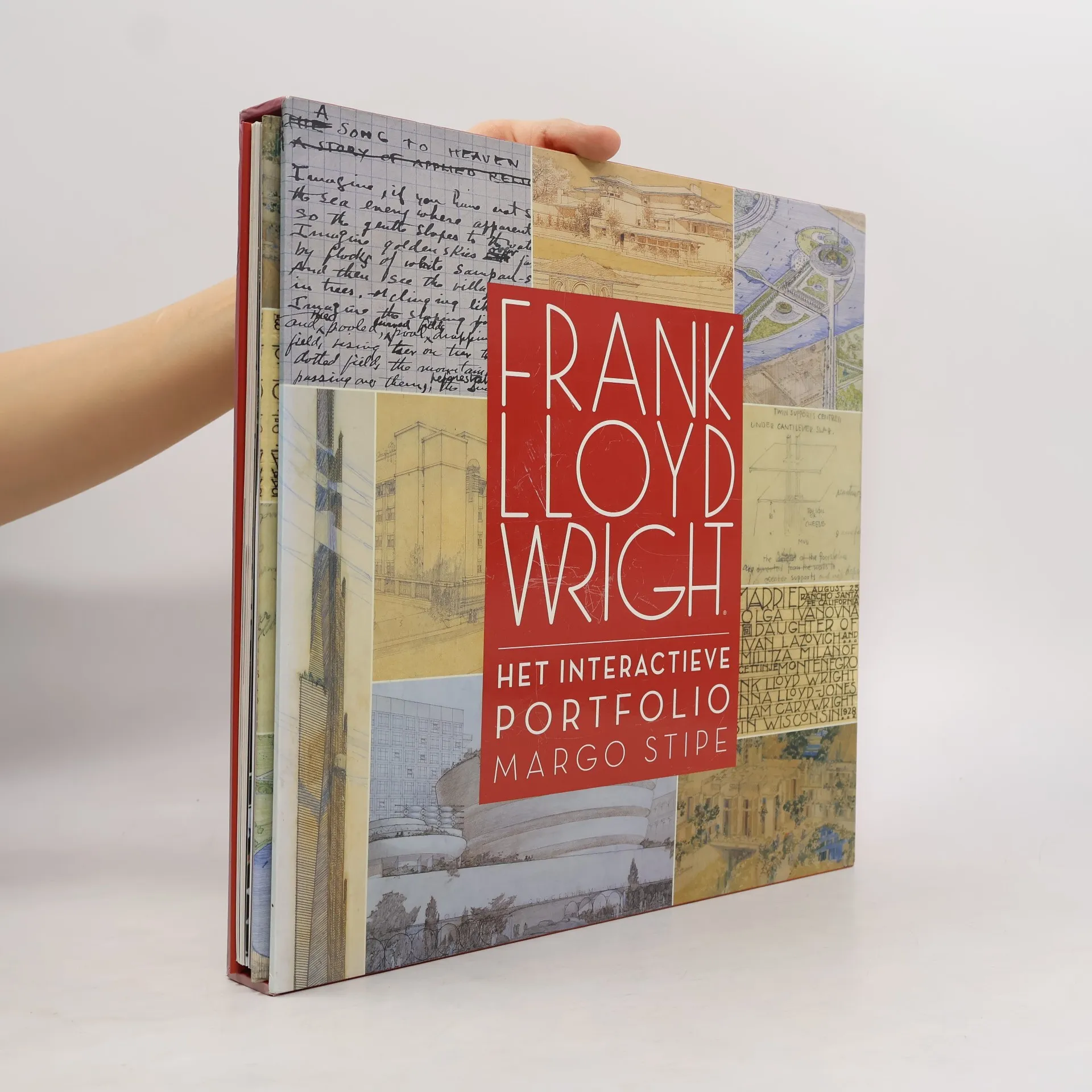
“One hundred years from now, people will look at his ideas, his principles, his forms, and see—with wonder and amazement—that those ideas are still fresh, vibrant, applicable, and intensely prophetic.” —Olgivanna Lloyd Wright (1969). Nearly twenty years later, this exhibition of Frank Lloyd Wright’s principles and forms validates Mrs. Wright’s prophecy, showcasing the foundation of his achievement.
Part 1, prepared by Bruce Brooks Pfeiffer, features four sections defined by Wright’s own words: “The Destruction of the Box: The Freedom of Space”; “The Nature of the Site”; “Materials and Methods”; and “The Architecture of Democracy.” It includes 150 illustrations (86 in full color), presenting dazzling visions of architectural treasures—some realized, some planned but never built, and others that continue to enrich our society. Accompanying quotes from Wright illustrate how his ideas manifested in his designs.
Part 2 comprises five essays that enhance our understanding of Wright’s contributions: Jack Quinan on the Chicago context in 1893; Aaron Green discussing organic architecture; E. T. Casey on structure in organic architecture; Narciso Menocal on Wright’s architectural democracy; and Bruce Brooks Pfeiffer on Wright’s second career from 1924 to 1959. An appendix provides detailed descriptions of the works featured in Part 1, including notes on media, methods, and measurements.
This is the fourth volume in the highly acclaimed series of Wright's written works, most of which are out of print and have never before been systematically compiled for publication. Arranged chronologically, Volume IV includes the years of world conflict and postwar recovery--a rich, prolific period during which Wright created designs for some of his best-known buildings.
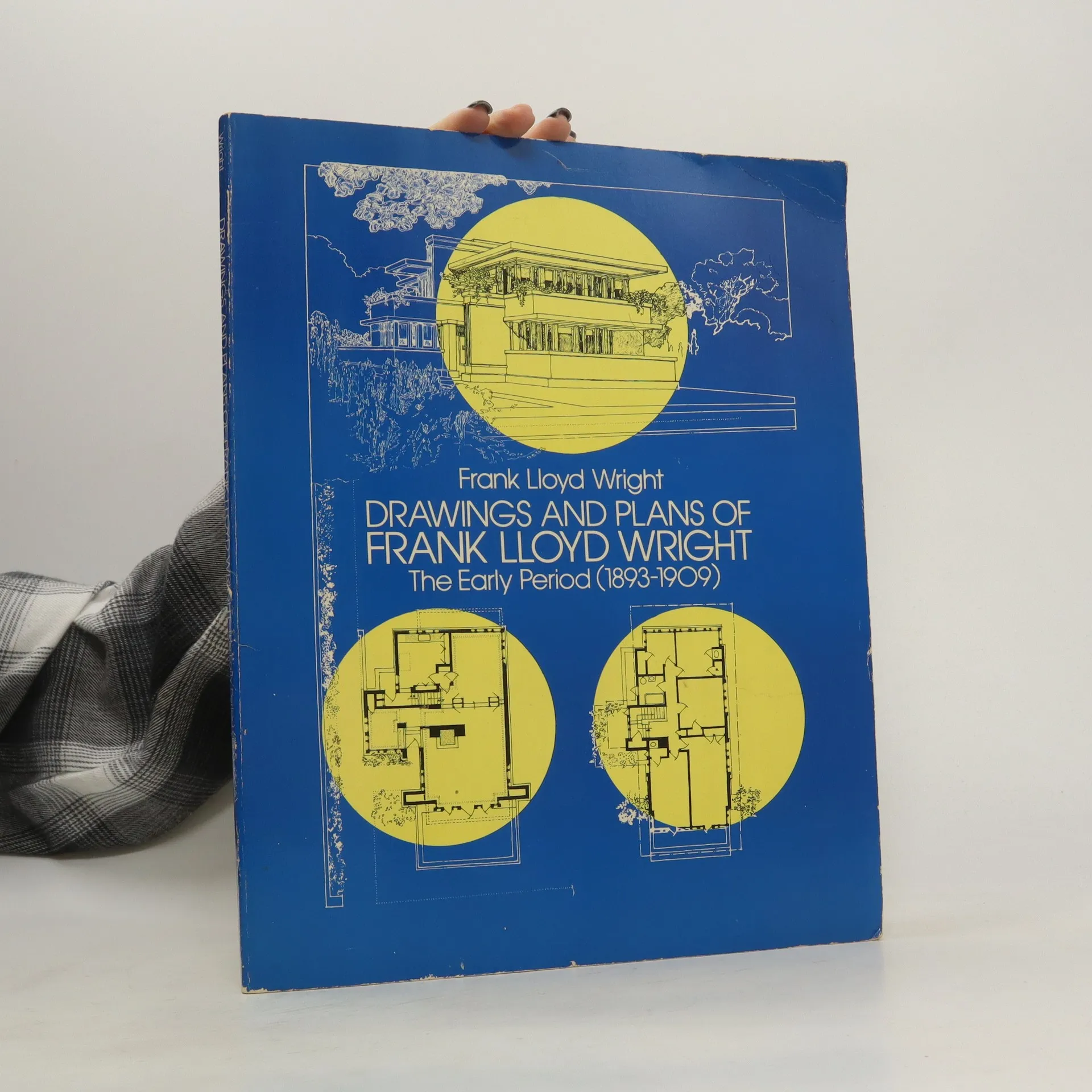
The complete Wasmuth drawings, 1910. Wright's early experiments in organic design: 100 plates of buildings from Oak Park period from first edition. Includes Wright's iconoclastic introduction.
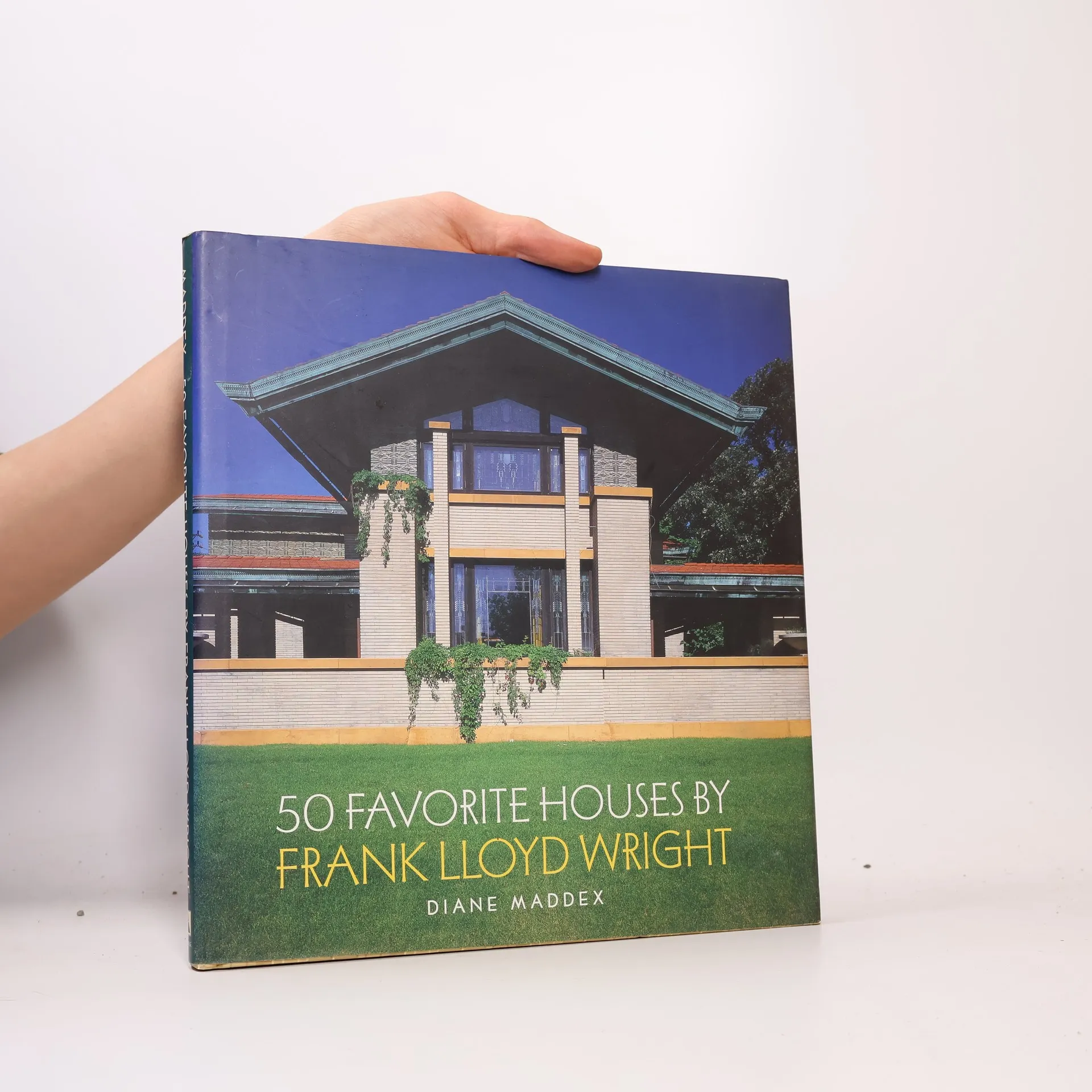
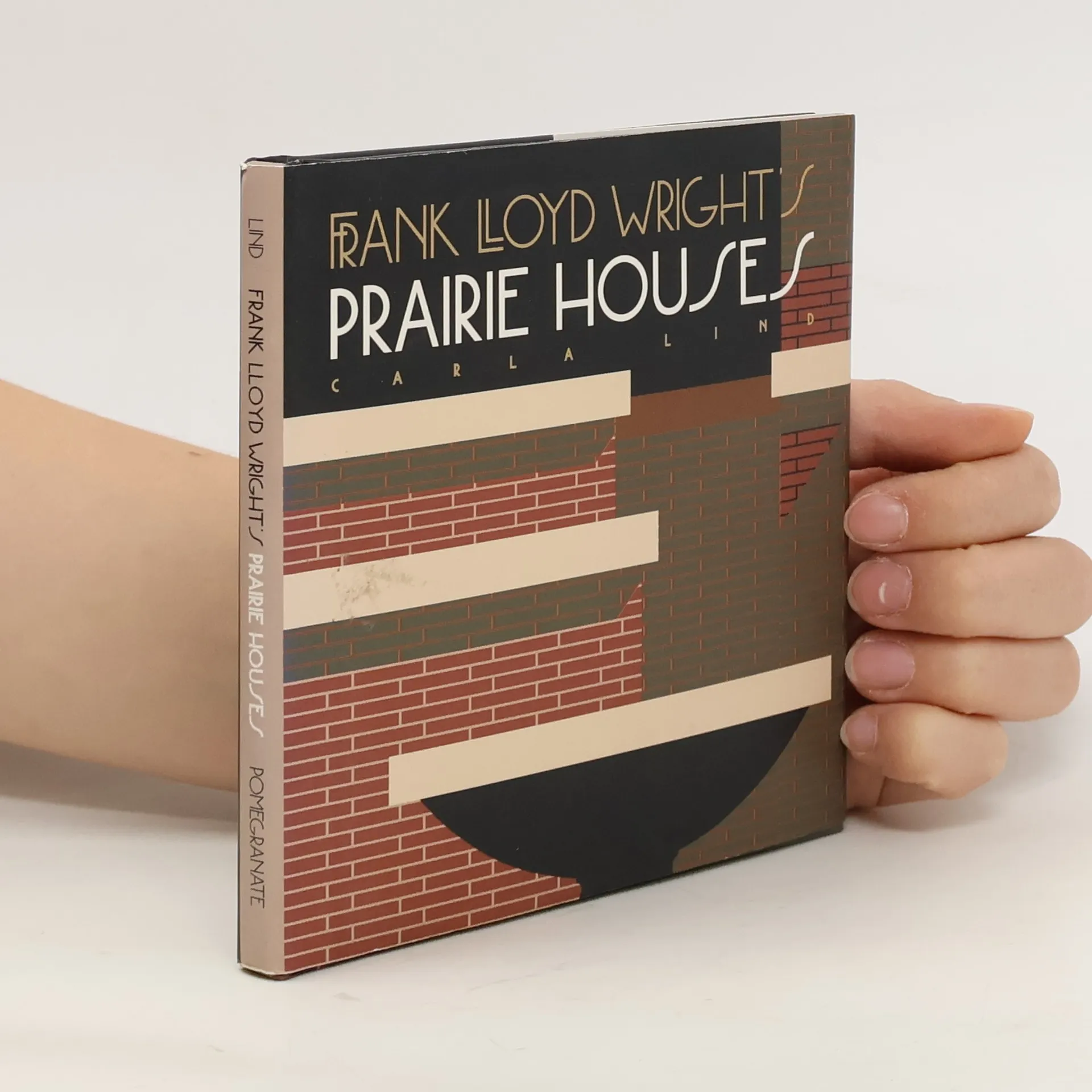
This is an insight into the career of 20th-century architect Frank Lloyd Wright. It features photographs, drawings and floorplans for more than 20 of his buildings, including his home and studio in Illinois and the Guggenheim Museum in New York. Each house is introduced with quotes from Wright.
Early Visions : The Great Achievements Of The Oak Park Years
166 pages
6 hours of reading
Originally published as Ausgefuhrte Bauten in Germany in 1911, Frank Lloyd Wright: Early Visions reproduces the first book of photographs of Wright's architecture. Here are the works of what is called his Oak Park period, the years between 1893 and 1910 when Wright lived and worked in Oak Park, Illinois. Included are more than thirty houses, as well as some public buildings. Early Visions covers the idealistic, formative years of Frank Lloyd Wright's career. In many ways, they were the most important years. A number of the buildings reproduced have been demolished, but many others still stand. Indeed, today under the auspices of the National Trust for Historic Preservation, Oak Park celebrates the Frank Lloyd Wright Prairie School of Architecture in a National Historic District, with twenty-five structures by Wright. It is the largest collection of his built designs in the world. His home and studio at 951 Chicago Avenue, where he lived and worked from 1889 to 1909, is open to the public, and tours of his other buildings may be arranged. In this new edition of the first book of Wright's architectural photographs, the spirit of these and other early works by the greatest of American architects remains bold and vital.