
Explore the latest books of this year!
Bookbot

Daniele Benati

    Daniele Benati is a writer and translator whose work is marked by a penetrating gaze into human characters and their inner lives. His prose, often tinged with irony and a deep understanding of life's oddities, explores themes of identity, solitude, and the search for meaning in contemporary society. Benati's style is precise and evocative, frequently delving into the unusual and overlooked corners of human experience. His writing reflects a fascination with linguistic nuance and the ability to capture hidden truths within the everyday.

    I Narratori - 523: Silenzio in Emilia
    Fiori : natura e simbolo dal Seicento a Van Gogh
    Dubliners
    Amerika gibt es nicht
    Caravaggio to Canaletto
    • Caravaggio to Canaletto

      The Glory of Italian Baroque and Rococo Painting: Exhibition, Budapest, Széművészeti Múzeum, 23 October 2013- 16 February 2014

      • 460 pages
      • 17 hours of reading

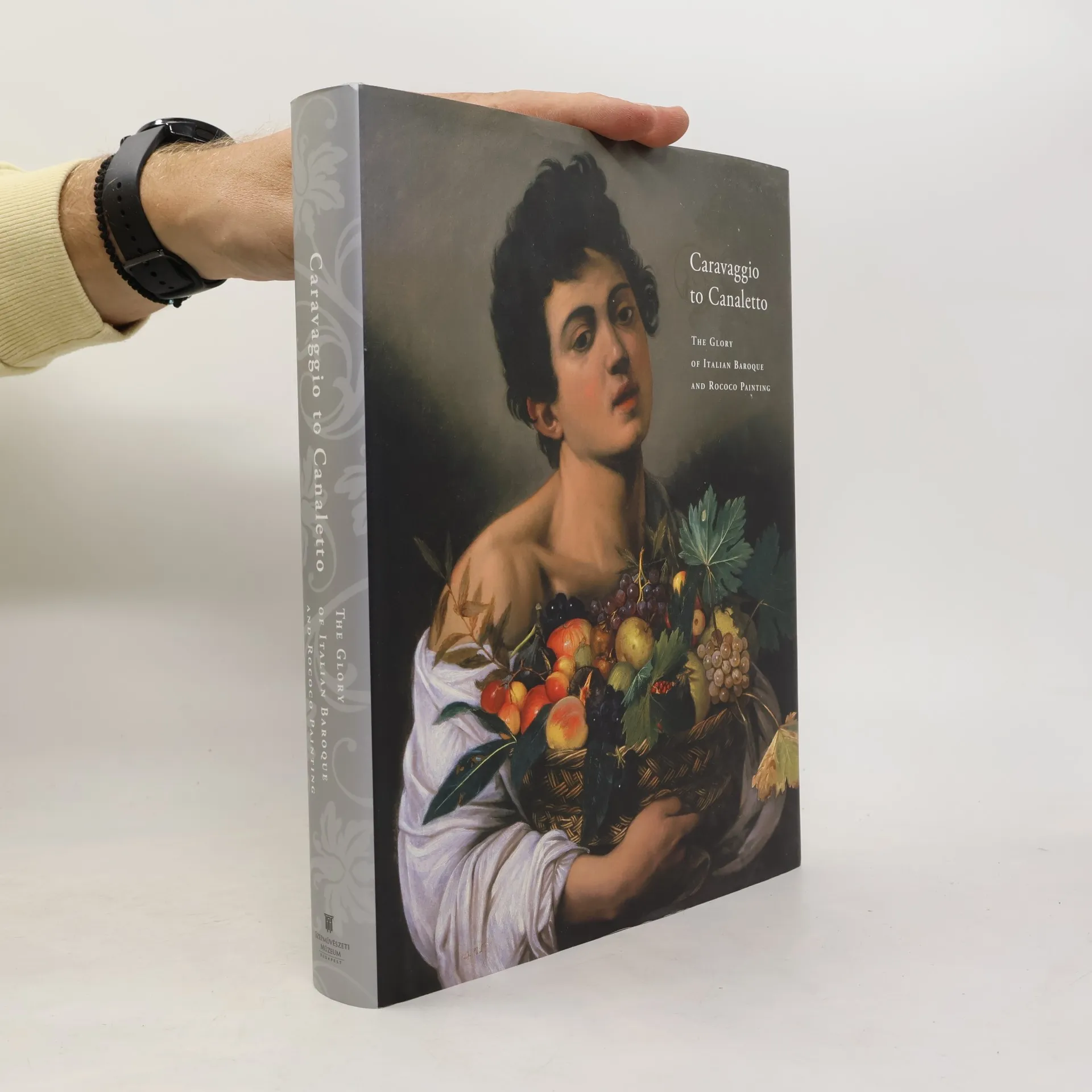
      Caravaggio to Canaletto - A stunning exhibition catalogue from the Museum of Fine Arts in Budapest. The catalogue seeks to provide a comprehensive picture of Italian Baroque and Rococo painting, containing numerous new research results pertaining to issues of attribution, iconography and collecton history relating to the discussed period. The exhibition catalogue charts the twin-track rise of the post-Renaissance naturalism of Caravaggio and his followers - reaching scandalous heights as early as 1593 with his Boy with a Basket of Fruit - and the formal classicism of Carracci and Reni.

      Caravaggio to Canaletto
    • Elf Italiener hat es in ein fremdes Land verschlagen und das Schicksal meint es nicht besonders gut mit ihnen. Es ist kalt und sie kennen niemanden. In der Mystic Avenue, einer Straße voller Merkwürdigkeiten und verwirrender Verknüpfungen, laufen die Fäden der Handlung zusammen. Hier wohnen die Helden des Romans. Wollen sie ihre Wohnstatt betreten, so führt sie ihr Weg durch ein McDonalds-Restaurant über eine riesige Abortanlage in eine Universität und von dort über eine Wendeltreppe in ihre Behausungen. Dort warten sie auf die Begegnung mit ihrer Muse, auf ihre Geliebte oder einen Anruf, aber sie finden weder Anschluss noch etwas zu tun. Ihre Ausflüge in die Außenwelt werfen Fragen auf, auf die es keine Antwort gibt. Benati verrät seinen Lesern nicht, warum seine Helden in der Fremde leben müssen: Wurden sie zwangsweise expatriiert oder bewegen sie sich als Botschafter ihres Heimatlandes, gewissermaßen in diplomatischer Mission, auf unbekanntem Terrain? Bewegen sie sich überhaupt? Oder treten sie eigentlich nur auf der Stelle? Gibt es eine Instanz im Hintergrund wie den Gerichtshof in Kafkas Prozess oder sind sie selbst, die Helden des Romans, die Ursache der Befremdlichkeit der sie umgebenden Welt sind?

      Amerika gibt es nicht
      5.0
    • Dubliners

      • 256 pages
      • 9 hours of reading

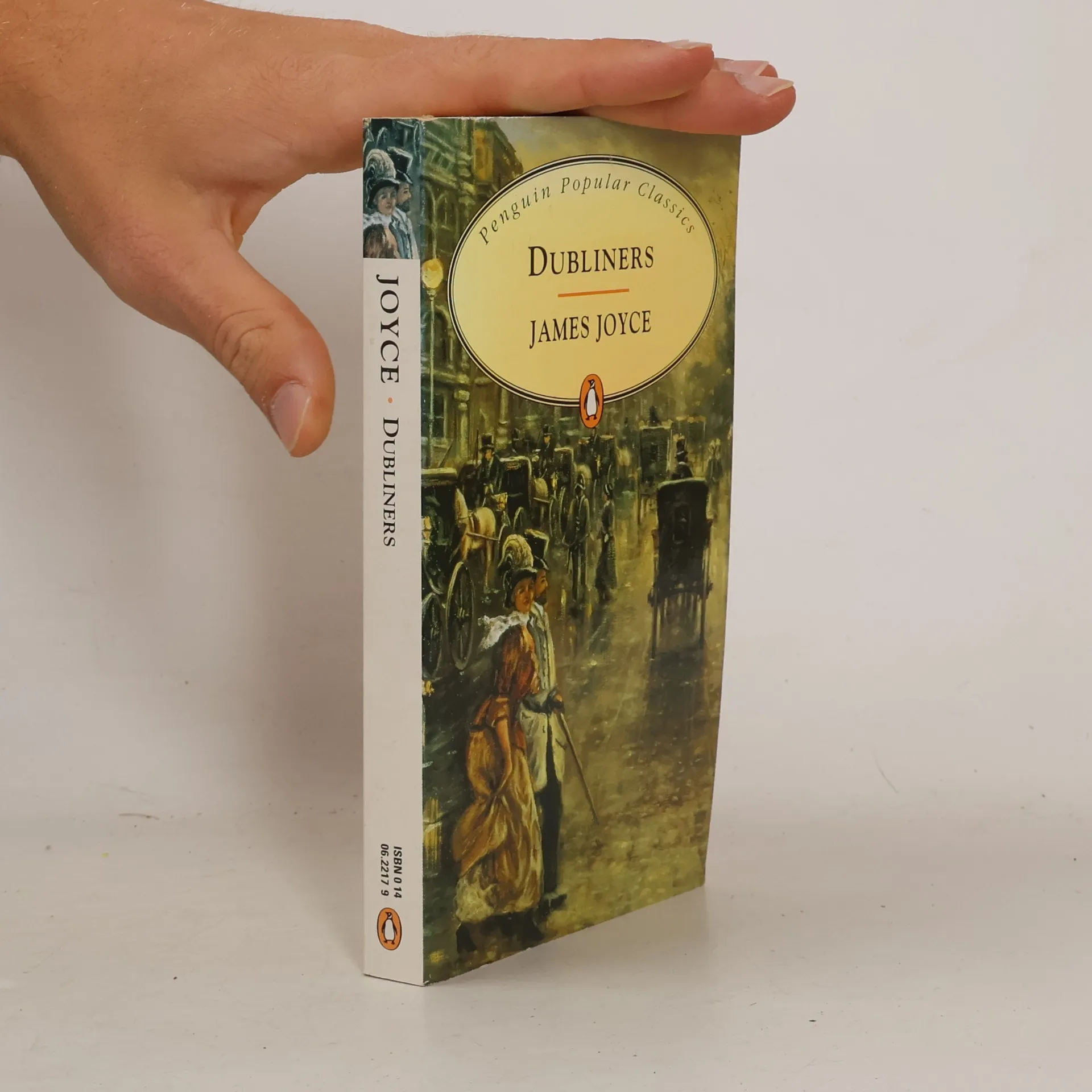
      "Don't you think there is a certain resemblance between the mystery of the Mass and what I am trying to do?...To give people some kind of intellectual pleasure or spiritual enjoyment by converting the bread of everyday life into something that has a permanent artistic life of its own." —James Joyce, in a letter to his brother With these fifteen stories James Joyce reinvented the art of fiction, using a scrupulous, deadpan realism to convey truths that were at once blasphemous and sacramental. Whether writing about the death of a fallen priest ("The Sisters"), the petty sexual and fiscal machinations of "Two Gallants," or of the Christmas party at which an uprooted intellectual discovers just how little he really knows about his wife ("The Dead"), Joyce takes narrative places it had never been before.

      Dubliners
      3.5
    • I Narratori - 523: Silenzio in Emilia

      • 165 pages
      • 6 hours of reading

      Undici racconti popolati da quella bizzarra specie di personaggi che non si è accorta di morire e continua a tornare sul luogo della propria vita. "Ci sono molte credenze legate ai morti, che però in tempi moderni non valgono più. La gente non ci crede o non ci pensa, ecco il perché. Ma dice un tale dalle mie parti che i morti tornano spesso dove han vissuto, delle volte passandoci in treno di notte, oppure delle altre compiendo un'azione tipica della loro vita. Come quel muratore di Marmirolo che un giorno è tornato al suo paese dopo tanti anni che era morto, ha costruito una casa, poi è tornato via." Comincia così il primo degli undici racconti dedicati a chi non si è accorto di morire, sullo sfondo di un'Emilia silenziosa e grigia.

      I Narratori - 523: Silenzio in Emilia