The RSC Shakespeare: Julius Caesar
- 192 pages
- 7 hours of reading
From the Royal Shakespeare Company - a modern, definitive edition of Shakespeare's drama of the conflict between one man's ambition and the good of the state.


This author delves into the intricacies of Shakespearean literature with a passion for literary detection. Their work explores the fascinating world of Shakespearean scholarship and textual studies, offering readers a unique lens through which to view seminal works and their origins. As a leading authority on English Renaissance drama, they bring a profound depth of knowledge to their lectures and writings.
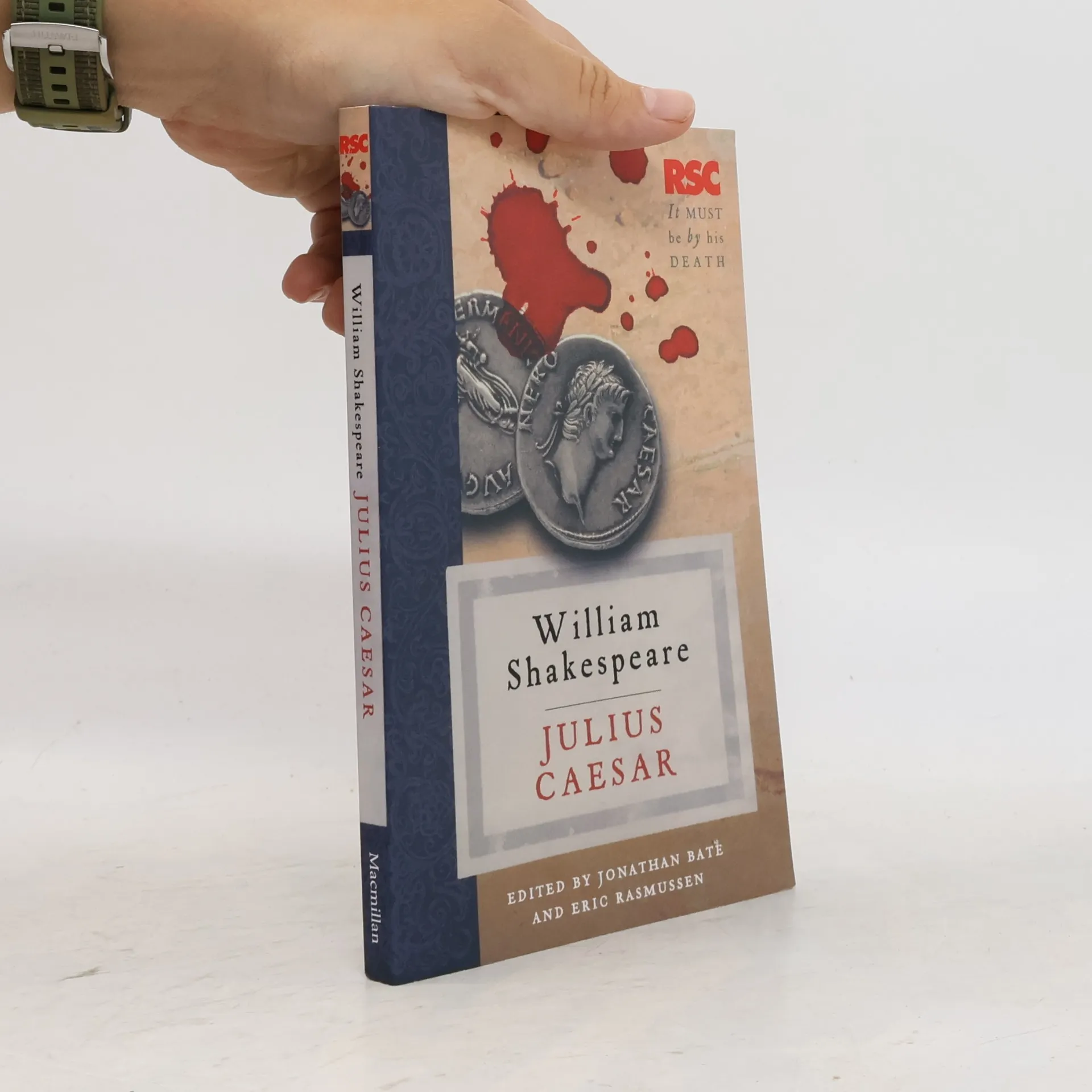

From the Royal Shakespeare Company - a modern, definitive edition of Shakespeare's drama of the conflict between one man's ambition and the good of the state.
Featuring a detailed scene-by-scene synopsis, this book provides insights into the production history of the play and an overview of Shakespeare's career. It offers a comprehensive exploration of the themes and context surrounding the work, making it an invaluable resource for students and enthusiasts of Shakespearean literature.
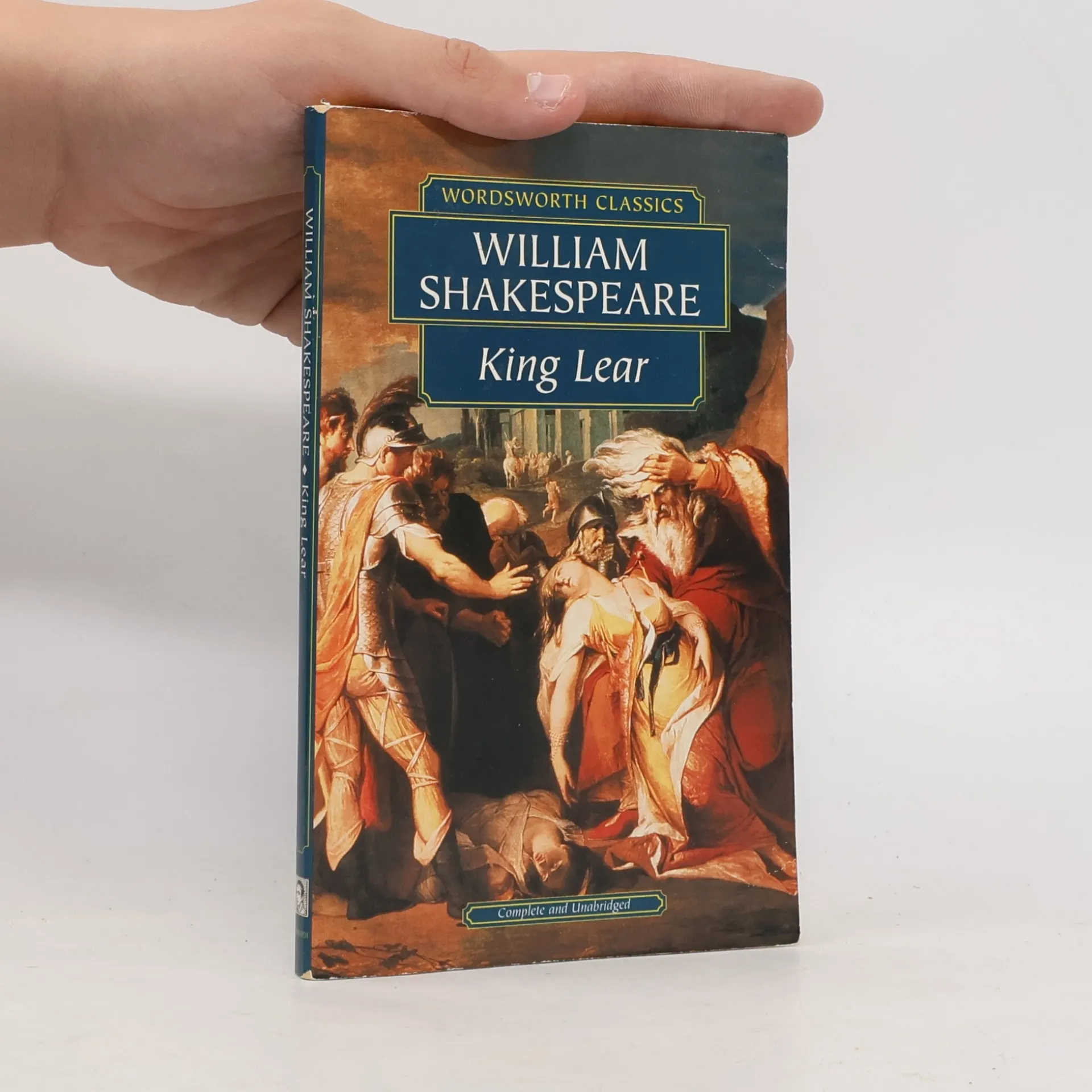
Love and hate, loyalty and treachery, cruelty and self-sacrifice: all these contend in a tempestuous drama which has become an enduring classic of the world's literature.
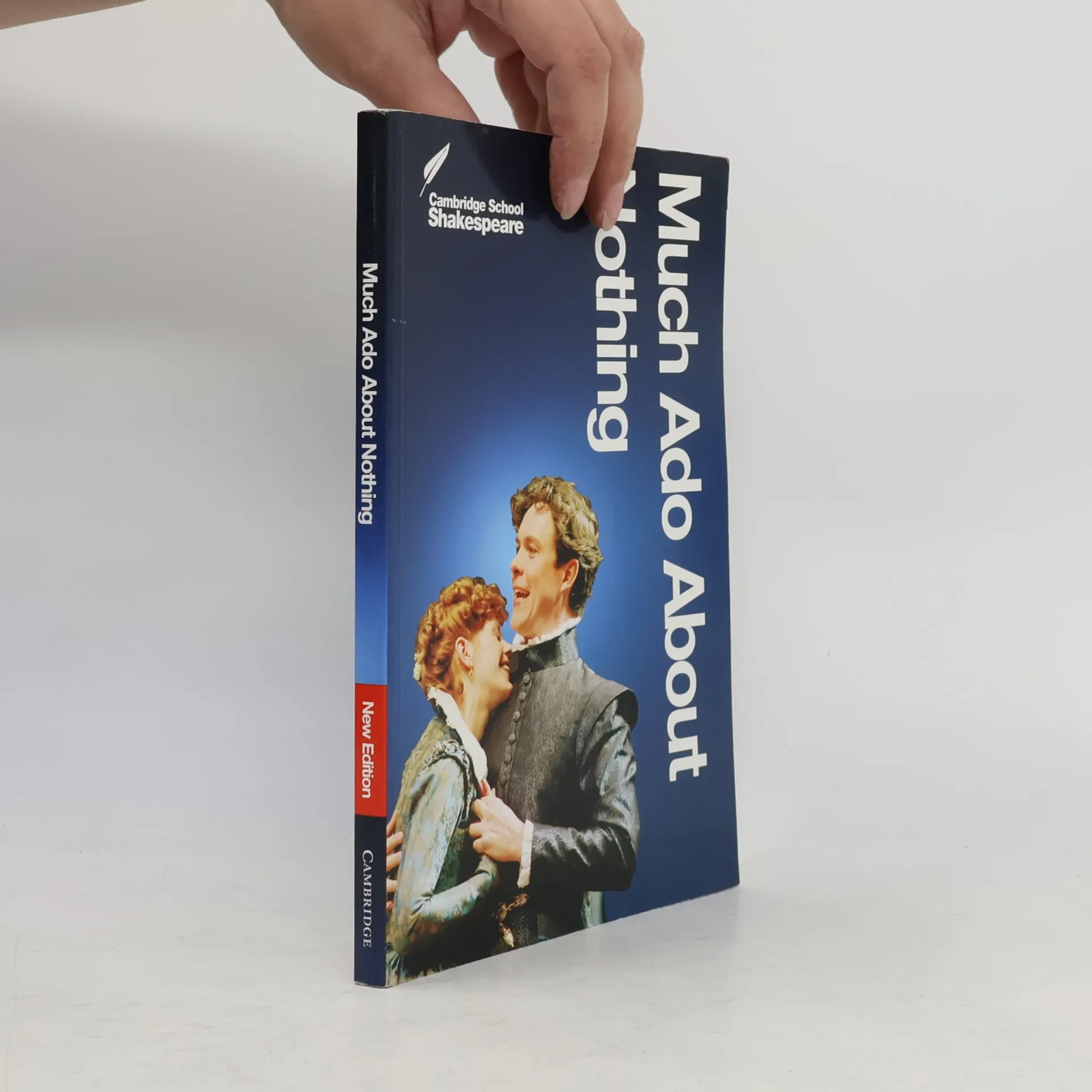
This edition of Much Ado About Nothing is part of the groundbreaking Cambridge School Shakespeare series established by Rex Gibson. Remaining faithful to the series' active approach it treats the play as a script to be acted, explored and enjoyed. As well as the complete script of the play, you will find a variety of classroom-tested activities, an eight-page colour section and a selection of notes including information on characters, performance, history and language.
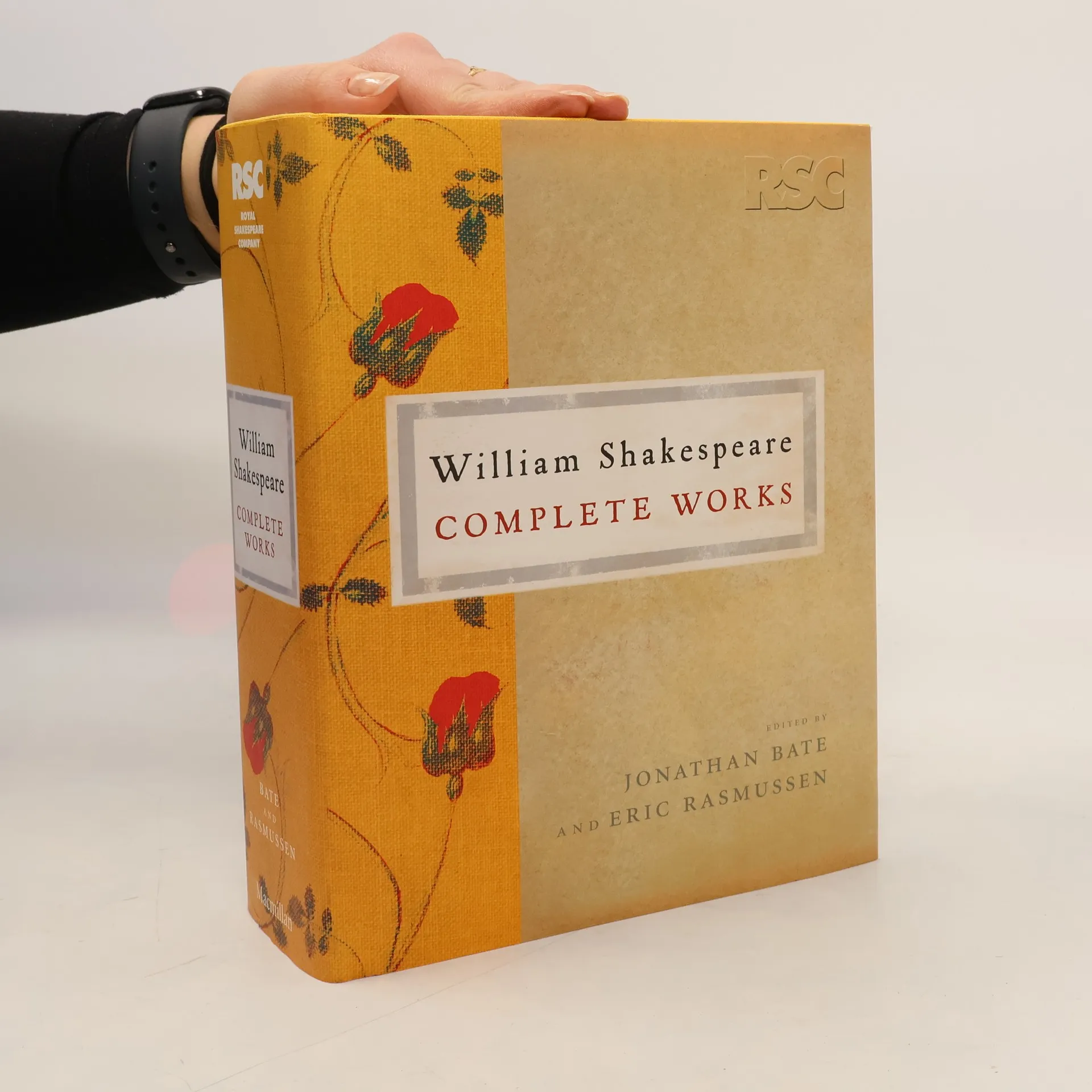
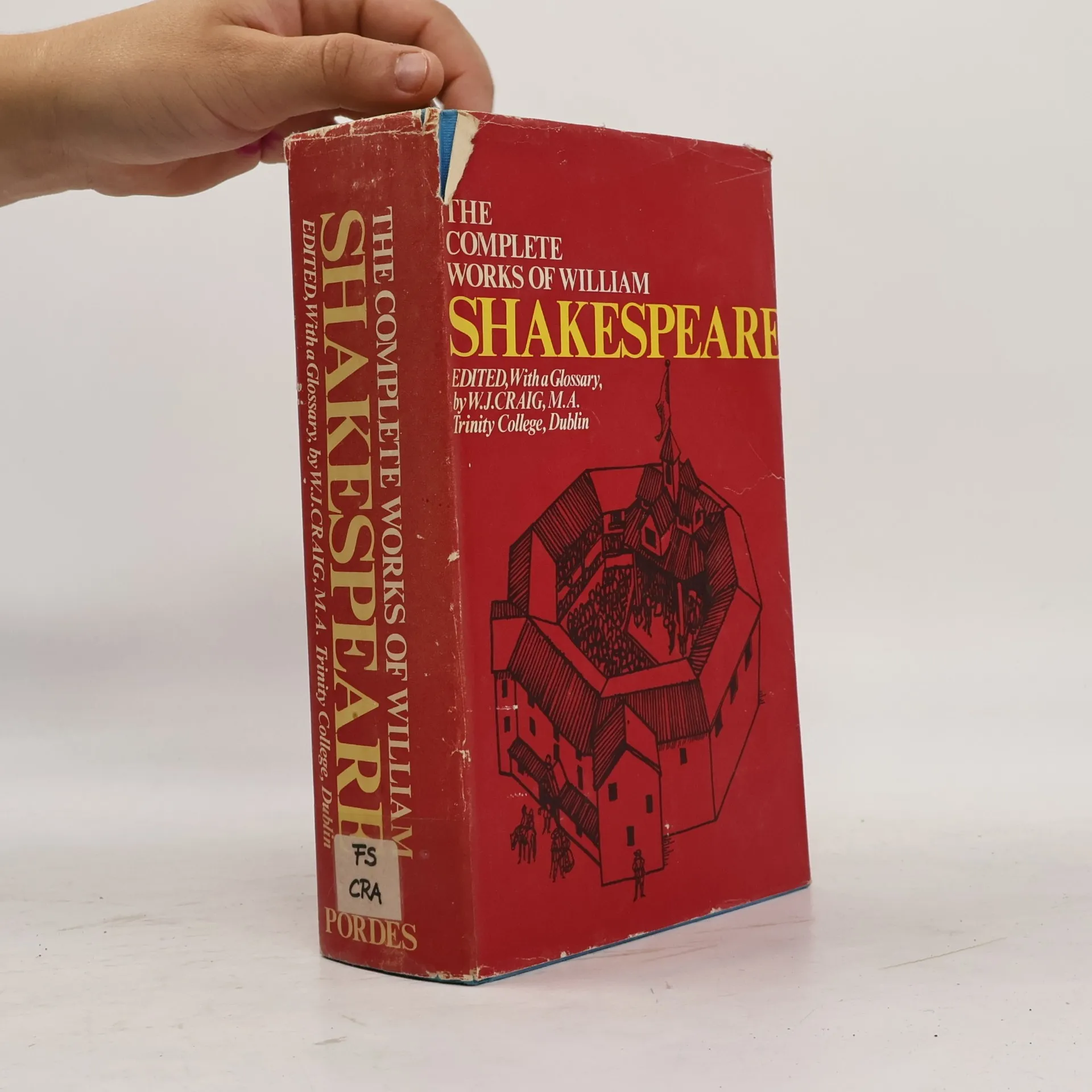
Tempest Two Gentlemen of Verona Merry Wives of Windsor Measure for Measure Comedy of Errors Much Ado About Nothing Love's Labour's Lost Midsummer Night's Dream Merchant of Venice As You Like It Taming of the Shrew All's Well That Ends Well Twelfth Night Winter's Tale King John King Richard II King Henry IV. Part 1 King Henry IV. Part 2 King Henry V King Henry VI. Part 1 King Henry VI. Part 2 King Henry VI. Part 3 King Richard III King Henry VIII Troilus and Cressida Coriolanus Titus Andronicus Romeo and Juliet Timon of Athens Julius Caesar Macbeth Hamlet King Lear Othello Anthony and Cleopatra Cymbeline Pericles Venus and Adonis Rape of Lucrece Sonnets Lover's Complaint Passionate Pilgrim Sonnets to Sundry Notes of Music Phoenix and the Turtle