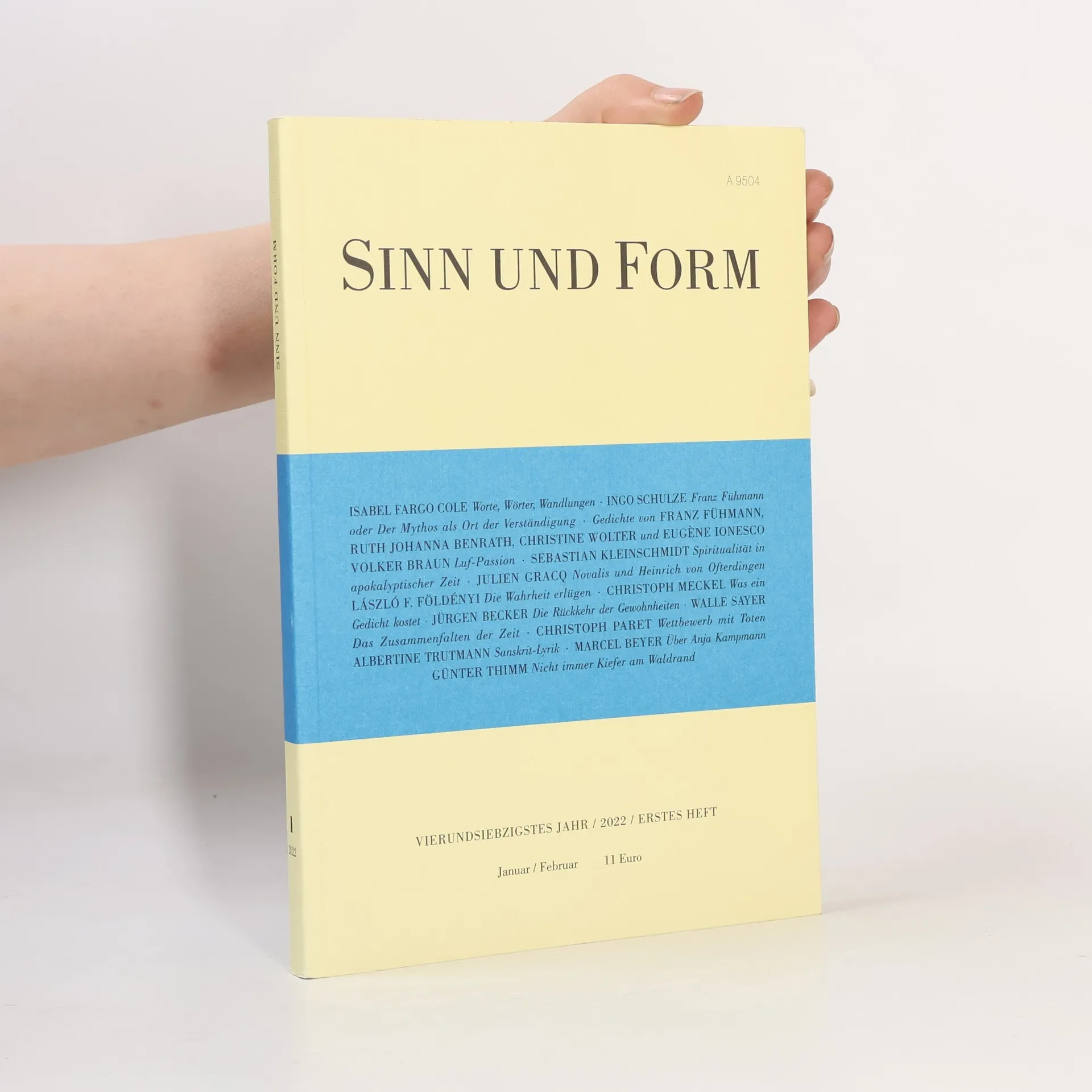
Sinn und Form
- 140 pages
- 5 hours of reading


Jeremy Adler primarily explores language and its visual and poetic qualities in his work. His writing delves into how words and texts can be not only read but also seen, and how this visual dimension enriches their literary significance. Adler frequently bridges traditional literary forms with contemporary approaches, revealing new layers of meaning for the reader. His own poetry is characterized by a playful engagement with language and a profound contemplation of its essence.


Die Erfindung der Moderne
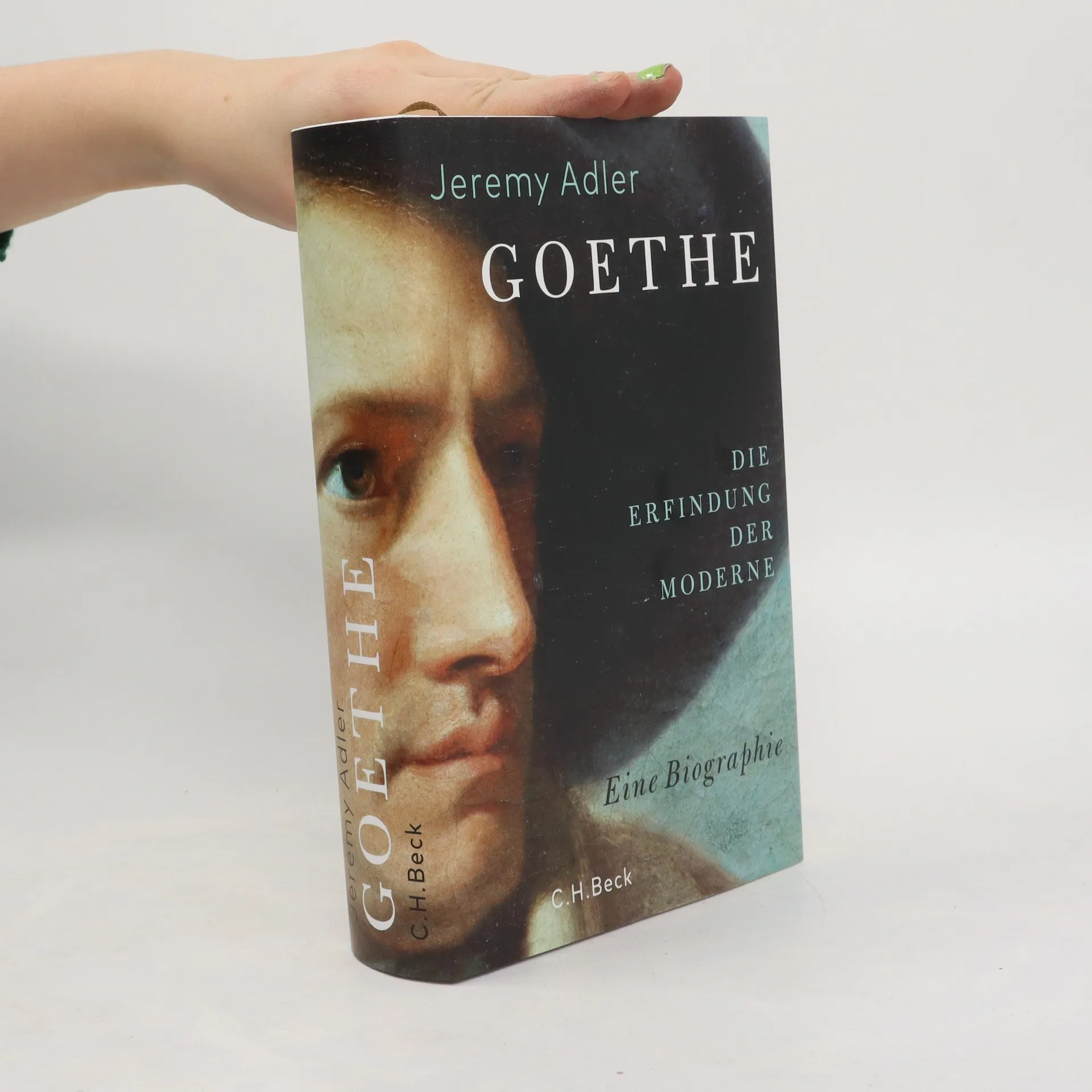
Johann Wolfgang von Goethe wurde oft der letzte Renaissance-Mensch genannt, wegen der unglaublichen Vielseitigkeit seiner Begabungen und Tätigkeiten. Der renommierte Germanist Jeremy Adler zeigt in dieser neuen Biographie, dass Goethe mit gleichem Recht als Erfinder der Moderne gelten kann, der vieles vorwegnahm, was in den letzten beiden Jahrhunderten auf den unterschiedlichsten Gebieten gedichtet und gedacht wurde. 0So macht Adler deutlich, was Goethes Sturm-und-Drang-Drama "Götz von Berlichingen" mit Tschechow und Ibsen zu tun hat, der "Werther" mit Flaubert und Proust oder die "Wahlverwandtschaften" mit der modernen Soziologie. Gleichwohl war Goethe nicht das einsame Genie, das allein aus sich heraus Neues schuf. Jeremy Adler zeigt ihn in seinen zeitgenössischen Kontexten, die halb Europa umspannten, und erzählt von Goethes Begegnungen mit den Großen seiner Zeit, von Schiller bis Napoleon. Auf diese Weise gewinnt er frische Perspektiven auf Goethes wichtigste Werke, die Ereignisse seines Lebens, sein naturwissenschaftliches Denken und sein politisches Wirken. Und wir begreifen, warum Goethe zu lesen noch immer so aufregend sein kann
Franz Baermann Steiner served as a crucial bridge between Central Europe's intellectual culture and the Oxford Institute of Anthropology during the post-Second World War era. His contributions played a significant role in shaping anthropological discourse and fostering cross-cultural understanding in a time of great upheaval.
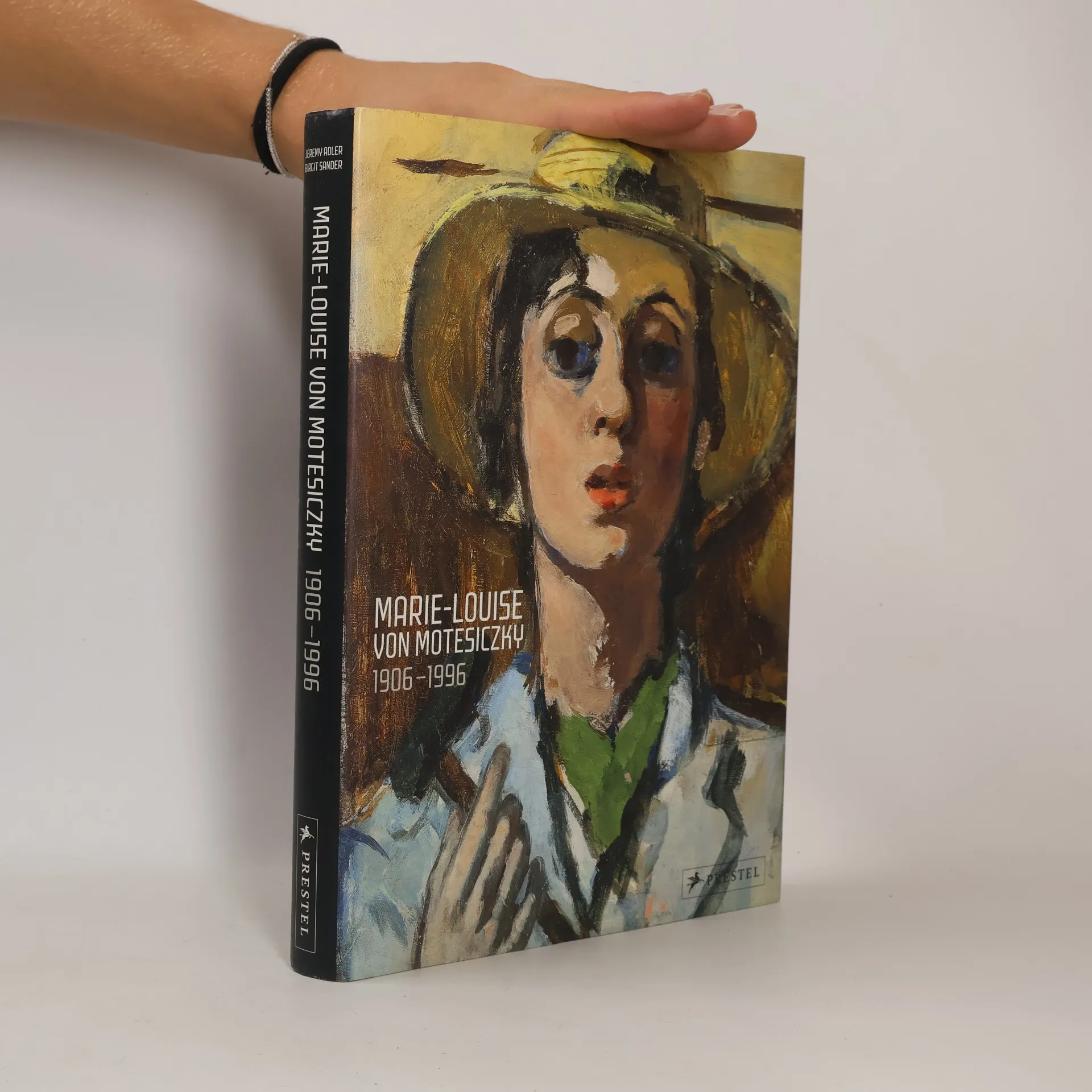
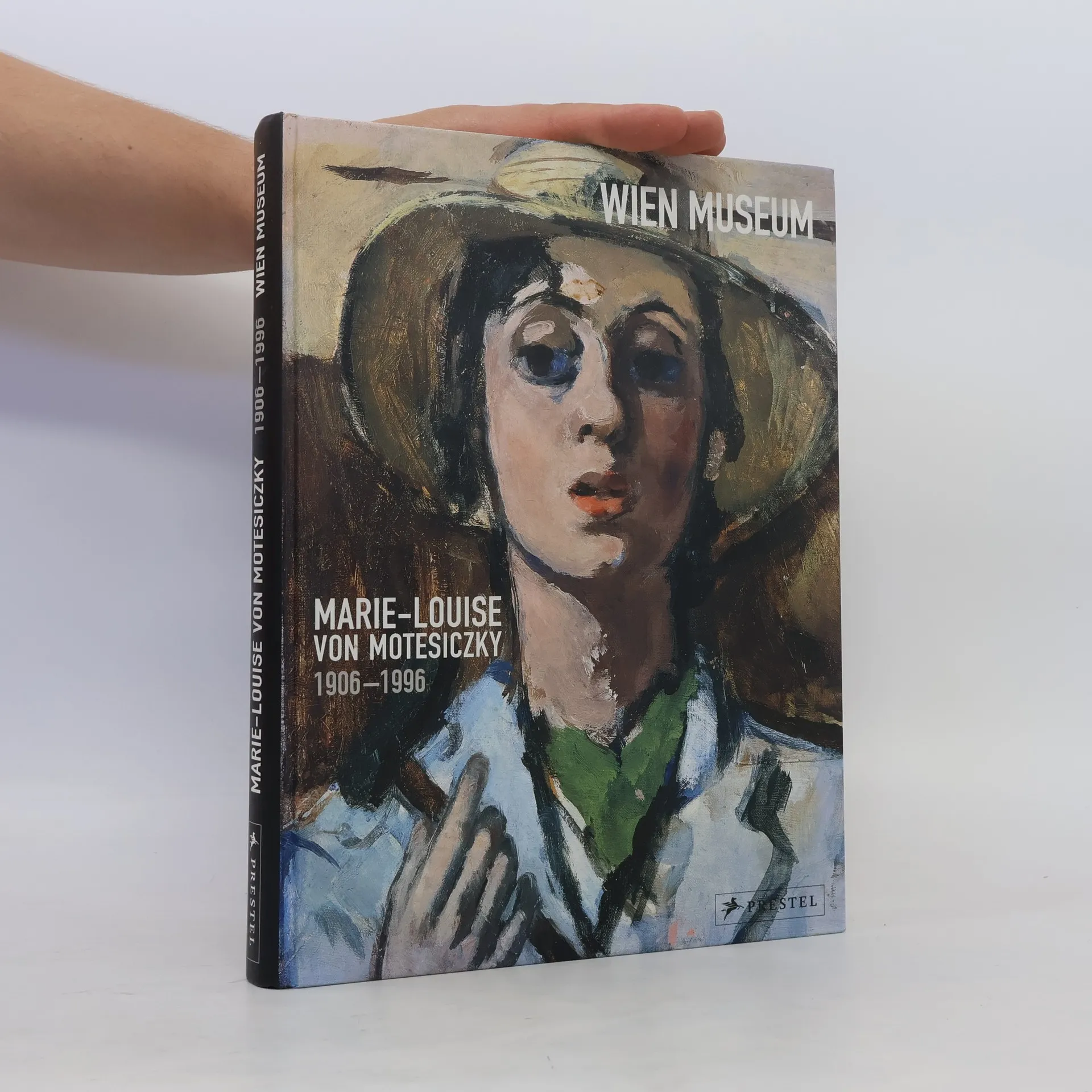
With a representative selection of paintings and sketches from the artist, whose connection with Max Beckman, Oskar Kokoschka and Elias Canetti was a source of great inspiration, this book offers for the first time an educated interpretation of Motesiczky's work. Essays about her life and her accomplishments written by leading Motesiczky scholars, paint a fascinating overall picture of this 20th century artist,who is still left to be discovered.
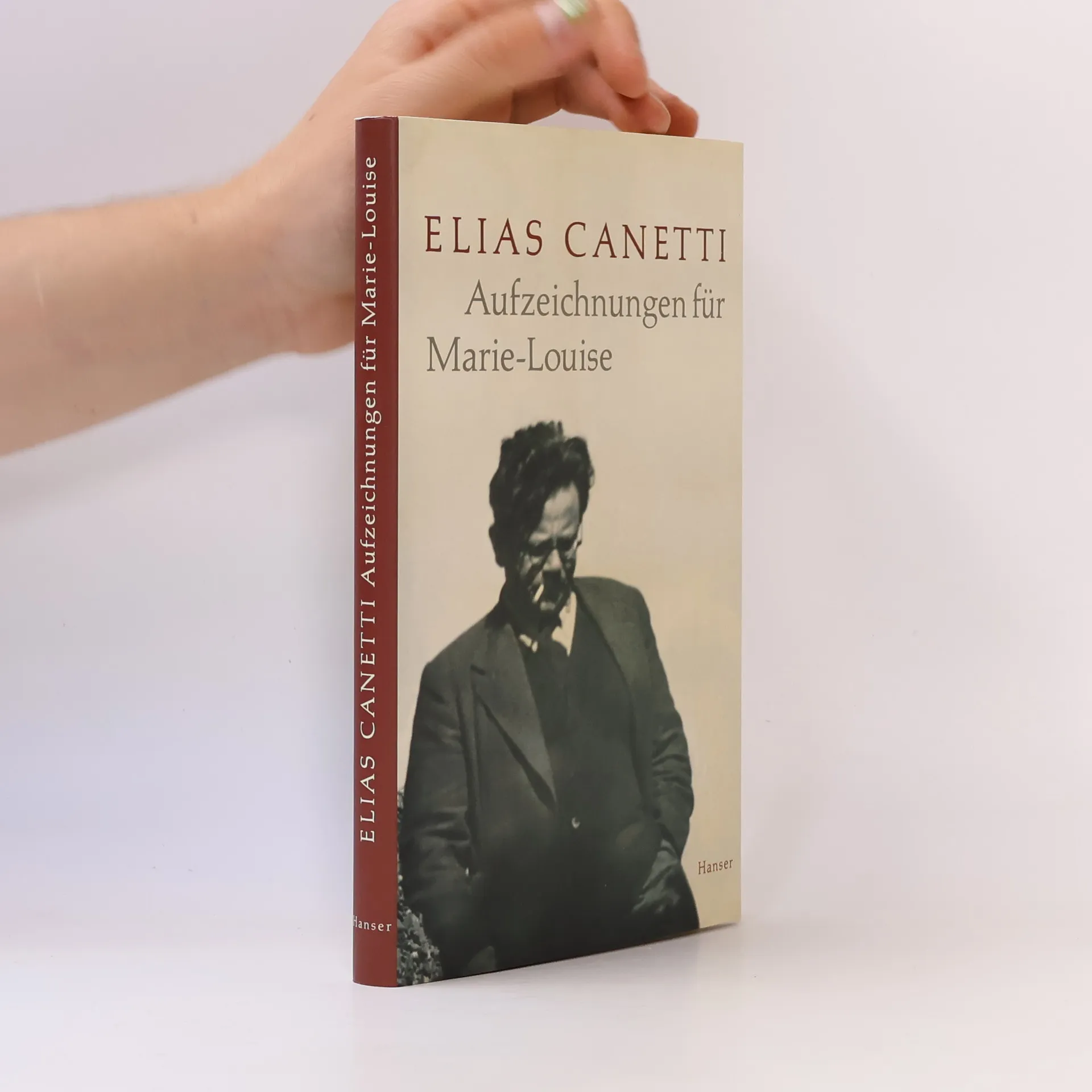
Canettis Aufzeichnungen, die 1942 im englischen Exil entstanden sind, behandeln bereits seine zentralen Themen Sprache, Tod, Zeit und Utopie und sind der Malerin Marie-Louise von Motesiczky gewidmet. Der Dichter und die Malerin hatten seit 1939/1940 eine Liebesbeziehung, die von der unerfüllten Hoffnung Marie-Louises auf eine Ehe mit Canetti geprägt war und bis zu Canettis Tod 1994 bestand.§Ergänzt wird das ungewöhnliche Hörstück durch ein Gespräch mit Marie-Louise von Motesiczky, die u. a. über ihren Weg zur Kunst und das schwierige Verhältnis zu Elias Canetti erzählt.
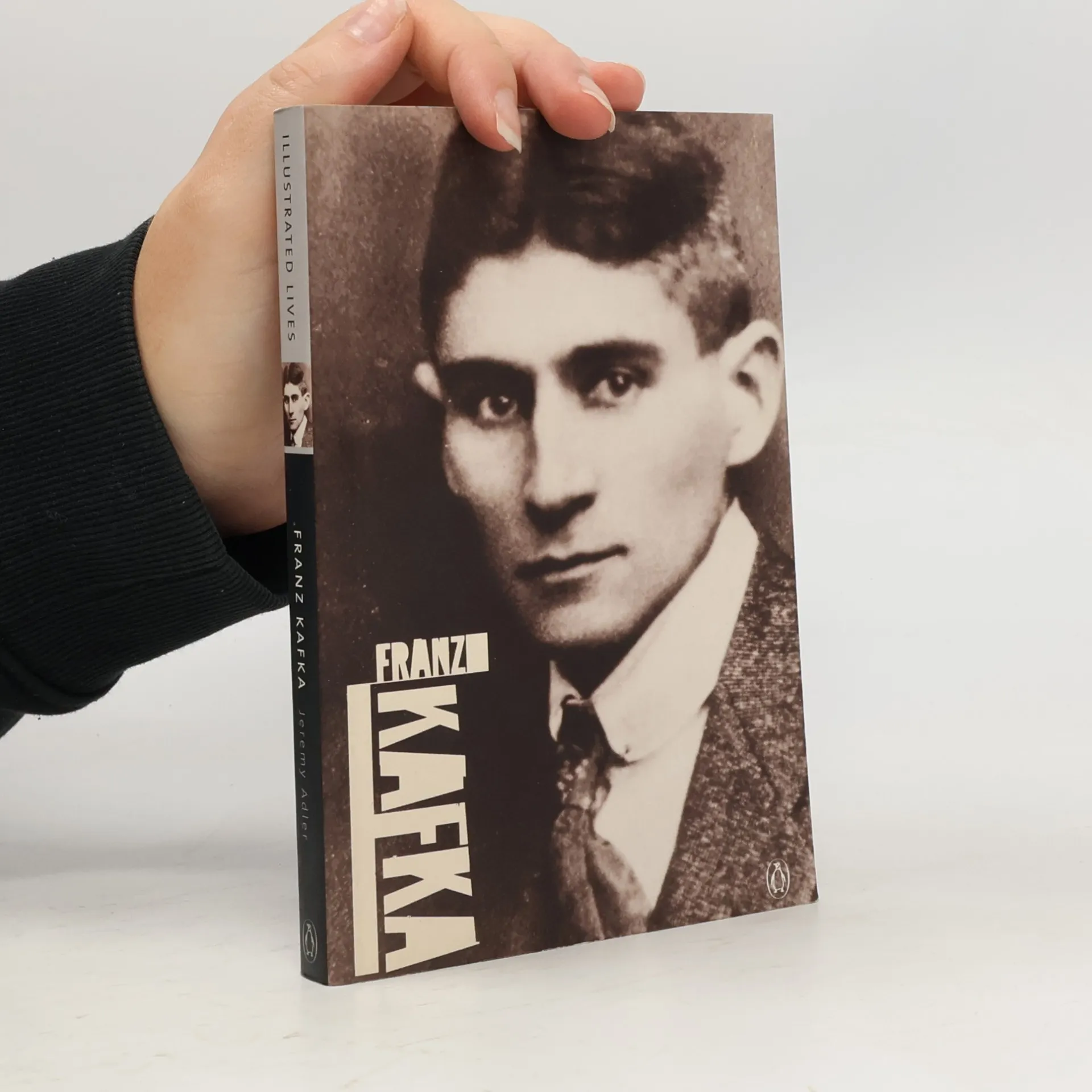
The very name of Franz Kafka is synonymous with a nightmare vision of the modern world in which the individual is in a perpetual state of struggle. Some critics believe his greatest influence was his father, a demonic man who called Franz an 'insect'; others believe it was the political climate of fin de siecle Prague. PENGUIN ILLUSTRATED LIVES is a new series of photographic biographies that allows you to step into the world of your favourite writers. Each book contains a brief text (15,000words), integrated with over 100 images, many in colour, allowing an immediate, intimate understanding of their their family, friends, home and their work. Also included are particular visual treats such as first-edition covers, letters etc..
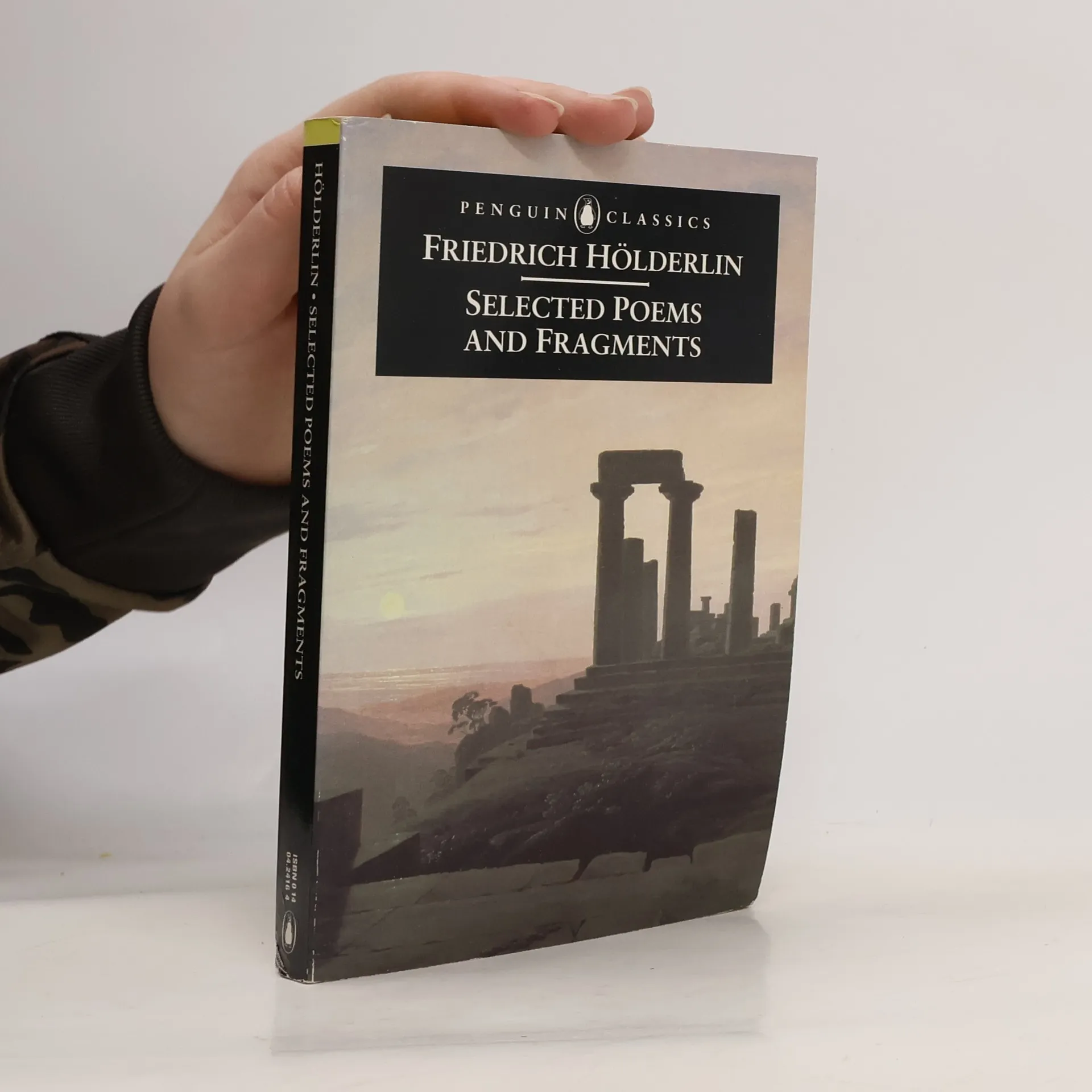
Friedrich Holderlin is recognized as one of Europe's supreme poets. Together the works collected here show Holderlin's use of Classical and Christian imagery and his exploration of cosmology and history in an attempt to find meaning in an uncertain world.
Goethes "Wahlverwandtschaften" und die Chemie seiner Zeit
German