
Explore the latest books of this year!
Bookbot

Jan Herman Brinks

    January 1, 1987
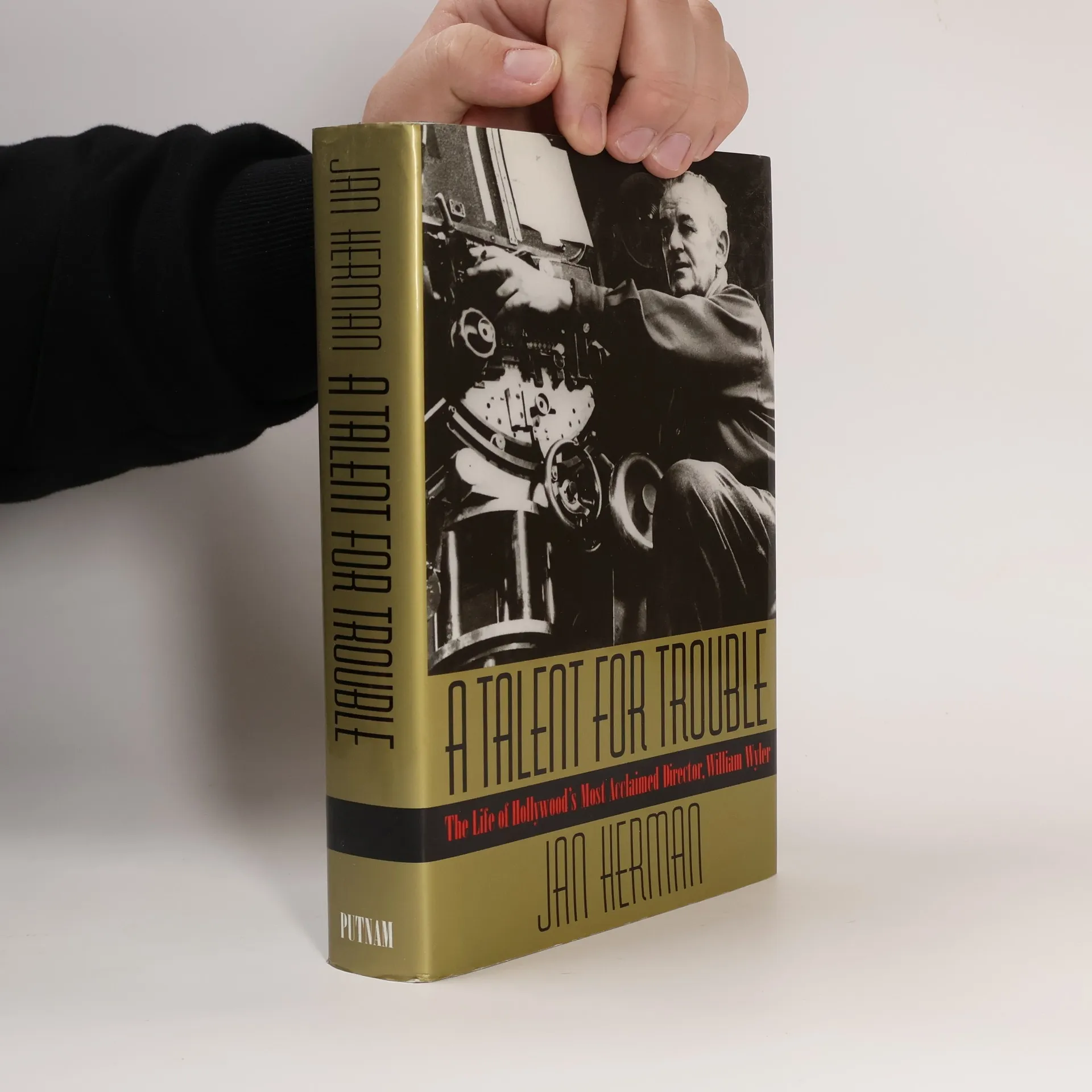
    A Talent for Trouble
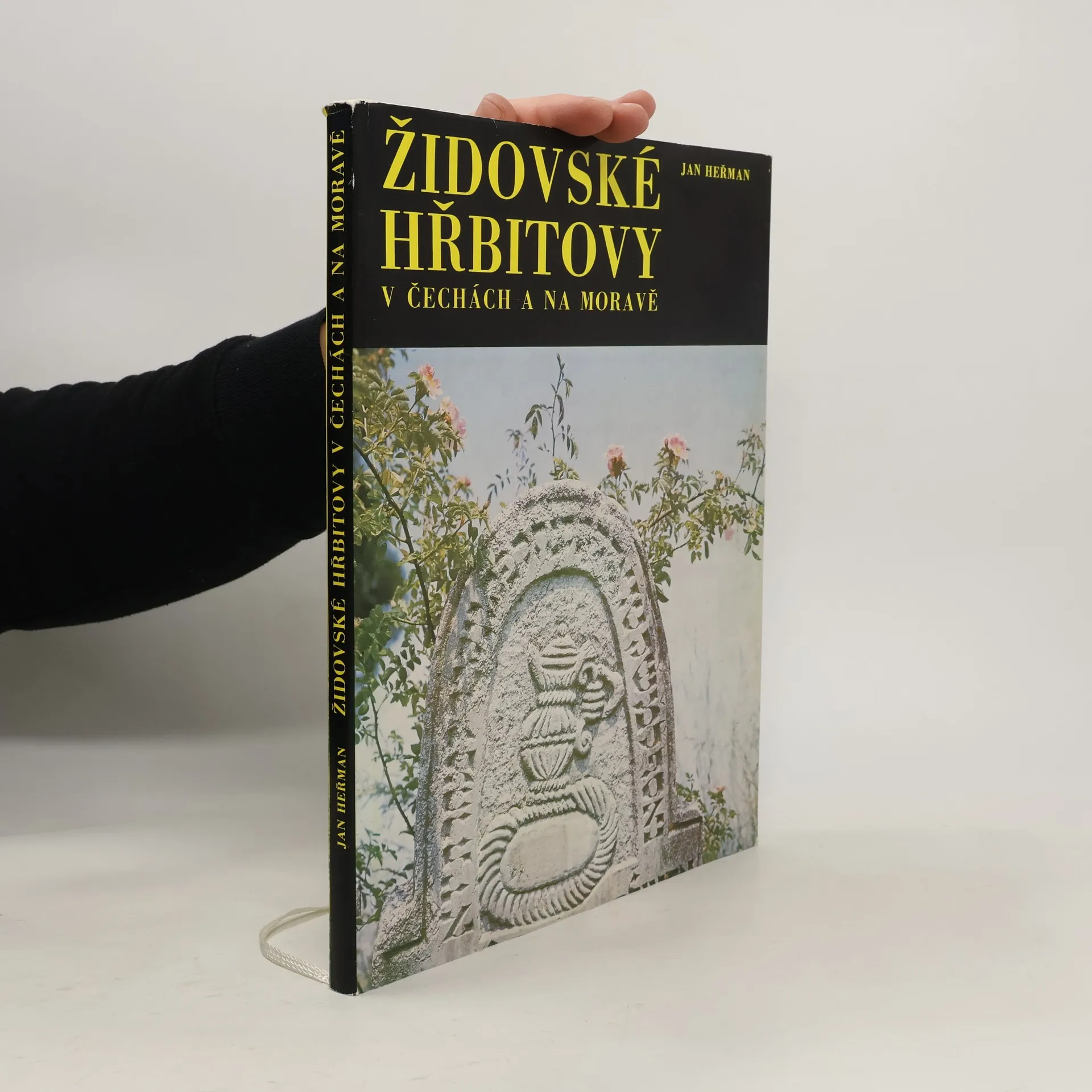
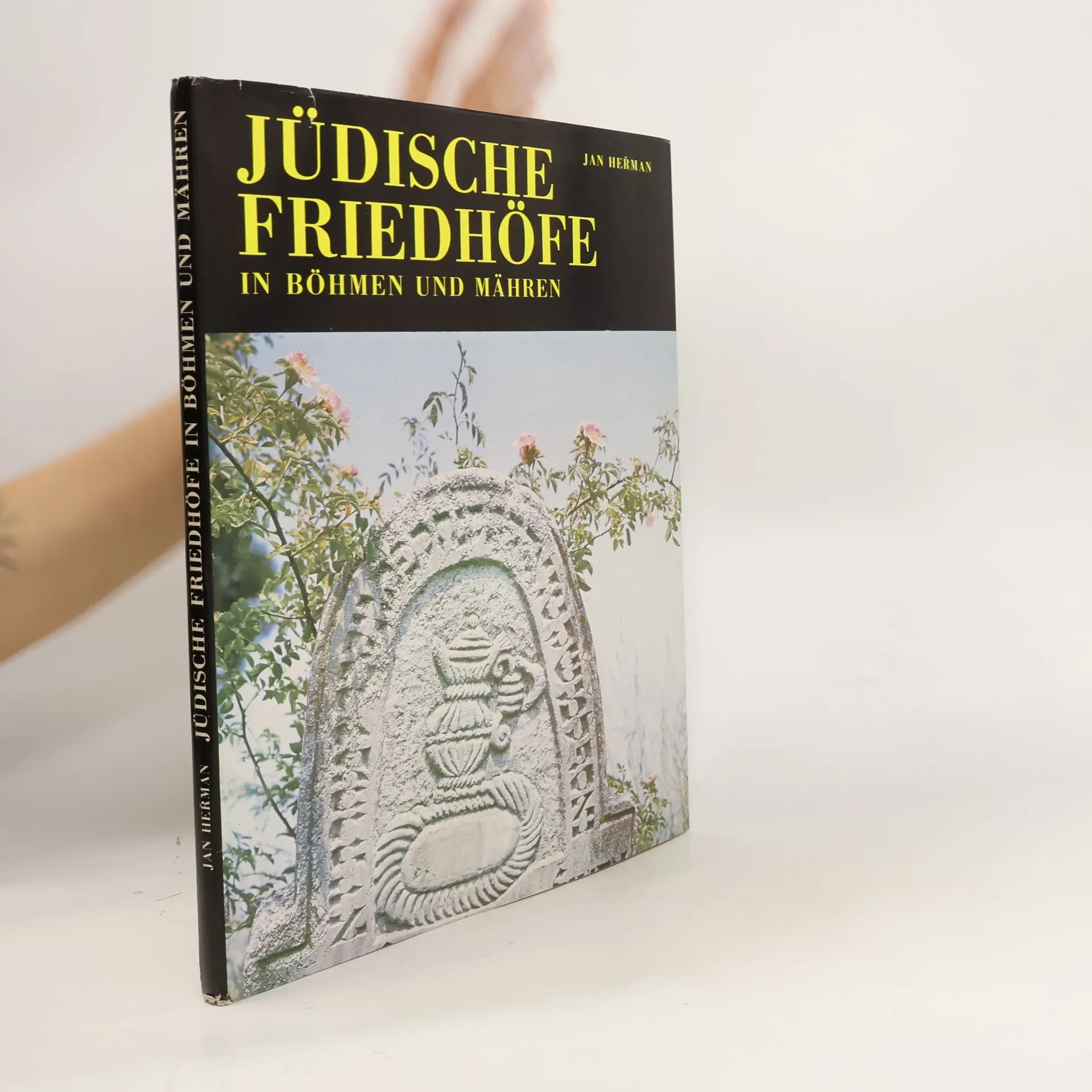
    Jewish Cemeteries in Bohemia and Moravia
    My GRUB STREET
    Shadow Words
    All That Would Ever After Not Be Said
    Children of a New Fatherland
    • This is a study of the growth of the right wing in a reunited Germany. Since the end of the Cold War, an explosion of xenophobia and attacks on foreigners - some of them asylum-seekers - has attracted world-wide media attention. Coming after the seemingly miraculous celebration of freedom accompanying the fall of the Berlin Wall and the country's reunification, these events have caused acute anxiety within Germany itself. These phenomena are not exclusive to Germany, but their undertones of Nazism have prompted the question: how could this happen in a country that had so firmly repudiated its past and rightly prided itself on its anti-fascism and liberal democracy? The author sets this development in its historical context, showing the long-established continuity of right-wing influence and power in German conservative politics, and he explores the effects of the end of the Cold War on German society and politics. He also examines the growth of xenophobia and right-wing attitudes in the former GDR since the implosion of communism. Germany's current position as a regional super-power and its contribution to European economic progress, make this text a significant and topical contribution.

      Children of a New Fatherland
    • All That Would Ever After Not Be Said

      • 154 pages
      • 6 hours of reading

      The collection features sonnets that evoke deep emotional resonance, likened to "dark diamonds" for their richness and complexity. These poems aim to enhance perception and evoke a sensory experience, appealing to the intellect and emotions alike. David Erdos praises their ability to restore a sense of appreciation for language and art, suggesting that they resonate with the timeless qualities found in the works of Blake.

      All That Would Ever After Not Be Said
    • Shadow Words

      A Selection of Deformed Sonnets

      • 102 pages
      • 4 hours of reading

      The collection features free sonnets that capture profound experiences, evoking a sense of taste and perception. Each poem serves as a sensory exploration, inviting readers to savor the emotions conveyed. With rich imagery and depth, these works are described as "dark diamonds," suggesting a blend of beauty and complexity that resonates deeply, aiming to elevate the reader's awareness and appreciation of life.

      Shadow Words
    • My GRUB STREET

      • 76 pages
      • 3 hours of reading

      The collection features a series of late 20th-century stories aimed at future dissidents, exploring themes of rebellion and survival. Each tale, such as "Bad Boy" and "Exit From Fleet Street," delves into the complexities of human experience in challenging environments. The anthology also includes a biographical note about the author, providing insight into their perspective and inspiration. These narratives invite readers to reflect on societal issues and the resilience of the human spirit.

      My GRUB STREET
    • A Talent for Trouble

      The Life of Hollywood's Most Acclaimed Director, William Wyler

      • 517 pages
      • 19 hours of reading

      William Wyler was Laurence Olivier's mentor, the love of Bette Davis's life, John Huston's best friend, Audrey Hepburn's discoverer and Barbra Streisand's father figure - and much more. His major motion pictures were touchstones for an entire generation. He made thirty-two of them (and as many silents), including Jezebel, Wuthering Heights, The Letter, The Little Foxes, Mrs. Miniver, The Best Years of Our Lives, Roman Holiday, The Heiress, Ben-Hur and Funny Girl. Wyler's pictures won thirty-eight Academy Awards in all, twice as many as any other director's. Their 127 Oscar nominations - half of them in best picture, director and acting categories - are not remotely approached by the closest competition. Wyler also guided more actors to Academy Awards than anyone - thirteen of thirty-five nominations. And he himself won three Oscars of twelve nominations, in addition to Hollywood's most prestigious prizes, the Irving G. Thalberg Award, the D. W. Griffith Award and the American Film Institute Life Achievement Award. A Talent for Trouble was written with the cooperation of the Wyler family, who provided access to William Wyler's previously undiscovered private papers. The book is based also on the author's extensive research and interviews with more than a hundred of Wyler's stars, professional associates and friends.
      A Talent for Trouble
    • Kleine Tiere

      29 missgestaltete Sonette

      In seinen Anmerkungen zu »Kleine Tiere. 29 missgestaltete Sonette« schreibt Jan Herman: »Große Schönheit aus großer Verzweiflung beugt den Geist. Das ist das Ziel eines jeden Dichters.« Er hat seine Sonette »verschorfte Wunden« genannt. Sie sind die seltenen weltlichen Güter des Dichters, die persönliche Gespenster auf der Seite zum Leben erwecken. Der Literaturkritiker David Erdos nannte sie »Tränen für die Zunge« und »dunkle Diamanten«, »Sonette der Erfahrung, die sogar [William] Blake gefallen würden.« (MÜ Magazine, London). Sie necken manchmal mit Humor und halten die Aufmerksamkeit oft mit dem Versprechen eines Ziels, eines zweifelhaften Abenteuers oder einer obszönen Geschichtsstunde. Und natürlich erhebt die Sterblichkeit mehr als einmal ihr wissendes Haupt: »Sollen wir jetzt weinen / um die Sonne / zurückzulassen, / mit leichtem Bleistift geschrieben?«

      Kleine Tiere