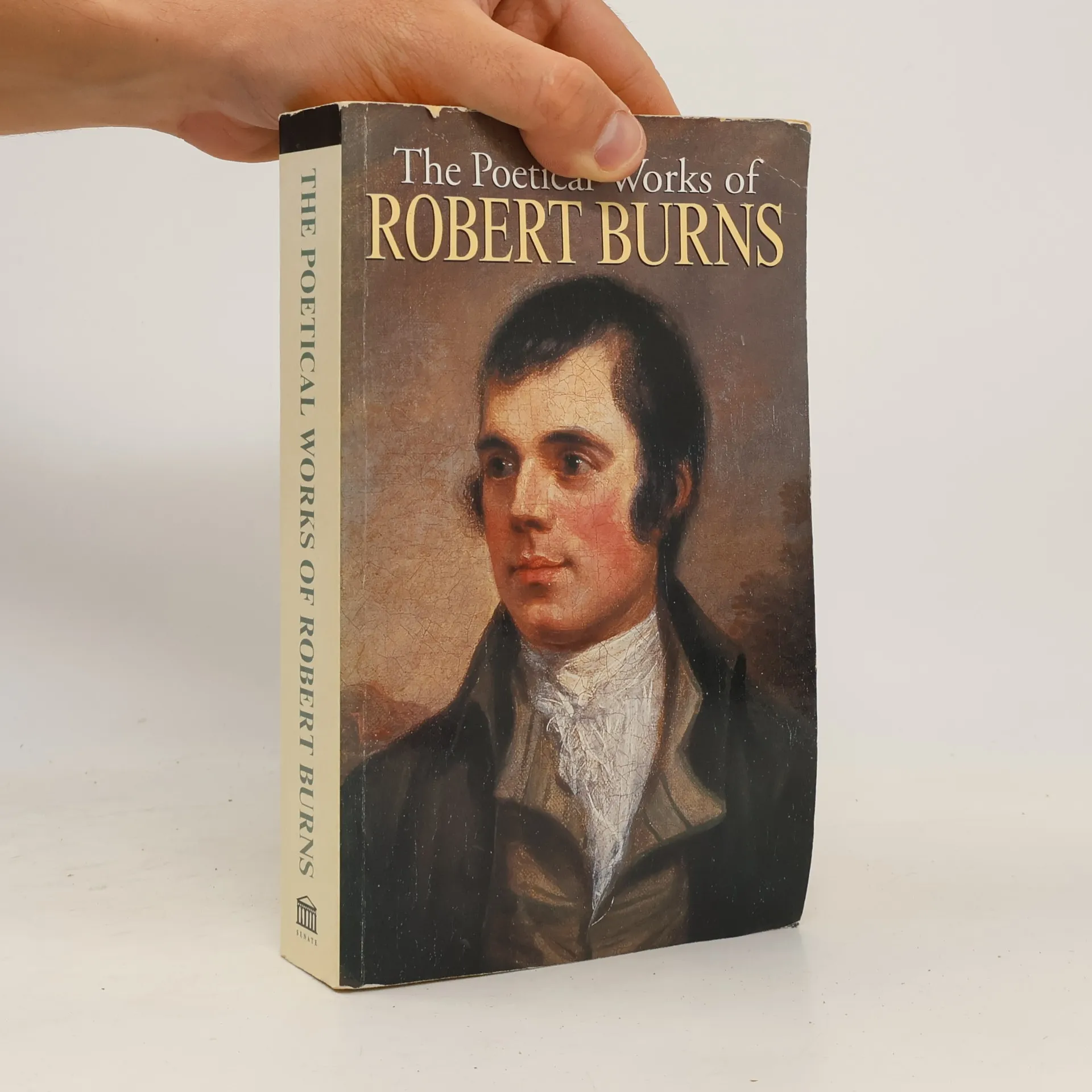
Robert Burns is celebrated worldwide as Scotland's national poet, renowned for his poetry and lyrics written in Scots and accessible English. A key figure of the Romantic movement, his work profoundly inspired the founders of liberalism and socialism. Beyond his original compositions, Burns significantly contributed to preserving Scottish folk songs, often adapting them. His enduring influence on Scottish literature and culture remains a powerful legacy.
This reprint of a historical book originally published in 1859 aims to preserve and provide access to classic literature. The publishing house, Anatiposi, focuses on reprinting older works, which may exhibit missing pages or lower quality due to their age. Their mission is to ensure that these historical texts remain available to the public, preventing them from fading into obscurity.
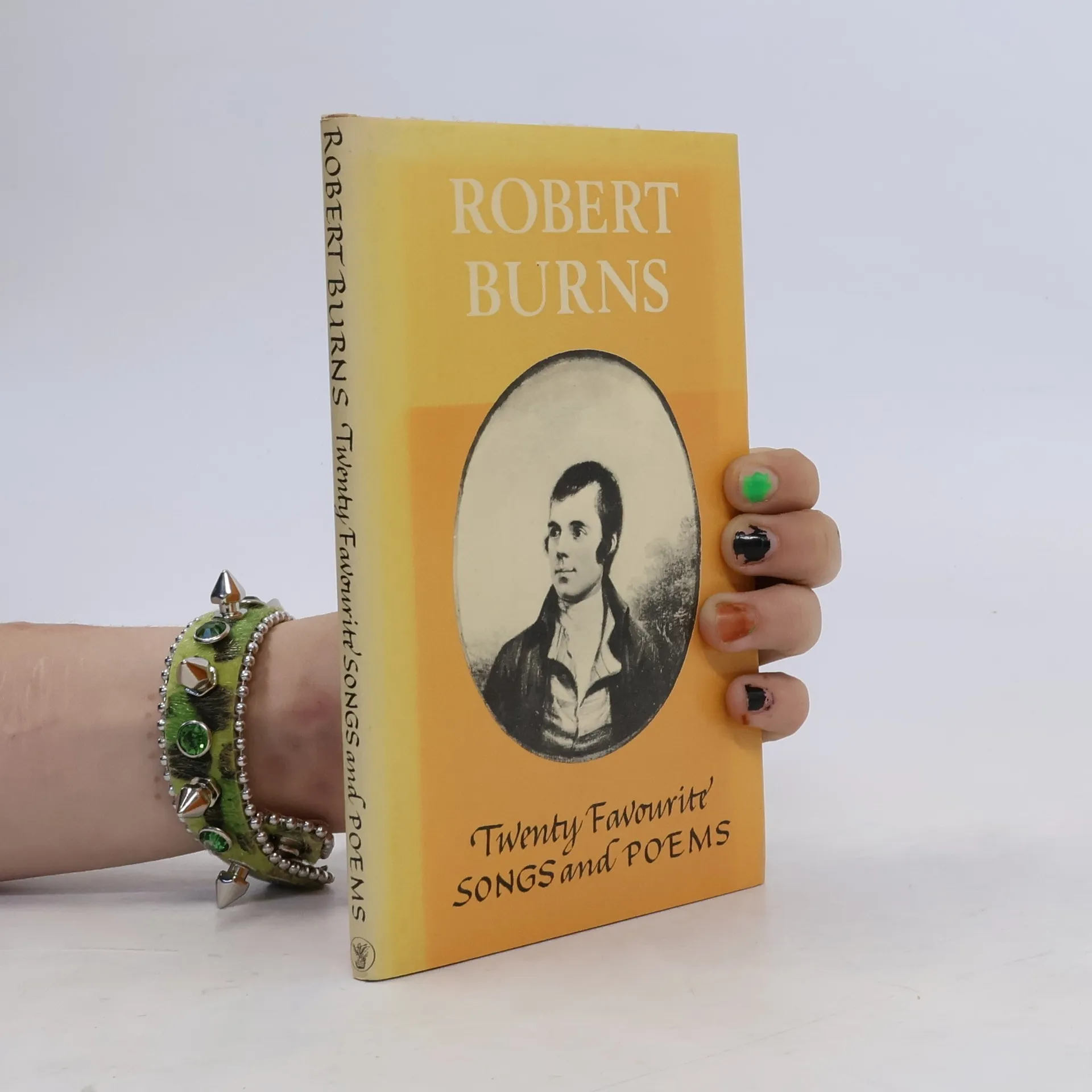
A unique presentation by the calligrapher Tom Gourdie of a selection of Burns' best-loved works. It aims to reflects a delight in life, nature and people which was always the substance of Burns' poems.
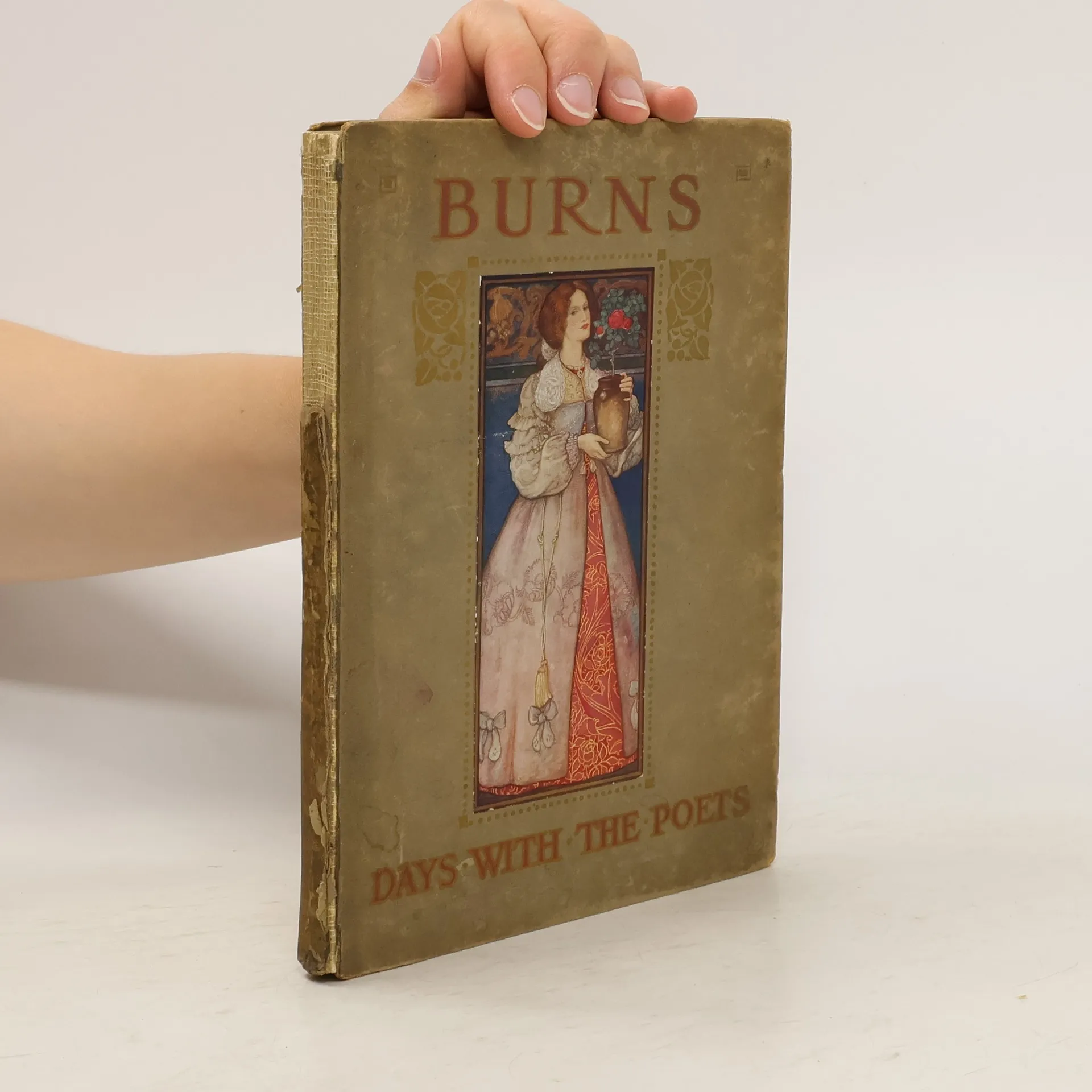
Robert 'Rabbie' Burns, Scotland's National Bard, authored over 700 poems and gathered numerous traditional Scottish folk songs. His generosity and humanity shine through in his famous poem 'Auld Lang Syne,' celebrated worldwide as a symbol of friendship and reconciliation at midnight on New Year's Eve. The 25th of January is a special day for the Scottish diaspora, who honor Burns with exuberant suppers. However, his work transcends these occasions. This lively collection presents daily extracts from his poems and songs, each aligned with the calendar, reflecting the seasons and connecting past and present. It highlights significant moments in Burns's life as a romantic, radical poet dedicated to improving the world. The editor's introductions provide fresh insights into Burns's work in both Scots and English, demonstrating the enduring relevance of his values and aspirations to Scottish culture, even over 200 years later. Authentic, democratic, and thought-provoking, Burns's poetry offers something for everyone. Celebrated through banknotes and statues, this collection features both beloved classics and lesser-known gems, ensuring daily engagement with his wit, wisdom, love, and friendship throughout the year.
Robert Burns (1759-96) was born into a farming family in Ayrshire, Scotland. The publication in 1786 of his first book, Poems, Chiefly in the Scottish dialect, made him famous overnight, and saw him feted by Edinburgh society. But Burns made no money from his writing and quickly fell on hard times, returning to farming in Dumfries and, when that failed, to work as an excise officer. He devoted his final years to poetry and the writing of Scottish songs.
The Scottish poet Robert Burns has been idolised and eulogised. He has been sainted, painted, tarted up and toasted. He is famous as the author of 'Auld Lang Syne', and he has long since become the patron saint of the heart-sore and the hung-over.
This work has been selected by scholars as being culturally important, and is part of the knowledge base of civilization as we know it. This work was reproduced from the original artifact, and remains as true to the original work as possible. Therefore, you will see the original copyright references, library stamps (as most of these works have been housed in our most important libraries around the world), and other notations in the work.This work is in the public domain in the United States of America, and possibly other nations. Within the United States, you may freely copy and distribute this work, as no entity (individual or corporate) has a copyright on the body of the work.As a reproduction of a historical artifact, this work may contain missing or blurred pages, poor pictures, errant marks, etc. Scholars believe, and we concur, that this work is important enough to be preserved, reproduced, and made generally available to the public. We appreciate your support of the preservation process, and thank you for being an important part of keeping this knowledge alive and relevant.
This work has been selected by scholars as being culturally important, and is part of the knowledge base of civilization as we know it. This work was reproduced from the original artifact, and remains as true to the original work as possible. Therefore, you will see the original copyright references, library stamps (as most of these works have been housed in our most important libraries around the world), and other notations in the work.This work is in the public domain in the United States of America, and possibly other nations. Within the United States, you may freely copy and distribute this work, as no entity (individual or corporate) has a copyright on the body of the work.As a reproduction of a historical artifact, this work may contain missing or blurred pages, poor pictures, errant marks, etc. Scholars believe, and we concur, that this work is important enough to be preserved, reproduced, and made generally available to the public. We appreciate your support of the preservation process, and thank you for being an important part of keeping this knowledge alive and relevant.
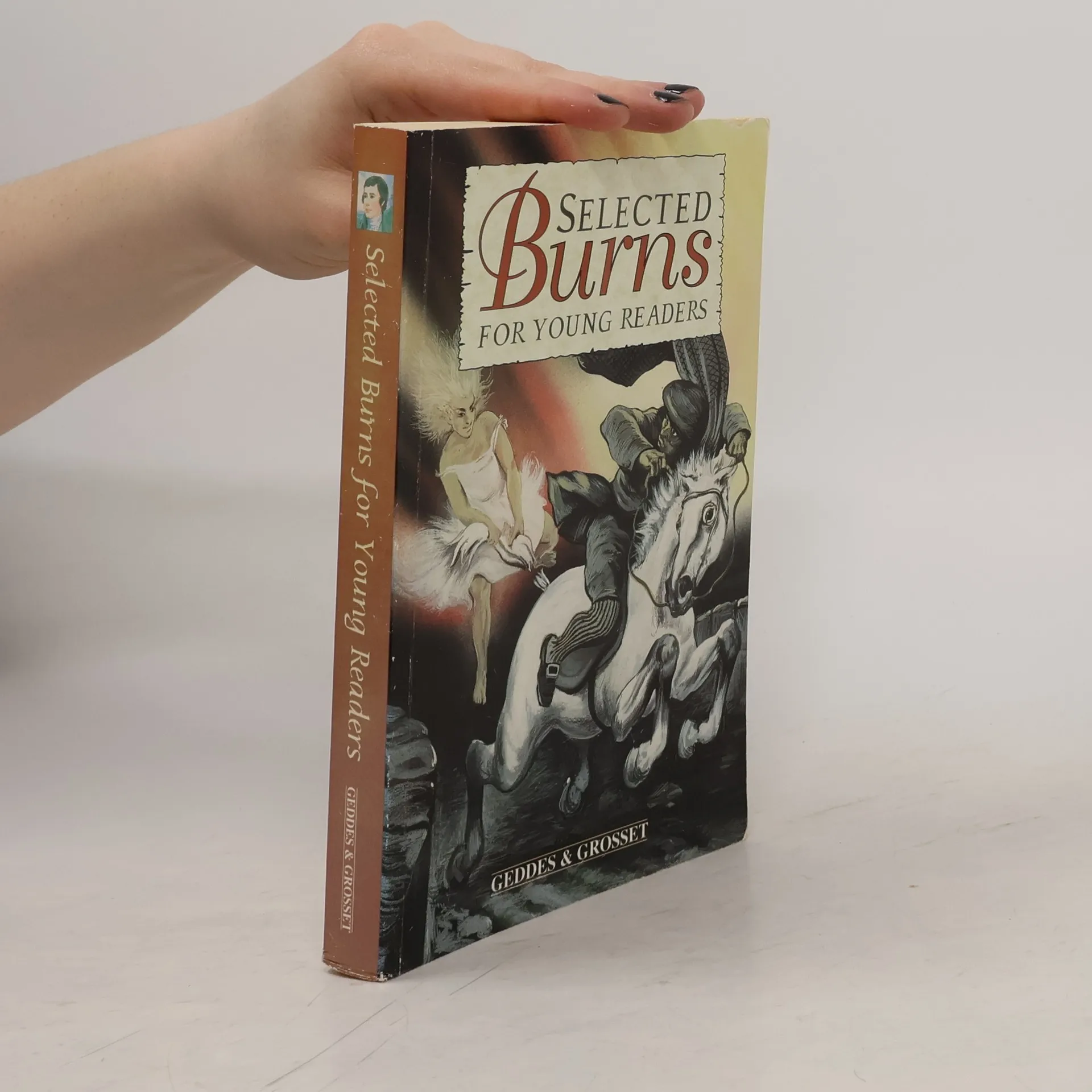
This selection gives equal weight to the two aspects of Robert Burns's reputation, as a lyricist and as a much-loved Scottish poet. Placing works in probable order of composition, it includes lyrics to his most well known songs, such as the nostalgic Auld Lang Syne, the romantic A Red, Red Rose, and the patriotic Scots What Hae. As a poet, Burns wrote with deceptive simplicity and imaginative sympathy, and demonstrated enormous range - from comic dramatic monologues such as Holy Willie's Prayer, which mocks hypocrisy, to narratives including the celebrated Tam O' Shanter, about the ghostly visions of a drunk.
Found in this volume are the best of the poetical works of the Scottish poet, Robert Burns. The poems are reprinted from the best editions, and includes explanatory glossary notes. Also presented in this book is a memoir of Robert Burns, giving a biographical sketch of this renowned poet. Illustrated.
A collection of poetry by notable Scottish writers James Hogg, Robert Burns, and William Motherwell. The works explore themes such as nature, love, and Scottish folklore.
This book is a reproduction of a historical work, presented in large print to enhance accessibility for readers with impaired vision. Published by Megali, a publishing house dedicated to making historical texts more accessible, it aims to provide an easier reading experience while preserving the original content.
Culturally significant, this work has been preserved to reflect its original form, including copyright references and library stamps. Scholars recognize its importance in the knowledge base of civilization, making it a valuable resource for understanding historical contexts and perspectives. The reproduction aims to maintain authenticity, offering readers a glimpse into the past as it was originally presented.
Immunochemical techniques have been in use for many years with early examples of bacterial strain typing dating back to the 1940s. The basis for the science is the exquisite elegance of the mammalian immune system with its ability to recognize foreign proteins and to manufacture antibody m- ecules that strongly bind to the substances that elicited them. Not only are potentially harmful pathogens and toxins recognized by the immune system, but the system can be persuaded to manufacture antibodies to an astonishing array of substances. In the early days of this science, all antibodies for investigative work were produced by immunizing mammals with the substance of interest, followed by regular donor bleeds that yielded antisera. Serum produced in this way yields heterogenic populations of antibody molecules recognizing different epitopes on the target protein, which may be adequate for its intended p- poses, but can also cause problems of crossreactivity. In 1975, Kohler and Milstein reported that spleen cells from immune donor animals could be immortalized, cloned from single cells, and grown in continuous culture. This original work described the method for the production of monoclonal antibodies.
This enchanting collection of more than 80 poems captures the essence of the natural world, as seen through the eyes of Scotland's beloved bard. Each chapter explores a different aspect of nature - from wild, mossy mountains and glens to murmuring streams, the sorrowful song of the woodlark, and the ever-changing seasons. Burns's profound appreciation for the landscape of Scotland and its creatures shines through every verse, and this collection is a heartfelt love letter to his homeland. Whether you're a long-time admirer of Burns or discovering his work for the first time, Nature Poems will transport you to the heart of Scotland's natural splendour. Illustrated by local artist, The Ink Bothy, and compiled by Scottish resident and poet Robert Tuesley Anderson, this is a collection to treasure.
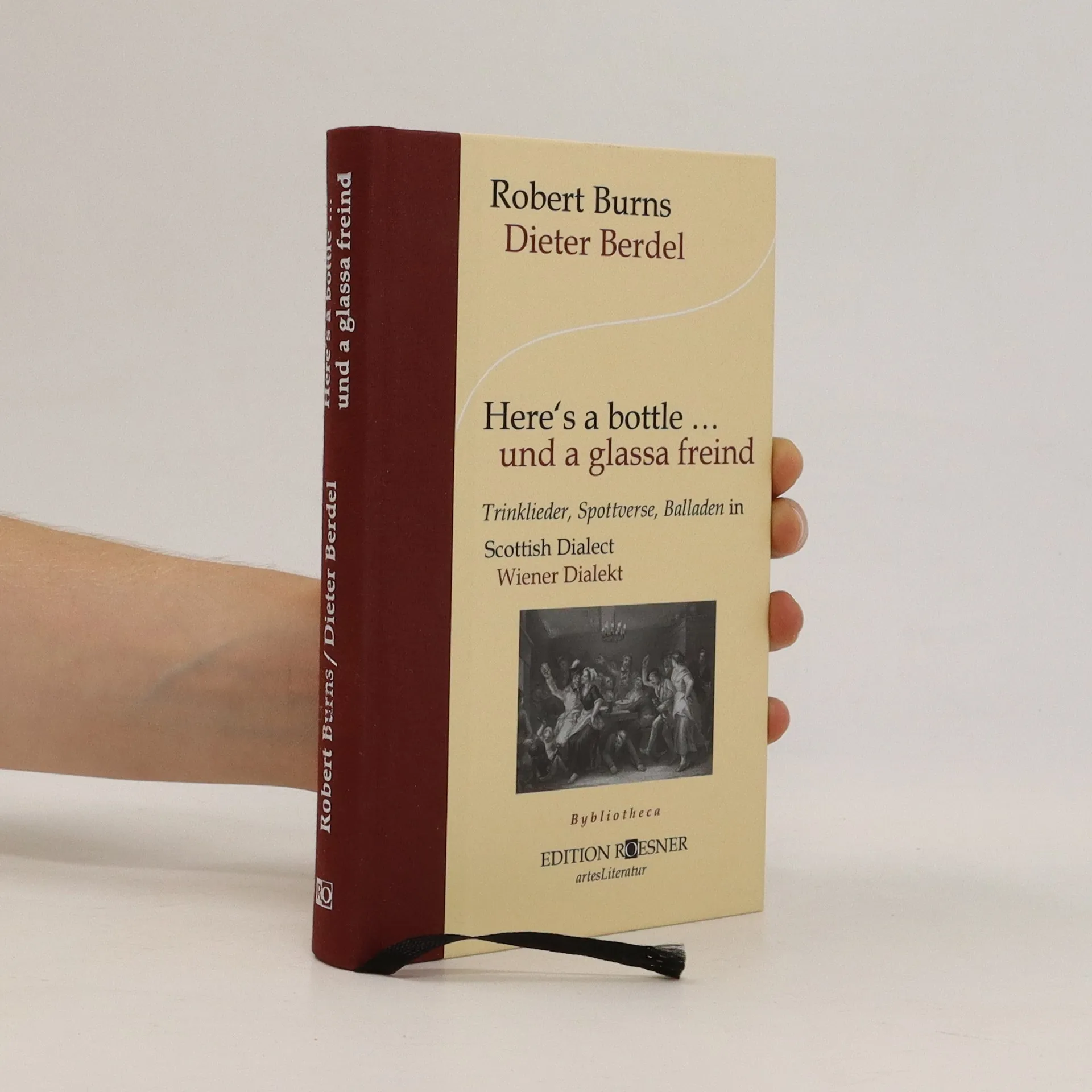
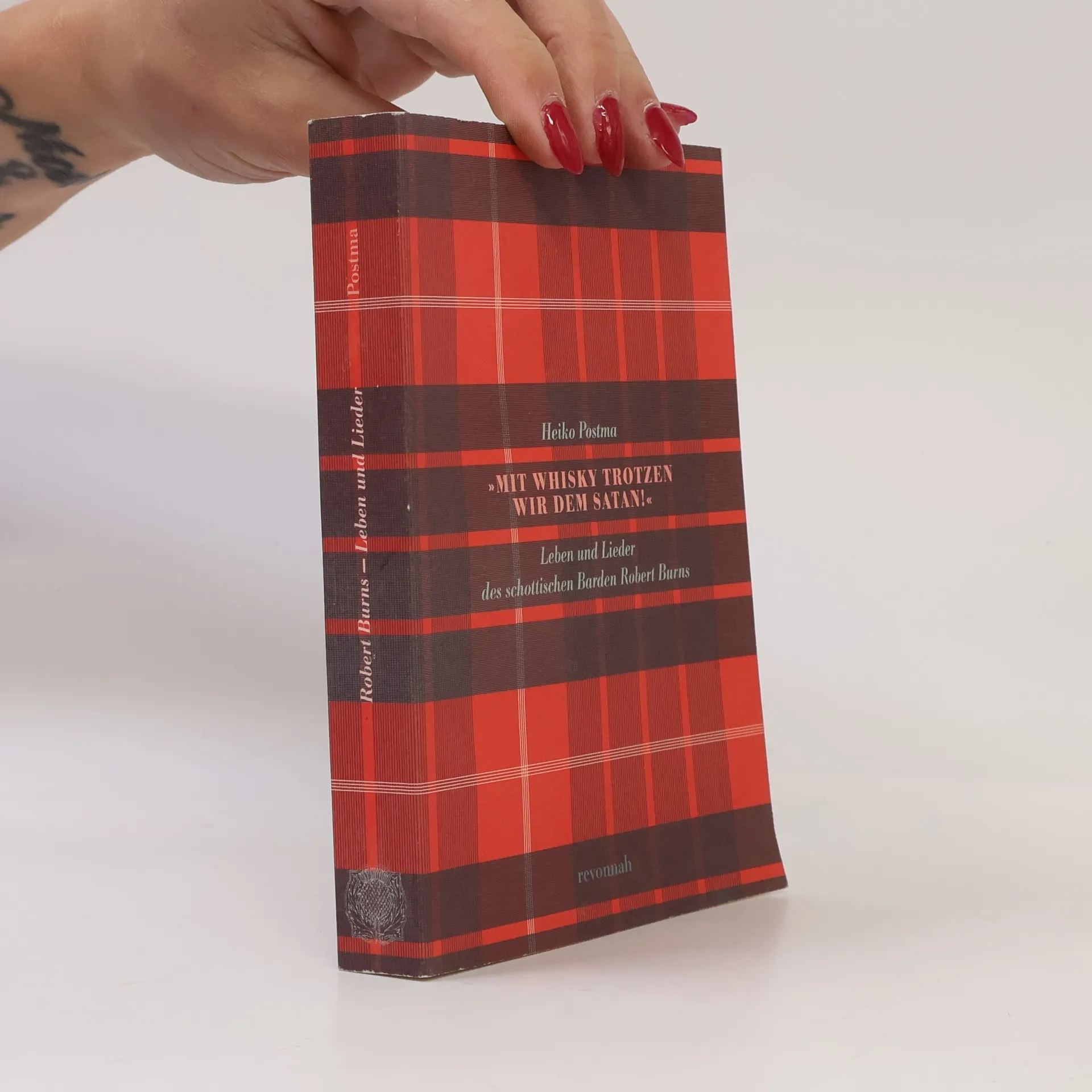
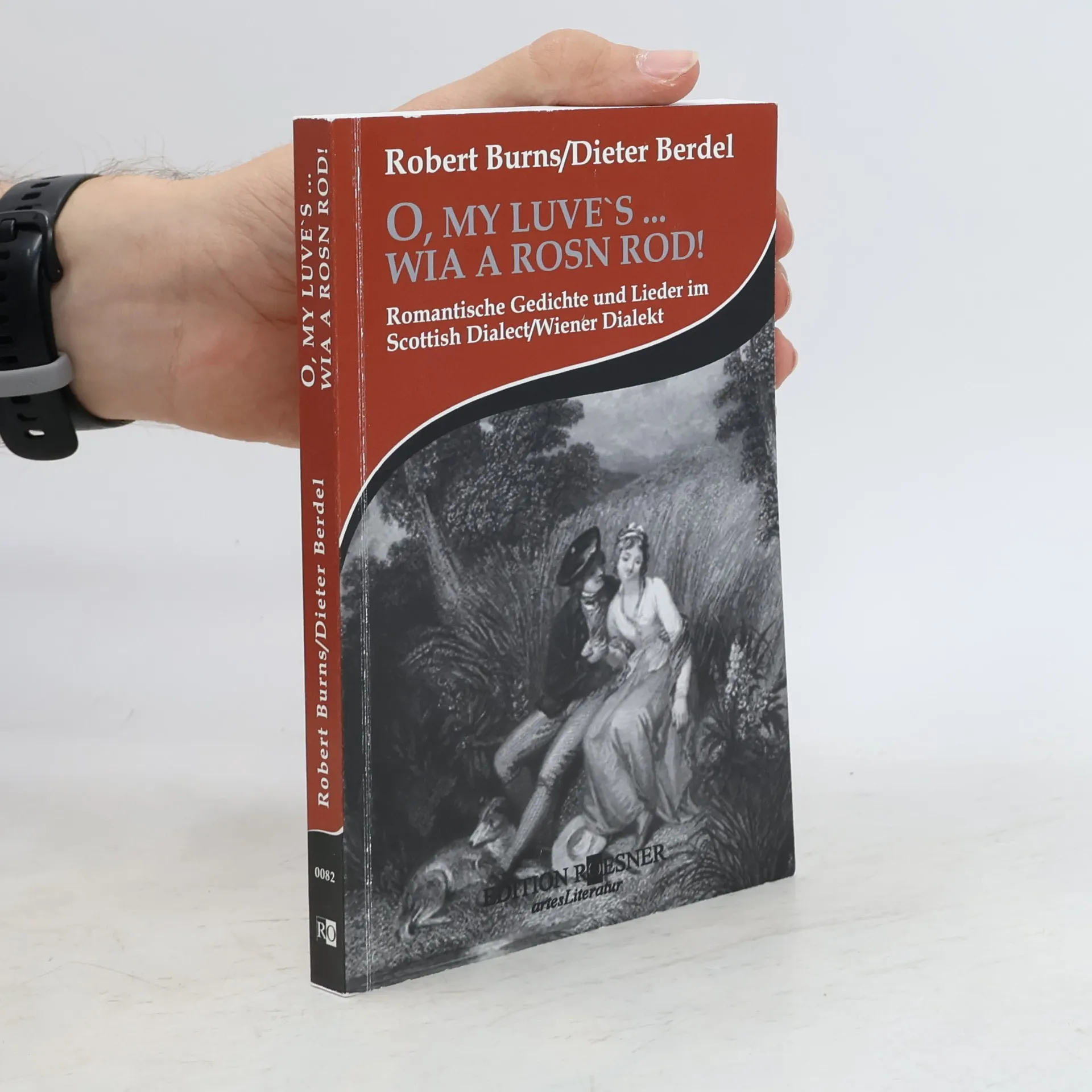
Robert Burns, unumstrittener Nationalpoet der Schotten, hat in seinem kurzen Leben neben berühmten Liebes- und Naturgedichten auch eine Vielzahl an Trinkliedern, Spottversen und Balladen verfasst. In seinem anarchischen Naturell liebte er weniger die feinen Kreise – an scharfzüngiger Kritik wird wahrlich nicht gespart –, sondern suchte Freundschaft und geraden Sinn bei rauen Gesellen in Bauerndörfern, in den Pubs, wo der Whisky so manches Mal in Strömen floss.
Derb ist zuweilen der Ton seiner Lieder, skurril und beißend sein Witz. Und so lässt auch Dieter Berdel einen „diafn Schmäh rennen“ – abseitig und pointiert: Robert Burns war nach heutiger Diktion ein Mundartdichter, folgerichtig sind die Nachdichtungen vom typischen Wienerisch der Peripherie getragen.
Eigentlich sind es Dichtungen, die für sich stehen, originelle Kunstwerke, neue Gesänge, bei denen spürbar wird, dass der stürmische Wandel der Zeiten vieles nicht zu ändern vermag: Freundschaft und wahre Werte, Rausch und Irrwege, Gezänke und Rebellion … – Und der Duft des Klees in den Highlands vermählt sich schmeichelnd mit dem Odeur von Wiener Vorstadtbeisln.
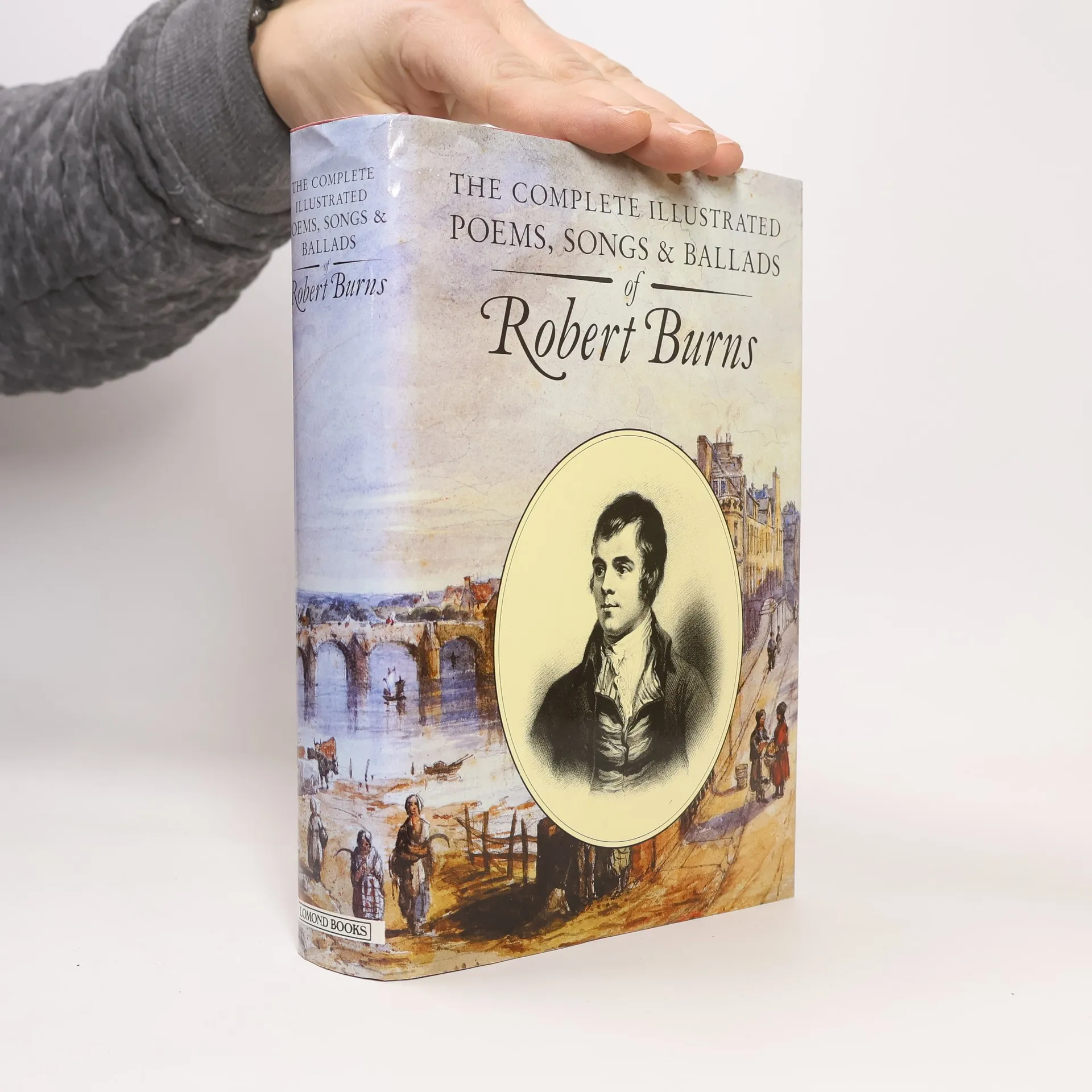
The Complete Poems and Songs of Robert Burns is a collection of poetical works, the scope of which is as varied as it is entertaining. Burns, the "ploughman poet," could write as easily about politics, history, nationalism, hatred for pomposity and social disadvantage, and the excitement of having illicit love affairs as he could about nature and an admiration of beauty. This book contains the complete poems and songs of this remarkable man, with an introduction to and chronology of his life, a glossary of Scots words and indexes of title and first lines.
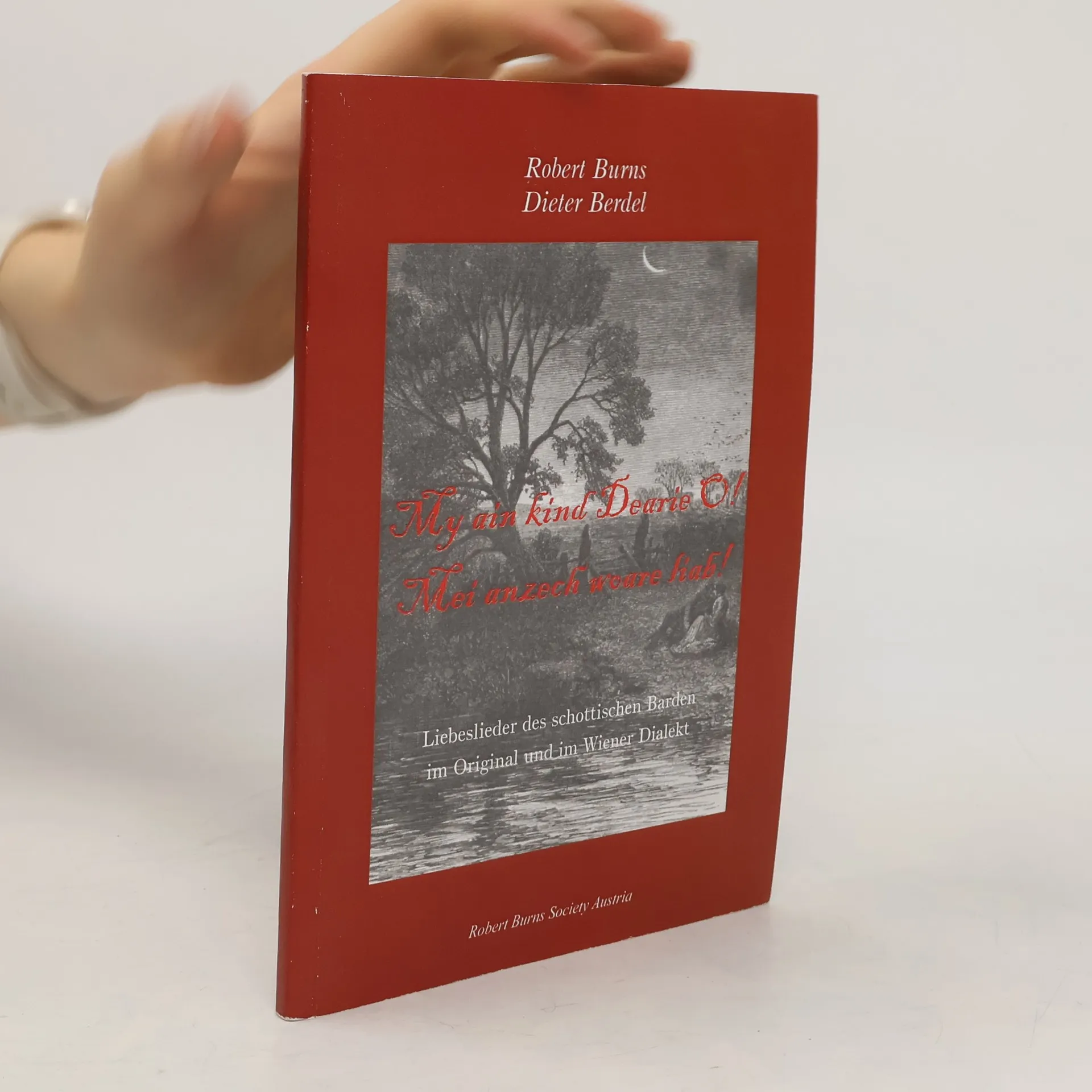
eben und Lieder des schottischen Barden Robert Burns
351 pages
13 hours of reading
Robert Burns, der große schottische Poet: ungemein populär zu Lebzeiten, mit ungebrochenem Nachruhm bis heute. Volkstümlich - und trotzdem literarisch hochkarätig. Ein Lyriker von immenser Ausdruckskraft und staunenswerter thematischer Spannweite: Er schrieb innige, doch, wenn's sein mußte, auch recht frivole Liebeslieder; er besang die politische Freiheit ebenso wie die Menschenrechte; doch nicht minder begeistert feierte er auch den schottischen Gerstensaft - den gebrauten wie den gebrannten. The independent spirit of Scotland. Heiko Postma zeichnet ein Portrait des Barden und lebenslangen Herzensbrechers; mit über fünfzig Liedern und Gedichten, Original Scots und neu übersetzt von Heiko Postma.
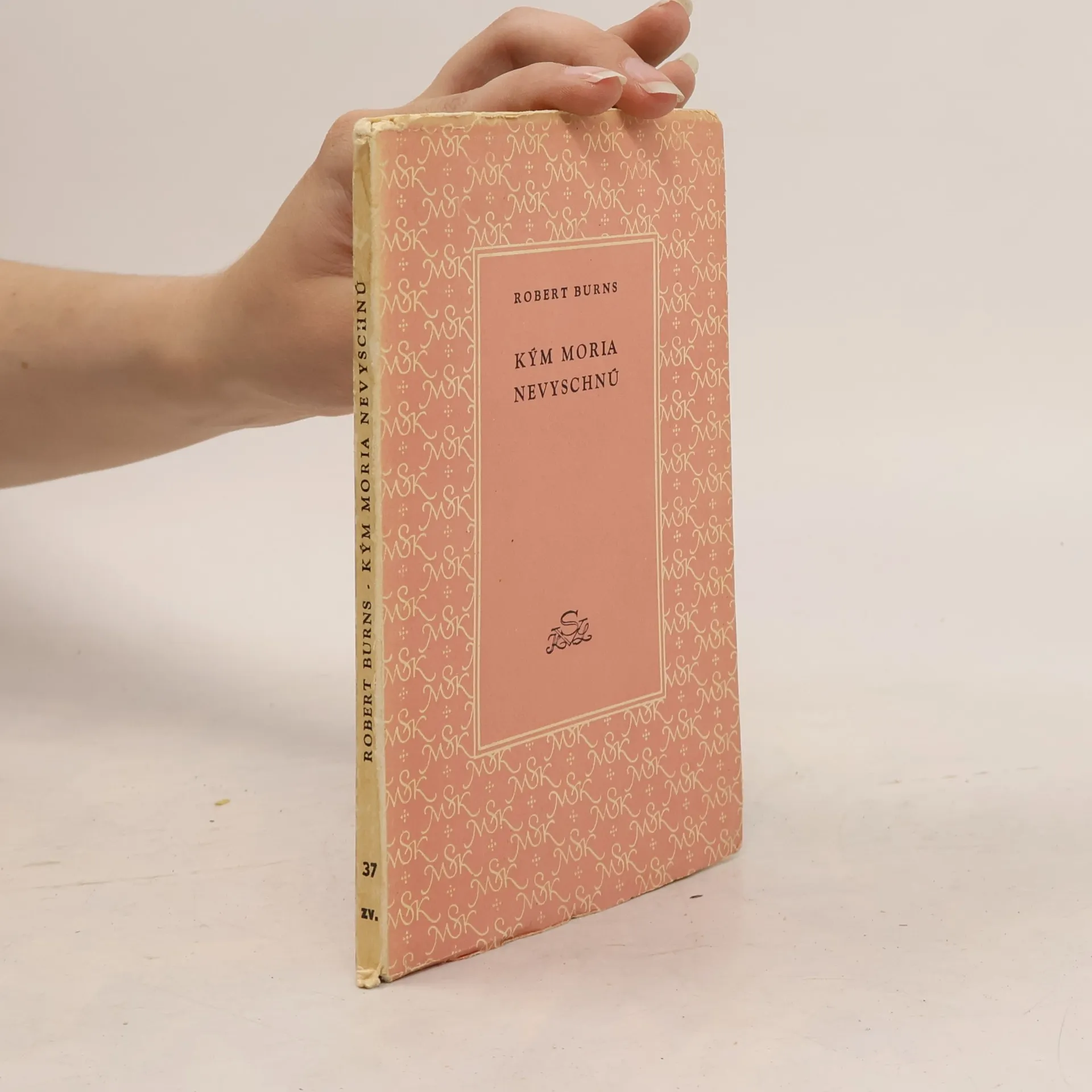
Zvučné a zpěvné verše, milostné písně, přírodní lyrika a staré balady skotského lidového básníka, který se stal „pěvcem národní hrdosti svého lidu". Vychází po více než 60 letech v Sládkově překladu a nezměněném výboru, který zahrnuje i Burnsovy básně sociálního a politického zaměření. Vydáno k 200. výročí narození Roberta Burnse.