

The book is currently out of stock
More about the book
The novel features the Ramsay family's seemingly ordinary experiences, which reveal profound insights into personal relationships, time, gender, morality, happiness, and mortality. Woolf's innovative nonlinear narrative and stream-of-consciousness technique enrich the story, transforming simple events into a deep philosophical exploration. Widely praised since its 1927 release, the work reflects the author's belief that it represents her finest achievement, resonating with literary scholars for its complexity and depth.



Publication


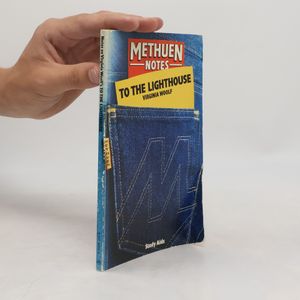

- 2025

- 2024
- 2024
- 2024
- 2024
- 2024


- 2023
- 2023
- 2023
- 2023
- 2023
- 2023
- 2023
- 2023
- 2023
- 2023
- 2023
- 2023
- 2023
- 2023
- 2023
- 2022
- 2022
- 2022
- 2021
- 2021
- 2021
- 2021
- 2020



- 2018
- 2018
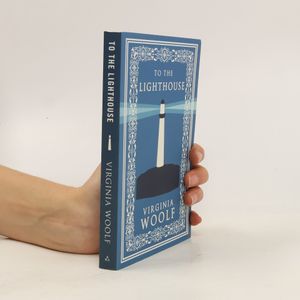

- 2017
- 2017
- 2017

- 2014

- 2013
- 2012
- 2011




- 2004



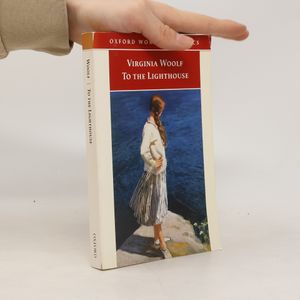


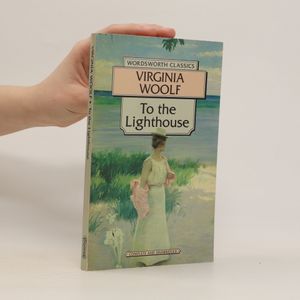

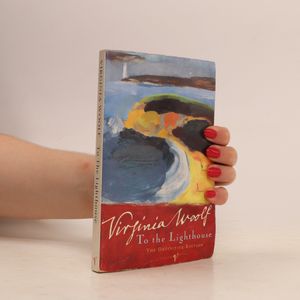


- 1991
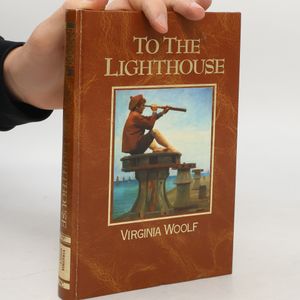
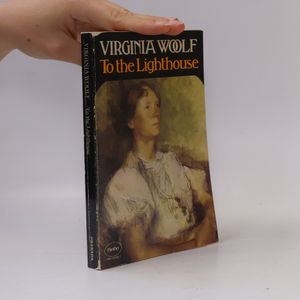





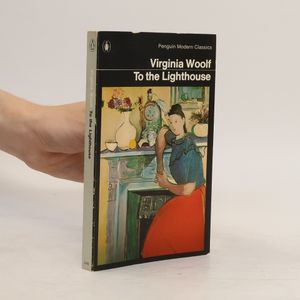






Payment methods
We’re missing your review here.
- Title
- To the Lighthouse
- Language
- English
- Authors
- Virginia Woolf
- Publisher
- Aziloth Books
- Released
- 2023
- Pages
- 138
- ISBN13
- 9781913751951
- Series
- Tags
- Fiction, Historical Themes, Family, Classics, Friendship, Relationships, 20th century, Literary Fiction, Death, England, English Literature, Novellas, Scotland, Seas and Oceans, Transformation, Autobiographical Novels, Beauty, Lighthouses, Stream of Consciousness
- First published
- 1927
- Original title
- To the Lighthouse
- Rating
- 3.8 out of 5
- Description
- The novel features the Ramsay family's seemingly ordinary experiences, which reveal profound insights into personal relationships, time, gender, morality, happiness, and mortality. Woolf's innovative nonlinear narrative and stream-of-consciousness technique enrich the story, transforming simple events into a deep philosophical exploration. Widely praised since its 1927 release, the work reflects the author's belief that it represents her finest achievement, resonating with literary scholars for its complexity and depth.