

More about the book
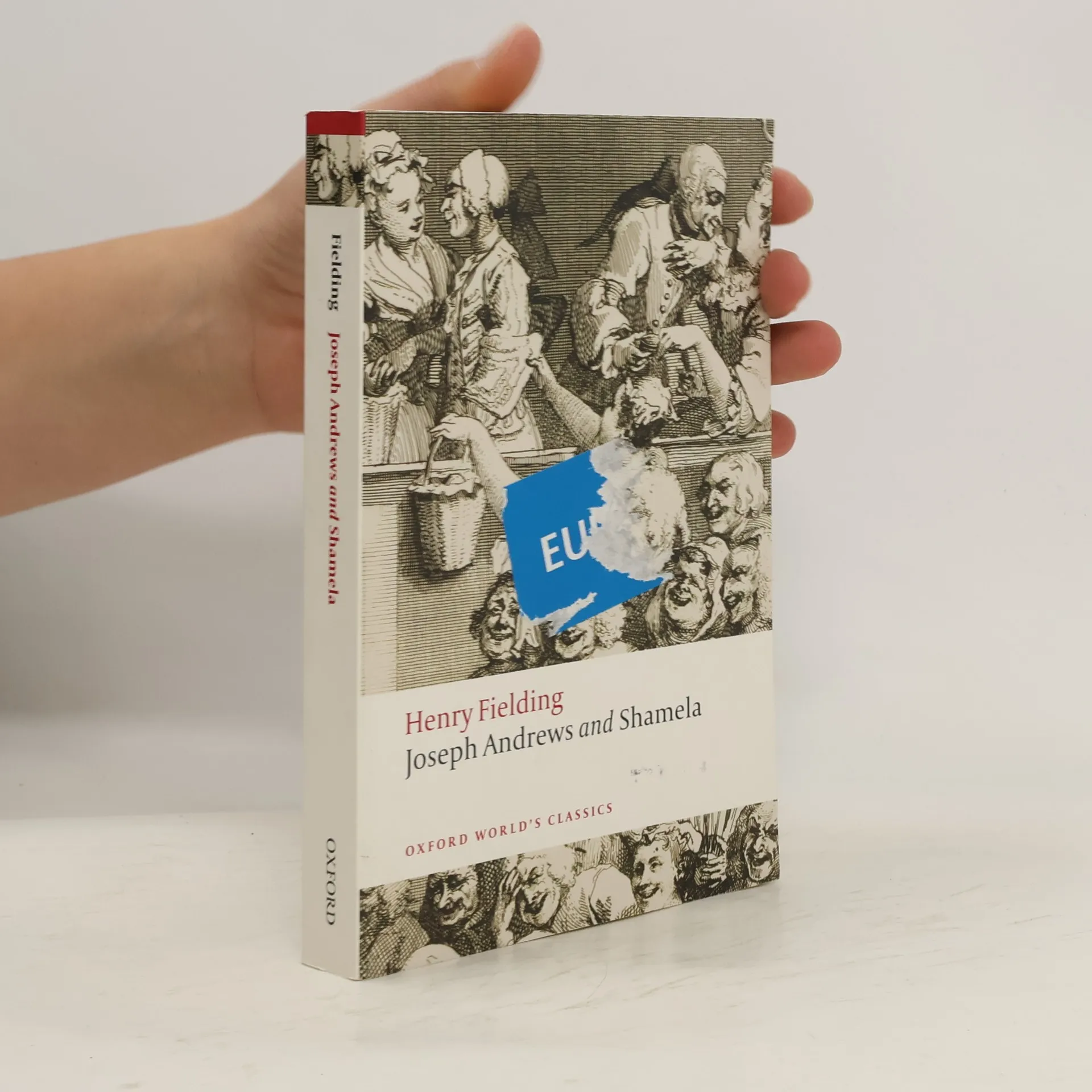
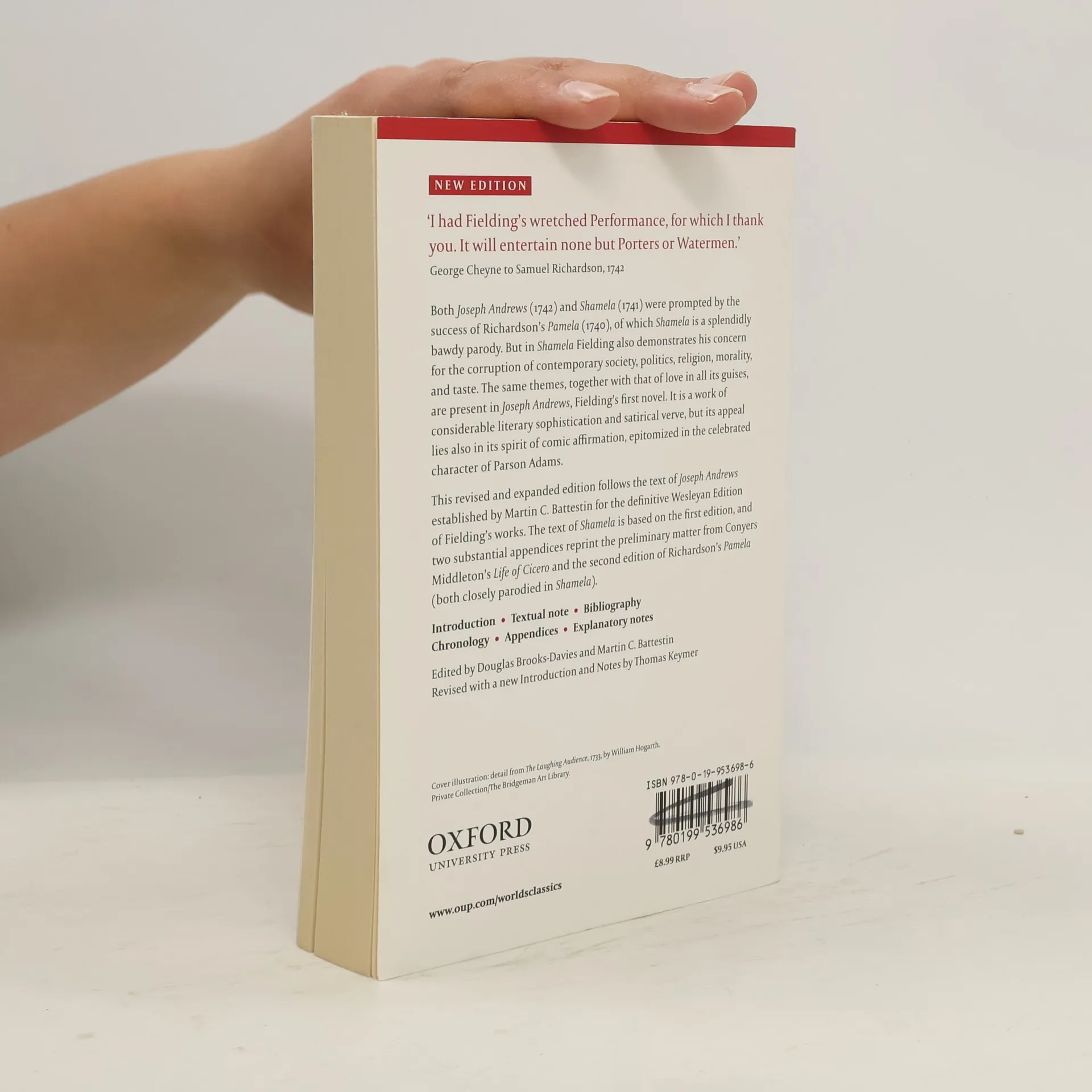
Both Joseph Andrews (1742) and Shamela (1741) were prompted by the success of Richardson's Pamela (1740), of which Shamela is a splendidly bawdy parody. In both works Fielding demonstrates his concern for the corruption of contemporary society, politics, religion, morality, and taste. This revised and expanded edition follows the text of Joseph Andrews established by Martin C. Battestin for the definitive Wesleyan Edition of Fielding's works. The text of Shamela is based on the first edition, and two substantial appendices reprint the preliminary matter from Conyers Middleton's Life of Cicero and the second edition of Richardson's Pamela (both closely parodied in Shamela). A new introduction by Thomas Keymer situates Fielding's works in their critical and historical contexts.







Book purchase
Joseph Andrews and Shamela, Henry Fielding
- Language

- Released
- 2008
- product-detail.submit-box.info.binding
- (Paperback)
Payment methods
We’re missing your review here.
- Language
- English
- Authors
- Henry Fielding
- Publisher
- Oxford University Press
- Released
- 2008
- Format
- Paperback
- ISBN10
- 0199536988
- ISBN13
- 9780199536986
- Series
- Rating
- 3.3 out of 5
- Description
- Both Joseph Andrews (1742) and Shamela (1741) were prompted by the success of Richardson's Pamela (1740), of which Shamela is a splendidly bawdy parody. In both works Fielding demonstrates his concern for the corruption of contemporary society, politics, religion, morality, and taste. This revised and expanded edition follows the text of Joseph Andrews established by Martin C. Battestin for the definitive Wesleyan Edition of Fielding's works. The text of Shamela is based on the first edition, and two substantial appendices reprint the preliminary matter from Conyers Middleton's Life of Cicero and the second edition of Richardson's Pamela (both closely parodied in Shamela). A new introduction by Thomas Keymer situates Fielding's works in their critical and historical contexts.