



Parameters
- 256 pages
- 9 hours of reading
More about the book
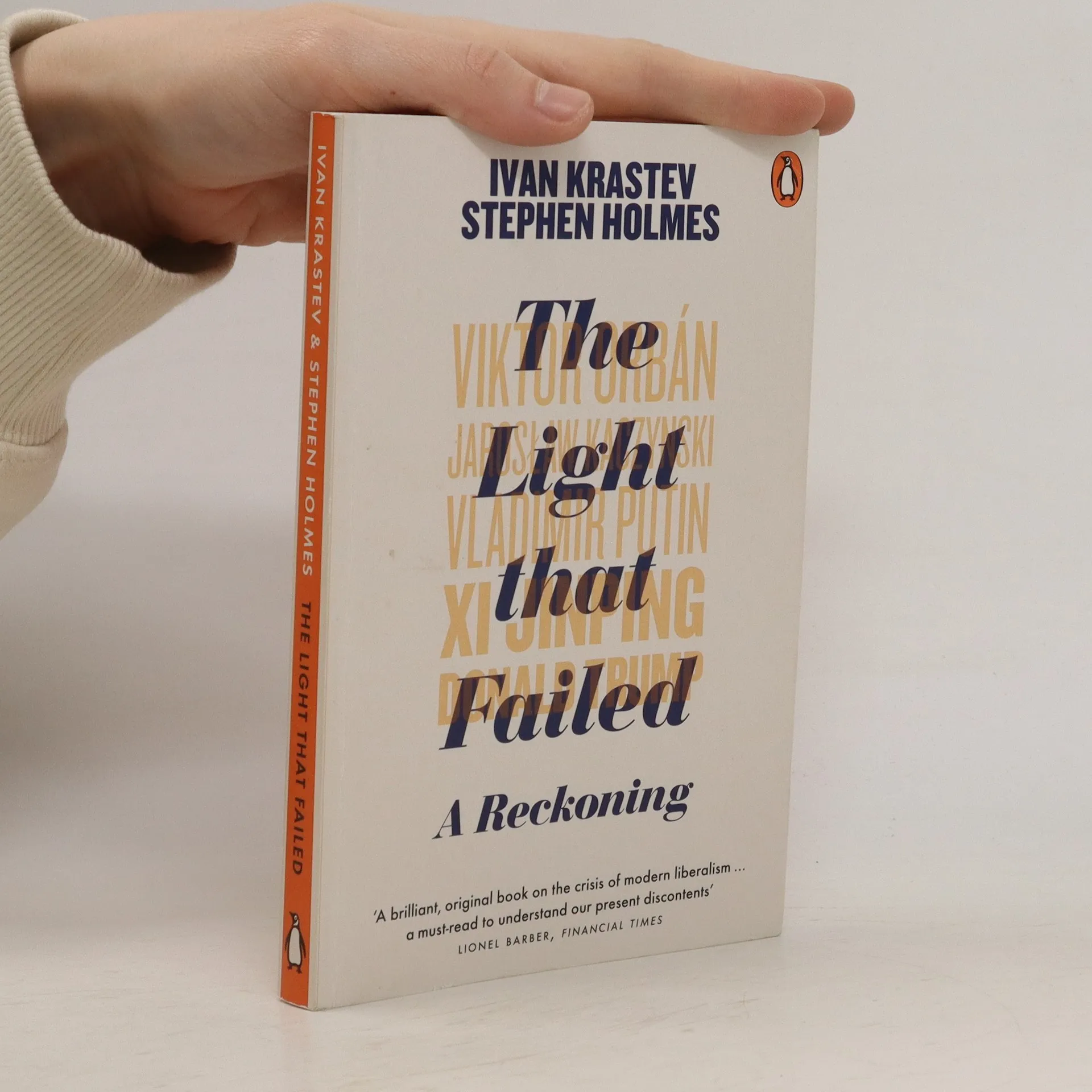
Why did the West, after winning the Cold War, lose its political balance? In the early 1990s, hopes for the eastward spread of liberal democracy were high. And yet the transformation of Eastern European countries gave rise to a bitter repudiation of liberalism itself, not only there but also back in the heartland of the West. In this work of political psychology, Ivan Krastev and Stephen Holmes argue that the supposed end of history turned out to be only the beginning of an Age of Imitation. Reckoning with the history of the last thirty years, they show that the most powerful force behind the wave of populist xenophobia that began in Eastern Europe stems from resentment at the post-1989 imperative to become Westernized. Through this prism, the Trump revolution represents an ironic fulfillment of the promise that the nations exiting from communist rule would come to resemble the United States. In a strange twist, Trump has elevated Putin's Russia and Orbán's Hungary into models for the United States.




Book purchase
The light that failed. A Reckoning, Stephen Holmes, Ivan Krastev
- Language

- Released
- 2020
- product-detail.submit-box.info.binding
- (Paperback)
Payment methods
We’re missing your review here.
- Language
- English
- Authors
- Stephen Holmes, Ivan Krastev
- Publisher
- Penguin Books
- Released
- 2020
- Format
- Paperback
- Pages
- 256
- ISBN10
- 014198810X
- ISBN13
- 9780141988108
- Series
- Tags
- Non-Fiction, Social Sciences, Historical Themes, History, Political Science & Politics, Philosophical Topics, Philosophy, Politics, USA, Sociology, Gifts for grandpa, Russia, China, Struggle for Power, Cold War, Hungary, Liberalism
- Rating
- 4.2 out of 5
- Description
- Why did the West, after winning the Cold War, lose its political balance? In the early 1990s, hopes for the eastward spread of liberal democracy were high. And yet the transformation of Eastern European countries gave rise to a bitter repudiation of liberalism itself, not only there but also back in the heartland of the West. In this work of political psychology, Ivan Krastev and Stephen Holmes argue that the supposed end of history turned out to be only the beginning of an Age of Imitation. Reckoning with the history of the last thirty years, they show that the most powerful force behind the wave of populist xenophobia that began in Eastern Europe stems from resentment at the post-1989 imperative to become Westernized. Through this prism, the Trump revolution represents an ironic fulfillment of the promise that the nations exiting from communist rule would come to resemble the United States. In a strange twist, Trump has elevated Putin's Russia and Orbán's Hungary into models for the United States.