


Parameters
- 340 pages
- 12 hours of reading
More about the book
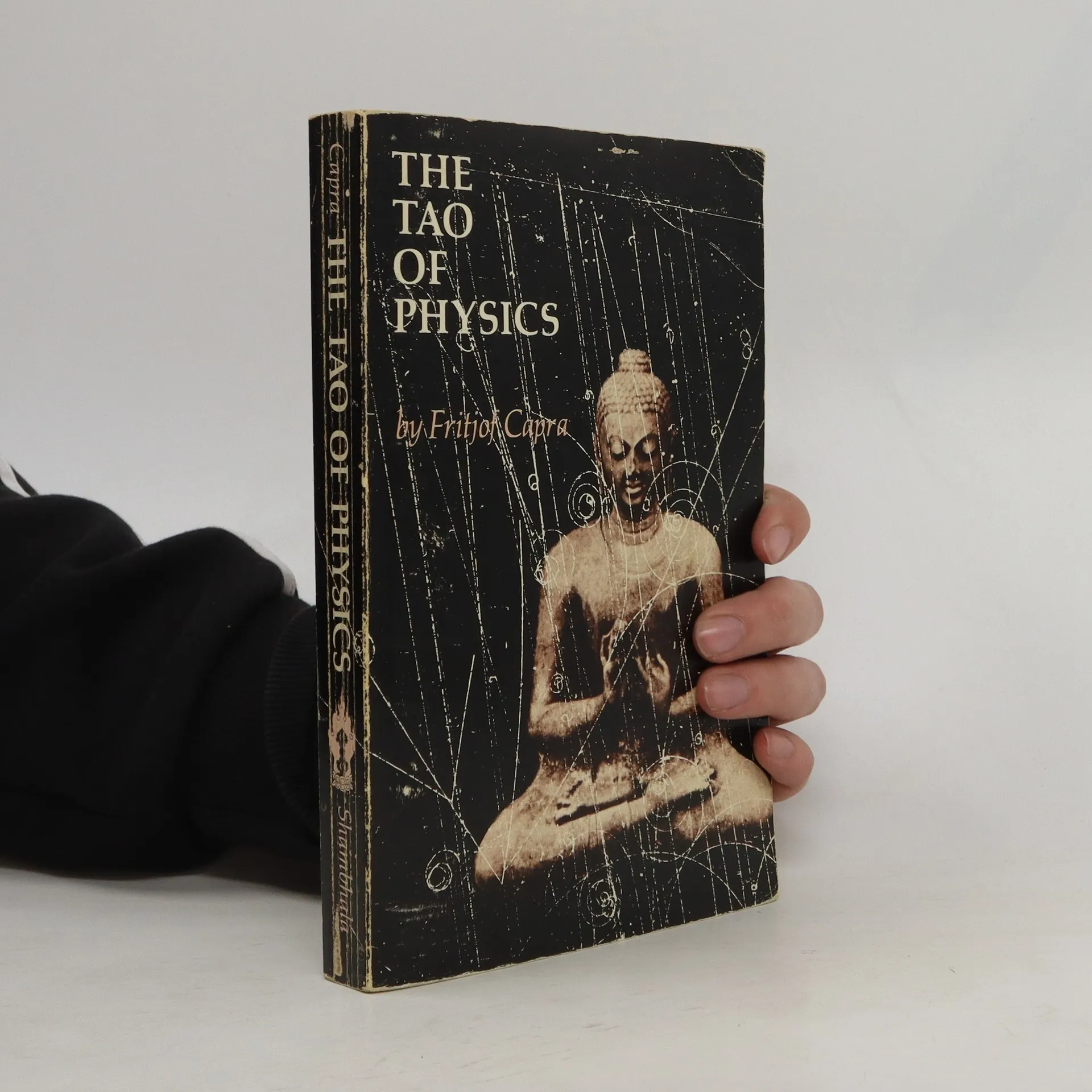
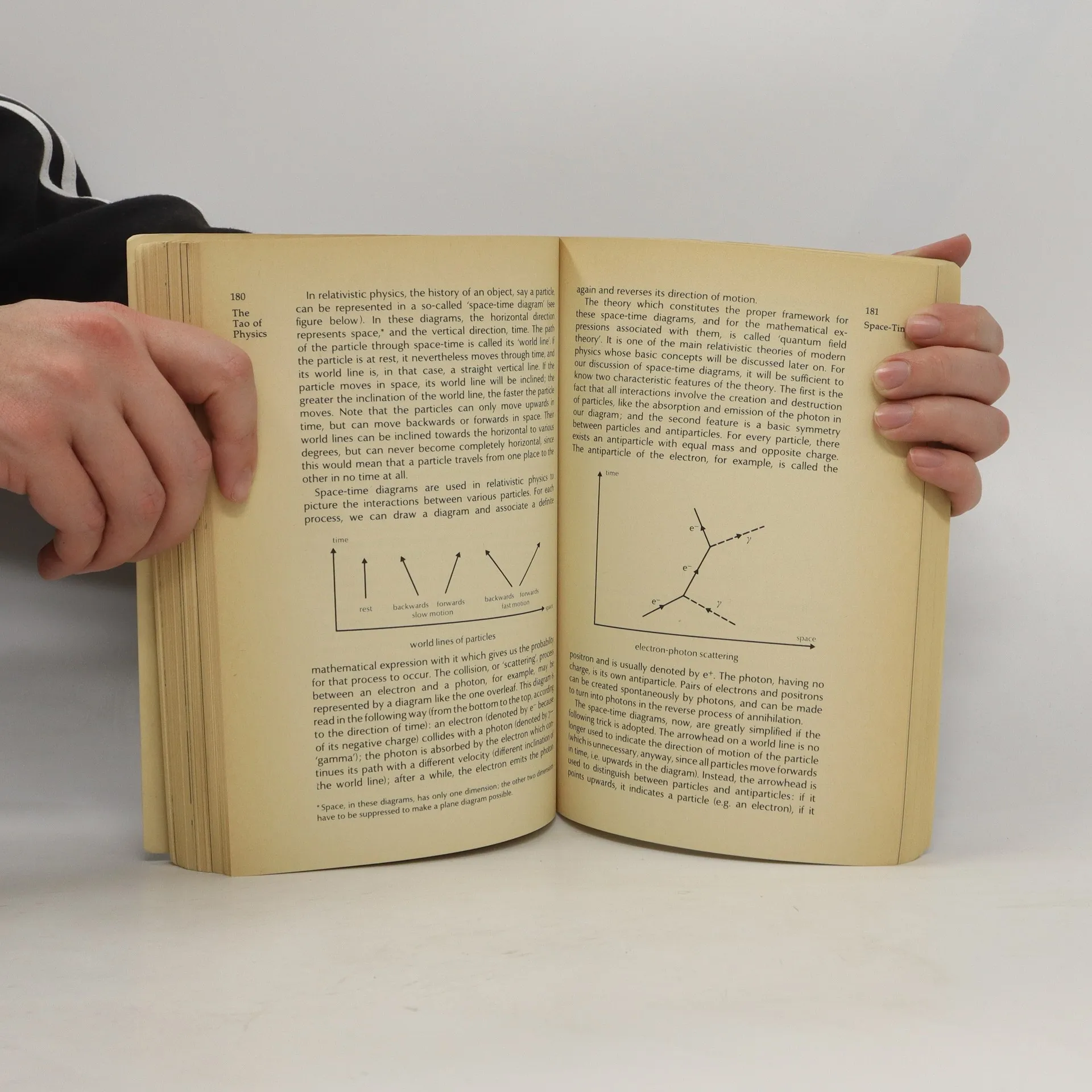
" Science does not need mysticism and mysticism does not need science, but man needs both." -- Fritjof Capra, Ph.D.Their paths to the truth could not be more different-- but the amazing thing is that, in their own ways, the mystics and the scientists are discovering the same truths about our world. In non-technical language, with no complex mathematics or formulae, this thought-provoking program explores the main concepts and theories of modern physics, the revelations coming from particle accelerators and laboratories-- and compares them with the ancient tenets of Hinduism, Buddhism and Taoism. In the process, we gain a clear and fascinating picture of how such seemingly disparate areas of thought are ultimately quests for the same kind of understanding.





Book purchase
The Tao of Physics, Fritjof Capra
- Language

- Released
- 1975
- product-detail.submit-box.info.binding
- (Paperback)
Payment methods
We’re missing your review here.
- Title
- The Tao of Physics
- Language
- English
- Authors
- Fritjof Capra
- Publisher
- Shambhala Publications
- Released
- 1975
- Format
- Paperback
- Pages
- 340
- ISBN10
- 0394731115
- ISBN13
- 9780394731117
- Series
- Tags
- Non-Fiction, Religion & Spirituality, Science & Math, Natural sciences, Religious Topics, Religion, Spirituality, Science, Physics, Buddhism, Mysticism, New Age, Hinduism, Taoism, Eastern Philosophy, Astrophysics, Science and Faith, Particle Physics
- First published
- 1975
- Original title
- The Tao of Physics
- Rating
- 3.95 out of 5
- Description
- " Science does not need mysticism and mysticism does not need science, but man needs both." -- Fritjof Capra, Ph.D.Their paths to the truth could not be more different-- but the amazing thing is that, in their own ways, the mystics and the scientists are discovering the same truths about our world. In non-technical language, with no complex mathematics or formulae, this thought-provoking program explores the main concepts and theories of modern physics, the revelations coming from particle accelerators and laboratories-- and compares them with the ancient tenets of Hinduism, Buddhism and Taoism. In the process, we gain a clear and fascinating picture of how such seemingly disparate areas of thought are ultimately quests for the same kind of understanding.