

More about the book
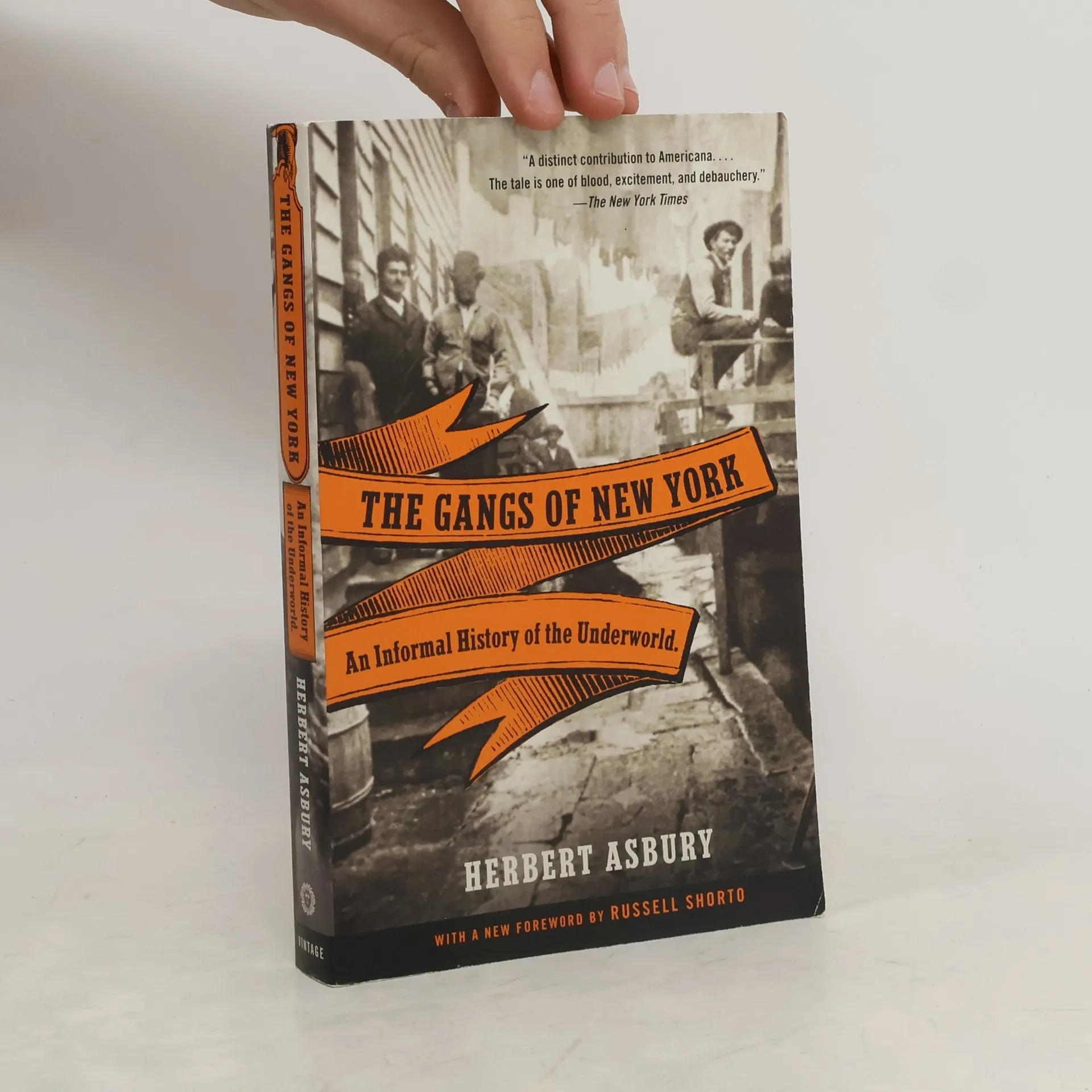
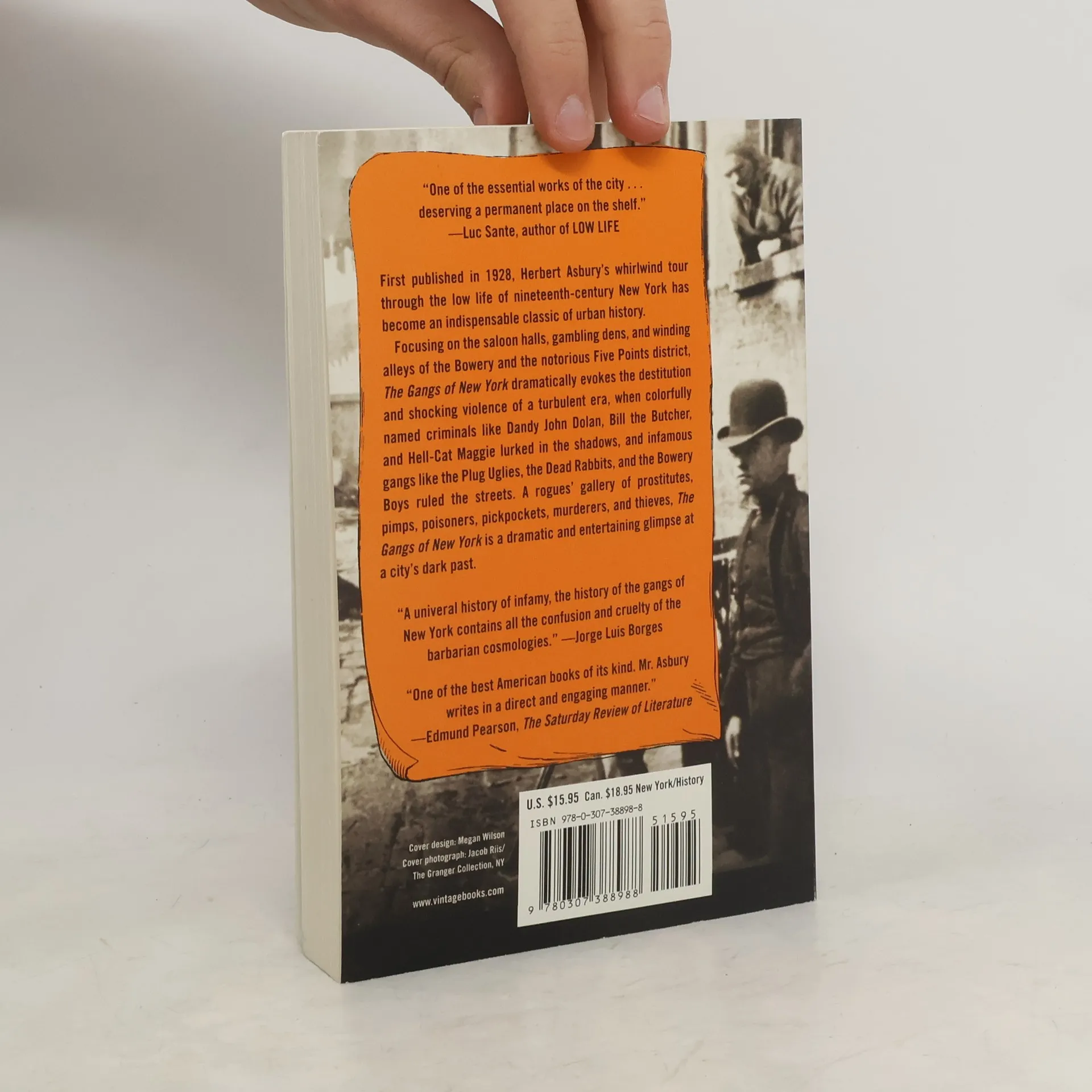
The basis of Martin Scorcese's acclaimed 2003 film, The Gangs of New York is a dramatic and entertaining glimpse at a city's dark past. Focusing on the saloon halls, gambling dens, and winding alleys of the Bowery and the notorious Five Points district, The Gangs of New York dramatically evokes the destitution and shocking violence of a turbulent era, when colorfully named criminals like Dandy John Dolan, Bill the Butcher, and Hell-Cat Maggie lurked in the shadows, and infamous gangs like the Plug Uglies, the Dead Rabbits, and the Bowery Boys ruled the streets. A rogues' gallery of prostitutes, pimps, poisoners, pickpockets, murderers, and thieves, Herbert Asbury's whirlwind tour through the low life of nineteenth-century New York has become an indispensible classic of urban history.




Book purchase
The Gangs of New York, Herbert Asbury
- Language

- Released
- 2008
- product-detail.submit-box.info.binding
- (Paperback)
Payment methods
We’re missing your review here.
- Language
- English
- Authors
- Herbert Asbury
- Publisher
- Vintage
- Released
- 2008
- Format
- Paperback
- ISBN10
- 0307388980
- ISBN13
- 9780307388988
- Series
- The Gangs of New York
- Tags
- Non-Fiction, True Stories, Creative Nonfiction, Adapted for Film, True Crime, New York, American History, Truth, Organized Crime, Gangs
- First published
- 1927
- Original title
- The Gangs of New York
- Rating
- 3.6 out of 5
- Description
- The basis of Martin Scorcese's acclaimed 2003 film, The Gangs of New York is a dramatic and entertaining glimpse at a city's dark past. Focusing on the saloon halls, gambling dens, and winding alleys of the Bowery and the notorious Five Points district, The Gangs of New York dramatically evokes the destitution and shocking violence of a turbulent era, when colorfully named criminals like Dandy John Dolan, Bill the Butcher, and Hell-Cat Maggie lurked in the shadows, and infamous gangs like the Plug Uglies, the Dead Rabbits, and the Bowery Boys ruled the streets. A rogues' gallery of prostitutes, pimps, poisoners, pickpockets, murderers, and thieves, Herbert Asbury's whirlwind tour through the low life of nineteenth-century New York has become an indispensible classic of urban history.