

Sold out but wanted!

Parameters
- 368 pages
- 13 hours of reading
More about the book
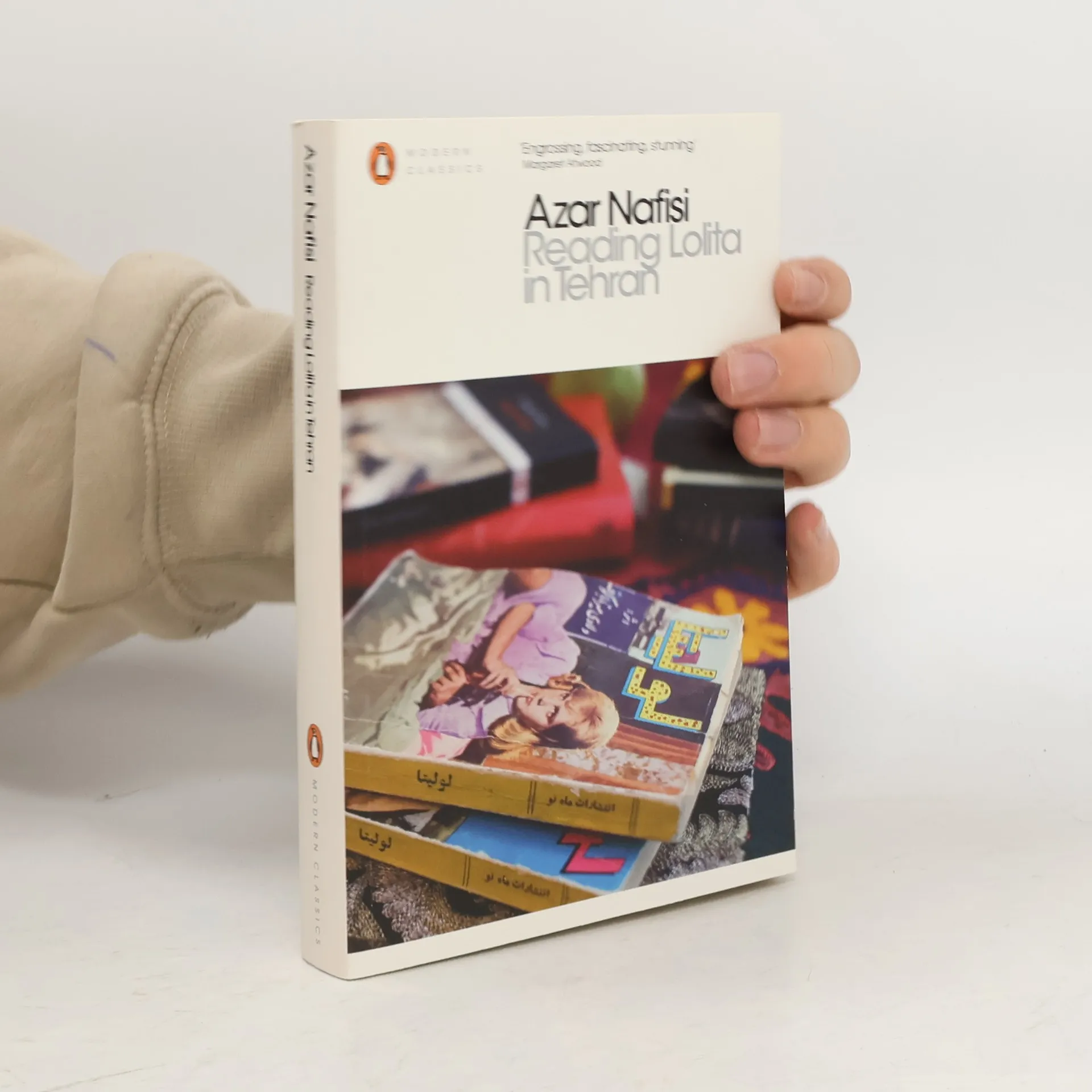
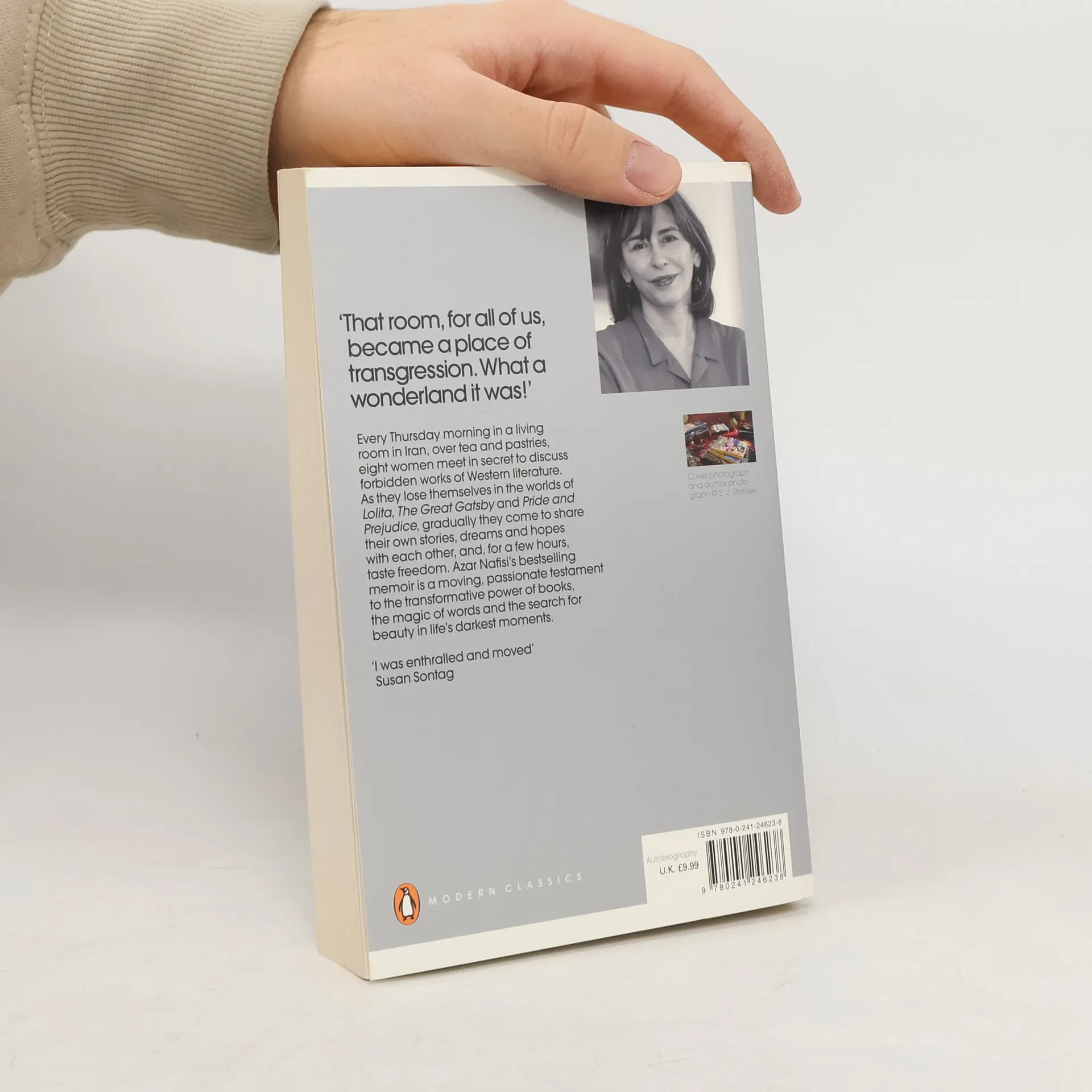
In a clandestine setting in Iran, eight women gather weekly to explore forbidden Western literature, bonding over tea and pastries. As they delve into these literary worlds, they confront their own lives, desires, and the societal constraints imposed on them. The discussions not only challenge their perspectives but also empower them to express their individuality and aspirations, creating a profound connection among the group. This narrative highlights themes of female solidarity, the transformative power of literature, and the quest for freedom in a repressive environment.







Book purchase
Reading Lolita in Tehran, Azar Nafisi
- Language

- Released
- 2015
- product-detail.submit-box.info.binding
- (Paperback)
We’ll email you as soon as we track it down.
Payment methods
We’re missing your review here.
- Language
- English
- Authors
- Azar Nafisi
- Publisher
- Penguin Books Ltd
- Released
- 2015
- Format
- Paperback
- Pages
- 368
- ISBN13
- 9780241246238
- Series
- Tags
- Non-Fiction, Historical Themes, History, True Stories, Religion & Spirituality, Biographies, Religious Topics, Religion, Women, Autobiographies & Memoirs, Creative Nonfiction, Military History, Military Fiction, Wars, American Literature, Feminism, English Literature, Social Critique, Diaries, Islam, Studying, About Books, Contemporary History, Reading, Iran, Women's Rights, Reading Instruction, Totalitarian regimes, Near and Middle East, Persia, Jane Austen, Totalitarian State, Women in Islam, Persian Literature, Iranian Literature, Forbidden Books
- First published
- 2003
- Original title
- Reading Lolita in Tehran
- Rating
- 3.65 out of 5
- Description
- In a clandestine setting in Iran, eight women gather weekly to explore forbidden Western literature, bonding over tea and pastries. As they delve into these literary worlds, they confront their own lives, desires, and the societal constraints imposed on them. The discussions not only challenge their perspectives but also empower them to express their individuality and aspirations, creating a profound connection among the group. This narrative highlights themes of female solidarity, the transformative power of literature, and the quest for freedom in a repressive environment.