

Sold out
More about the book
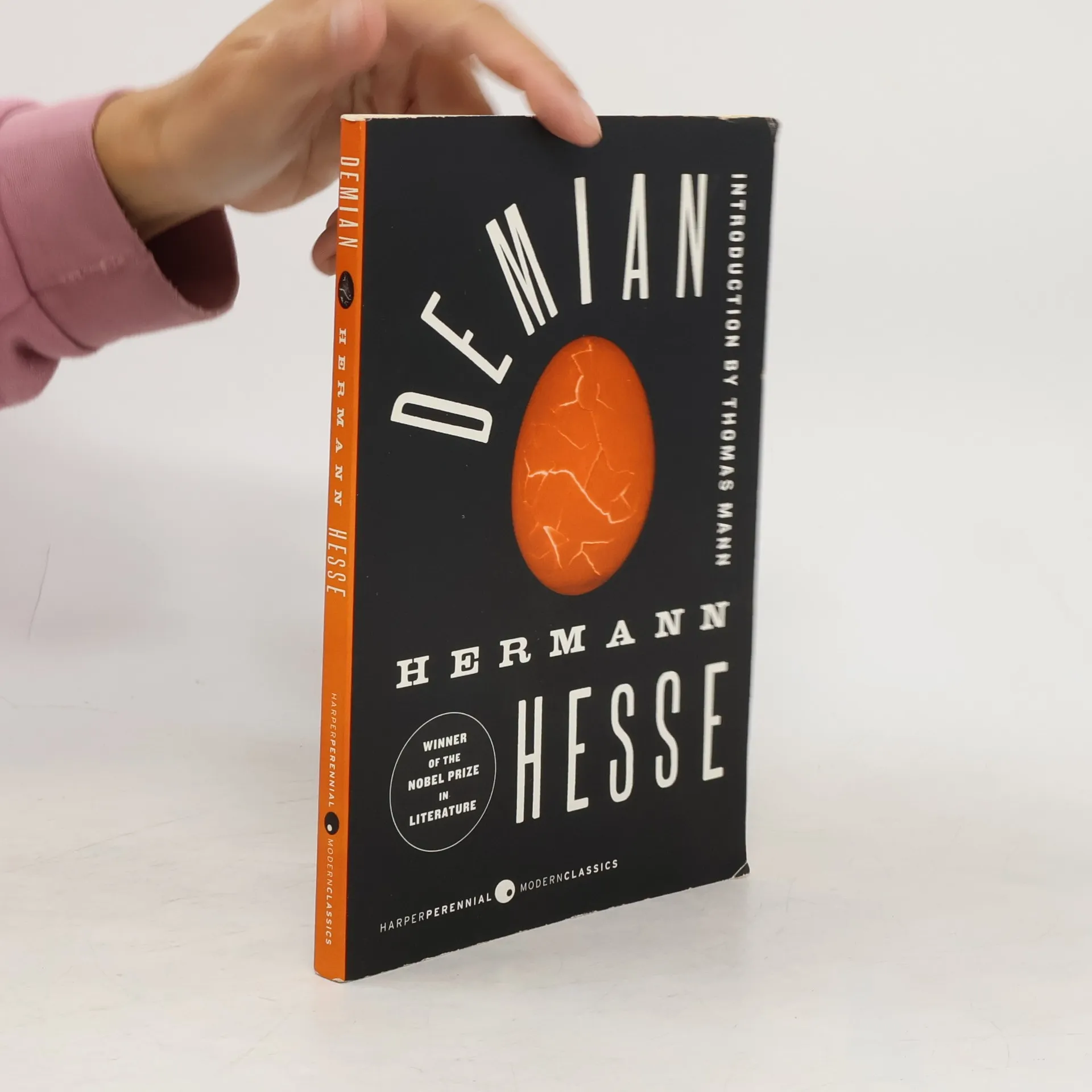
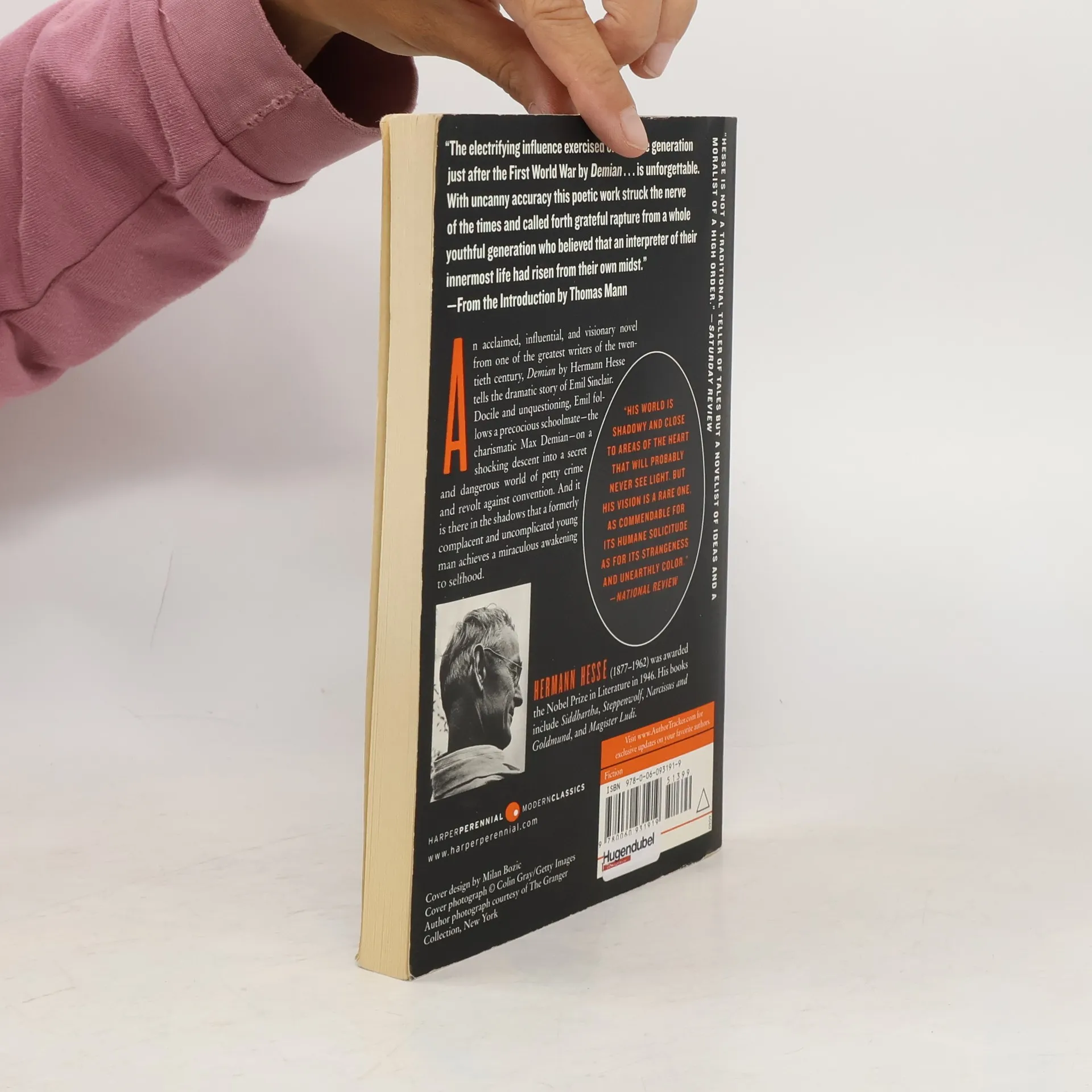
In Demian, one of the great writers of the twentieth century tells the dramatic story of young, docile Emil Sinclair's descent--led by precocious shoolmate Max Demian--into a secret and dangerous world of petty crime and revolt against convention and eventual awakening to selfhood. "The electrifying influence exercised on a whole generation just after the First World War by Demian...is unforgettable. With uncanny accuracy this poetic work struck the nerve of the times and called forth grateful rapture from a whole youthful generation who believed that an interpreter of their innermost life had risen from their own midst." -- From the Introduction by Thomas Mann
Language






Book purchase
Demian, Hermann Hesse
- Language

- Released
- 1999
- product-detail.submit-box.info.binding
- (Paperback)
We’ll email you as soon as we track it down.
Payment methods
We’re missing your review here.
- Title
- Demian
- Language
- English
- Authors
- Hermann Hesse
- Released
- 1999
- Format
- Paperback
- Pages
- 176
- ISBN10
- 0060931914
- ISBN13
- 9780060931919
- Series
- Tags
- Fiction, Philosophical Topics, Love, Classics, German Literature, Friendship, Germany, Military Fiction, Wars, Coming Of Age, Teens, Psychological novels, Psychoanalysis, Self-Discovery, Nobel prize, Searching for Oneself, Searching for the meaning of life, Intellectuals, Novels about Artists, Cain
- First published
- 1919
- Original title
- Demian
- Rating
- 4.2 out of 5
- Description
- In Demian, one of the great writers of the twentieth century tells the dramatic story of young, docile Emil Sinclair's descent--led by precocious shoolmate Max Demian--into a secret and dangerous world of petty crime and revolt against convention and eventual awakening to selfhood. "The electrifying influence exercised on a whole generation just after the First World War by Demian...is unforgettable. With uncanny accuracy this poetic work struck the nerve of the times and called forth grateful rapture from a whole youthful generation who believed that an interpreter of their innermost life had risen from their own midst." -- From the Introduction by Thomas Mann