

The book is currently out of stock
More about the book
Focusing on the interplay between text and performance, this edition enhances the reader's experience by providing commentary and notes that highlight the dynamic nature of Shakespeare's plays. Each annotation connects the scholarly text to its stage life, encouraging readers to engage creatively. This approach not only revitalizes the works of Shakespeare but also empowers readers to envision and direct their own imaginative interpretations of the plays.

Publication


- 2024

- 2024
- 2023
- 2023
- 2023
- 2022
- 2022
- 2022
- 2022
- 2022
- 2022
- 2021
- 2021
- 2021
- 2018
- 2018
- 2017
- 2017
- 2016
- 2016
- 2015
- 2014
- 2014
- 2014
- 2013
- 2013
- 2012
- 2012
- 2012
- 2012
- 2012
- 2012
- 2012
- 2012
- 2012
- 2012
- 2012
- 2011
- 2011
- 2011
- 2011
- 2011
- 2011
- 2010
- 2010
- 2009




- 2003


- 2000
- 1998
- 1997


- 1992












Book purchase
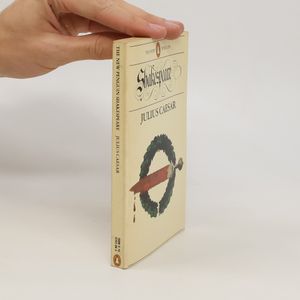
Julius Caesar, William Shakespeare
- Language

- Released
- 2000
- product-detail.submit-box.info.binding
- (Paperback)
Payment methods
We’re missing your review here.
- Title
- Julius Caesar
- Language
- English
- Authors
- William Shakespeare
- Publisher
- Rowman & Littlefield Publishers
- Released
- 2000
- Format
- Paperback
- Pages
- 166
- ISBN13
- 9781557831835
- Series
- Tags
- Fiction, Historical Themes, Classics, Wars, Murders, Death, Theatre Plays, English Literature, Betrayal, Rome, Roma, Gypsies, Tragedy, English Dramas, Gaius Julius Caesar, Historical Dramas
- First published
- 1599
- Original title
- The Tragedy of Julius Caesar
- Rating
- 3.75 out of 5
- Description
- Focusing on the interplay between text and performance, this edition enhances the reader's experience by providing commentary and notes that highlight the dynamic nature of Shakespeare's plays. Each annotation connects the scholarly text to its stage life, encouraging readers to engage creatively. This approach not only revitalizes the works of Shakespeare but also empowers readers to envision and direct their own imaginative interpretations of the plays.