



Parameters
- 400 pages
- 14 hours of reading
More about the book
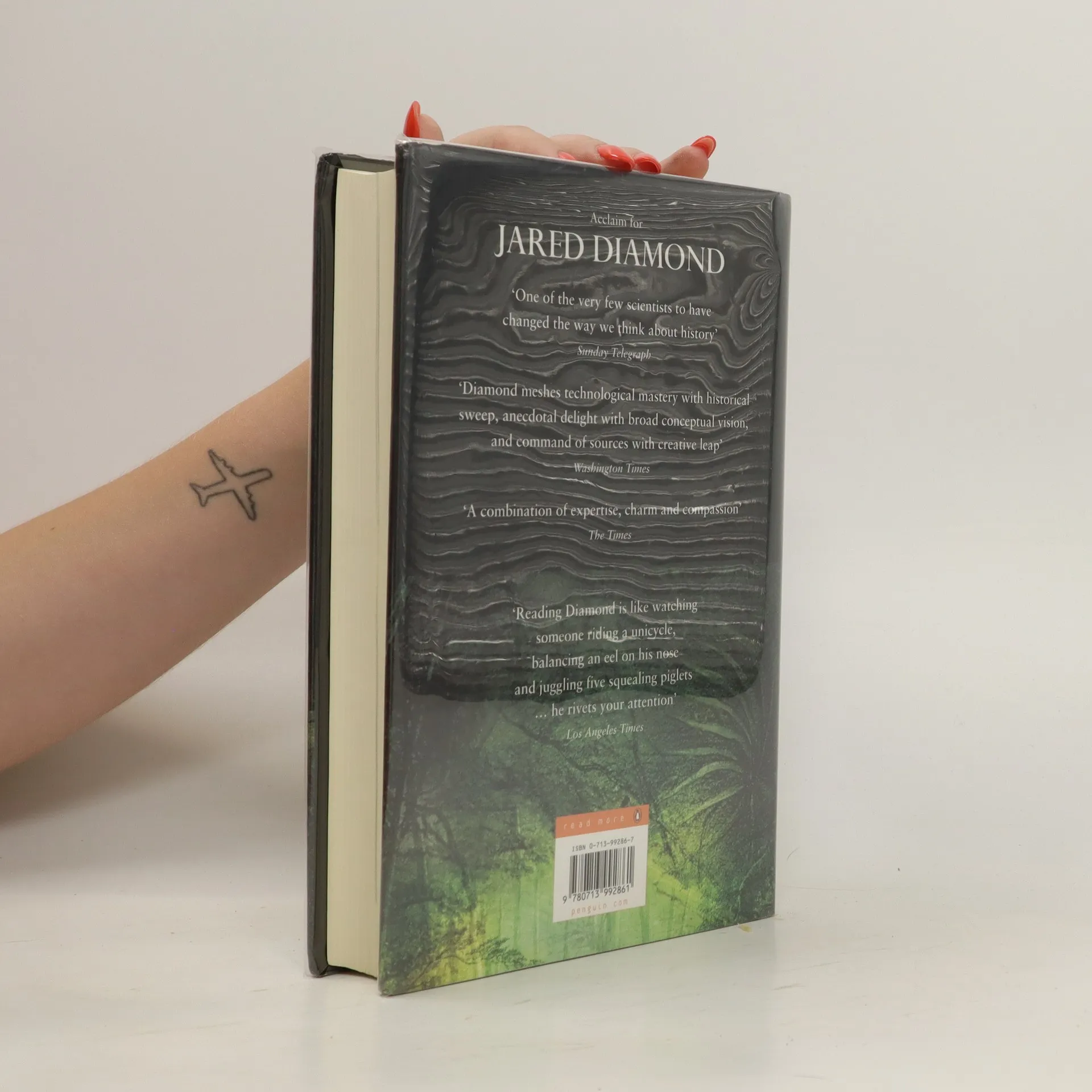
In Collapse, Jared Diamond investigates the fate of past human societies, and the lessons for our own future. What happened to the people who built the ruined temples of Angkor Wat, the long-abandonded statues of Easter Island, the crumbling Maya pyramids of the Yucatan? All saw their cultures collapse because of environmental crises. And it looks as if those crises were self-induced. As in his celebrated global best-seller Guns, Germs and Steel, Diamond brings together new evidence from a startling range of sources to tell a story with epic scope. And he lends it urgency for the modern world by probing the roots of decisions which allowed some societies to avoid ecological catastrophe, while others succumbed. How, he asks, can we learn to be survivors?




Book purchase
Collapse, Jared Diamond
- Language

- Released
- 2005
- product-detail.submit-box.info.binding
- (Hardcover)
Payment methods
We’re missing your review here.
- Title
- Collapse
- Language
- English
- Authors
- Jared Diamond
- Publisher
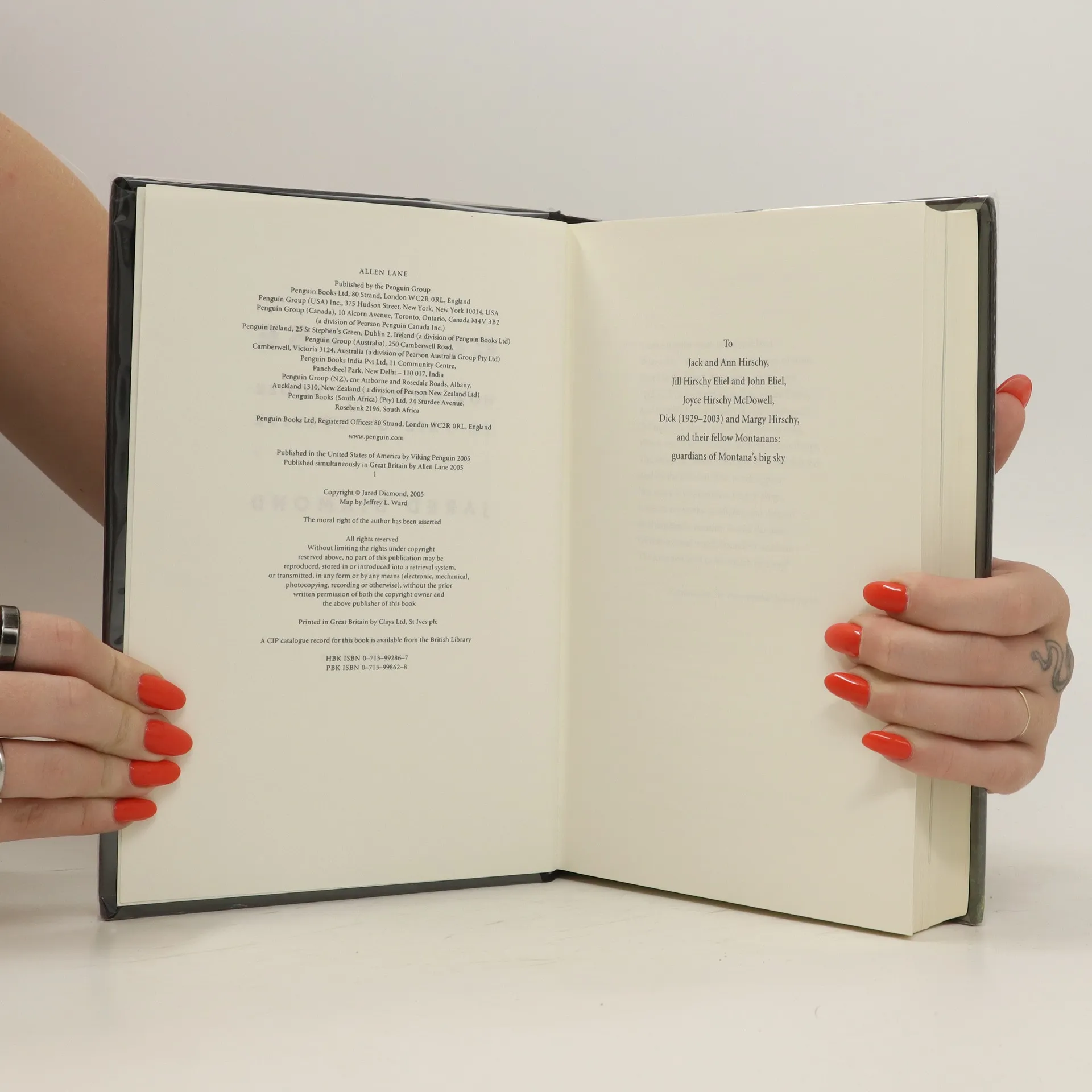
- Allen Lane
- Released
- 2005
- Format
- Hardcover
- Pages
- 400
- ISBN10
- 0713992867
- ISBN13
- 9780713992861
- Tags
- Non-Fiction, Social Sciences, Historical Themes, History, Science & Math, Political Science & Politics, Politics, Science, Environmental Themes, Sociology, Ecology, Gifts for grandpa, Anthropology, Present, Civilization, Self-Sufficiency, Global Issues, Overpopulation, Collapse of Civilization
- First published
- 2005
- Original title
- Collapse: How Societies Choose to Fail or Succeed
- Rating
- 3.95 out of 5
- Description
- In Collapse, Jared Diamond investigates the fate of past human societies, and the lessons for our own future. What happened to the people who built the ruined temples of Angkor Wat, the long-abandonded statues of Easter Island, the crumbling Maya pyramids of the Yucatan? All saw their cultures collapse because of environmental crises. And it looks as if those crises were self-induced. As in his celebrated global best-seller Guns, Germs and Steel, Diamond brings together new evidence from a startling range of sources to tell a story with epic scope. And he lends it urgency for the modern world by probing the roots of decisions which allowed some societies to avoid ecological catastrophe, while others succumbed. How, he asks, can we learn to be survivors?