


More about the book
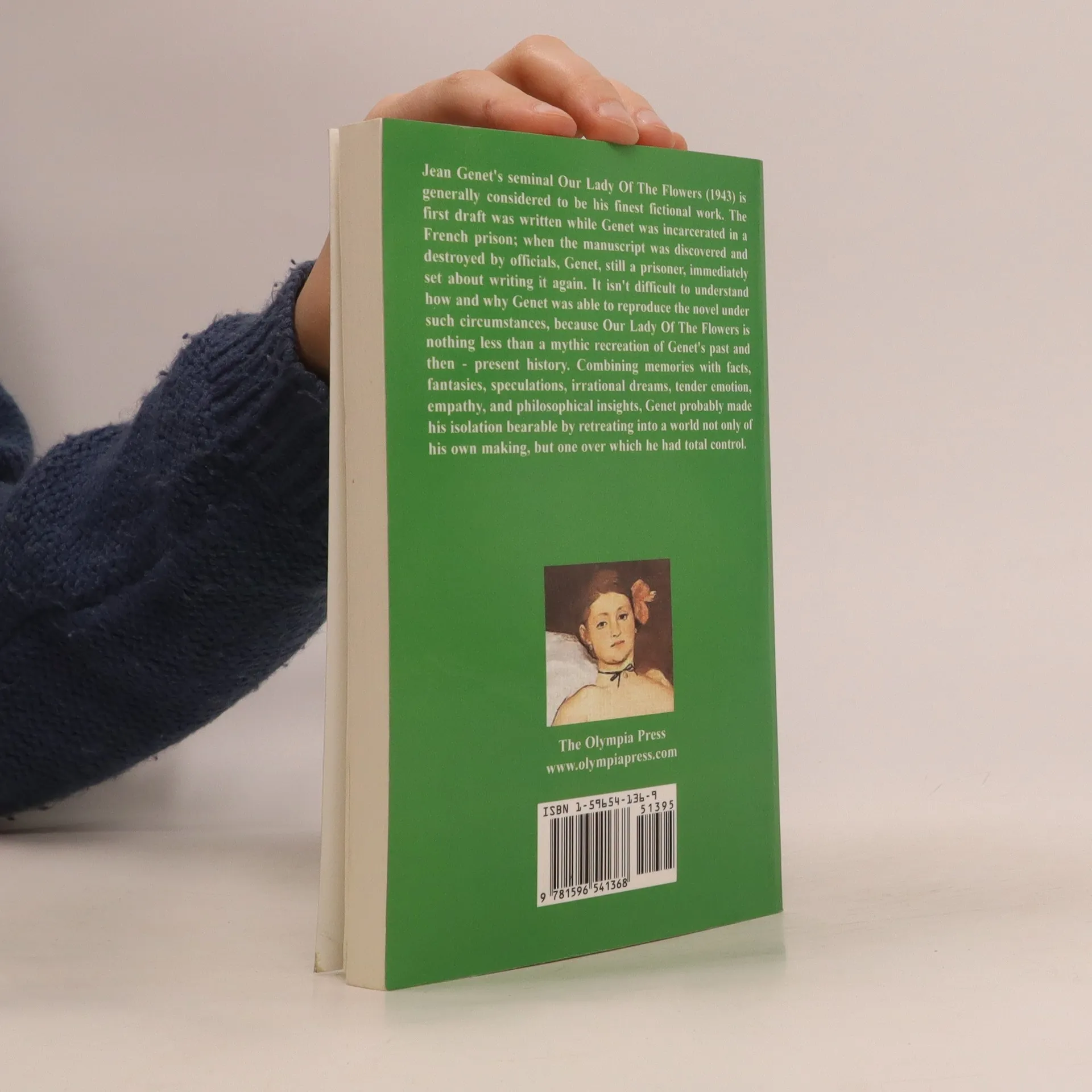
Jean Genet's seminal Our Lady Of The Flowers (1943) is generally considered to be his finest fictional work. The first draft was written while Genet was incarcerated in a French prison; when the manuscript was discovered and destroyed by officials, Genet, still a prisoner, immediately set about writing it again. It isn't difficult to understand how and why Genet was able to reproduce the novel under such circumstances, because Our Lady Of The Flowers is nothing less than a mythic recreation of Genet's past and then - present history. Combining memories with facts, fantasies, speculations, irrational dreams, tender emotion, empathy, and philosophical insights, Genet probably made his isolation bearable by retreating into a world not only of his own making, but one which he had total control over.






Book purchase
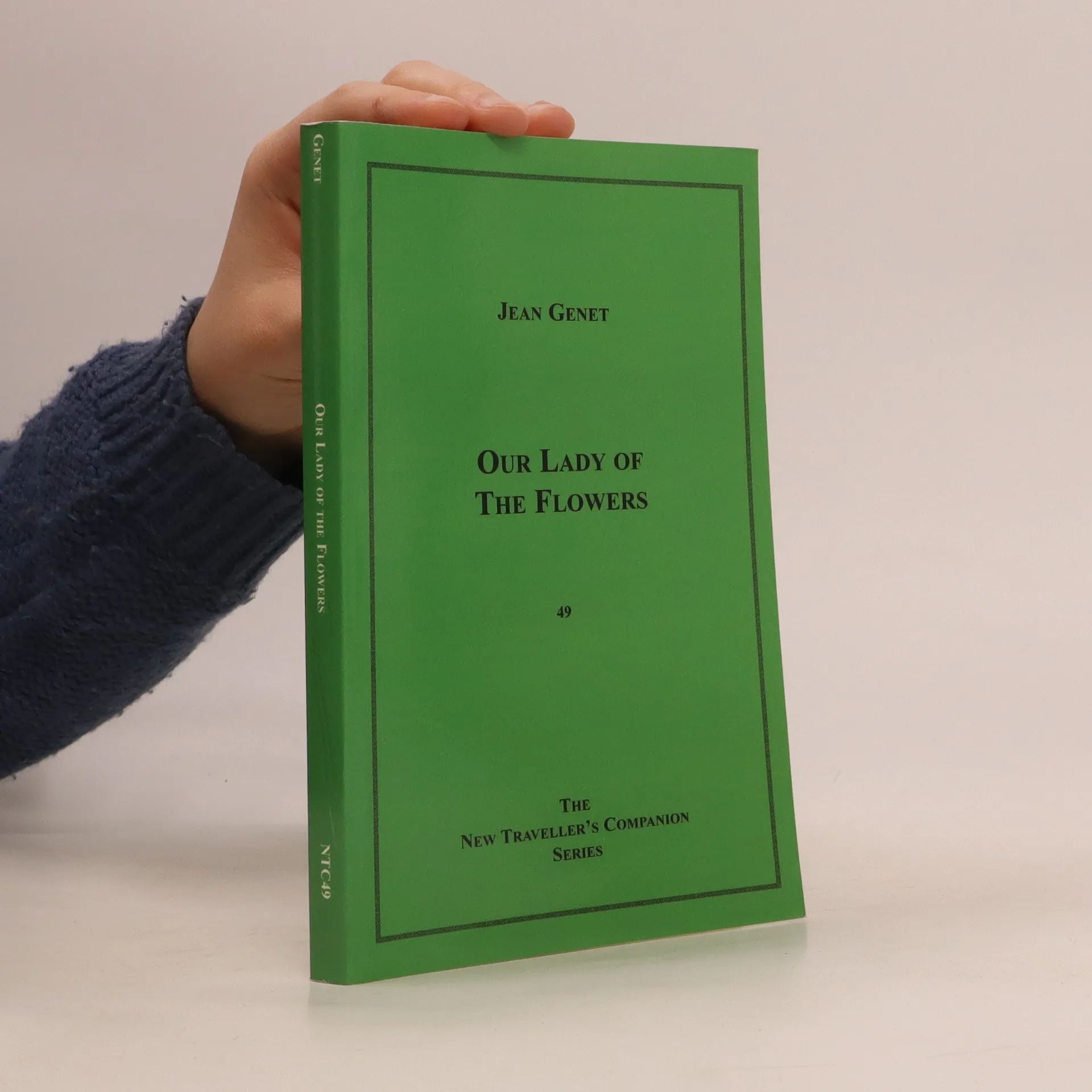
Our Lady of the Flowers, Jean Genet
- Language

- Released
- 2004
- product-detail.submit-box.info.binding
- (Paperback)
Payment methods
We’re missing your review here.
- Language
- English
- Authors
- Jean Genet
- Publisher
- Olympia Press
- Released
- 2004
- Format
- Paperback
- Pages
- 307
- ISBN10
- 1596541369
- ISBN13
- 9781596541368
- Series
- Tags
- Fiction, Classics, France, LGBTQ+, French Literature
- Original title
- Notre-Dame-des-fleurs
- Rating
- 4.05 out of 5
- Description
- Jean Genet's seminal Our Lady Of The Flowers (1943) is generally considered to be his finest fictional work. The first draft was written while Genet was incarcerated in a French prison; when the manuscript was discovered and destroyed by officials, Genet, still a prisoner, immediately set about writing it again. It isn't difficult to understand how and why Genet was able to reproduce the novel under such circumstances, because Our Lady Of The Flowers is nothing less than a mythic recreation of Genet's past and then - present history. Combining memories with facts, fantasies, speculations, irrational dreams, tender emotion, empathy, and philosophical insights, Genet probably made his isolation bearable by retreating into a world not only of his own making, but one which he had total control over.