


More about the book
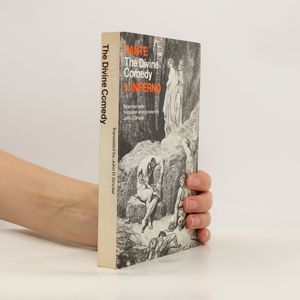
The complete Divine Comedy (Inferno, Purgatorio, Paradiso) in one volume from Vintage Classics. The greatest poem of the Middle Ages, in the standard Carlyle-Okey-Wickstead translation, with full notes. Dante’s Divine Comedy relates the allegorical tale of the poet’s journey through the three realms of the dead. Accompanied through the Inferno and Purgatory by Virgil—author of the Roman epic the Aeniad—Dante encounters mythical, historical, and contemporaneous figures in their respective afterlives. Relying on classical (pagan) mythology and Christian imagery and theology, Dante imagines diverse vivid and inventive punishments for the various sinners he encounters, which have become part of the Western imagination. Upon their approach to Paradise, which as a pagan, no matter how worthy, the Latin poet cannot enter, Virgil relinquishes his role as guide to Beatrice. Dante's chaste beloved then accompanies him along the ascent, as they encounter the blessed and the holy, and Dante arrives at a vision of the heavenly paradise.
Language


Publication

- 2024

- 2024
- 2024
- 2024
- 2024
- 2024
- 2023
- 2023
- 2023
- 2023
- 2023
- 2023
- 2022
- 2022
- 2022
- 2022
- 2022
- 2022
- 2022
- 2022
- 2022
- 2022
- 2022
- 2022
- 2022
- 2022
- 2022
- 2022
- 2022
- 2022
- 2022
- 2022
- 2022

- 2021
- 2021
- 2021
- 2021
- 2021
- 2021
- 2021
- 2021
- 2021
- 2021
- 2020
- 2020
- 2019
- 2019
- 2019
- 2019
- 2019
- 2019
- 2018
- 2018
- 2018
- 2018
- 2018
- 2018
- 2018
- 2018
- 2018
- 2017
- 2017
- 2017

- 2016
- 2016
- 2015
- 2015
- 2015

- 2014
- 2014


- 2013
- 2013
- 2013

- 2013
- 2012
- 2012
- 2012


- 2011
- 2011
- 2011
- 2010
- 2010
- 2010
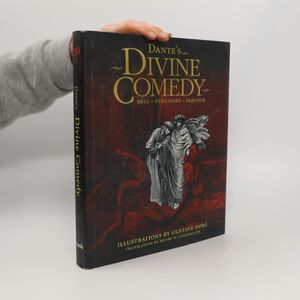
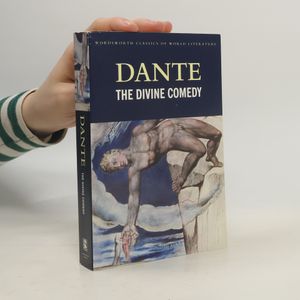

- 2009
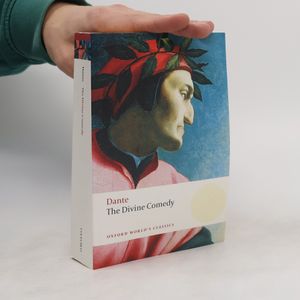
- 2008
- 2007
- 2007
- 2007
- 2007
- 2006
- 2005
- 2004

- 2003
- 2003
- 2003
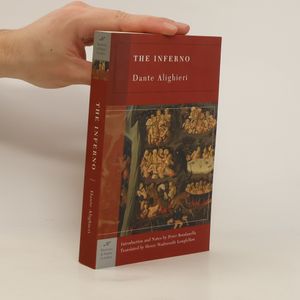
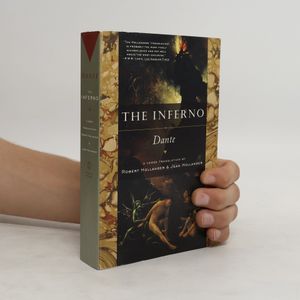
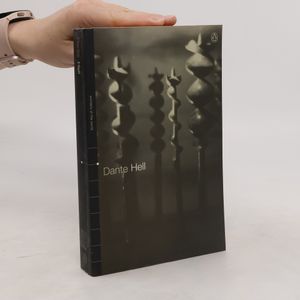
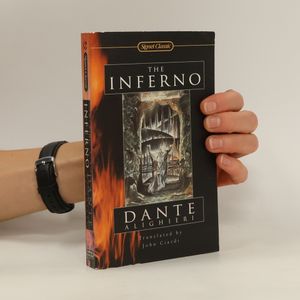
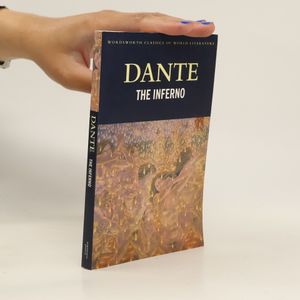
- 1997

- 1996


- 1995


- 1982





Book purchase
The Divine Comedy, Dante Alighieri
- Language

- Released
- 2013
- product-detail.submit-box.info.binding
- (Paperback)
Payment methods
We’re missing your review here.
- Title
- The Divine Comedy
- Language
- English
- Authors
- Dante Alighieri
- Publisher
- Random House LCC US
- Released
- 2013
- Format
- Paperback
- Pages
- 625
- ISBN10
- 0804169128
- ISBN13
- 9780804169127
- Series
- Tags
- Fiction, World Literature, Classics
- First published
- 1321
- Original title
- La Divina Commedia
- Rating
- 4 out of 5
- Description
- The complete Divine Comedy (Inferno, Purgatorio, Paradiso) in one volume from Vintage Classics. The greatest poem of the Middle Ages, in the standard Carlyle-Okey-Wickstead translation, with full notes. Dante’s Divine Comedy relates the allegorical tale of the poet’s journey through the three realms of the dead. Accompanied through the Inferno and Purgatory by Virgil—author of the Roman epic the Aeniad—Dante encounters mythical, historical, and contemporaneous figures in their respective afterlives. Relying on classical (pagan) mythology and Christian imagery and theology, Dante imagines diverse vivid and inventive punishments for the various sinners he encounters, which have become part of the Western imagination. Upon their approach to Paradise, which as a pagan, no matter how worthy, the Latin poet cannot enter, Virgil relinquishes his role as guide to Beatrice. Dante's chaste beloved then accompanies him along the ascent, as they encounter the blessed and the holy, and Dante arrives at a vision of the heavenly paradise.