

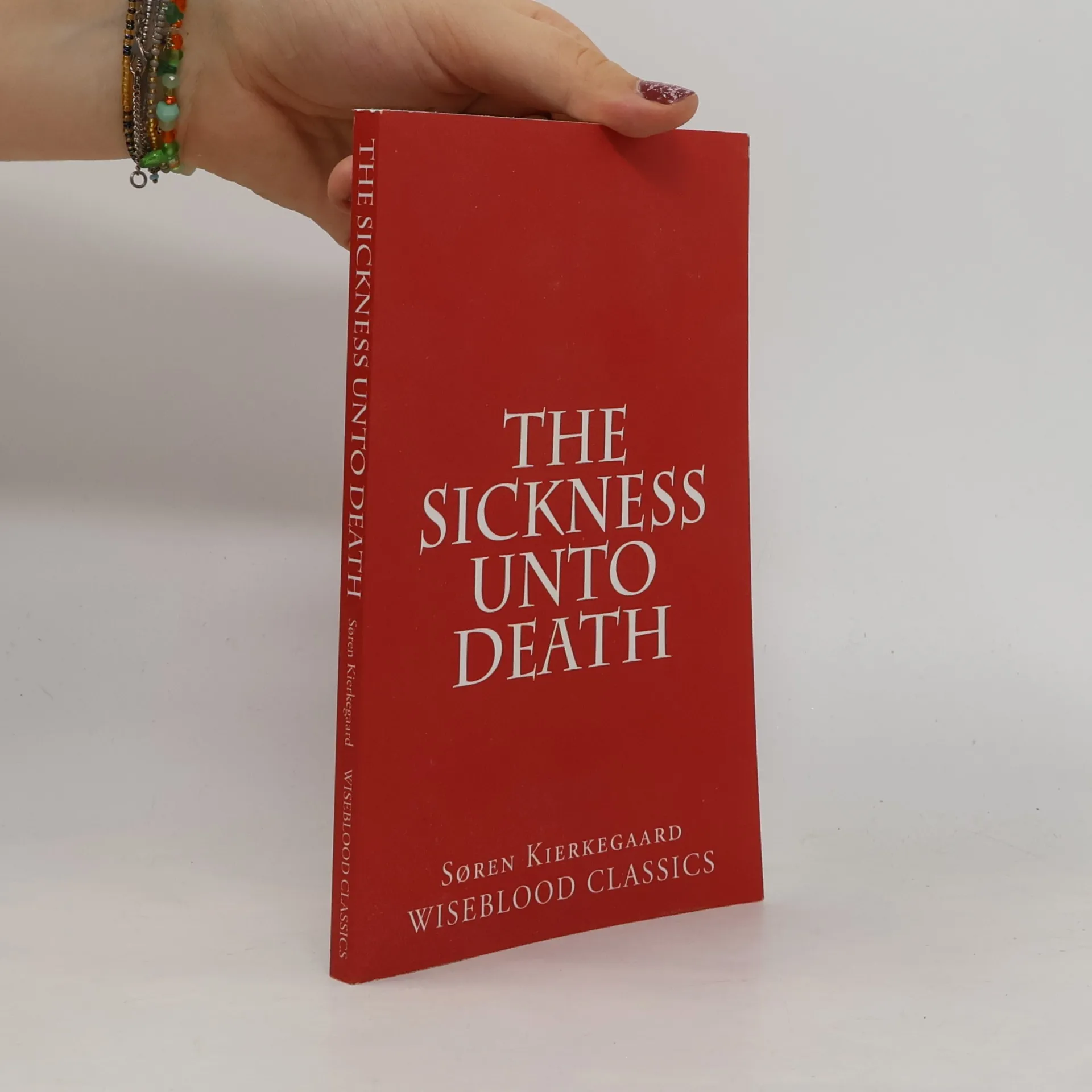


More about the book
Søren Kierkegaard (1813-1855) was a philosopher, theologian, satirist, and world-historical individual. In his exploration of despair, Kierkegaard forges a unique Christian psychology/philosophy of the subject. He poses the question: "Is despair an advantage or a drawback?" Viewed dialectically, it can be both. Abstractly, despair represents an immense advantage, as it distinguishes humans from beasts. This potential for despair highlights the loftiness of human spirit, suggesting that being aware of this condition is a Christian's advantage over the natural man. Healing from this sickness is portrayed as the ultimate bliss for Christians. Wiseblood Books publishes works of fiction, poetry, and philosophy that reveal truths with an unyielding "realism of distances," as described by Flannery O'Connor. These works seek redemption in unexpected places, challenge the monotony of life, and critique the pretensions of respectability. They delve into the complexities of faith and doubt, confront the nature of humanity as "political animals," and endure the trials of existence while maintaining hope. The pursuit of new epiphanies of truth remains a central focus.





Book purchase
Wiseblood Classics of Philosophy - 6: The Sickness Unto Death, Søren Kierkegaard
- Language

- Released
- 2013
- Binding
- (Paperback),
- Book condition
- Good
- Price
- €8.59
Payment methods
We’re missing your review here.
- Title
- Wiseblood Classics of Philosophy - 6: The Sickness Unto Death
- Language
- English
- Authors
- Søren Kierkegaard
- Released
- 2013
- Format
- Paperback
- Pages
- 144
- ISBN10
- 1490416625
- ISBN13
- 9781490416625
- Series
- Tags
- Psychological Topics, Religious Topics, Philosophical Topics, Christian Themes, Theology, Death, 19th century, Faith, Diseases, Ethics, Anxiety Disorders, Despair
- First published
- 1849
- Original title
- Sygdommen til døden
- Rating
- 4.1 out of 5
- Description
- Søren Kierkegaard (1813-1855) was a philosopher, theologian, satirist, and world-historical individual. In his exploration of despair, Kierkegaard forges a unique Christian psychology/philosophy of the subject. He poses the question: "Is despair an advantage or a drawback?" Viewed dialectically, it can be both. Abstractly, despair represents an immense advantage, as it distinguishes humans from beasts. This potential for despair highlights the loftiness of human spirit, suggesting that being aware of this condition is a Christian's advantage over the natural man. Healing from this sickness is portrayed as the ultimate bliss for Christians. Wiseblood Books publishes works of fiction, poetry, and philosophy that reveal truths with an unyielding "realism of distances," as described by Flannery O'Connor. These works seek redemption in unexpected places, challenge the monotony of life, and critique the pretensions of respectability. They delve into the complexities of faith and doubt, confront the nature of humanity as "political animals," and endure the trials of existence while maintaining hope. The pursuit of new epiphanies of truth remains a central focus.