

Sold out

More about the book
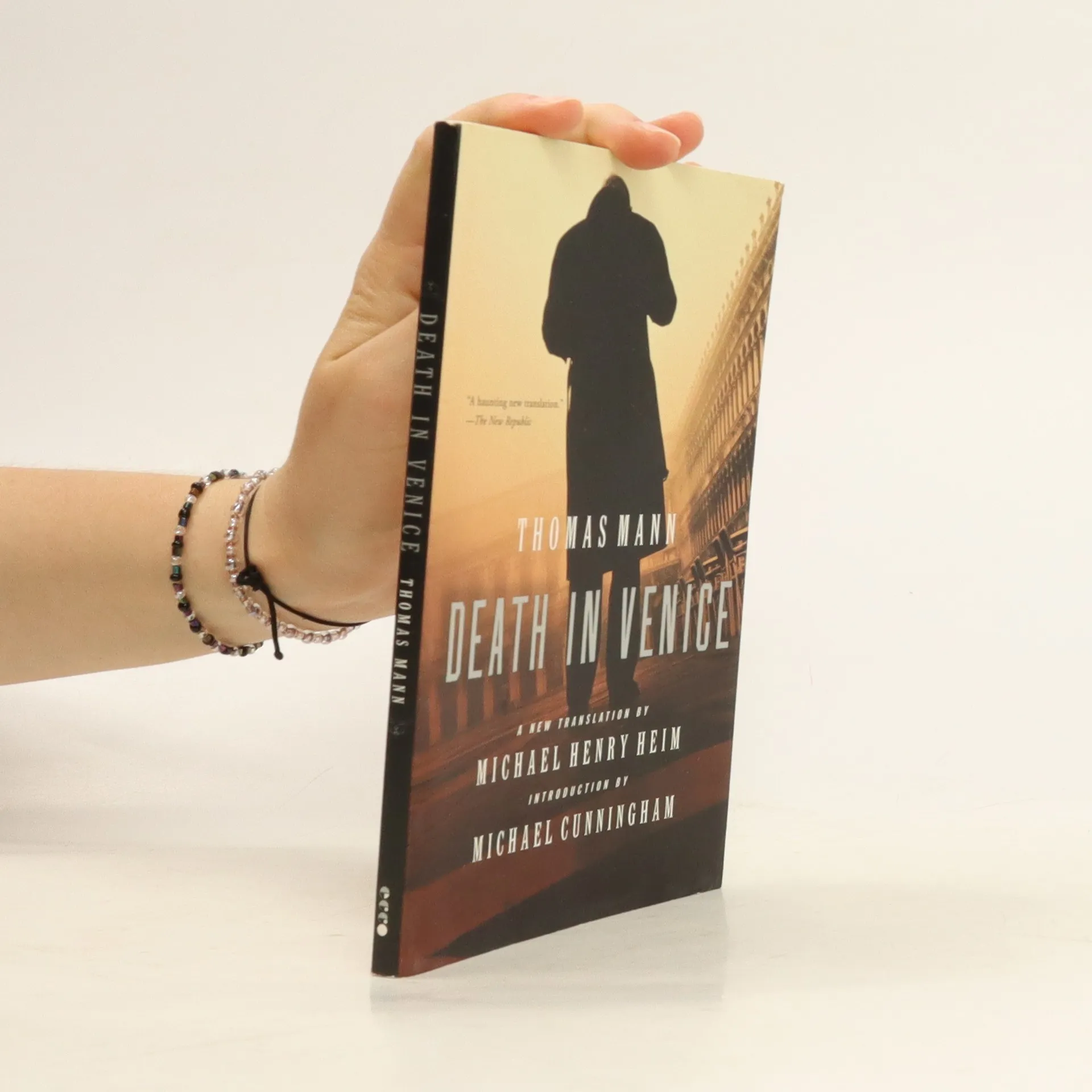
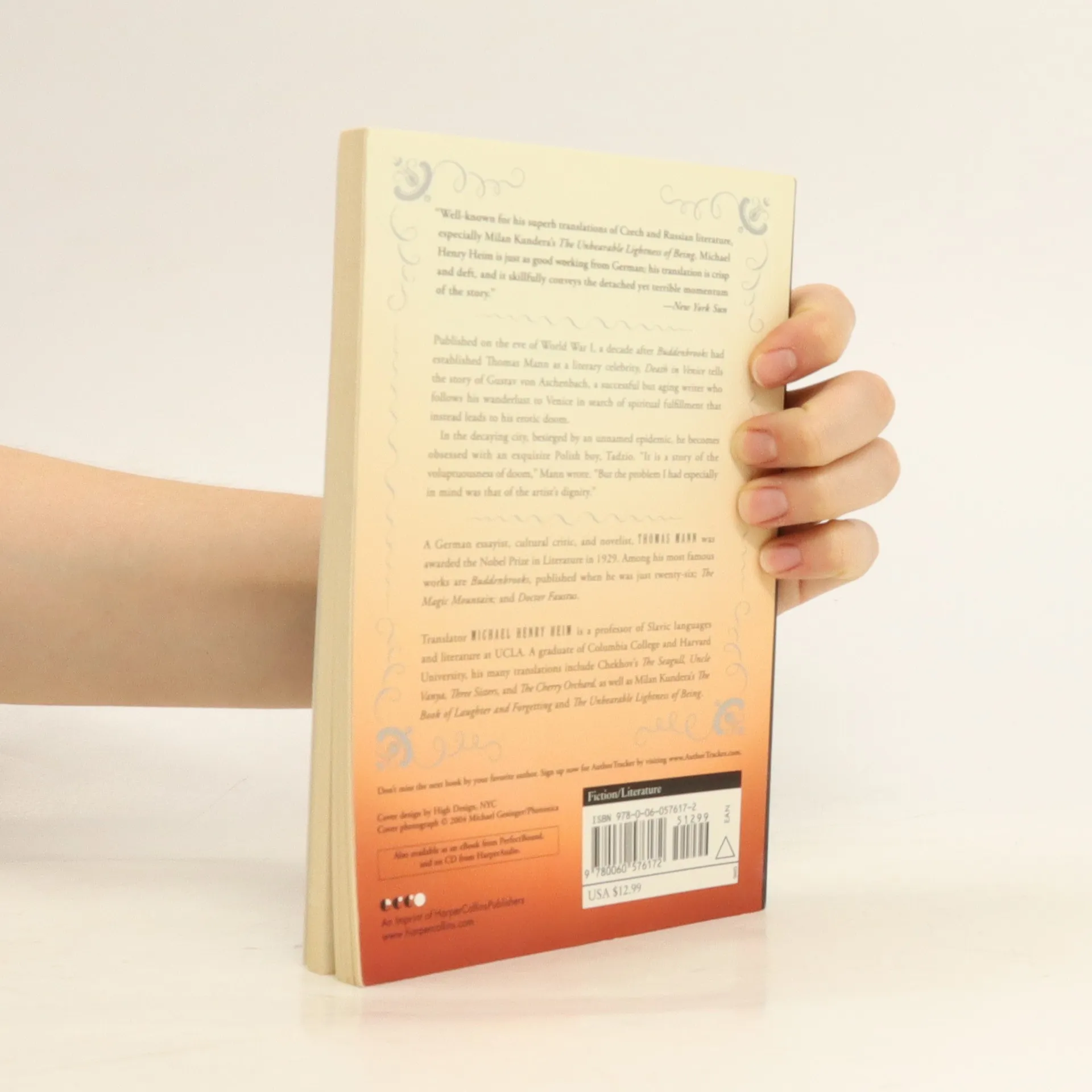
The world-famous masterpiece by Nobel laureate Thomas Mann -- here in a new translation by Michael Henry Heim.Published on the eve of World War I, a decade after Buddenbrooks had established Thomas Mann as a literary celebrity, Death in Venice tells the story of Gustav von Aschenbach, a successful but aging writer who follows his wanderlust to Venice in search of spiritual fulfillment that instead leads to his erotic doom.In the decaying city, besieged by an unnamed epidemic, he becomes obsessed with an exquisite Polish boy, Tadzio. "It is a story of the voluptuousness of doom," Mann wrote. "But the problem I had especially in mind was that of the artist's dignity."
Language





Book purchase
Death in Venice, Thomas Mann
- Language

- Released
- 2005
- Binding
- (Paperback)
We’ll email you as soon as we track it down.
Payment methods
We’re missing your review here.
- Title
- Death in Venice
- Language
- English
- Authors
- Thomas Mann
- Publisher
- Harper Perennial
- Released
- 2005
- Format
- Paperback
- ISBN10
- 0060576170
- ISBN13
- 9780060576172
- Series
- Tags
- Fiction, Historical Themes, Art, Love, German Literature, Classics, Short Stories, Germany, 20th century, LGBTQ+, Stories, Death, Italy, Southern Europe, Culture and Society, Adapted for Film, Novellas, Inspiration, Journey, Diseases, Writers, Required Reading, Homosexuality, Nobel prize, Narration, Hotels, Venice, Graphics
- First published
- 1912
- Original title
- Der Tod in Venedig
- Rating
- 3.75 out of 5
- Description
- The world-famous masterpiece by Nobel laureate Thomas Mann -- here in a new translation by Michael Henry Heim.Published on the eve of World War I, a decade after Buddenbrooks had established Thomas Mann as a literary celebrity, Death in Venice tells the story of Gustav von Aschenbach, a successful but aging writer who follows his wanderlust to Venice in search of spiritual fulfillment that instead leads to his erotic doom.In the decaying city, besieged by an unnamed epidemic, he becomes obsessed with an exquisite Polish boy, Tadzio. "It is a story of the voluptuousness of doom," Mann wrote. "But the problem I had especially in mind was that of the artist's dignity."