


Series
Parameters
- 96 pages
- 4 hours of reading
More about the book
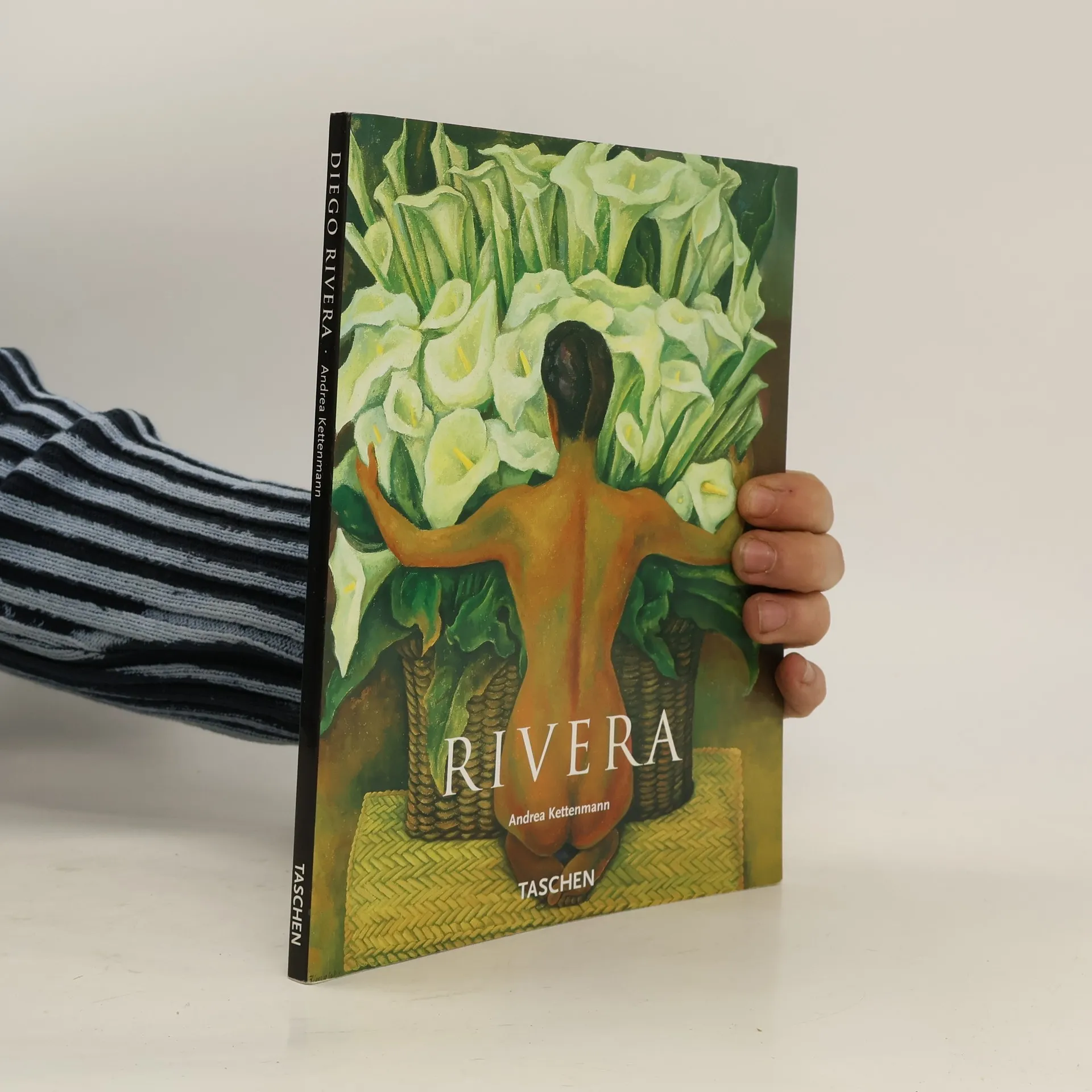
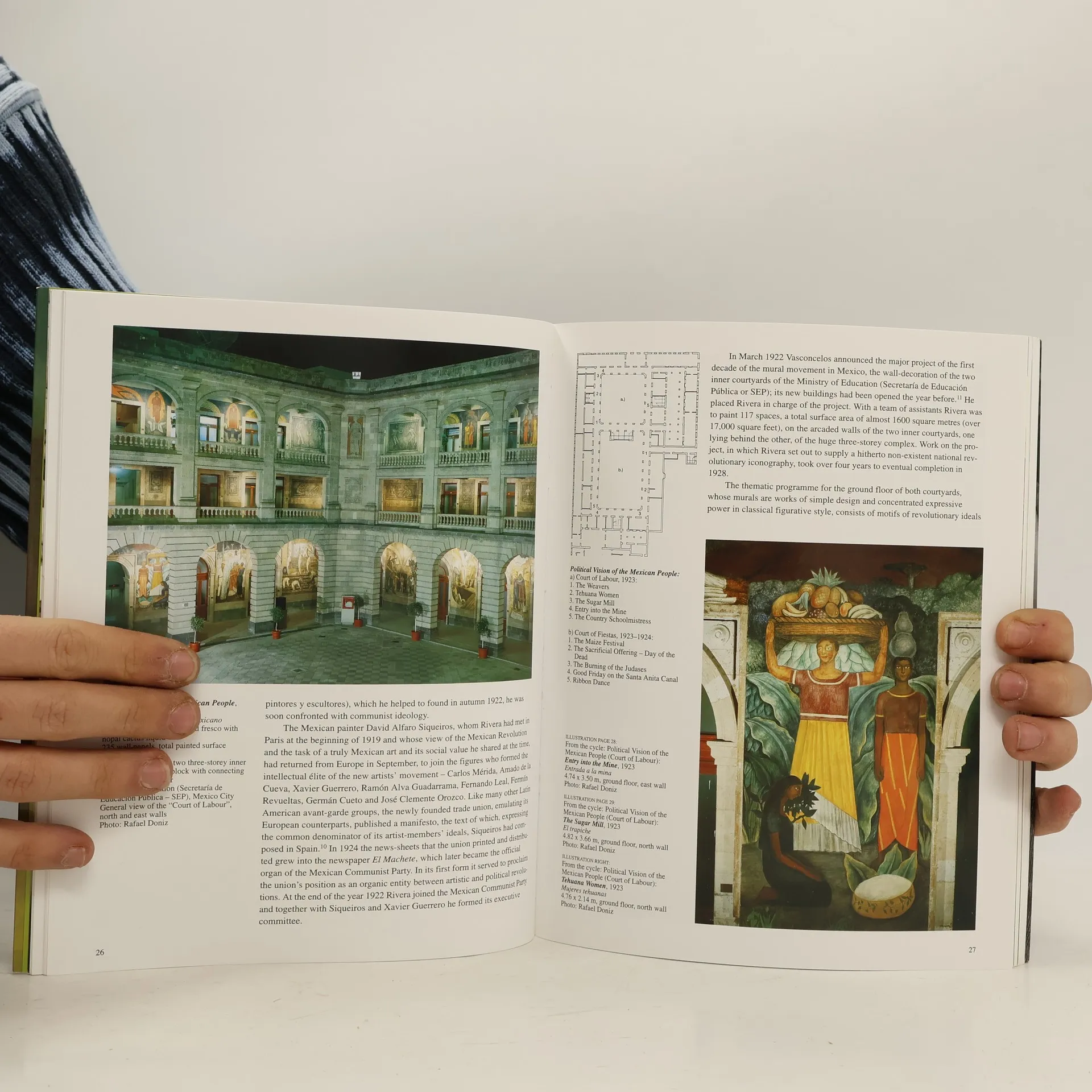
Diego Rivera - A revolutionary and troublemaker It was as a revolutionary and troublemaker that Picasso, Dalí and André Breton described the husband of Frida Kahlo, Diego Rivera, but he was also responsible for creating a public art that was both highly advanced and profoundly accessible. From 1910 Rivera lived in Europe where he absorbed the influence of Cubism. After the Mexican revolution, however, he returned to his homeland and harnessed the lessons of the European avant-garde to the needs of the Mexican people. His own murals, and those of the Mexican Muralists who followed his example, presented a utopian vision of a post-revolutionary Mexico. Rivera’s historical paintings expressed his interpretation of the revolution and its ideals, in a style that showed him returning to the pre-Columbian roots of Mexican culture, re-inventing a colourfully realistic visual idiom that could appeal directly to a largely illiterate people. This is the first study which, independently of the exhibition circuit, coherently presents the work of this extraordinary artist. About the Each book in TASCHEN’s Basic Art series





Book purchase
Diego Rivera : 1886-1957 : A Revolutionary Spirit in Modern Art, Andrea Kettenmann
- Language

- Released
- 2006
- product-detail.submit-box.info.binding
- (Paperback)
Payment methods
We’re missing your review here.
- Language
- English
- Authors
- Andrea Kettenmann
- Publisher
- Taschen
- Released
- 2006
- Format
- Paperback
- Pages
- 96
- ISBN10
- 3822858625
- ISBN13
- 9783822858622
- Series
- Taschen Basic Art
- Tags
- Non-Fiction, Art & Culture, True Stories, Biographies, Art, Art History & Criticism, History of Art
- Original title
- Diego Rivera
- Rating
- 3.9 out of 5
- Description
- Diego Rivera - A revolutionary and troublemaker It was as a revolutionary and troublemaker that Picasso, Dalí and André Breton described the husband of Frida Kahlo, Diego Rivera, but he was also responsible for creating a public art that was both highly advanced and profoundly accessible. From 1910 Rivera lived in Europe where he absorbed the influence of Cubism. After the Mexican revolution, however, he returned to his homeland and harnessed the lessons of the European avant-garde to the needs of the Mexican people. His own murals, and those of the Mexican Muralists who followed his example, presented a utopian vision of a post-revolutionary Mexico. Rivera’s historical paintings expressed his interpretation of the revolution and its ideals, in a style that showed him returning to the pre-Columbian roots of Mexican culture, re-inventing a colourfully realistic visual idiom that could appeal directly to a largely illiterate people. This is the first study which, independently of the exhibition circuit, coherently presents the work of this extraordinary artist. About the Each book in TASCHEN’s Basic Art series