

Parameters
More about the book
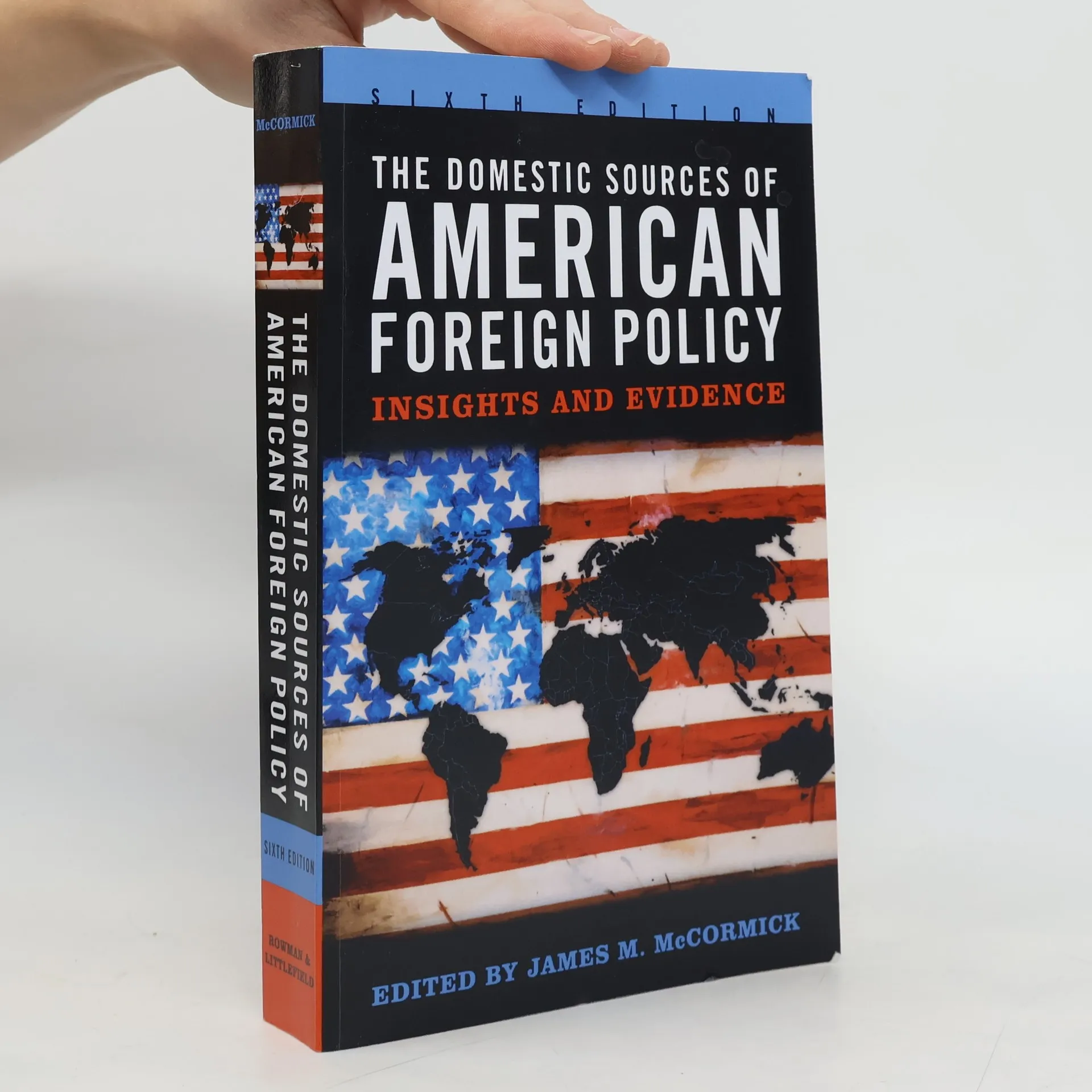
The Domestic Sources of American Foreign Policy: Insights and Evidence is a collection of current readings on how the domestic environment impacts American foreign policy today. The reader begins with an introduction focusing on why and how the domestic setting affects U.S. foreign policy. The volume is divided into three major parts with an opening essay by the editors to place that part in context and then eight essays that analyze the topic in that part in more detail. Part I, 'The Societal Environment,' contains a series of articles on the position of interest groups, the impact of military experience, the effect of public opinion, and the role of elections and political parties on foreign policy. Part II, 'The Institutional Setting,' examines how various political institutions, such as Congress, the presidency, and various bureaucracies shape American foreign policy. Part III, 'Decisionmakers and Their Policymaking Positions,' provides various case analyses over several administrations to illustrate how individuals and bureaucracies affect foreign policy decision-making at the highest levels of government.
Book purchase
The Domestic Sources of American Foreign Policy, James M. McCormick
- Language

- Released
- 2012
- Binding
- (Paperback)
Payment methods
We’re missing your review here.
- Title
- The Domestic Sources of American Foreign Policy
- Subtitle
- Insights and Evidence
- Language
- English
- Authors
- James M. McCormick
- Publisher
- Rowman & Littlefield Publishers
- Released
- 2012
- Format
- Paperback
- ISBN10
- 1442209615
- ISBN13
- 9781442209619
- Series
- Tags
- USA
- Rating
- 3.5 out of 5
- Description
- The Domestic Sources of American Foreign Policy: Insights and Evidence is a collection of current readings on how the domestic environment impacts American foreign policy today. The reader begins with an introduction focusing on why and how the domestic setting affects U.S. foreign policy. The volume is divided into three major parts with an opening essay by the editors to place that part in context and then eight essays that analyze the topic in that part in more detail. Part I, 'The Societal Environment,' contains a series of articles on the position of interest groups, the impact of military experience, the effect of public opinion, and the role of elections and political parties on foreign policy. Part II, 'The Institutional Setting,' examines how various political institutions, such as Congress, the presidency, and various bureaucracies shape American foreign policy. Part III, 'Decisionmakers and Their Policymaking Positions,' provides various case analyses over several administrations to illustrate how individuals and bureaucracies affect foreign policy decision-making at the highest levels of government.