

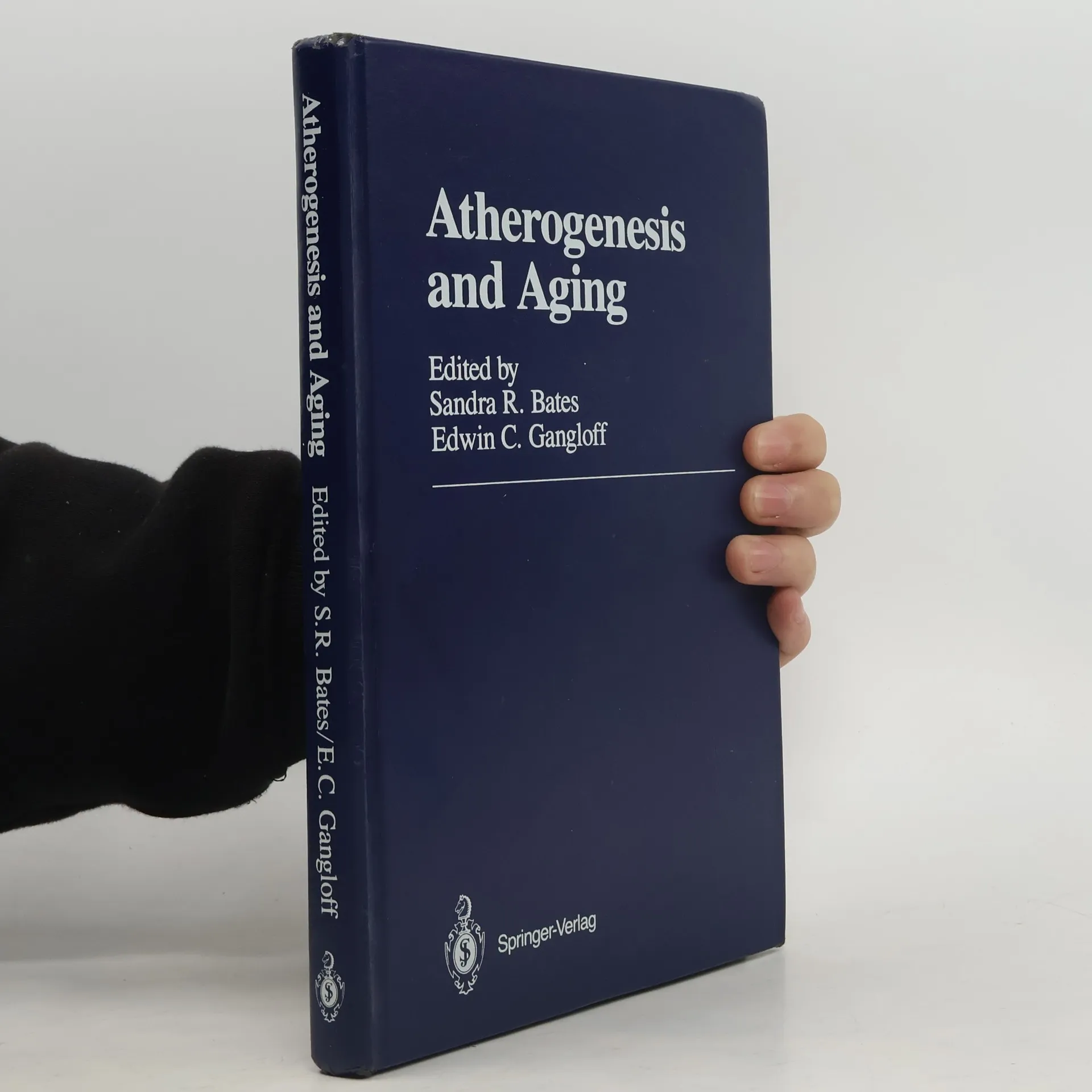
More about the book
Age is a nonreversible risk factor for atherosclerosis, which begins early in life, progresses through middle age, and often leads to clinical disease in later years. Atherosclerosis is multifactorial, making it challenging to differentiate intrinsic aging from long-term environmental influences. The role of genetic factors also remains unclear. A recent workshop has yielded valuable insights into how age affects atherogenesis. Significant advancements have been made in understanding the changes in arterial walls, as well as the roles of lipoproteins, platelets, and monocyte-derived macrophages in the disease process. Concurrently, our knowledge of aging biology has evolved, allowing for a productive intersection between these two fields. The workshop proceedings highlight the benefits of ongoing collaboration among scientists focused on aging and those studying atherosclerosis. This interaction may lead to a deeper understanding and potentially a future where atherosclerosis is no longer an inevitable aspect of aging.
Book purchase
Atherogenesis and Aging, Sandra R. Bates, Edwin C. Gangloff
- Language

- Released
- 1987
- Binding
- (Hardcover)
Payment methods
No one has rated yet.
- Title
- Atherogenesis and Aging
- Language
- English
- Authors
- Sandra R. Bates, Edwin C. Gangloff
- Publisher
- Springer-Verlag
- Released
- 1987
- Format
- Hardcover
- Pages
- 213
- ISBN10
- 0387963936
- ISBN13
- 9780387963938
- Series
- Categories
- Tags
- Natural sciences, Science, USA, Medicine, Professional Literature, Aging, Biochemistry, Basics, Physiology, Cardiology, Human Physiology, Hematology, Etiology
- Description
- Age is a nonreversible risk factor for atherosclerosis, which begins early in life, progresses through middle age, and often leads to clinical disease in later years. Atherosclerosis is multifactorial, making it challenging to differentiate intrinsic aging from long-term environmental influences. The role of genetic factors also remains unclear. A recent workshop has yielded valuable insights into how age affects atherogenesis. Significant advancements have been made in understanding the changes in arterial walls, as well as the roles of lipoproteins, platelets, and monocyte-derived macrophages in the disease process. Concurrently, our knowledge of aging biology has evolved, allowing for a productive intersection between these two fields. The workshop proceedings highlight the benefits of ongoing collaboration among scientists focused on aging and those studying atherosclerosis. This interaction may lead to a deeper understanding and potentially a future where atherosclerosis is no longer an inevitable aspect of aging.