

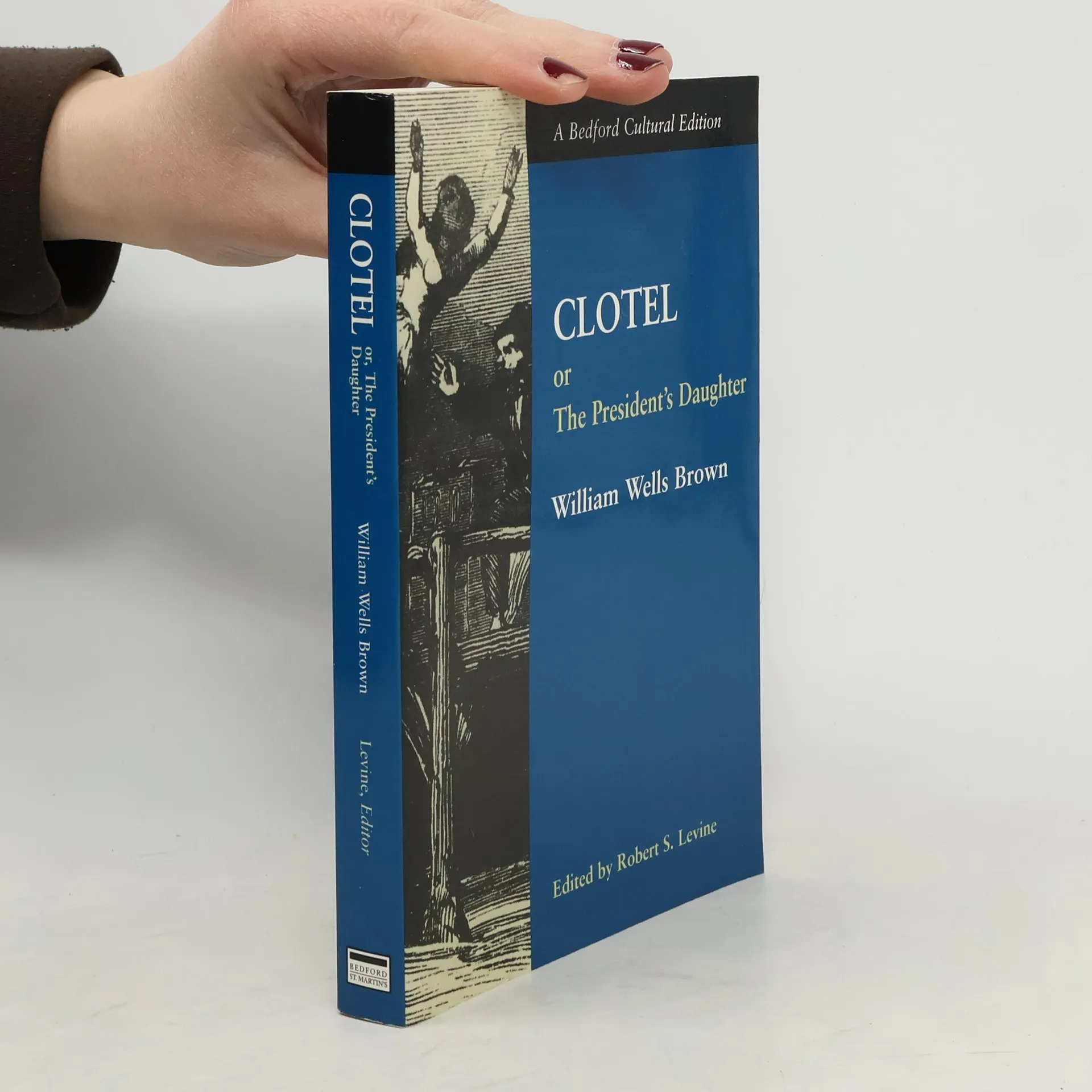
Bedford Cultural Edition: Clotel
Or, The President's Daughter
Book rating
More about the book
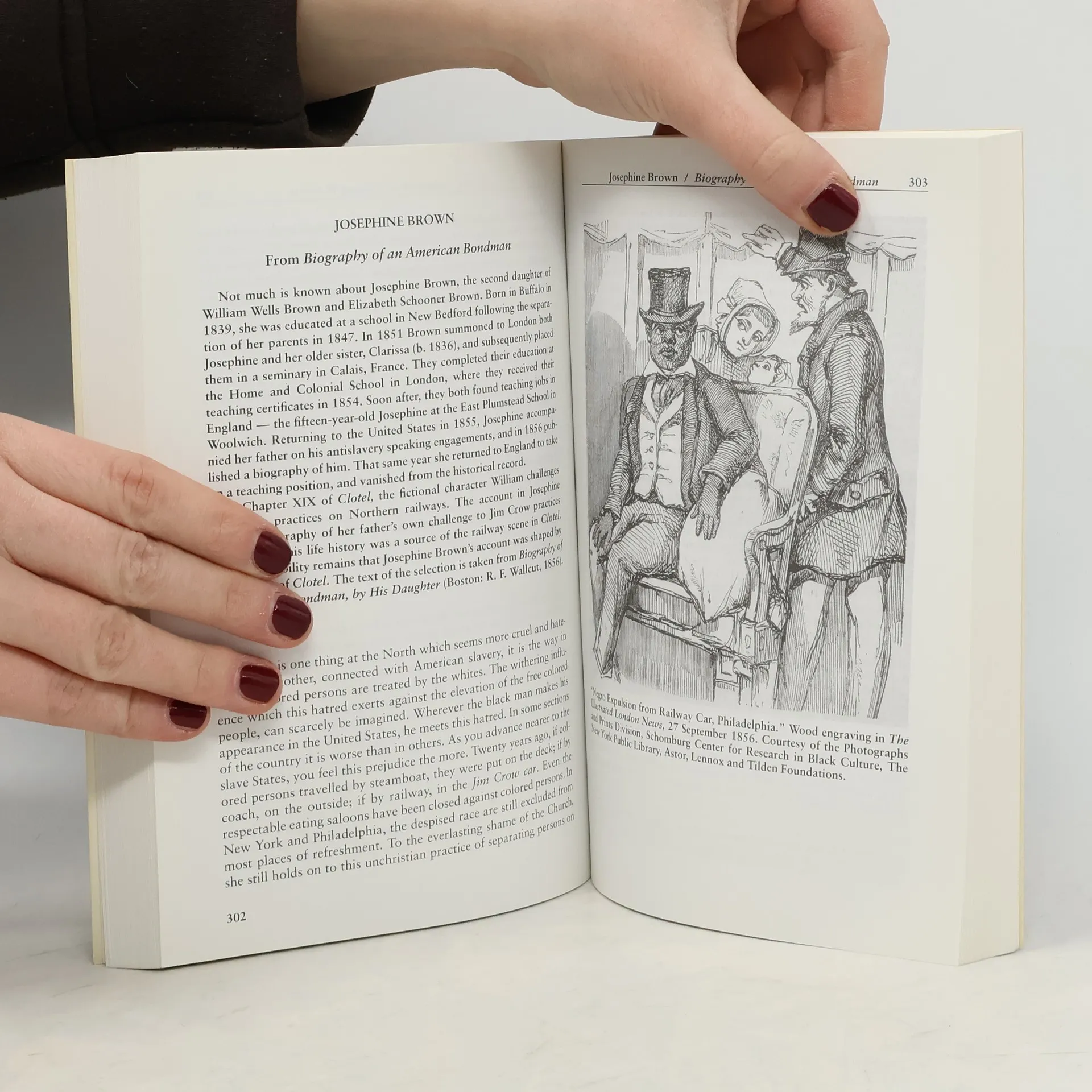
William Wells Brown’s Clotel (1853), the first novel written by an African American, was published in London while Brown was still legally regarded as "property" within the borders of the United States. The novel was inspired by the story of Thomas Jefferson’s purported sexual relationship with his slave Sally Hemings. Brown fictionalizes the stories of Jefferson’s mistress, daughters, and granddaughters — all of whom are slaves — in order to demythologize the dominant U.S. cultural narrative celebrating Jefferson’s America as a nation of freedom and equality for all. The documents in this edition include excerpts from Brown’s sources for the novel — fiction, political essays, sermons, and presidential proclamations; selections that illuminate the range of contemporary attitudes concerning race, slavery, and prejudice; and pieces that advocate various methods of resistance and reform.
Book purchase
Bedford Cultural Edition: Clotel, William Wells Brown, Robert S. Levine
- Language

- Released
- 2000
- Binding
- (Paperback)
Payment methods
We’re missing your review here.
- Title
- Bedford Cultural Edition: Clotel
- Subtitle
- Or, The President's Daughter
- Language
- English
- Authors
- William Wells Brown, Robert S. Levine
- Publisher
- Bedford/St. Martin's
- Released
- 2000
- Format
- Paperback
- Pages
- 527
- ISBN10
- 0312152655
- ISBN13
- 9780312152659
- Series
- Categories
- Rating
- 3.5 out of 5
- Description
- William Wells Brown’s Clotel (1853), the first novel written by an African American, was published in London while Brown was still legally regarded as "property" within the borders of the United States. The novel was inspired by the story of Thomas Jefferson’s purported sexual relationship with his slave Sally Hemings. Brown fictionalizes the stories of Jefferson’s mistress, daughters, and granddaughters — all of whom are slaves — in order to demythologize the dominant U.S. cultural narrative celebrating Jefferson’s America as a nation of freedom and equality for all. The documents in this edition include excerpts from Brown’s sources for the novel — fiction, political essays, sermons, and presidential proclamations; selections that illuminate the range of contemporary attitudes concerning race, slavery, and prejudice; and pieces that advocate various methods of resistance and reform.