


More about the book
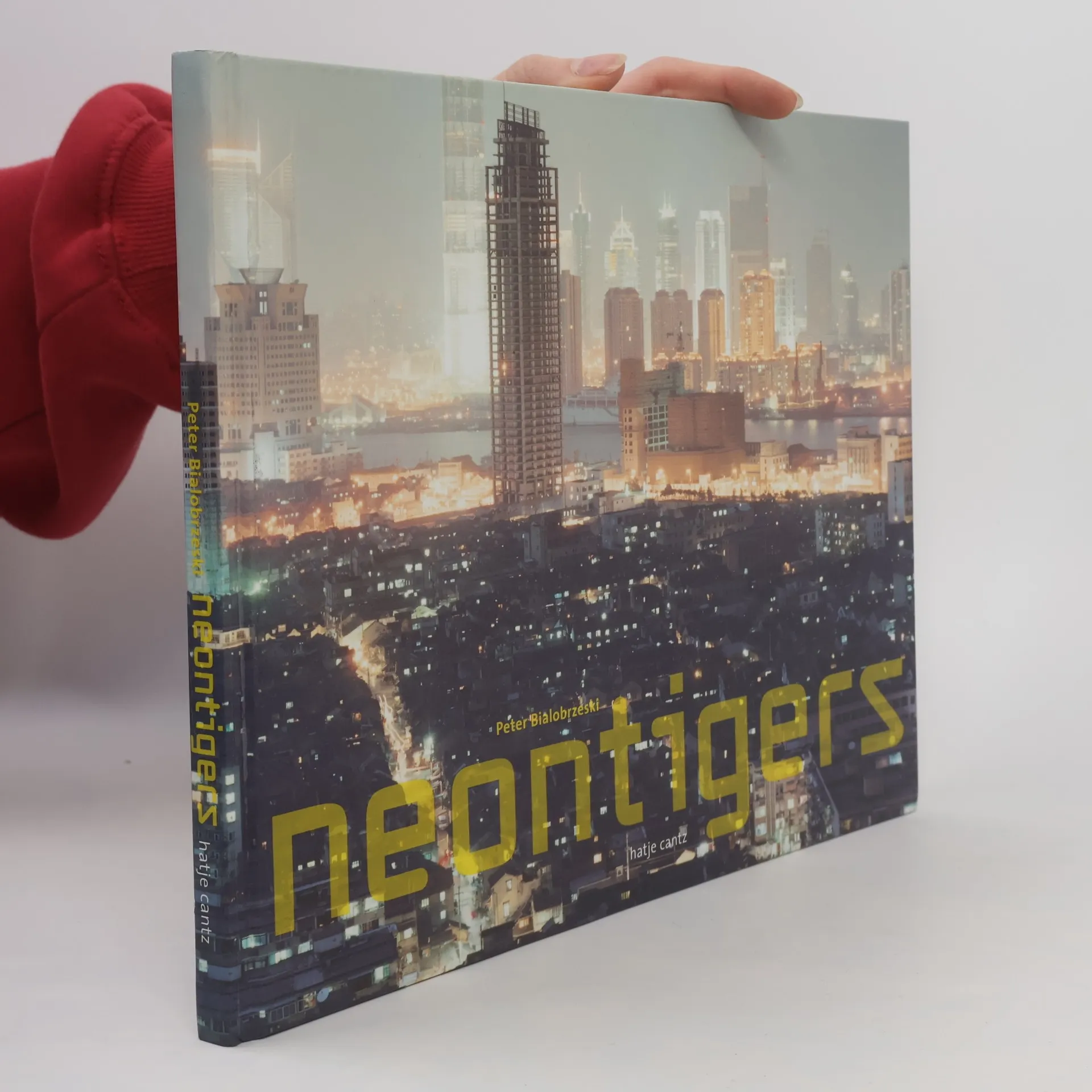
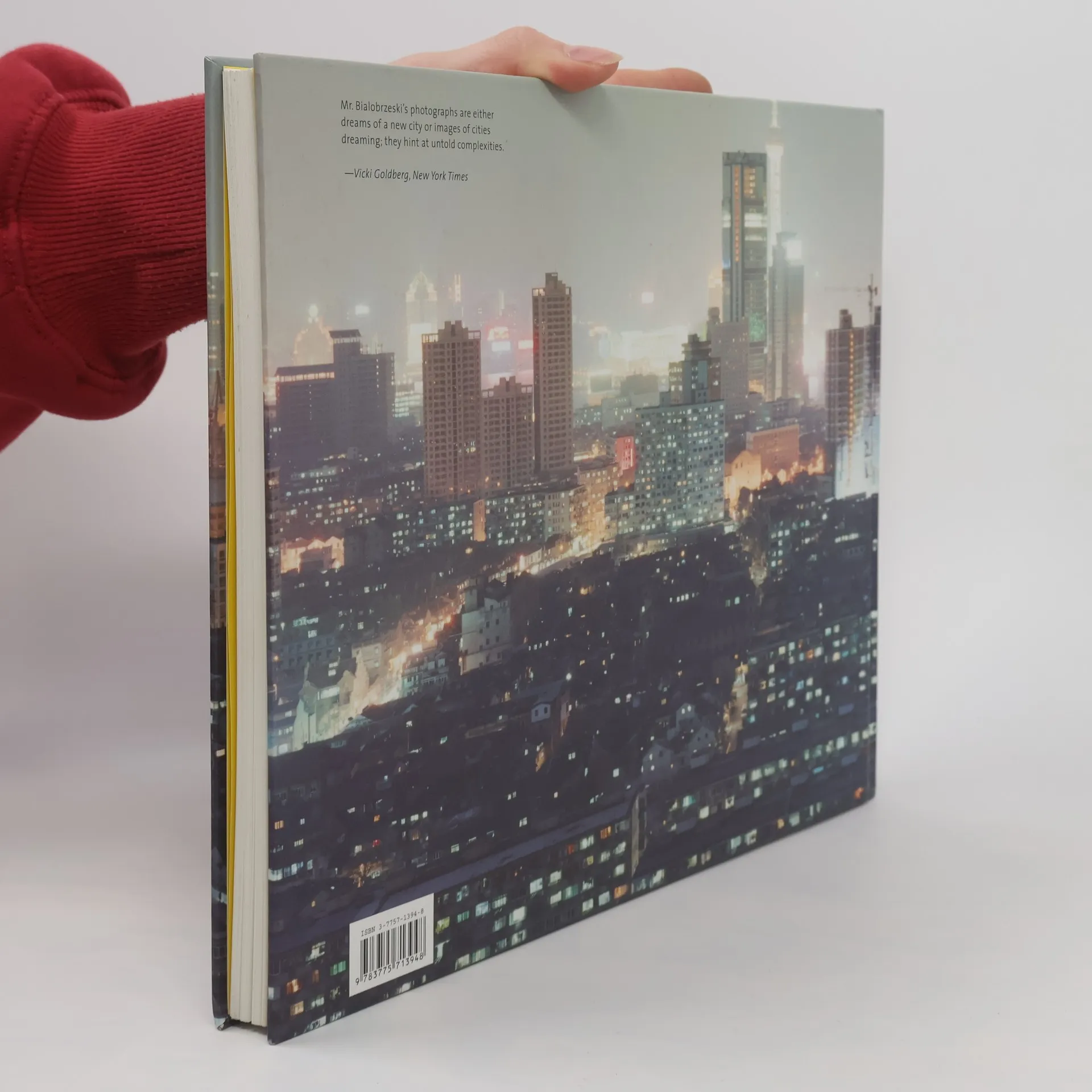
Photographer Peter Bialobrzeski here merges the seven Asian cities of Bangkok, Kuala Lumpur, Hong Kong, Shanghai, Jakarta, Singapor, and Shenzhen into a virtual megatropolis. The result is a view of a world that no longer seems real but appears instead as a series of dream-images from an eccentric director or computer game designer. References to reality evoke a sense of conflict in the viewer, as appreciation for the beauty of the absurd competes with recognition of an irreversible process of change in urban living space. Two different growth models are exposed: unscrupulous, uncontrolled expansion, as in Bangkok, and controlled, yet equally unscrupulous growth in a city like Shanghai. The pictures burst with conflicting signs and symbols, mostly indecipherable to the western viewer, a semiotic overkill held in check only by the picture frame.
Book purchase
Neontigers, Christoph Ribbat, Florian Hanig, Peter Bialobrzeski
- Language

- Released
- 2004
- Binding
- (Hardcover)
Payment methods
We’re missing your review here.
- Title
- Neontigers
- Language
- English
- Publisher
- Hatje Cantz
- Released
- 2004
- Format
- Hardcover
- Pages
- 112
- ISBN10
- 3775713948
- ISBN13
- 9783775713948
- Series
- Categories
- Tags
- Cities
- Rating
- 4.1 out of 5
- Description
- Photographer Peter Bialobrzeski here merges the seven Asian cities of Bangkok, Kuala Lumpur, Hong Kong, Shanghai, Jakarta, Singapor, and Shenzhen into a virtual megatropolis. The result is a view of a world that no longer seems real but appears instead as a series of dream-images from an eccentric director or computer game designer. References to reality evoke a sense of conflict in the viewer, as appreciation for the beauty of the absurd competes with recognition of an irreversible process of change in urban living space. Two different growth models are exposed: unscrupulous, uncontrolled expansion, as in Bangkok, and controlled, yet equally unscrupulous growth in a city like Shanghai. The pictures burst with conflicting signs and symbols, mostly indecipherable to the western viewer, a semiotic overkill held in check only by the picture frame.