

Explore the latest books of this year!
Bookbot

Christoph Ribbat

    January 1, 1968
    Christoph Ribbat
    Basketball
    Becoming Kathrine Talbot
    Evelyn Hofer
    Flickering Light: A History of Neon
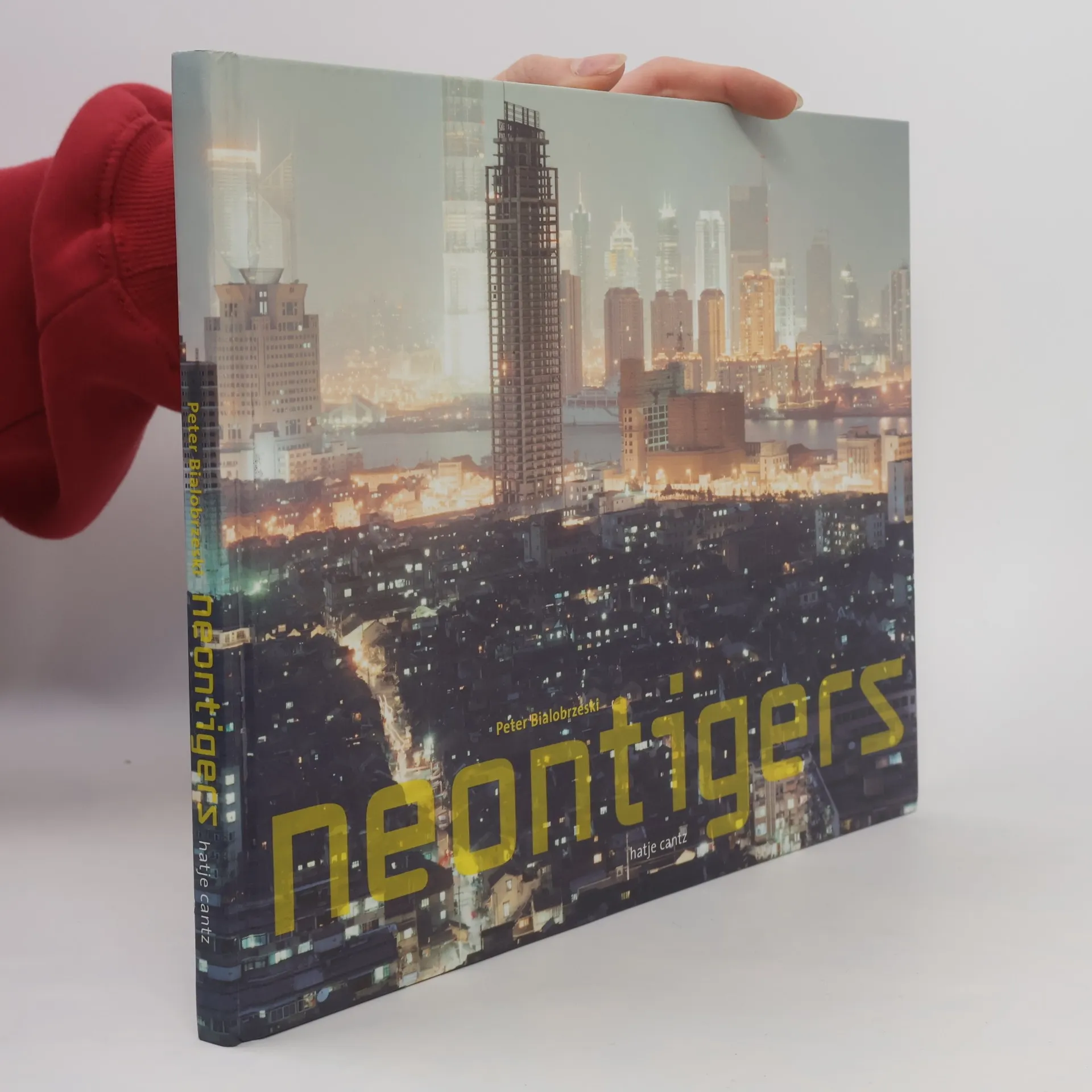
    Neontigers
    Breathing in Manhattan
    • Breathing in Manhattan

      Carola Speads – The German Jewish Gymnastics Instructor Who Brought Mindfulness to America

      • 134 pages
      • 5 hours of reading

      In 1938 gymnastics instructor Carola Spitz escaped from Nazi Germany. In New York she turned into Carola Speads, revered teacher of mindfulness. She breathed with clients in her Central Park West studio until she was 97 years old. Now Christoph Ribbat combines her gripping biography with the histories of modern bodywork and breathing experiments. He illuminates the tension between self-help fads and 20th century catastrophes. Accessible and quirky, Breathing in Manhattan speaks to experts and non-experts alike: to readers of Jewish history, students of New York City, and to anyone attracted by - or skeptical of - the promises of mindfulness.

      Breathing in Manhattan
      5.0
    • Neontigers

      • 112 pages
      • 4 hours of reading

      Photographer Peter Bialobrzeski here merges the seven Asian cities of Bangkok, Kuala Lumpur, Hong Kong, Shanghai, Jakarta, Singapor, and Shenzhen into a virtual megatropolis. The result is a view of a world that no longer seems real but appears instead as a series of dream-images from an eccentric director or computer game designer. References to reality evoke a sense of conflict in the viewer, as appreciation for the beauty of the absurd competes with recognition of an irreversible process of change in urban living space. Two different growth models are exposed: unscrupulous, uncontrolled expansion, as in Bangkok, and controlled, yet equally unscrupulous growth in a city like Shanghai. The pictures burst with conflicting signs and symbols, mostly indecipherable to the western viewer, a semiotic overkill held in check only by the picture frame.

      Neontigers
      4.1
    • Flickering Light: A History of Neon

      • 224 pages
      • 8 hours of reading

      Without neon, Las Vegas might still be a sleepy desert town and Times Square just another busy intersection. The installation of these brightly colored signs has transformed these locations into world-famous symbols of popular culture, yet for some, neon embodies the worst of commercialism. Energized by this duality, Flickering Light delves into the technological and intellectual history of neon, from the discovery of noble gas in late nineteenth-century London to its waning popularity today. Christoph Ribbat traces the influence of writers, artists, and musicians—such as Theodor Adorno, the Verve, Tracey Emin, Vladimir Nabokov, and Langston Hughes—who used neon cities in Europe, America, and Asia as metaphors for the modern era. He highlights the craftsmanship behind neon advertisements, which added elegance to urban landscapes during its heyday between the wars and its boom in Las Vegas during the 1950s and '60s. Ribbat concludes with a poignant reflection on neon’s decline, noting how these once-vibrant signs have become symbols of neglect in rundown neighborhoods. From grand displays to forgotten diner signs, this narrative captures the rise and fall of neon’s impact on the world.

      Flickering Light: A History of Neon
      3.0
    • Evelyn Hofer

      • 312 pages
      • 11 hours of reading

      Evelyn Hofer has photographed famous contemporaries and ordinary people in the Basque region, and recently, this passionate portrait photographer has turned married couples and people on the street into her subjects. But Hofer can also wait patiently for hours until her frame contains no people at all. Then she adds the pure beauty of the countryside or a venerable old building to a stark and timeless composition. Throughout her long photographic career, Hofer has sought both motion and stillness and balanced and revealed these qualities through the most diverse moments. This extensive monograph on the varied facets of her life's work shows her warm-hearted and incorruptible look at people and their surroundings. Containing photographs from Florence, London, Spain, New York, Washington, Dublin and Paris, along with a wealth of portraits, landscapes and architectural photography, this book concludes with Hofer's most recently completed work, a series of picturesque still lifes.

      Evelyn Hofer
      3.0
    • Becoming Kathrine Talbot

      • 130 pages
      • 5 hours of reading

      In 1935, when she was fourteen years old, Ilse Gross fled Germany. Alone. Seventeen years later, she published her audacious first novel Fire in the Sun. Her pen name: Kathrine Talbot. Her German Jewish identity she carefully concealed. Becoming Kathrine Talbot explores the life of a refugee who lost her parents and sister in the Holocaust and who resisted telling their stories until it was almost too late. Only at the end of her life did she turn her family' s fate into prose. Christoph Ribbat follows a nearly forgotten 20th century novelist from an Isle of Man internment camp to postwar Cornwall, New York, and California, and then to a green hill in Sussex. She marries English painter Kit Barker and clashes with macho bohemians. She rises to literary fame and comes back down to obscurity. As Ilse Barker, she shares a close friendship with American poet Elizabeth Bishop. In their extraordinary letters the two women cover everything: from the mundane to the traumatic.Becoming Kathrine Talbot fuses literary biography and concise accounts of the German Jewish refugee experience in Britain. To scholars in Jewish studies, modern fiction, and life writing, this book offers an original case study. To a general audience, it presents an engrossing tale of creativity, joy, and pain.

      Becoming Kathrine Talbot
    • Basketball

      Eine Kulturgeschichte

      • 195 pages
      • 7 hours of reading

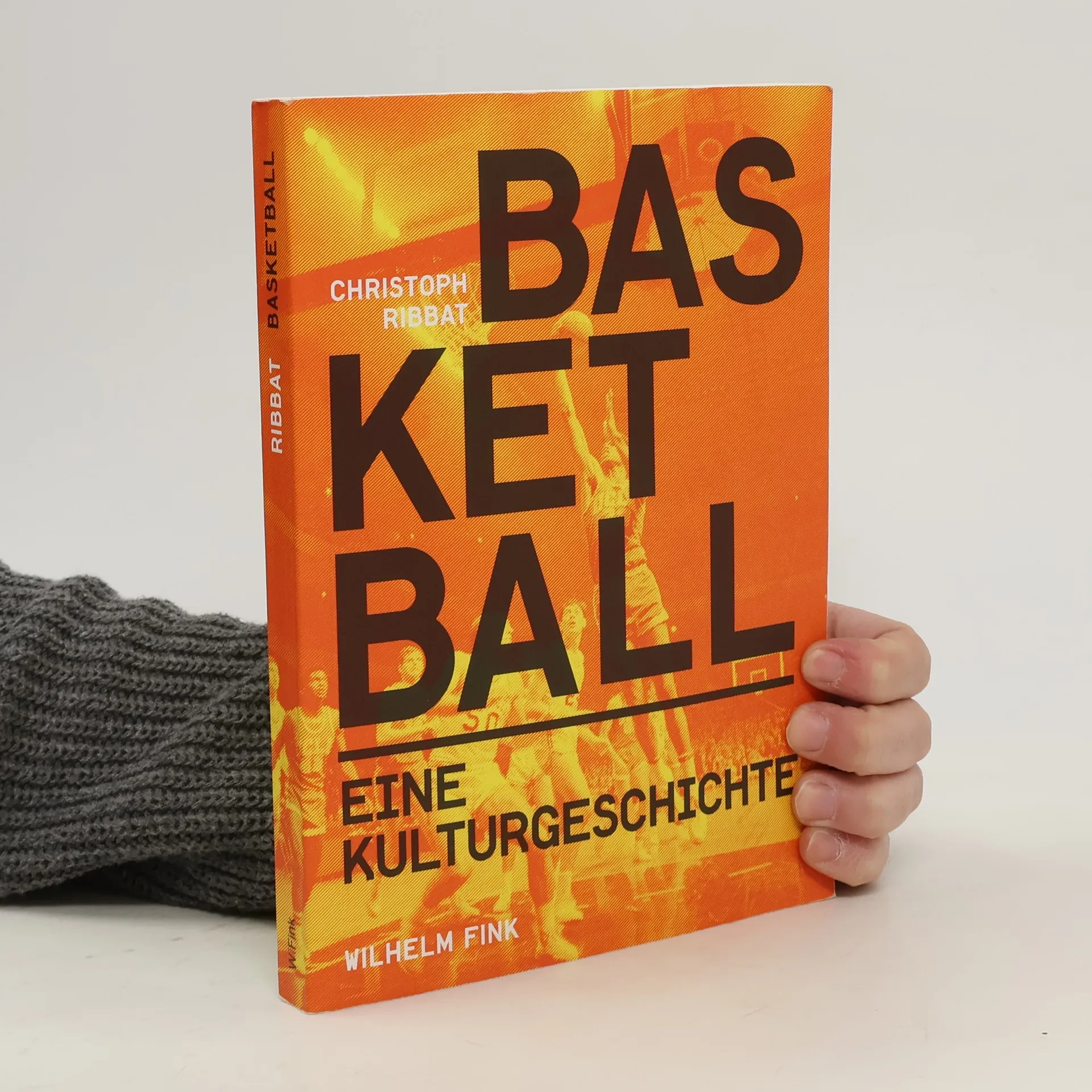
      Zuerst diente Basketball der Ertüchtigung junger Christen. Dann wurde die Sportart zum Großstadtspektakel und schließlich zum globalisierten Geschäft. Diese erste Kulturgeschichte des Basketballs erzählt von Mannschaftsgeist und Individualismus, von Improvisationskunst und Turnschuhmarketing. Sie porträtiert Basketball-Intellektuelle wie Bill Bradley, John Edgar Wideman und Kareem Abdul- Jabbar, erkundet Seltsamkeiten wie die 2.750-Wurf Performance des 'Dr. Free Throw' und führt von der Epoche brutaler Rassentrennung bis zur Präsidentschaft des basketballbegeisterten Barack Obama. So beleuchtet sie eine Auseinandersetzung, die wichtiger war als jeder sportliche Vergleich: das Spiel um die Zukunft Amerikas.

      Basketball
      5.0
    • Deutschland für eine Saison

      Die wahre Geschichte des Wilbert Olinde jr.

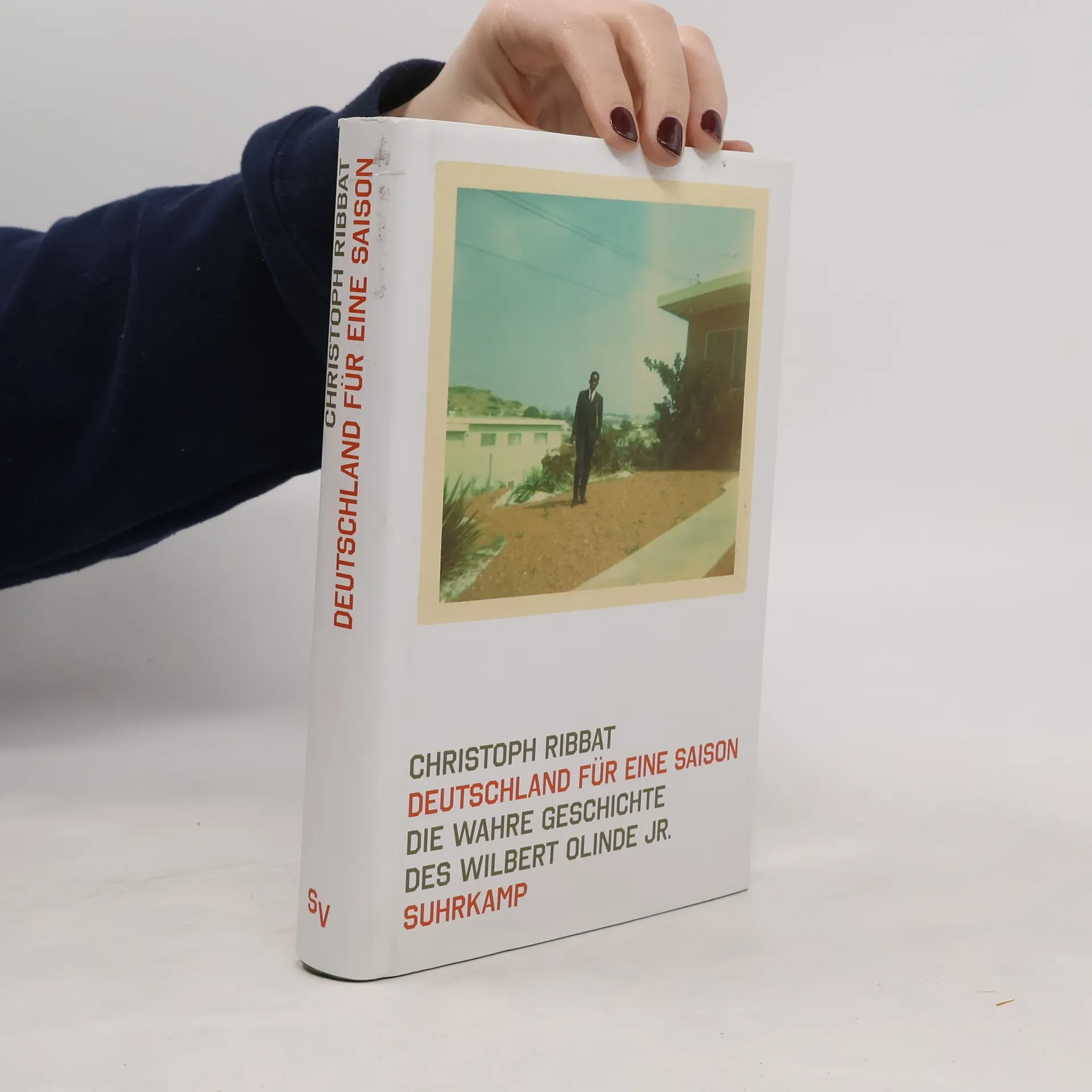
      Nur ein »Ausländer« pro Mannschaft: Das ist 1977 die Obergrenze in der deutschen Basketball-Bundesliga. Der Ausländer in Göttingen heißt Wilbert Olinde und ist gerade aus Los Angeles gekommen. Die Deutschen wundern sich über ihn. Er wundert sich über die Deutschen. Nur ein Jahr will er bleiben. Doch dann kommt alles anders. Deutschland für eine Saison erzählt von deutscher und amerikanischer Zeitgeschichte. Es führt in den Alltag Roth-Händle rauchender Basketballprofis, sektbeschwipster Damenmannschaften und im Kraftwerk-Sound singender Fans. Und es erkundet präzise den Rassismus auf beiden Seiten des Atlantiks. Vor diesem Panorama entsteht das Porträt des Wilbert Olinde: eines nachdenklichen amerikanischen Sportlers, aus dem ein deutscher Inspirationscoach, Vater und Nachbar wird. Christoph Ribbat nimmt den Leser mit in die Sonne Südkaliforniens, in bundesrepublikanische Sporthallen und in die von Gewalt geprägte Geschichte Louisianas. Er berichtet von einer ganz besonderen Familie: von Krisen und Neuanfängen, von Diskriminierung und von Courage. Wilbert Olinde, so zeigt dieses Buch, ist ein Held der Migrationsgesellschaft.

      Deutschland für eine Saison
      4.4
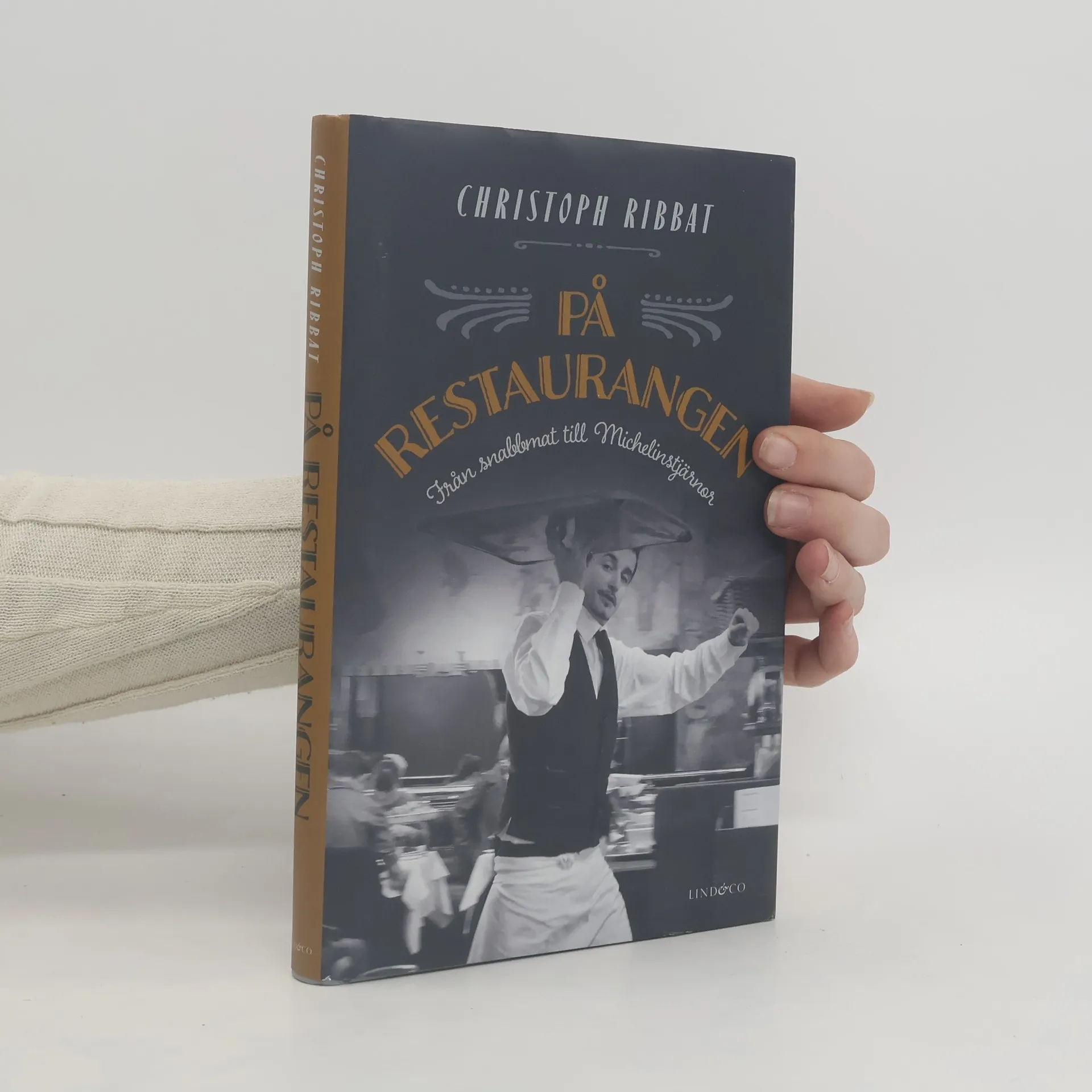
    • Im Restaurant wird nie nur gegessen. Seit im Paris des 18. Jahrhunderts die ersten »restaurierenden« Etablissements eröffneten, geht es im Lokal immer auch ums Sehen und Gesehen-Werden, um das Zeigen von Stil und Distinktion – und um das Gefühl, bei Fremden und doch zu Hause zu sein. Die ungeduldigen Gäste halten das Personal mit ihren Extrawünschen auf Trab. Doch es sind die Kellnerinnen, Ober und Köche, die das Geschehen insgeheim kontrollieren und den Herrschaften bisweilen buchstäblich in die Suppe spucken. In der Küche, an der Theke, bei Tisch kollidieren Genuss und Schwerstarbeit, Eleganz und Ausbeutung, kulturelle Diversität und Rassismus. Ob edel oder schmuddelig: Restaurants sind ein Spiegel der Gesellschaft. Christoph Ribbat montiert die packenden gastronomischen Erfahrungen von Küchenarbeitern und Kochgenies, Kellnerinnen und Philosophen, Feinschmeckern und Soziologinnen. Er blickt hinter die Kulissen und spannt dabei den Bogen von den ersten Pariser Gourmettempeln über den Aufstieg des Fast Food bis zu den innovativsten Köchen unserer Zeit. Doch er präsentiert nicht nur eine kosmopolitische Geschichte des Restaurants, sondern auch ein temporeiches Erzählexperiment zwischen Kulturwissenschaft und Doku-Roman.

      Im Restaurant
      3.9
    • Religiöse Erregung

      Protestantische Schwärmer im Kaiserreich

      • 292 pages
      • 11 hours of reading

      Im Fokus steht die Welle religiöser Erregung in Deutschland zwischen 1880 und 1914, die aus England und den USA ihren Ursprung nahm. Die Heilsarmee und die Pfingstbewegung prägten das gesellschaftliche Leben, während das Bürgertum diese Phänomene als fremd und abwegig empfand. Ribbat beleuchtet in seiner Sozial- und Kulturgeschichte die Dynamik zwischen den religiösen Schwärmern und ihren Kritikern, zeigt auf, wie diese Bewegungen als Ausdruck von Aufbegehren, Kreativität und Selbstbewusstsein in einer sich wandelnden Gesellschaft fungierten.

      Religiöse Erregung