


More about the book
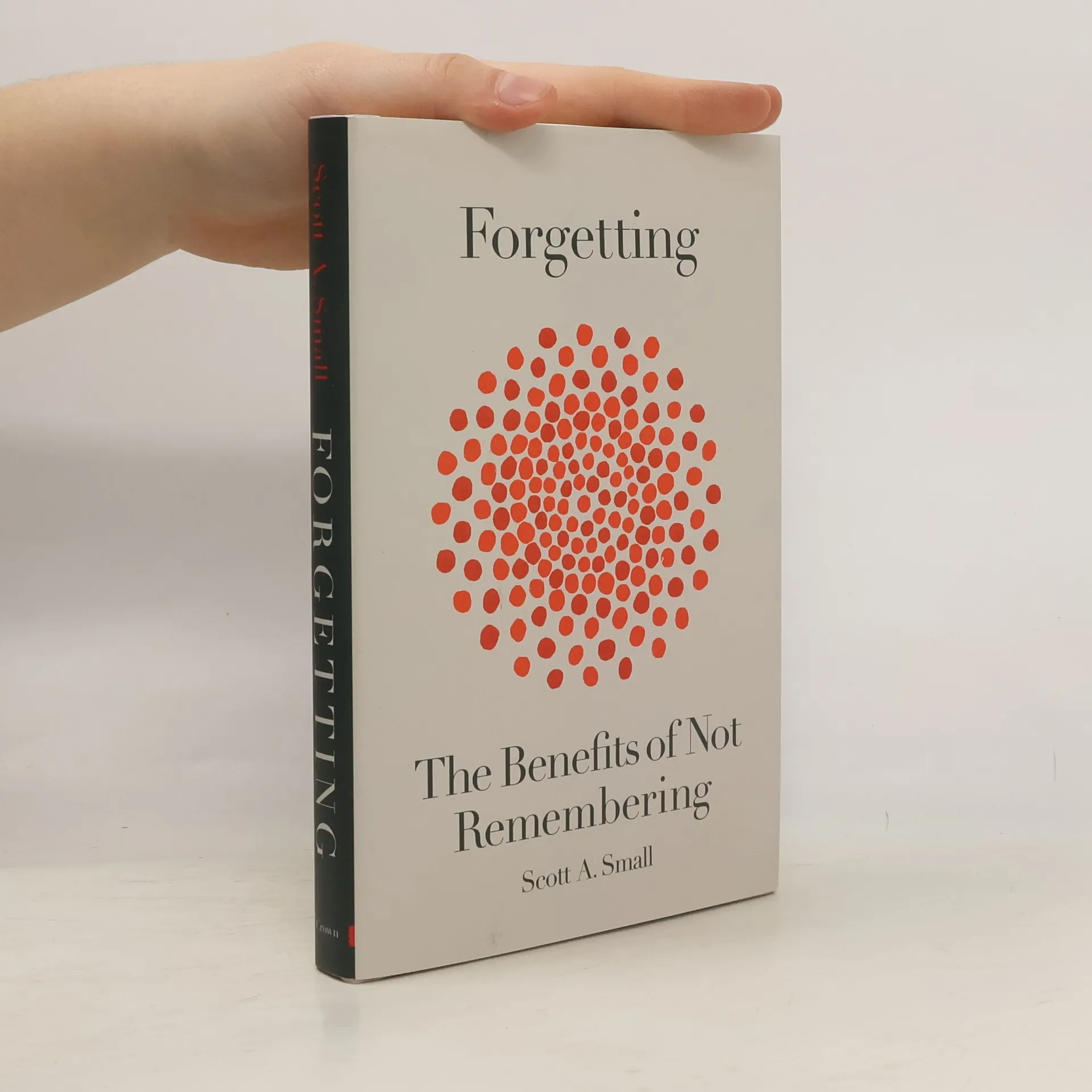
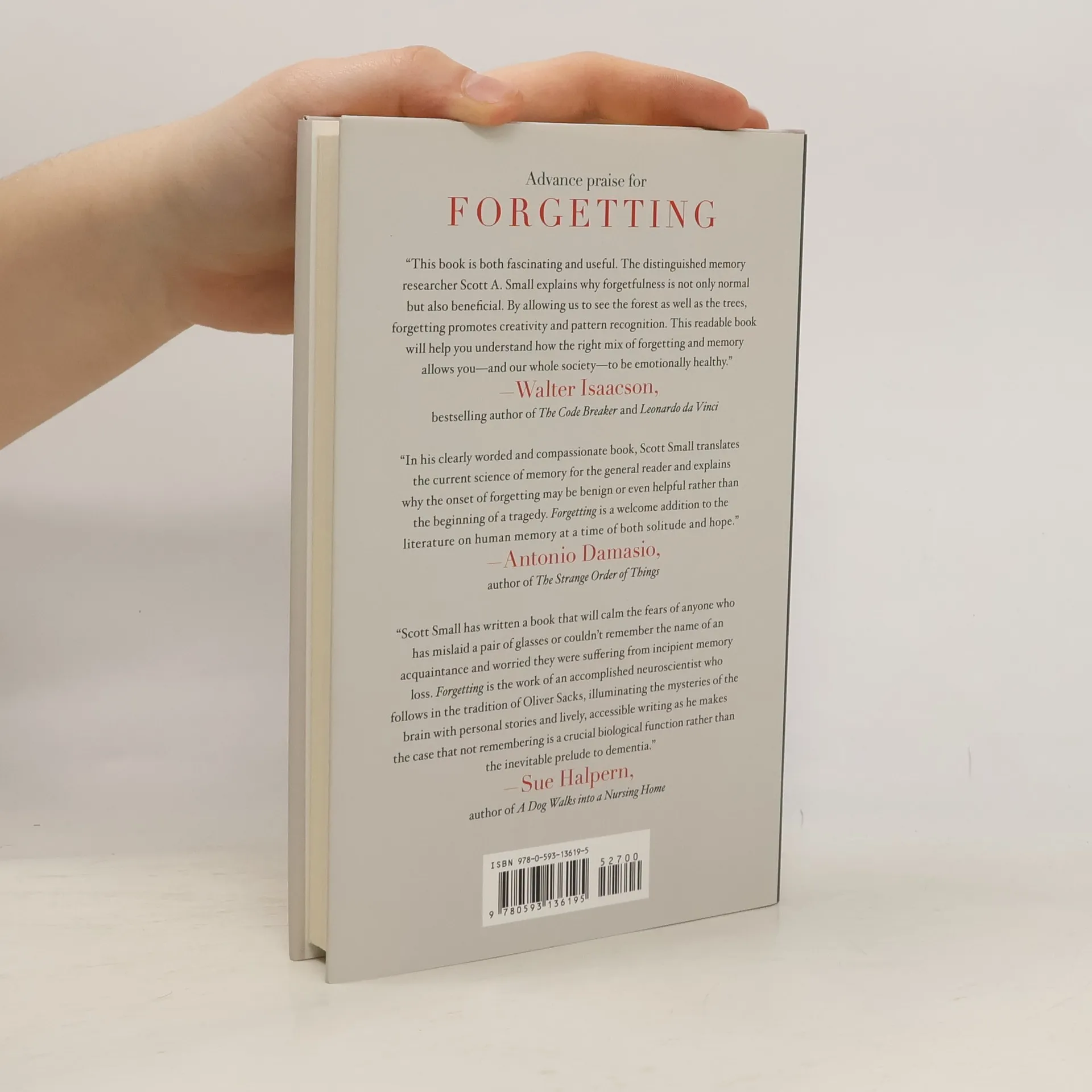
A renowned neurologist explains that our routine forgetting—of names, dates, and even house keys—is not a brain failure but rather a beneficial function of the mind. Dr. Scott Small, director of the Alzheimer's Disease Research Center at Columbia University, has dedicated his career to understanding memory and forgetting. He contrasts normal forgetting with pathological forgetting, highlighting its importance. Traditionally, forgetting was seen as purposeless, but new research from various fields reveals it serves essential functions. Forgetting is not a failure; it enhances cognitive and creative abilities, emotional well-being, and societal health. While frustrating, these lapses open our minds to better decision-making, joy in relationships, and artistic flourishing. Small draws on studies of bonobos, interactions with painter Jasper Johns, and insights from decision-making expert Daniel Kahneman to contextualize these findings. He also discusses groundbreaking developments related to Alzheimer's disease. The next time you misplace your keys, remember that forgetting can actually be beneficial.
Book purchase
Forgetting, Small Scott A.
- Language

- Released
- 2021
- Binding
- (Hardcover)
Payment methods
We’re missing your review here.
- Title
- Forgetting
- Subtitle
- The Benefits of Not Remembering
- Language
- English
- Authors
- Small Scott A.
- Publisher
- Crown
- Released
- 2021
- Format
- Hardcover
- Pages
- 240
- ISBN10
- 0593136195
- ISBN13
- 9780593136195
- Series
- Categories
- Tags
- Psychological Topics, Science, Health, Mental Health, Neuroscience, Brain, Autism, Aging, Neurology, Social Psychology, Neuropsychology, Neurobiology
- Rating
- 3.7 out of 5
- Description
- A renowned neurologist explains that our routine forgetting—of names, dates, and even house keys—is not a brain failure but rather a beneficial function of the mind. Dr. Scott Small, director of the Alzheimer's Disease Research Center at Columbia University, has dedicated his career to understanding memory and forgetting. He contrasts normal forgetting with pathological forgetting, highlighting its importance. Traditionally, forgetting was seen as purposeless, but new research from various fields reveals it serves essential functions. Forgetting is not a failure; it enhances cognitive and creative abilities, emotional well-being, and societal health. While frustrating, these lapses open our minds to better decision-making, joy in relationships, and artistic flourishing. Small draws on studies of bonobos, interactions with painter Jasper Johns, and insights from decision-making expert Daniel Kahneman to contextualize these findings. He also discusses groundbreaking developments related to Alzheimer's disease. The next time you misplace your keys, remember that forgetting can actually be beneficial.