



More about the book
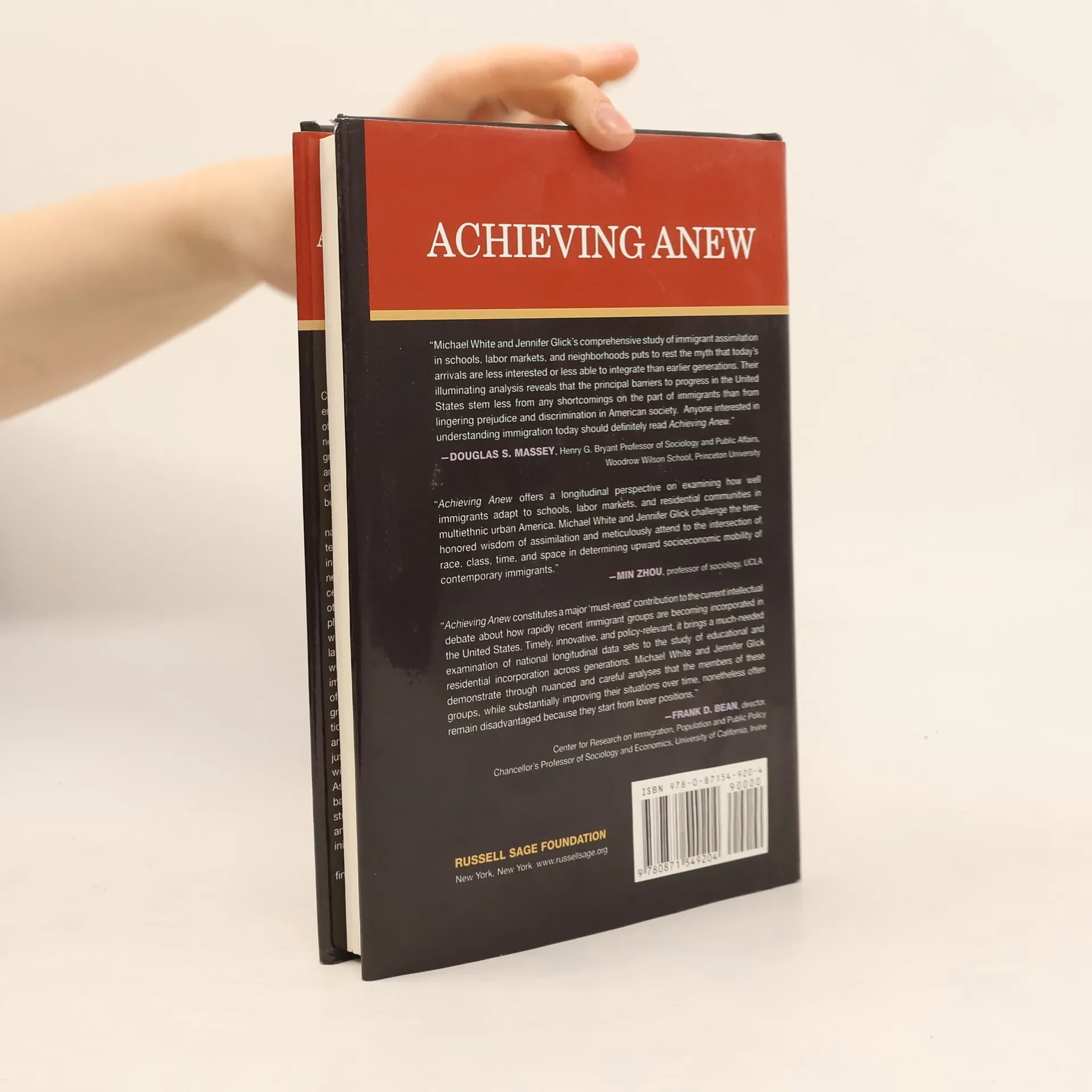
Can the recent influx of immigrants successfully integrate into American life, or will many become part of a permanent underclass? This study examines immigrant life in schools, workplaces, and communities, revealing that recent immigrants and their children make significant progress over time. The national conversation on immigration often questions the ability to absorb nearly one million legal entrants annually. Using census data and longitudinal education surveys, the authors contextualize new immigrant achievement within assimilation theory and immigration policies. They find that immigrant status is not a strong predictor of educational achievement. First-generation immigrants may arrive with less education, but by the second and third generations, their children achieve success comparable to native-born students with similar backgrounds. Socioeconomic status and family structure significantly impact educational attainment, while race and ethnicity initially influence achievement but diminish over time. In the labor market, recent immigrants catch up to native occupational status faster than before, with family background and education playing key roles. Although new immigrants live in segregated neighborhoods, this is less pronounced than in the past, and residential segregation decreases across generations. However, black and Mexican immigrants experience more segregation from whites. Despite the mixed picture and ongo
Book purchase
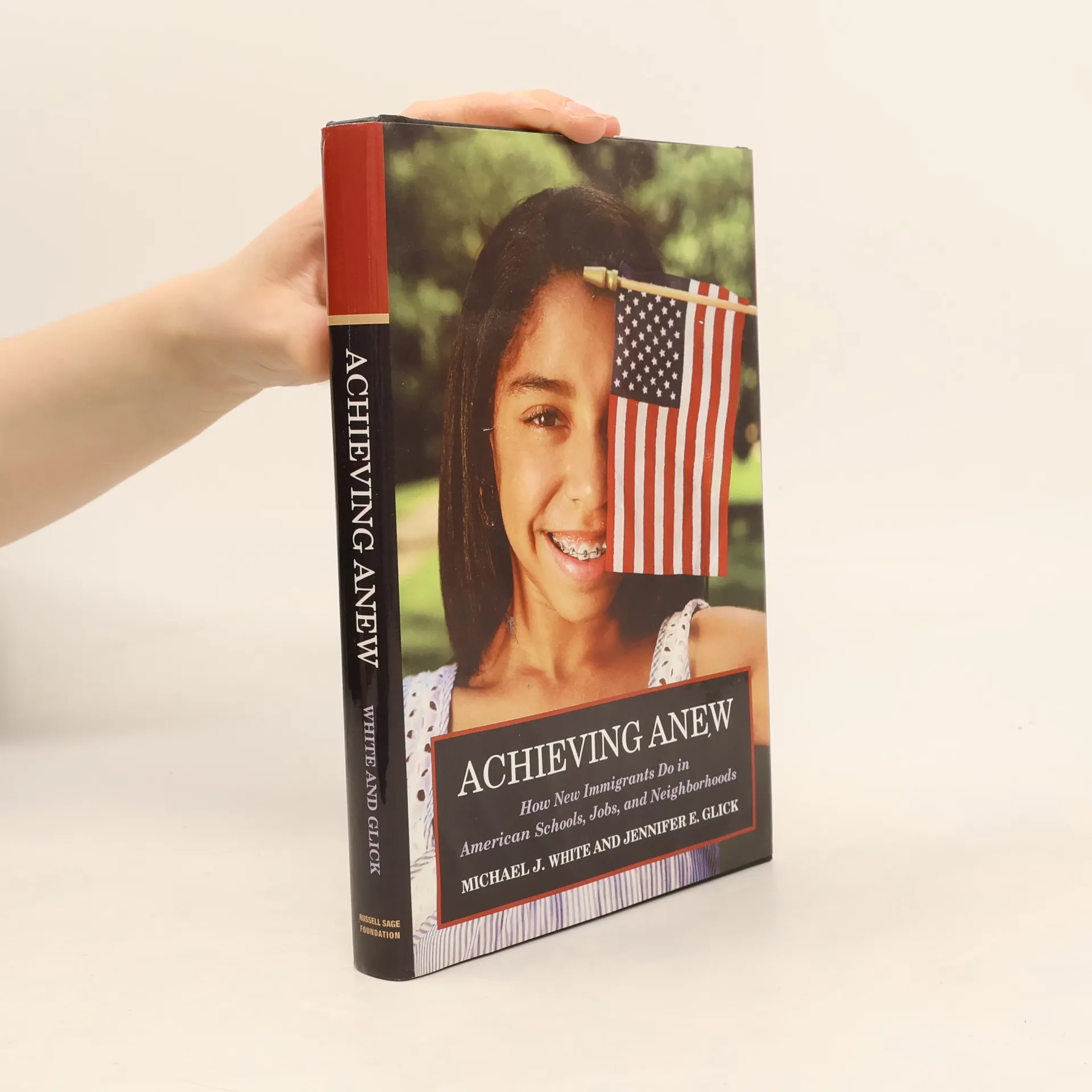
Achieving Anew, Michael J. White, Jennifer E. Glick
- Language

- Released
- 2009
- product-detail.submit-box.info.binding
- (Hardcover),
- Book condition
- Damaged
- Price
- €0.37
Payment methods
We’re missing your review here.
- Title
- Achieving Anew
- Subtitle
- How New Immigrants Do in American Schools, Jobs, and Neighborhoods
- Language
- English
- Authors
- Michael J. White, Jennifer E. Glick
- Publisher
- Russell Sage Foundation
- Released
- 2009
- Format
- Hardcover
- Pages
- 226
- ISBN10
- 0871549204
- ISBN13
- 9780871549204
- Series
- Tags
- Non-Fiction, Social Sciences, Political Science & Politics, USA, Sociology, Society, Professional Literature, Books, Social History, Ethnicity, Foreigners, Social Groups
- Rating
- 4 out of 5
- Description
- Can the recent influx of immigrants successfully integrate into American life, or will many become part of a permanent underclass? This study examines immigrant life in schools, workplaces, and communities, revealing that recent immigrants and their children make significant progress over time. The national conversation on immigration often questions the ability to absorb nearly one million legal entrants annually. Using census data and longitudinal education surveys, the authors contextualize new immigrant achievement within assimilation theory and immigration policies. They find that immigrant status is not a strong predictor of educational achievement. First-generation immigrants may arrive with less education, but by the second and third generations, their children achieve success comparable to native-born students with similar backgrounds. Socioeconomic status and family structure significantly impact educational attainment, while race and ethnicity initially influence achievement but diminish over time. In the labor market, recent immigrants catch up to native occupational status faster than before, with family background and education playing key roles. Although new immigrants live in segregated neighborhoods, this is less pronounced than in the past, and residential segregation decreases across generations. However, black and Mexican immigrants experience more segregation from whites. Despite the mixed picture and ongo