

More about the book
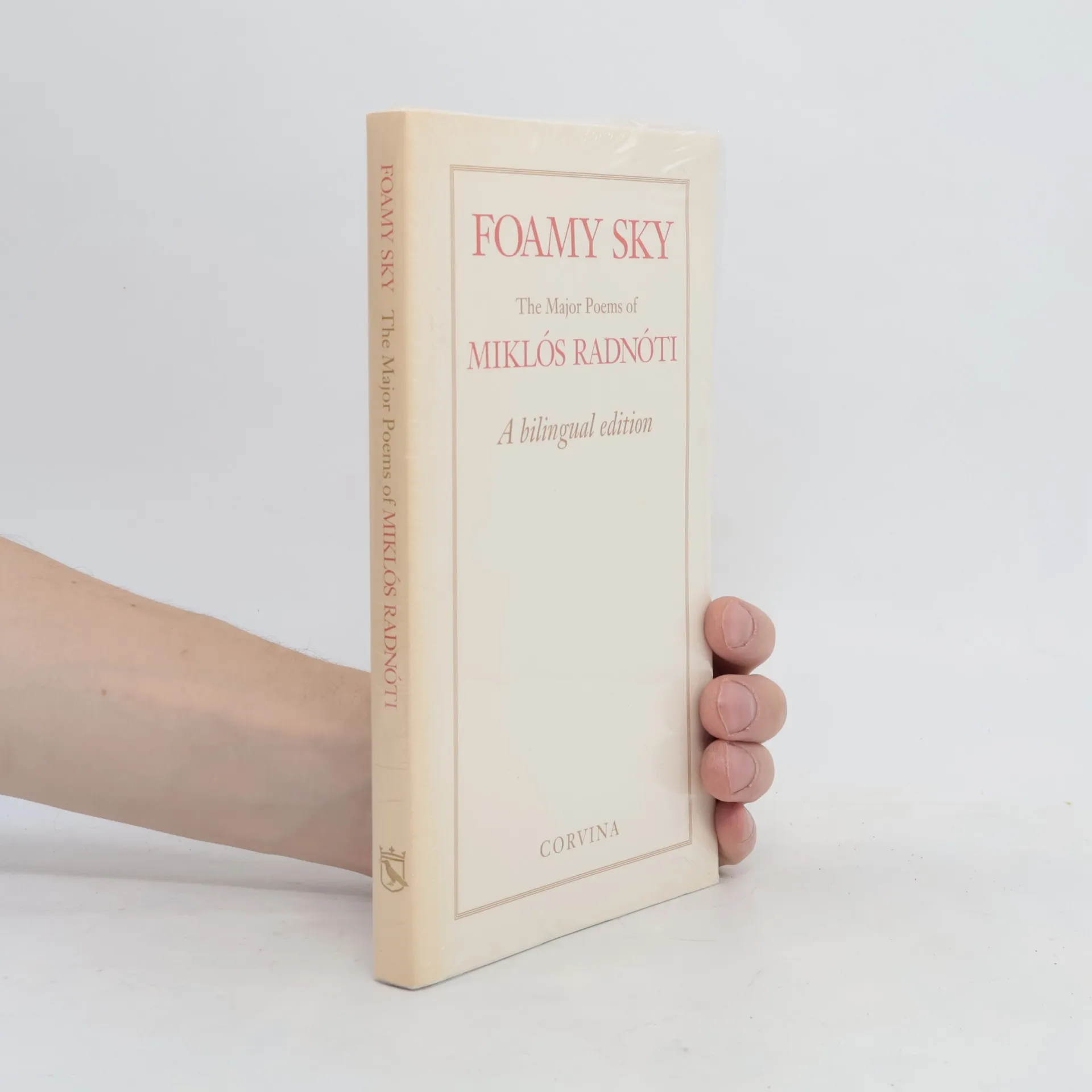
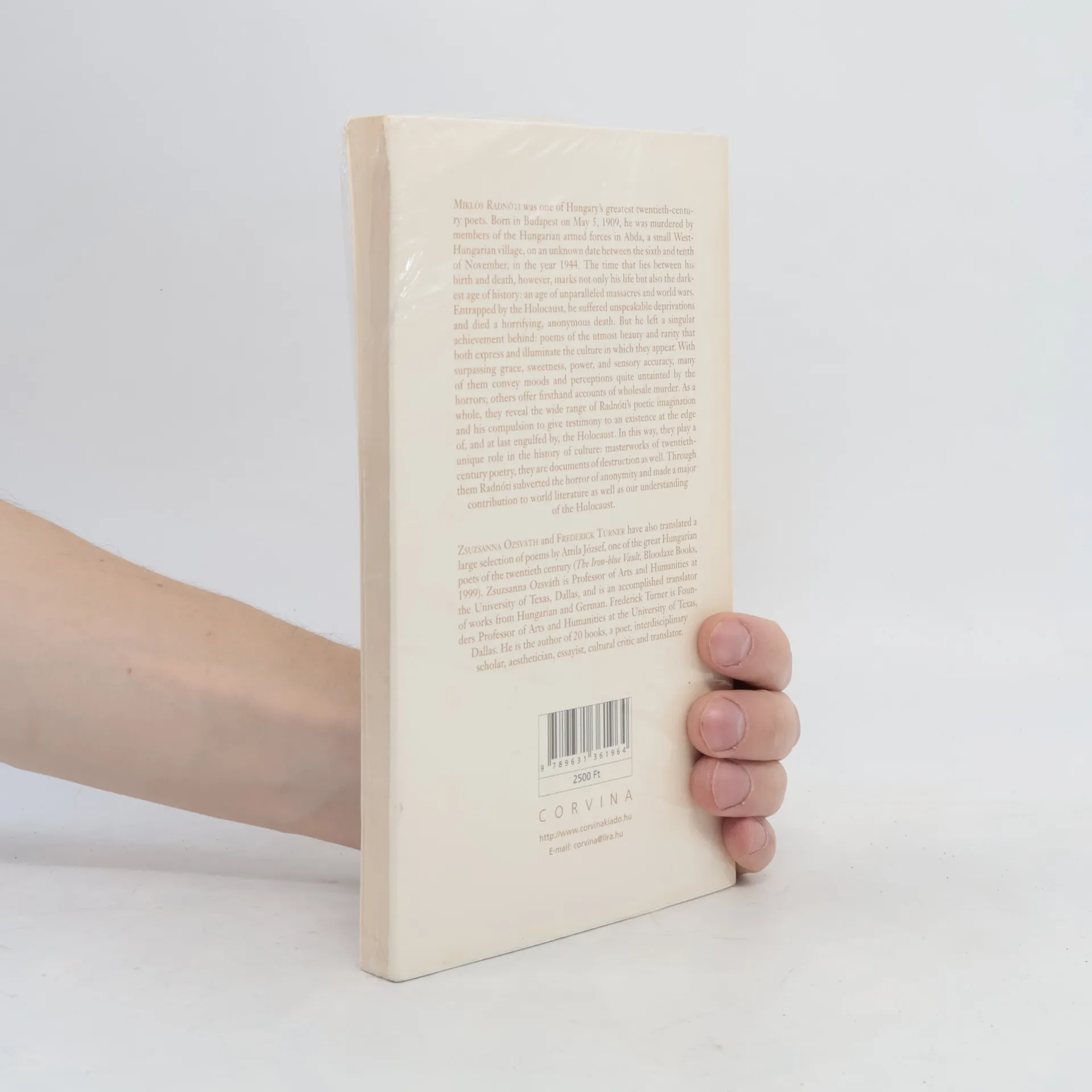
One of Hungary's leading poetic voices of the twentieth century, Miklós Radnóti (1909-1944) wrote some of his country's most cherished love poems and political verse even as he anticipated death under the Nazis. This volume presents many of the poems that appear in his Foamy Sky collection and a selection of others dating back to 1929. A good portion of the poems were written during World War II, when Radnóti, of Jewish descent, was forced into a slave-labour squad and sent to work building roads in the Balkans. On the final march through Hungary toward Austria near the end of the war, the guards murdered the disabled prisoners who had not already died en route and buried the bodies in a mass grave. Radnóti's last poems were found in the pocket of his coat when his body was exhumed.
Book purchase
Foamy Sky, Miklós Radnóti, Frederick Turner
- Language

- Released
- 2000
- Binding
- (Paperback)
Payment methods
No one has rated yet.
- Title
- Foamy Sky
- Subtitle
- The Major Poems of Miklós Radnóti, Bilingual Edition / Translated by Zsuzsanna Ozsváth, Frederick Turner
- Language
- English
- Authors
- Miklós Radnóti, Frederick Turner
- Publisher
- Corvina
- Released
- 2000
- Format
- Paperback
- Pages
- 246
- ISBN10
- 9631361969
- ISBN13
- 9789631361964
- Series
- Categories
- Tags
- Historical Themes, Love, Holocaust
- Description
- One of Hungary's leading poetic voices of the twentieth century, Miklós Radnóti (1909-1944) wrote some of his country's most cherished love poems and political verse even as he anticipated death under the Nazis. This volume presents many of the poems that appear in his Foamy Sky collection and a selection of others dating back to 1929. A good portion of the poems were written during World War II, when Radnóti, of Jewish descent, was forced into a slave-labour squad and sent to work building roads in the Balkans. On the final march through Hungary toward Austria near the end of the war, the guards murdered the disabled prisoners who had not already died en route and buried the bodies in a mass grave. Radnóti's last poems were found in the pocket of his coat when his body was exhumed.