

Parameters
More about the book
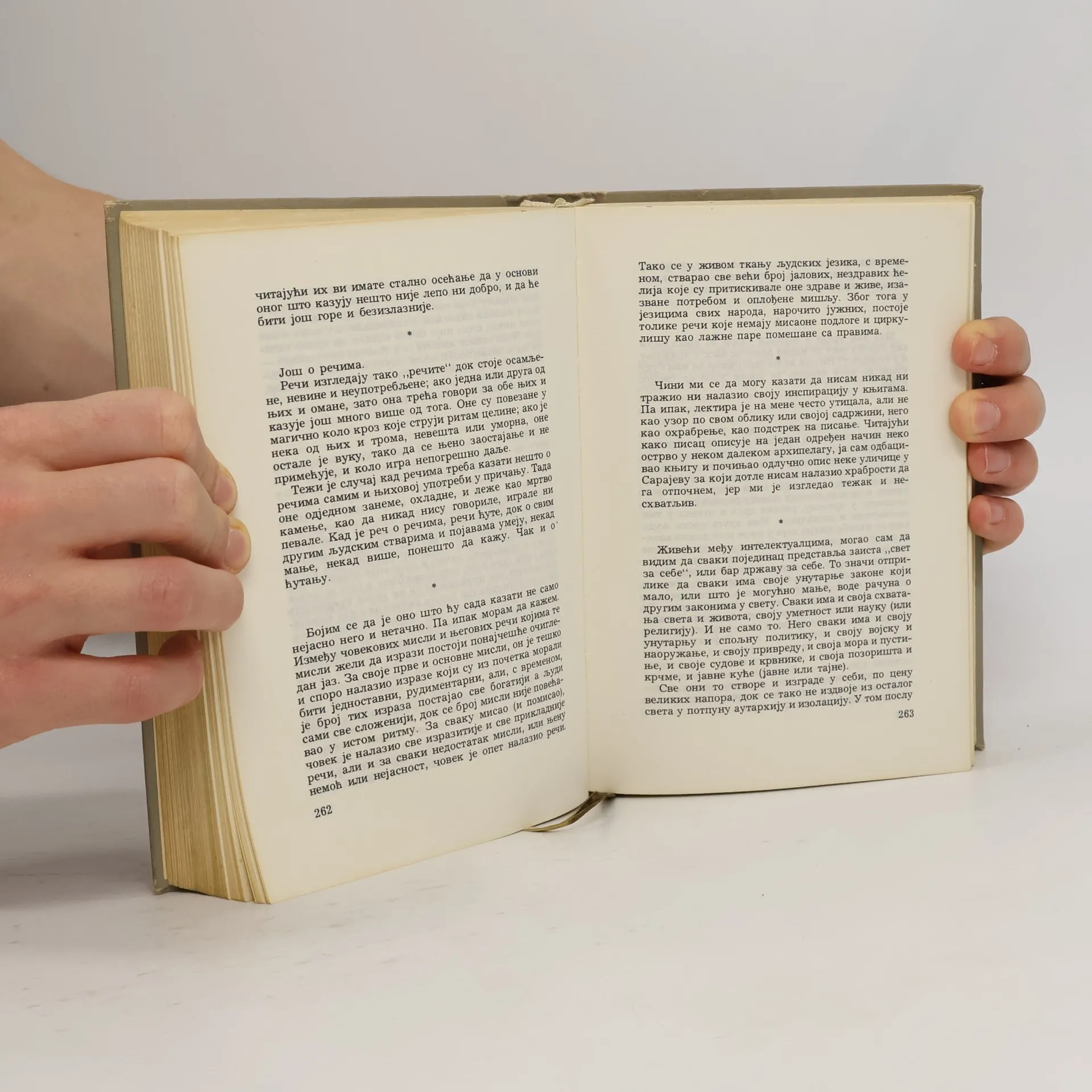
The collection of notes titled "Znakovi pored puta" and "Sveske," published posthumously, serves as Andrić’s intellectual diaries. Known for his aversion to revealing his private life, Andrić also rejected the diary genre, viewing it as a flawed quest for permanence. These "books of wisdom," regarded as unique in our literature, mark the first time he candidly spoke about himself. In Andrić's work, a diary entry consists of brief texts written in a single day, reflecting his mood, observations of events or people, travel impressions, or preoccupying thoughts. Over the years, he compiled these unordered notes into a book that mirrors his soul rather than a conventional diary. The organization of the texts is not chronological but rather a spontaneous expression of the soul, responding sensitively to daily stimuli, transforming them into meditations and visions, and capturing landscapes and individuals. This spontaneity and informality characterize a higher, spiritual diary like "Znakovi pored puta." The text evolves organically, with one fragment connecting to another, creating an endless flow. This interconnection and the blending of smaller texts into larger wholes are hallmarks of Andrić's creative process.


Publication

Book purchase
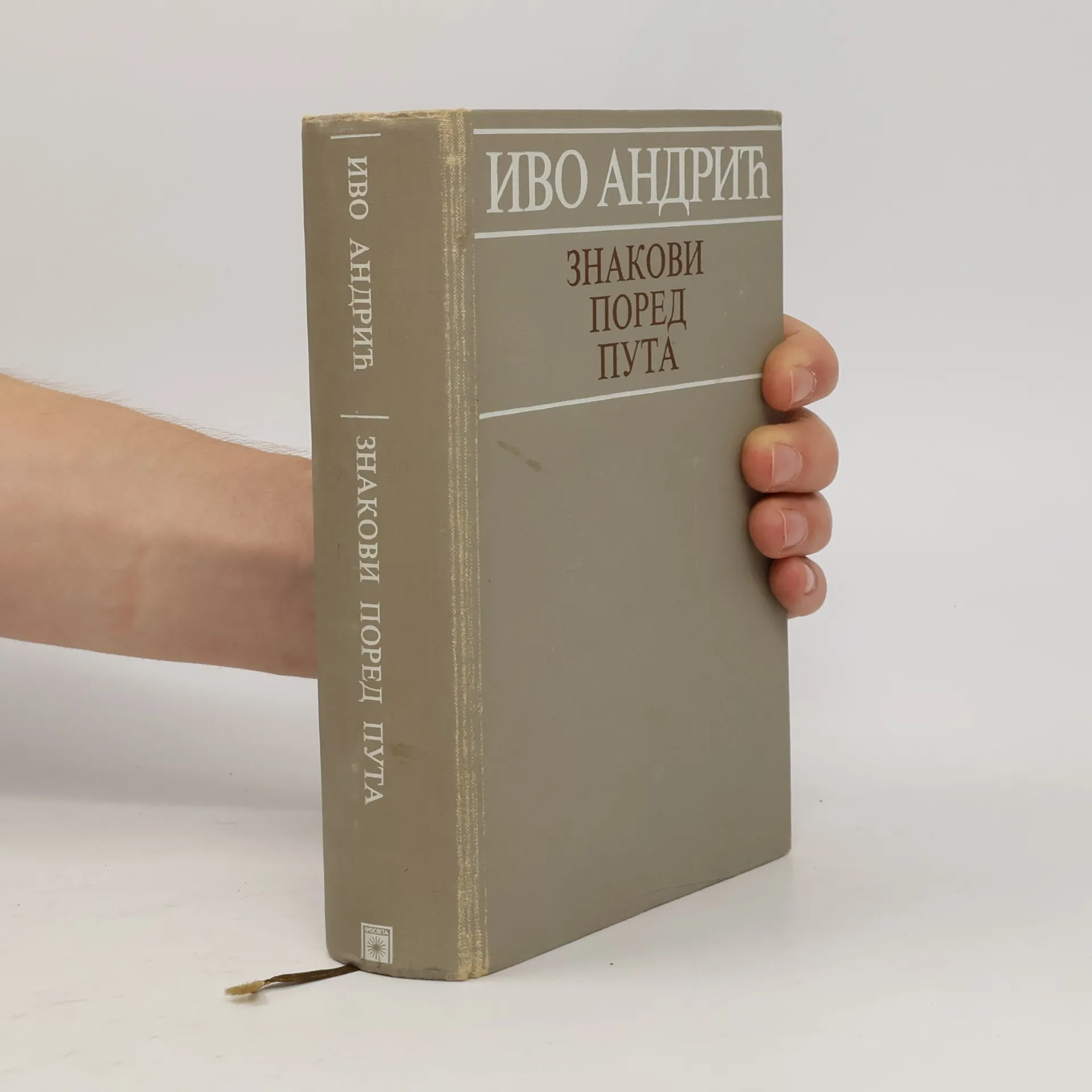
Знакови поред пута, Ivo Andrić
- Language

- Released
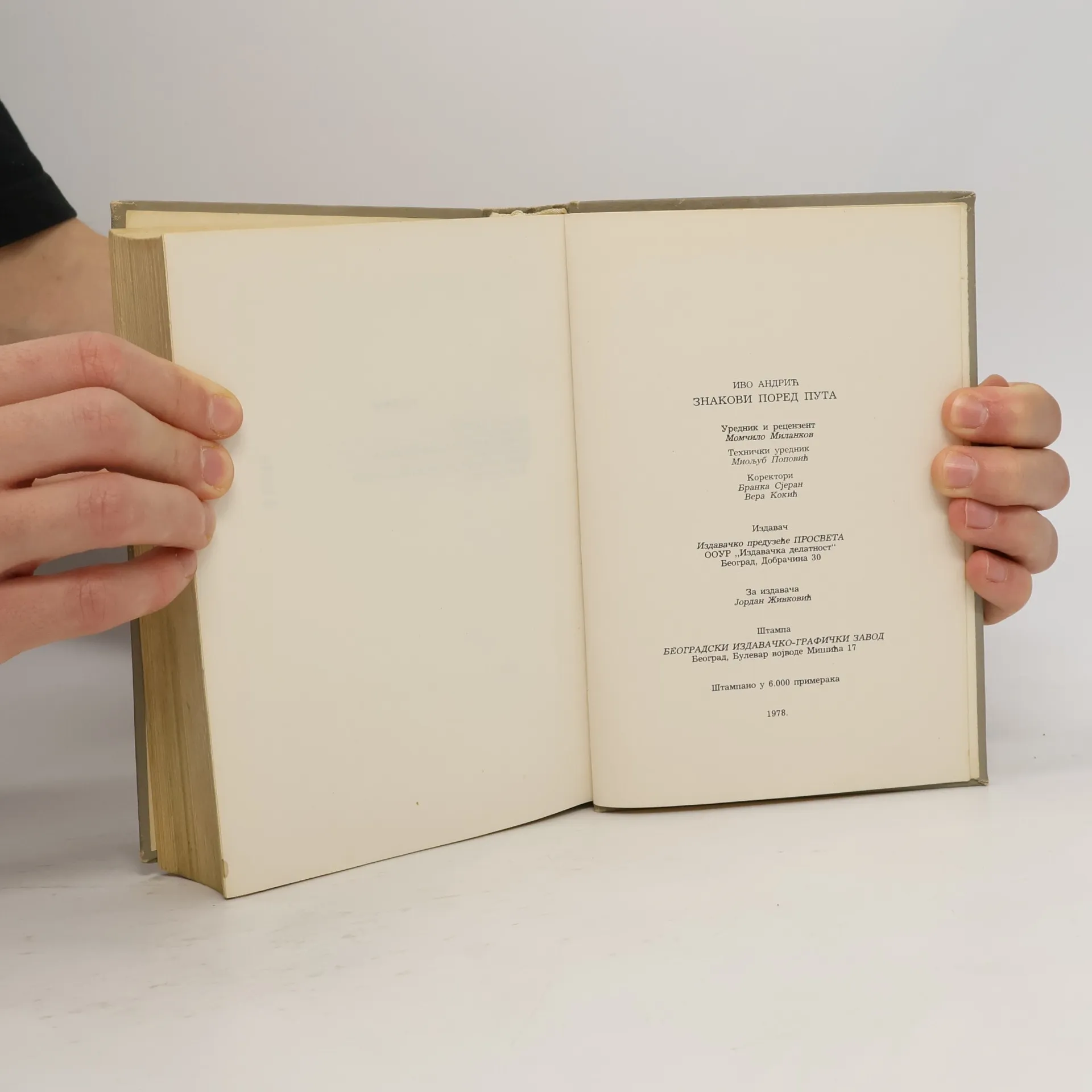
- 1978
- Binding
- (Hardcover),
- Book condition
- Good
- Price
- €3.69
Payment methods
We’re missing your review here.
- Title
- Знакови поред пута
- Language
- Serbian
- Authors
- Ivo Andrić
- Publisher
- Издавачко предузеће ПРОСВЕТА
- Released
- 1978
- Format
- Hardcover
- Series
- Rating
- 3.25 out of 5
- Description
- The collection of notes titled "Znakovi pored puta" and "Sveske," published posthumously, serves as Andrić’s intellectual diaries. Known for his aversion to revealing his private life, Andrić also rejected the diary genre, viewing it as a flawed quest for permanence. These "books of wisdom," regarded as unique in our literature, mark the first time he candidly spoke about himself. In Andrić's work, a diary entry consists of brief texts written in a single day, reflecting his mood, observations of events or people, travel impressions, or preoccupying thoughts. Over the years, he compiled these unordered notes into a book that mirrors his soul rather than a conventional diary. The organization of the texts is not chronological but rather a spontaneous expression of the soul, responding sensitively to daily stimuli, transforming them into meditations and visions, and capturing landscapes and individuals. This spontaneity and informality characterize a higher, spiritual diary like "Znakovi pored puta." The text evolves organically, with one fragment connecting to another, creating an endless flow. This interconnection and the blending of smaller texts into larger wholes are hallmarks of Andrić's creative process.