

More about the book
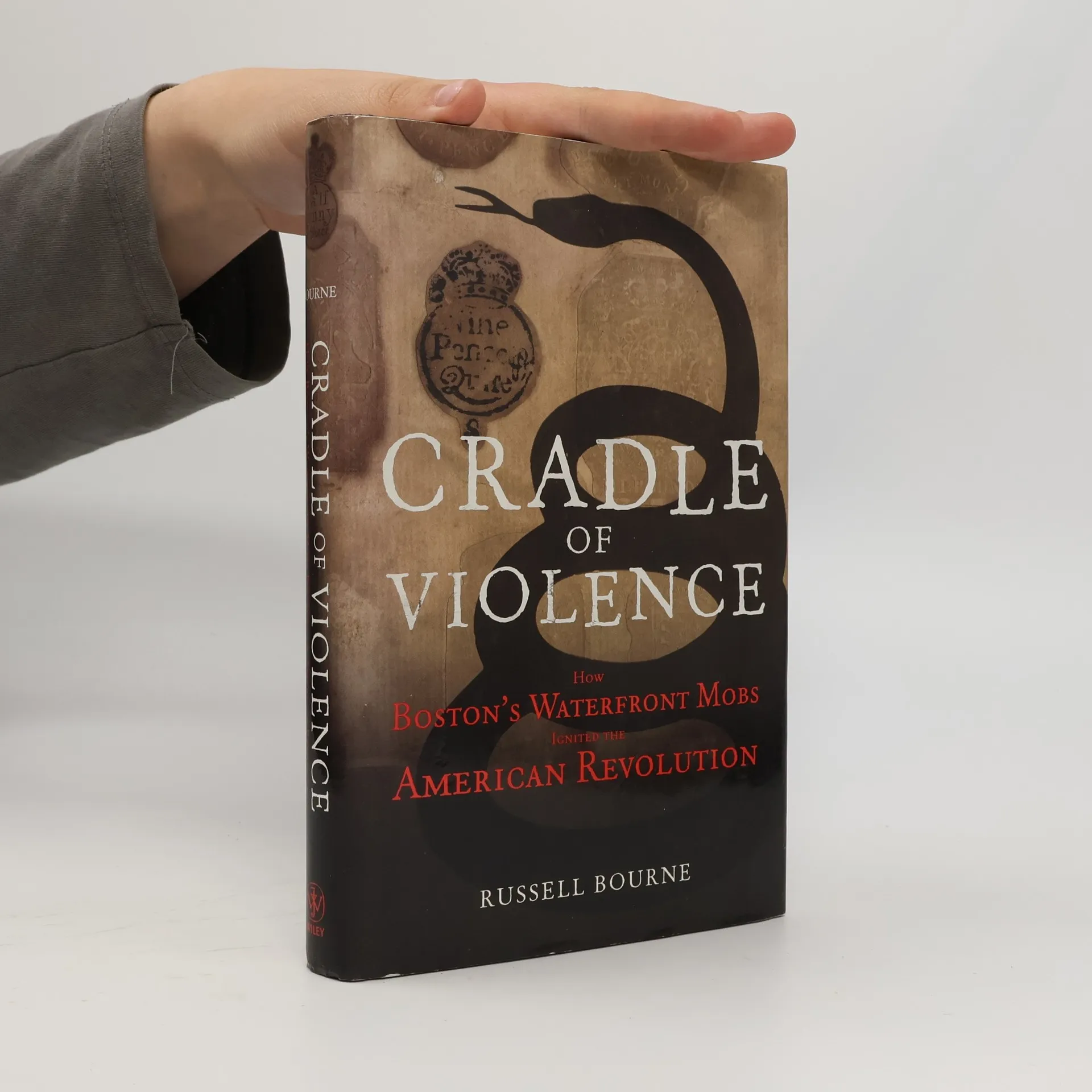
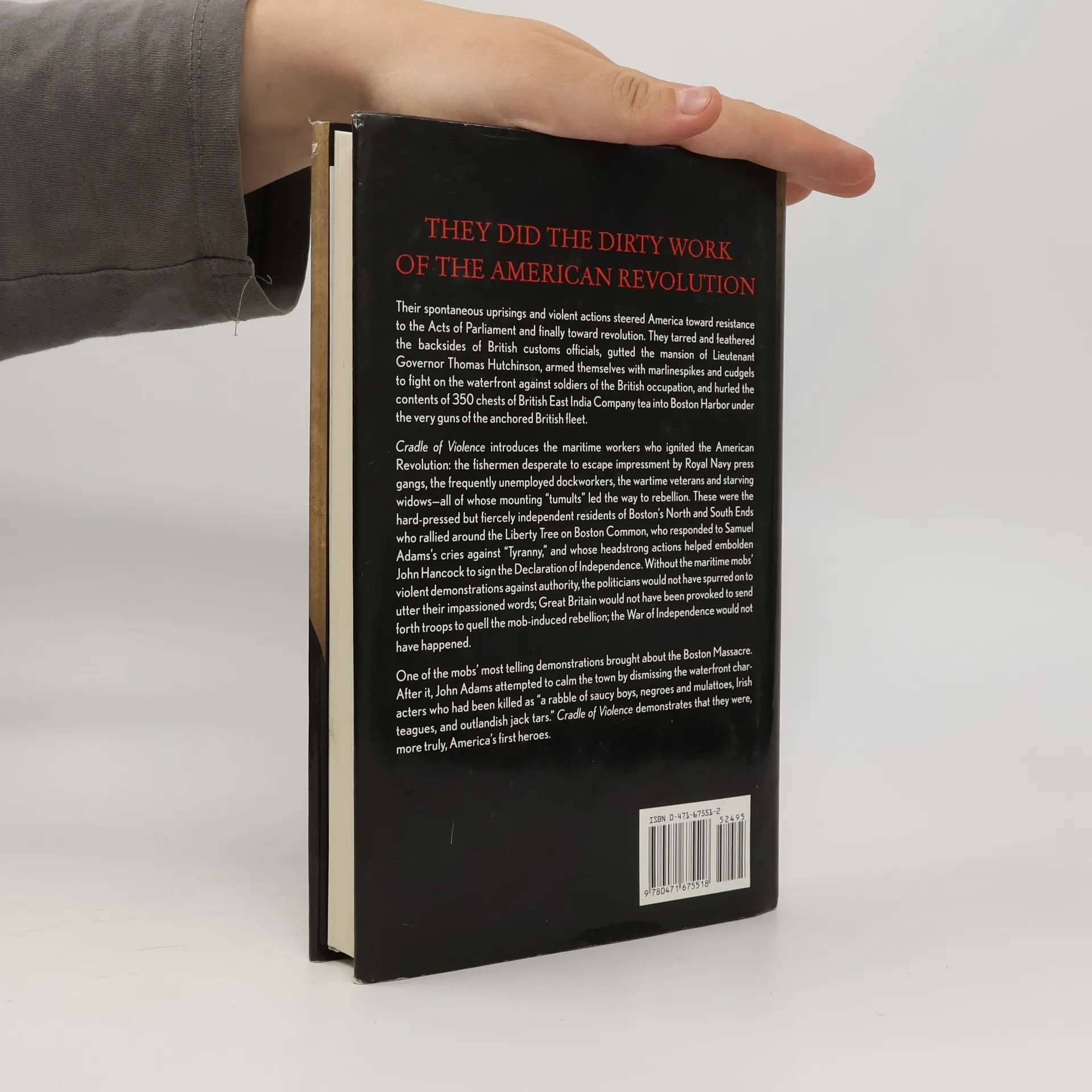
They did the dirty work of the American Revolution. Their uprisings and violent actions propelled America toward resistance against the Acts of Parliament and ultimately revolution. They tarred and feathered British customs officials, vandalized Lieutenant Governor Thomas Hutchinson’s mansion, and fought British soldiers with makeshift weapons. They famously dumped 350 chests of British East India Company tea into Boston Harbor, defying the British fleet. This narrative introduces the maritime workers who sparked the revolution: fishermen escaping impressment by the Royal Navy, unemployed dockworkers, wartime veterans, and starving widows. Their collective unrest led to rebellion. These fiercely independent residents of Boston’s North and South Ends rallied around the Liberty Tree on Boston Common, responding to Samuel Adams’s calls against tyranny. Their bold actions inspired John Hancock to sign the Declaration of Independence. Without the maritime mobs’ violent demonstrations, politicians would not have been spurred to articulate their passionate pleas, Great Britain would not have sent troops to suppress the rebellion, and the War of Independence might never have occurred. One significant event, the Boston Massacre, highlighted their impact. Following it, John Adams attempted to downplay the deceased as “a rabble of saucy boys, negroes and mulattoes, Irish teagues, and outlandish jack tars.” Yet, this account reveals t
Book purchase
Cradle of Violence, Russell Bourne
- Language

- Released
- 2006
- Binding
- (Hardcover),
- Book condition
- Good
- Price
- €2.79
Payment methods
No one has rated yet.
- Title
- Cradle of Violence
- Subtitle
- How Boston's Waterfront Mobs Ignited the American Revolution
- Language
- English
- Authors
- Russell Bourne
- Publisher
- Trade Paper Press
- Released
- 2006
- Format
- Hardcover
- Pages
- 288
- ISBN10
- 0471675512
- ISBN13
- 9780471675518
- Series
- Categories
- Description
- They did the dirty work of the American Revolution. Their uprisings and violent actions propelled America toward resistance against the Acts of Parliament and ultimately revolution. They tarred and feathered British customs officials, vandalized Lieutenant Governor Thomas Hutchinson’s mansion, and fought British soldiers with makeshift weapons. They famously dumped 350 chests of British East India Company tea into Boston Harbor, defying the British fleet. This narrative introduces the maritime workers who sparked the revolution: fishermen escaping impressment by the Royal Navy, unemployed dockworkers, wartime veterans, and starving widows. Their collective unrest led to rebellion. These fiercely independent residents of Boston’s North and South Ends rallied around the Liberty Tree on Boston Common, responding to Samuel Adams’s calls against tyranny. Their bold actions inspired John Hancock to sign the Declaration of Independence. Without the maritime mobs’ violent demonstrations, politicians would not have been spurred to articulate their passionate pleas, Great Britain would not have sent troops to suppress the rebellion, and the War of Independence might never have occurred. One significant event, the Boston Massacre, highlighted their impact. Following it, John Adams attempted to downplay the deceased as “a rabble of saucy boys, negroes and mulattoes, Irish teagues, and outlandish jack tars.” Yet, this account reveals t