

More about the book
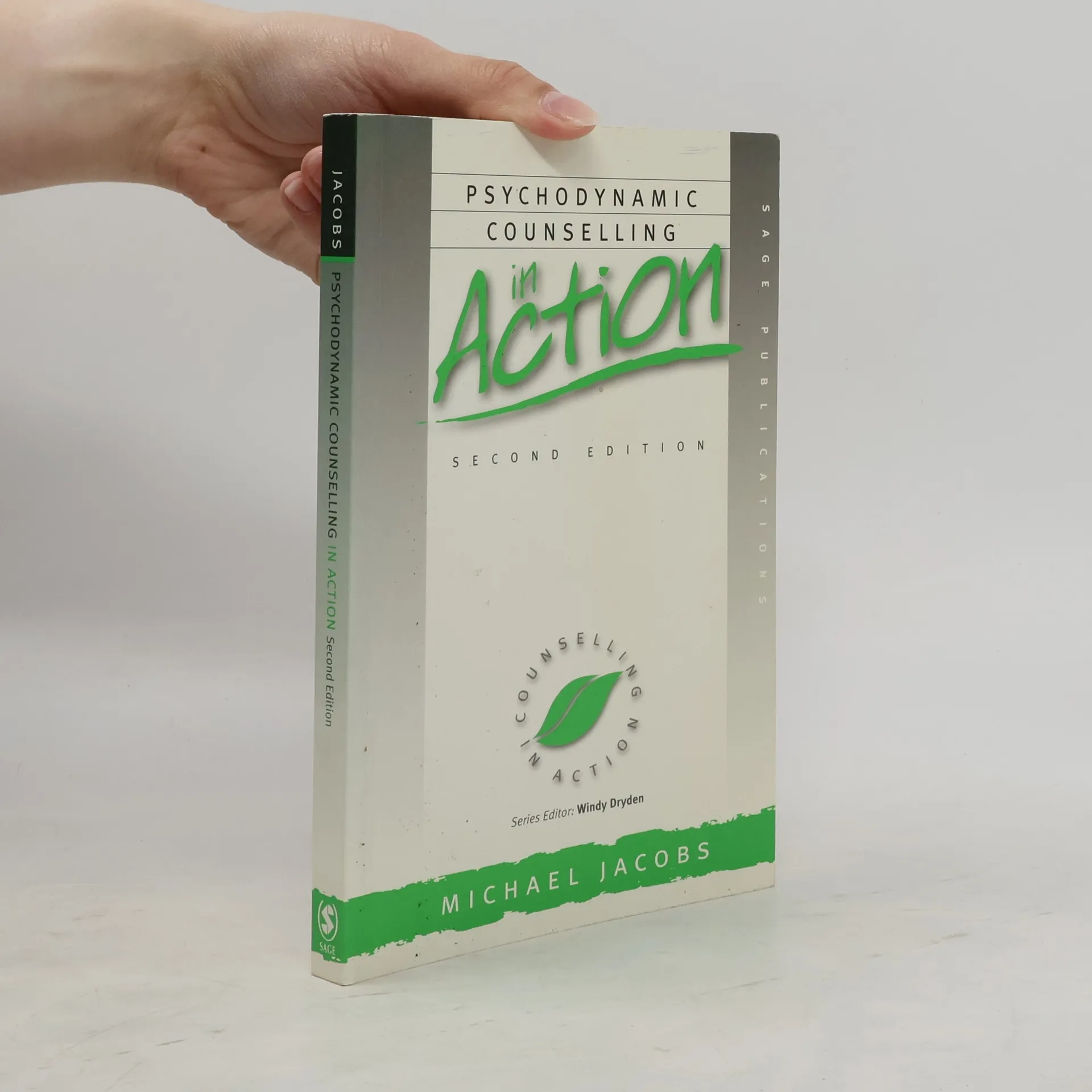
`Gives real insight into person-centred counselling.. . An absolute delight to read... I recommend this book to trainee counsellors, trained counsellors, clients and those involved in the helping professions. It is a book that has influenced me and that I would not want to be without' - Counselling Psychology Review Revised and updated to take account of current practice, and now extensively referenced, the Second Edition describes the psychodynamic counselling process from the first meeting to termination. Michael Jacobs clearly sets out the main aspects of the approach and using two cases studies- a man and a woman- he shows how these can be applied creatively and effectively within counselling
Book purchase
Counselling in Action: Psychodynamic Counselling in Action, Michael Jacobs, Windy Dryden
- Language

- Released
- 1999
- Binding
- (Paperback)
Payment methods
No one has rated yet.
- Title
- Counselling in Action: Psychodynamic Counselling in Action
- Subtitle
- Second Edition
- Language
- English
- Authors
- Michael Jacobs, Windy Dryden
- Publisher
- SAGE Publications Ltd
- Released
- 1999
- Format
- Paperback
- Pages
- 175
- ISBN10
- 0761963014
- ISBN13
- 9780761963011
- Series
- Categories
- Description
- `Gives real insight into person-centred counselling.. . An absolute delight to read... I recommend this book to trainee counsellors, trained counsellors, clients and those involved in the helping professions. It is a book that has influenced me and that I would not want to be without' - Counselling Psychology Review Revised and updated to take account of current practice, and now extensively referenced, the Second Edition describes the psychodynamic counselling process from the first meeting to termination. Michael Jacobs clearly sets out the main aspects of the approach and using two cases studies- a man and a woman- he shows how these can be applied creatively and effectively within counselling