


Parameters
- 195 pages
- 7 hours of reading
More about the book
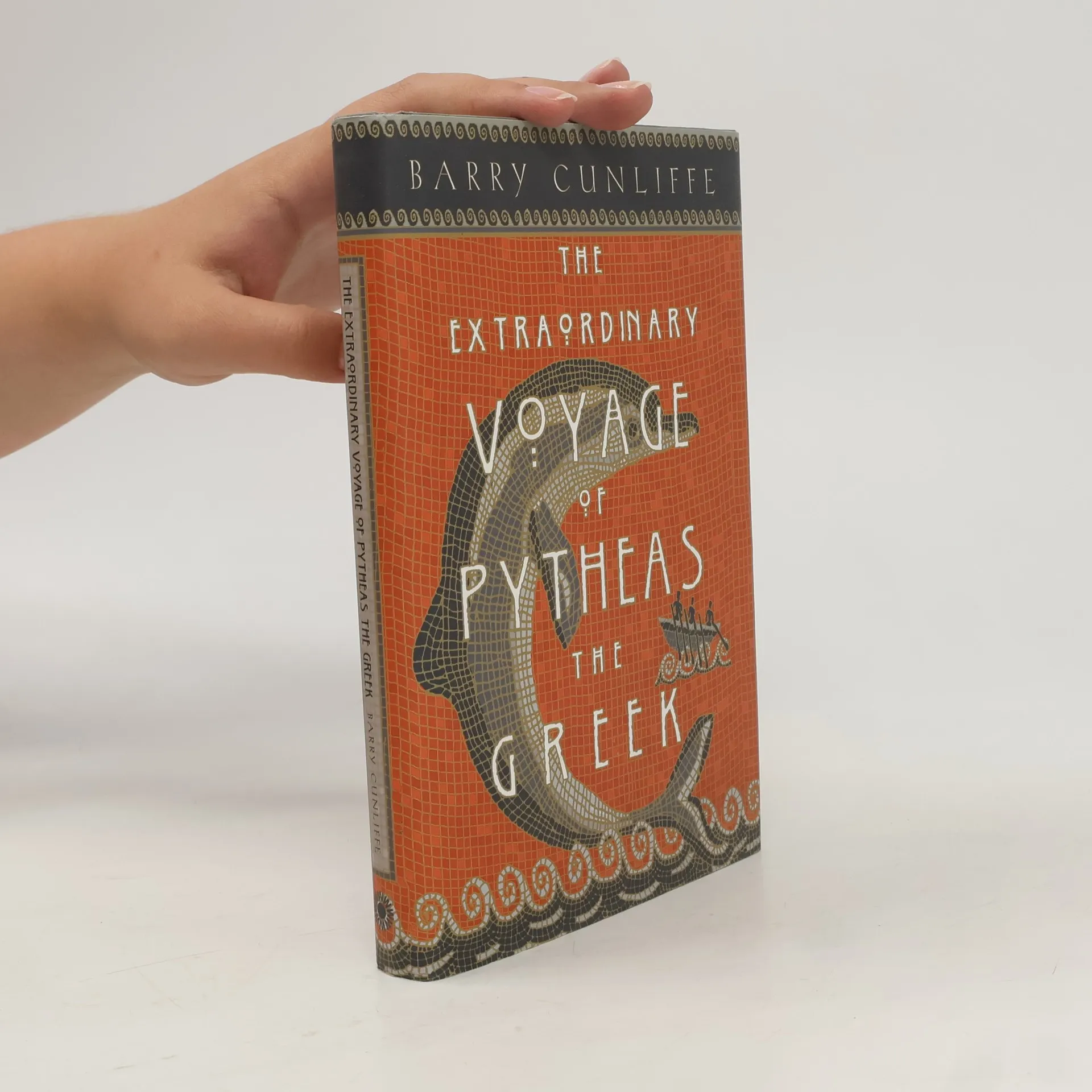
Around 330 B.C., Pytheas embarked from the Greek colony of Massalia (now Marseille) to explore the mysterious, largely uncharted northern Europe, believed by Greek science to be too cold for human life yet known to be a source of valuable commodities like tin, amber, and gold. As the first literate man to visit the British Isles and the coasts of France and Denmark, he may have even reached Iceland and the ice-pack's edge—an extraordinary feat for his time. Although Pytheas's own account, On the Ocean, published around 320 B.C., has not survived, references to his journey in the works of historians like Herodotus and Strabo highlight his pioneering spirit, as Britain remained unexplored until Julius Caesar's arrival nearly 300 years later. Archaeologist Barry Cunliffe, an expert on Pytheas's world, has meticulously sifted through archaeological and historical records to reconstruct this remarkable journey. He provides a concise history of early Mediterranean civilization while illuminating Pytheas’s experiences, including his route to Brittany and England, encounters with tin-mining and ancient cultures, the challenges of sailing in a skin boat, and the significance of amber trade routes. Cunliffe’s narrative captures a vital chapter in the history of civilization.


Book purchase
The Extraordinary Voyage of Pytheas the Greek, Barry Cunliffe
- Language

- Released
- 2002
- Binding
- (Hardcover)
Payment methods
No one has rated yet.
- Title
- The Extraordinary Voyage of Pytheas the Greek
- Language
- English
- Authors
- Barry Cunliffe
- Publisher
- Walker Books
- Released
- 2002
- Format
- Hardcover
- Pages
- 195
- ISBN10
- 0802713939
- ISBN13
- 9780802713933
- Series
- Description
- Around 330 B.C., Pytheas embarked from the Greek colony of Massalia (now Marseille) to explore the mysterious, largely uncharted northern Europe, believed by Greek science to be too cold for human life yet known to be a source of valuable commodities like tin, amber, and gold. As the first literate man to visit the British Isles and the coasts of France and Denmark, he may have even reached Iceland and the ice-pack's edge—an extraordinary feat for his time. Although Pytheas's own account, On the Ocean, published around 320 B.C., has not survived, references to his journey in the works of historians like Herodotus and Strabo highlight his pioneering spirit, as Britain remained unexplored until Julius Caesar's arrival nearly 300 years later. Archaeologist Barry Cunliffe, an expert on Pytheas's world, has meticulously sifted through archaeological and historical records to reconstruct this remarkable journey. He provides a concise history of early Mediterranean civilization while illuminating Pytheas’s experiences, including his route to Brittany and England, encounters with tin-mining and ancient cultures, the challenges of sailing in a skin boat, and the significance of amber trade routes. Cunliffe’s narrative captures a vital chapter in the history of civilization.