

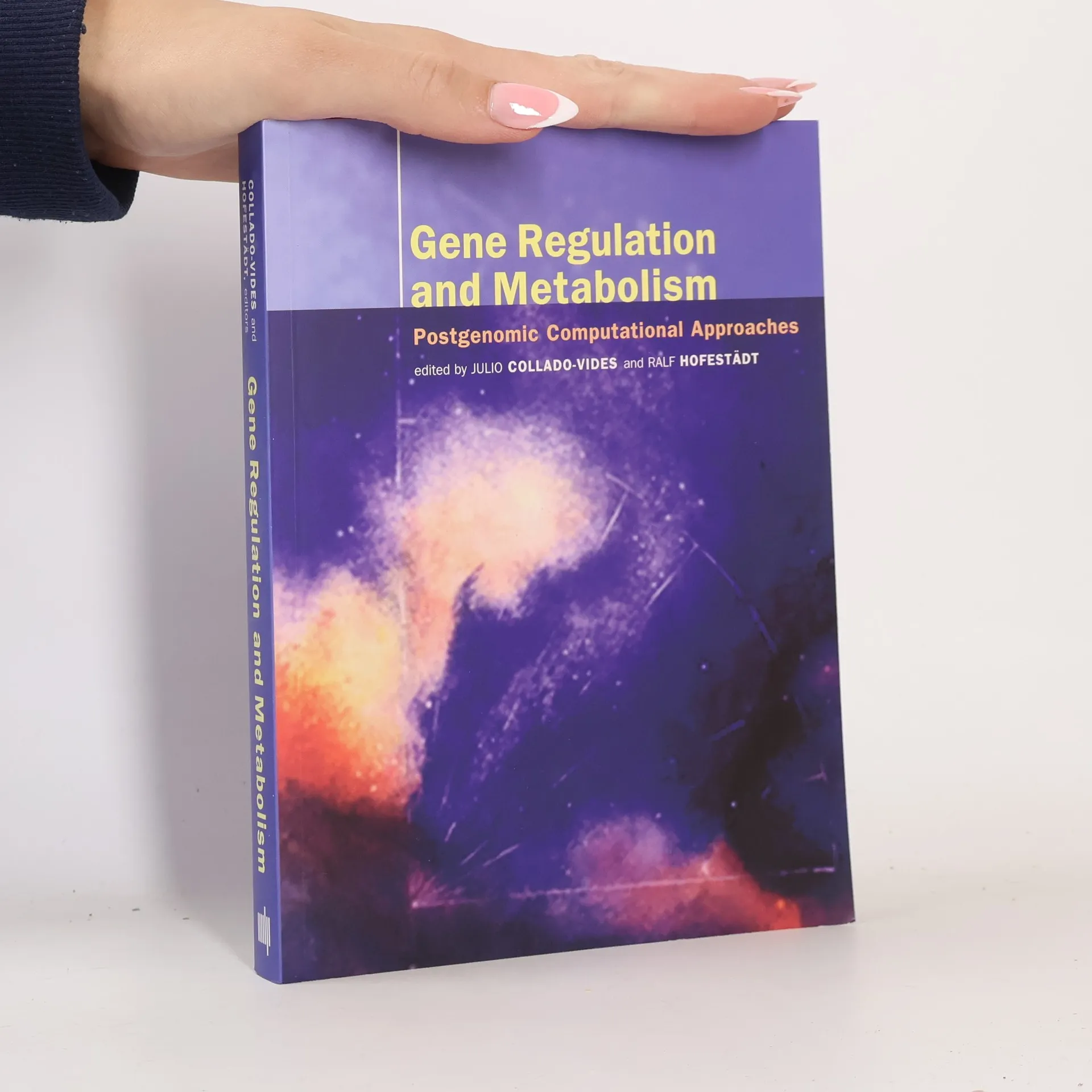


Computational Molecular Biology: Gene Regulation and Metabolism
Postgenomic Computational Approaches
More about the book
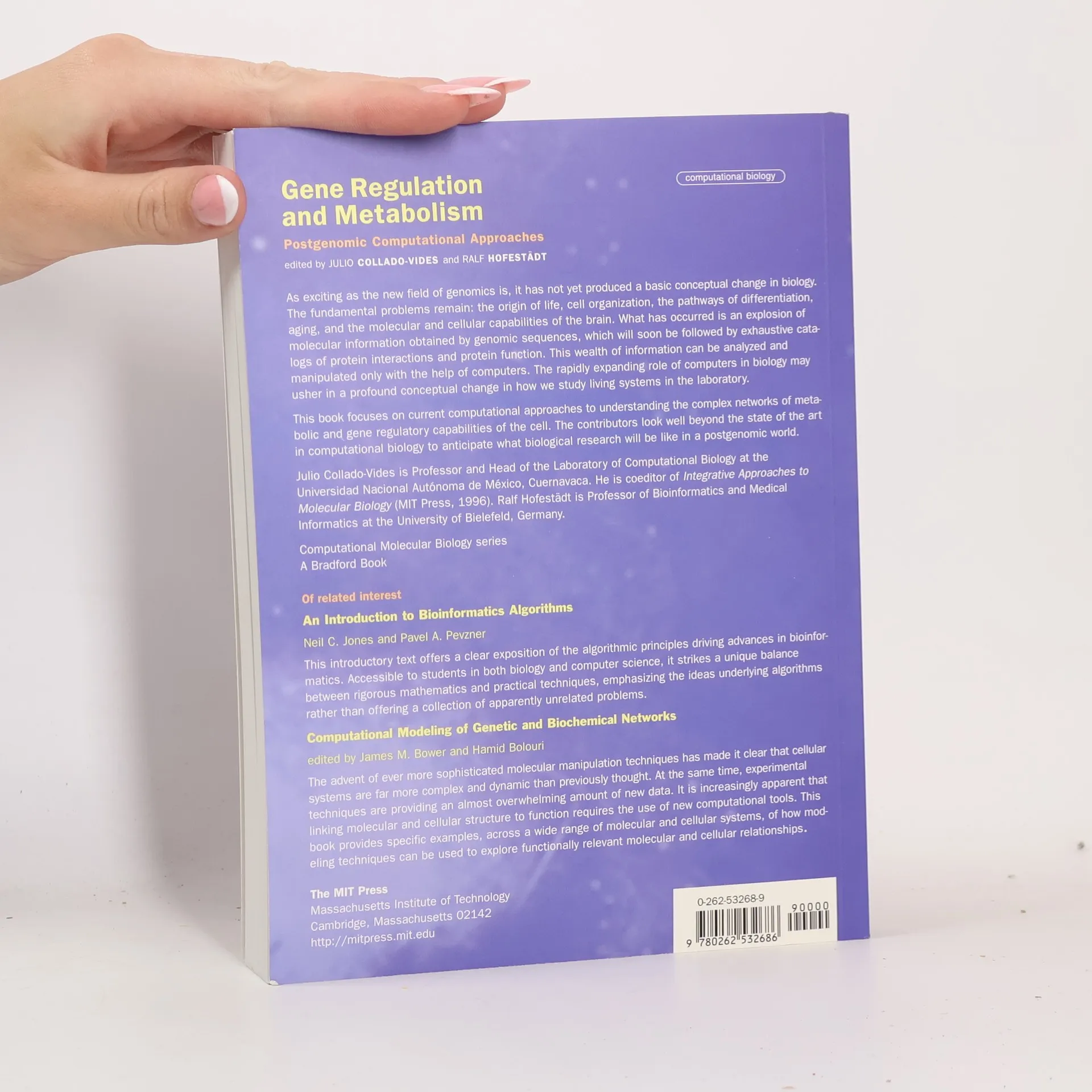
As exciting as the new field of genomics is, it has not yet produced a basic conceptual change in biology. The fundamental problems remain: the origin of life, cell organization, the pathways of differentiation, aging, and the molecular and cellular capabilities of the brain. What has occurred is an explosion of molecular information obtained by genomic sequences, which will soon be followed by exhaustive catalogs of protein interactions and protein function. This wealth of information can be analyzed and manipulated only with the help of computers. The rapidly expanding role of computers in biology may usher in a profound conceptual change in how we study living systems in the laboratory. This book focuses on current computational approaches to understanding the complex networks of metabolic and gene regulatory capabilities of the cell. The contributors look well beyond the state of the art in computational biology to anticipate what biological research will be like in a post-genomic world.
Book purchase
Computational Molecular Biology: Gene Regulation and Metabolism, Ralf Hofestädt, Julio Collado-Vides
- Language

- Released
- 2002
- Binding
- (Paperback)
Payment methods
No one has rated yet.
- Title
- Computational Molecular Biology: Gene Regulation and Metabolism
- Subtitle
- Postgenomic Computational Approaches
- Language
- English
- Authors
- Ralf Hofestädt, Julio Collado-Vides
- Publisher
- Bradford Book
- Released
- 2002
- Format
- Paperback
- Pages
- 310
- ISBN10
- 0262532689
- ISBN13
- 9780262532686
- Series
- Description
- As exciting as the new field of genomics is, it has not yet produced a basic conceptual change in biology. The fundamental problems remain: the origin of life, cell organization, the pathways of differentiation, aging, and the molecular and cellular capabilities of the brain. What has occurred is an explosion of molecular information obtained by genomic sequences, which will soon be followed by exhaustive catalogs of protein interactions and protein function. This wealth of information can be analyzed and manipulated only with the help of computers. The rapidly expanding role of computers in biology may usher in a profound conceptual change in how we study living systems in the laboratory. This book focuses on current computational approaches to understanding the complex networks of metabolic and gene regulatory capabilities of the cell. The contributors look well beyond the state of the art in computational biology to anticipate what biological research will be like in a post-genomic world.